
The Restaurant Owner's Guide to Insured Catering and Offsite Events
Expanding your restaurant into catering and offsite events opens up a whole new revenue stream. Food festivals, corporate lunches, weddings, private parties: the opportunities are endless. But here's the thing: your standard restaurant insurance policy probably doesn't cover everything that happens once you step outside your four walls.
Catering introduces a completely different set of risks. You're transporting equipment, working in unfamiliar venues, and serving guests in environments you don't control. This guide breaks down the coverage details you need to protect your business when taking your culinary talents on the road.
Why Your Restaurant Policy May Fall Short
Your existing restaurant insurance is designed for on-premises operations. It covers slip-and-fall accidents in your dining room, kitchen fires, and incidents that happen within your controlled space.
Catering flips the script entirely.
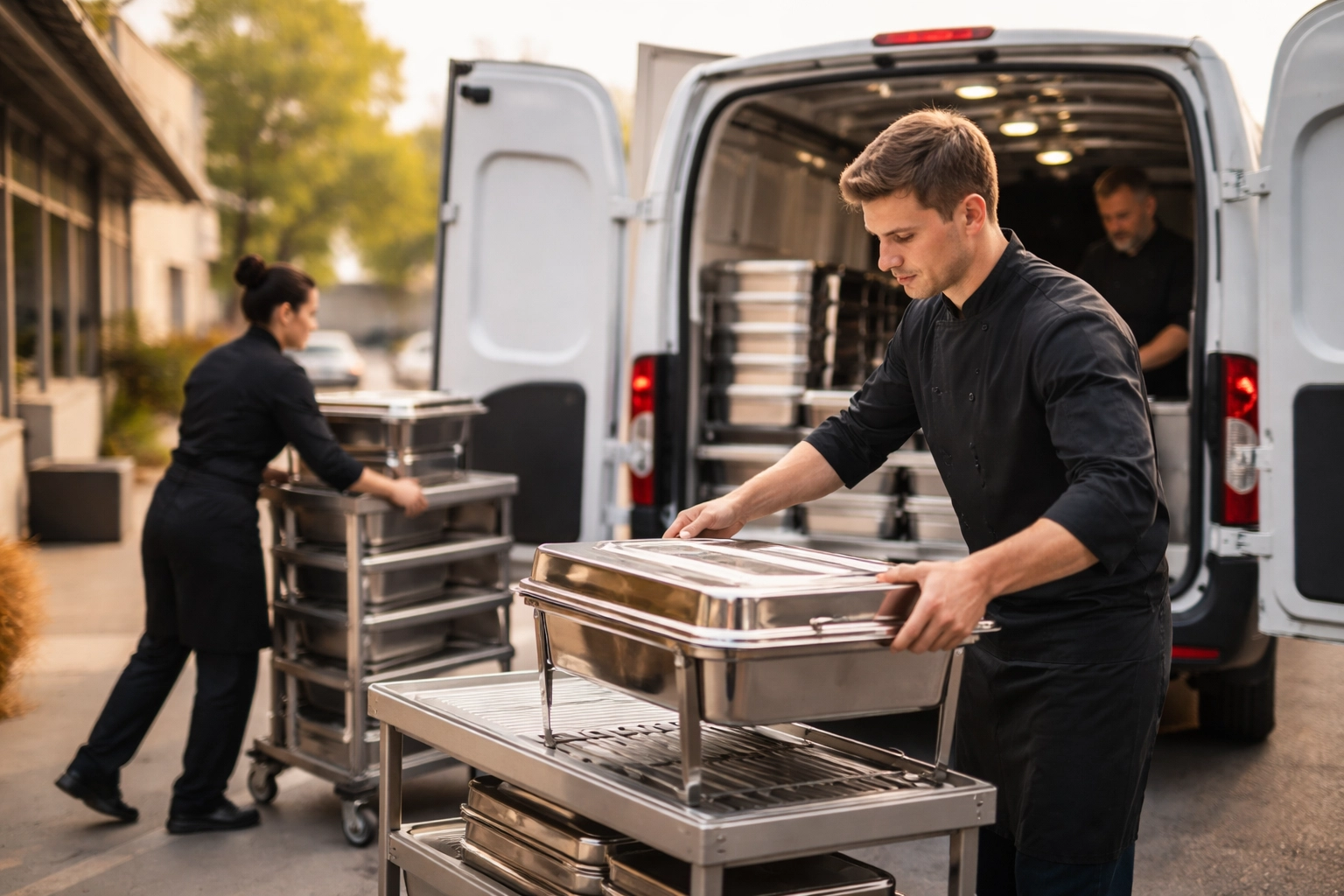
When you load up equipment into a van and head to a wedding venue across town, you're introducing new exposures:
Transporting expensive kitchen equipment
Setting up in spaces you've never worked in before
Serving food that's been in transit
Operating under venue contracts with specific insurance requirements
Standard restaurant policies often have territorial limitations. They may not extend full protection to offsite locations, leaving gaps that could put your business at serious risk.
General Liability Extensions for Offsite Operations
General liability insurance forms the foundation of your catering protection. For offsite events, you'll want to ensure your policy includes extensions that cover operations beyond your restaurant's physical location.
A standard general liability policy typically provides protection for:
Bodily injury to event guests
Property damage at third-party venues
Personal and advertising injury
For catering operations, look for policies that include Products-Completed Operations coverage. This extends protection to incidents that occur after you've served the food and left the venue. If a guest gets sick from something they ate at an event you catered last week, this coverage responds.
Many venues, event planners, and corporate clients require caterers to carry general liability with specific limits. They may also require you to name them as an Additional Insured on your policy. This is standard practice and something your insurance provider can typically accommodate with an endorsement.
Inland Marine Coverage: Protecting Equipment in Transit
Here's a coverage type that many restaurant owners overlook when expanding into catering: Inland Marine insurance.
Despite the name, this has nothing to do with boats. Inland Marine coverage protects property that moves from location to location: exactly what happens when you're transporting:
Commercial-grade chafing dishes and warmers
Portable cooking equipment
Serving utensils and specialty items
Display equipment
Refrigeration units
Your standard commercial property policy covers equipment while it's sitting in your restaurant. But the moment you load that $3,000 commercial blender into your van for an offsite event, coverage gaps can emerge.
Inland Marine fills those gaps. It protects your equipment:
During transport
While set up at the event venue
During breakdown and return trips
For restaurants doing regular catering work, this coverage is essential. Equipment gets jostled in transit, knocked over during setup, or damaged at venues. Inland Marine ensures your tools of the trade stay protected no matter where the job takes you.

Product Liability: Your Food Safety Safety Net
Food safety takes on added complexity with catering. You're dealing with extended transport times, temperature control challenges, and setup in environments where you can't control every variable.
Product liability coverage protects your business when someone becomes ill or has an allergic reaction from food you've prepared and served. This includes:
Foodborne illness incidents
Allergic reactions
Contamination issues
For catering operations, product liability becomes even more critical. Your food spends time in transit, sits in warming trays, and gets served in conditions different from your controlled kitchen environment. All of these factors increase the potential for food safety incidents.
Make sure your policy's product liability limits align with the scale of events you're catering. A small lunch meeting carries different exposure than a 500-person wedding reception.
Damage to Premises Rented Coverage
When you cater events at venues you don't own, you take on responsibility for potential damage to those spaces. This is where Damage to Premises Rented coverage comes into play.
This coverage responds when your catering operation accidentally damages:
Event venue floors, walls, or fixtures
Banquet hall equipment
Hotel ballroom property
Private residence features
Spilled cooking oil on a venue's hardwood floor. A hot chafing dish that scorches an antique table. A staff member who accidentally breaks a glass display case. These incidents happen, and without proper coverage, you could be paying out of pocket for repairs or replacement.
Many venue contracts require proof of this coverage before they'll allow caterers to operate on their premises. Having adequate limits in place keeps your catering calendar full and your business relationships strong.
Commercial Auto Insurance for Catering Vehicles
If you're using vehicles to transport food, equipment, or staff to catering events, commercial auto insurance is non-negotiable.
Personal auto policies typically exclude business use. If you're driving your personal vehicle for catering deliveries and get into an accident, your personal policy could deny the claim entirely.
Commercial auto coverage protects:
Company-owned vehicles
Hired vehicles (rentals)
Non-owned vehicles (employee personal vehicles used for business)
For catering operations, consider including coverage for:
Collision and comprehensive protection for your vehicles
Liability coverage for accidents involving your catering vehicles
Cargo coverage for food and equipment being transported
If employees use their personal vehicles to help with catering transport, make sure your policy includes Hired and Non-Owned Auto coverage. This protects your business when team members are driving on company time.
Workers' Compensation for Catering Staff
Catering work introduces hazards that differ from standard restaurant operations. Your staff members are:
Loading and unloading heavy equipment
Working in unfamiliar kitchen setups
Navigating venues with varying layouts
Working extended hours at offsite locations
Workers' compensation coverage protects your employees when they're injured on the job, regardless of where that job takes place. Medical expenses, rehabilitation, and lost wages are covered when a team member gets hurt during a catering gig.
For restaurants expanding into catering, ensure your workers' comp policy accurately reflects your payroll and operations. Catering work may classify differently than standard restaurant duties, and having accurate policy documentation protects both you and your team.
Building a Complete Catering Coverage Package
When your restaurant moves into catering and offsite events, the coverage conversation needs to expand. Here's a quick reference of the protection layers to discuss with your insurance provider:
Foundation Coverages:
General liability with offsite extensions
Product liability
Commercial property
Catering-Specific Coverages:
Inland Marine for equipment in transit
Damage to premises rented
Commercial auto (if using vehicles)
Employee Protection:
Workers' compensation
Additional Considerations:
Liquor liability (if serving alcohol at events)
Business interruption coverage
Each catering operation is different. The coverage package for a restaurant doing occasional private dinner parties looks different from one catering weekly corporate events or large-scale weddings.
Next Steps for Your Catering Expansion
Before booking your next catering gig, take time to review your current coverage with an insurance professional who understands restaurant and catering operations. Identify gaps between what you have and what you need.
Ask your current provider about endorsements that can extend your existing policies to cover offsite operations. In some cases, a few targeted additions can fill the gaps. In others, a more comprehensive approach makes sense.
For more guidance on restaurant coverage essentials, check out our Restaurant Insurance Checklist or explore our breakdown of Non-Negotiable Restaurant Coverages.
The catering business offers great opportunities for restaurant owners ready to expand. With the right coverage in place, you can take on new events with confidence.
Insurance Alliance LLC serves restaurant owners across FL, TX, AZ, ID, and WA. Contact us to discuss your catering coverage needs.


Comments