
Stop Wasting Money on Restaurant Insurance: 7 Quick Cost-Cutting Hacks That Actually Work
Restaurant owners face complex insurance requirements that demand strategic coverage decisions. Understanding how to optimize protection while avoiding coverage gaps ensures your business operates with comprehensive security across Florida, Texas, Arizona, Idaho, and Washington.
1. Bundle Coverage Types Under a Single Business Owners Policy
Restaurant operations require multiple protection layers that work together seamlessly. A Business Owners Policy (BOP) combines general liability, property coverage, and business interruption protection into one comprehensive package. This approach eliminates potential gaps between separate policies and ensures consistent coverage limits across all protection areas.
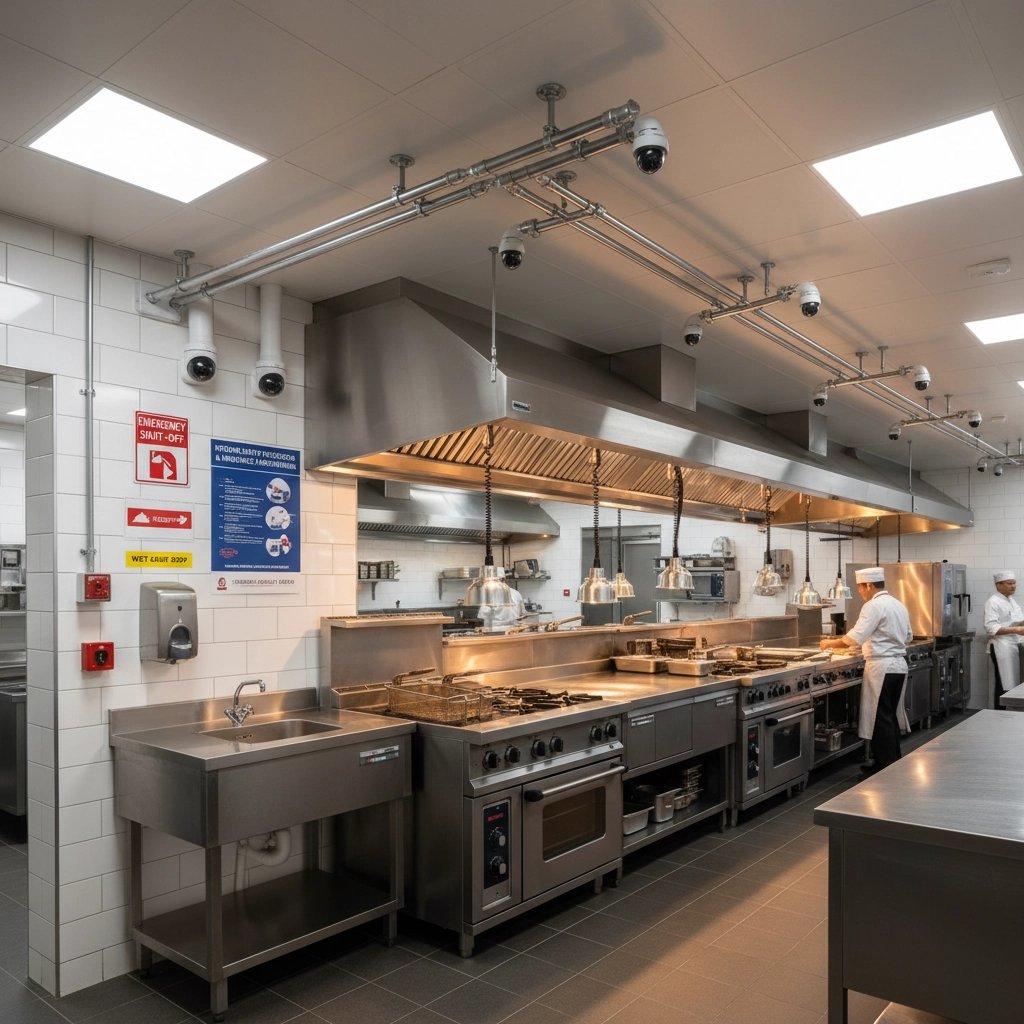
Your BOP should include equipment breakdown coverage for kitchen appliances, refrigeration systems, and point-of-sale technology. Restaurant equipment failures can shut down operations quickly, making this protection essential for continuous business operations.
2. Implement Proper Liquor Liability Coverage Structure
Restaurants serving alcohol need specialized protection beyond standard general liability coverage. Liquor liability insurance addresses risks associated with serving alcoholic beverages, including over-service situations and related incidents.
This coverage becomes particularly important during peak dining hours, special events, and holiday seasons when alcohol consumption increases. Your policy should cover both on-premises consumption and any off-premises events your restaurant caters.
3. Address Workers' Compensation Classification Accuracy
Restaurant staff perform diverse duties that require accurate classification for proper coverage. Kitchen staff, servers, bartenders, and management personnel each face different workplace risks that impact protection requirements.
Ensure your workers' compensation policy accurately reflects all employee roles and responsibilities. Misclassification can create coverage gaps that leave your business vulnerable during workplace incidents.
4. Establish Comprehensive Food Safety Protection
Product liability coverage becomes crucial for restaurants given the inherent risks of food preparation and service. Your insurance should address foodborne illness incidents, allergic reactions, and contamination events that could affect multiple customers.
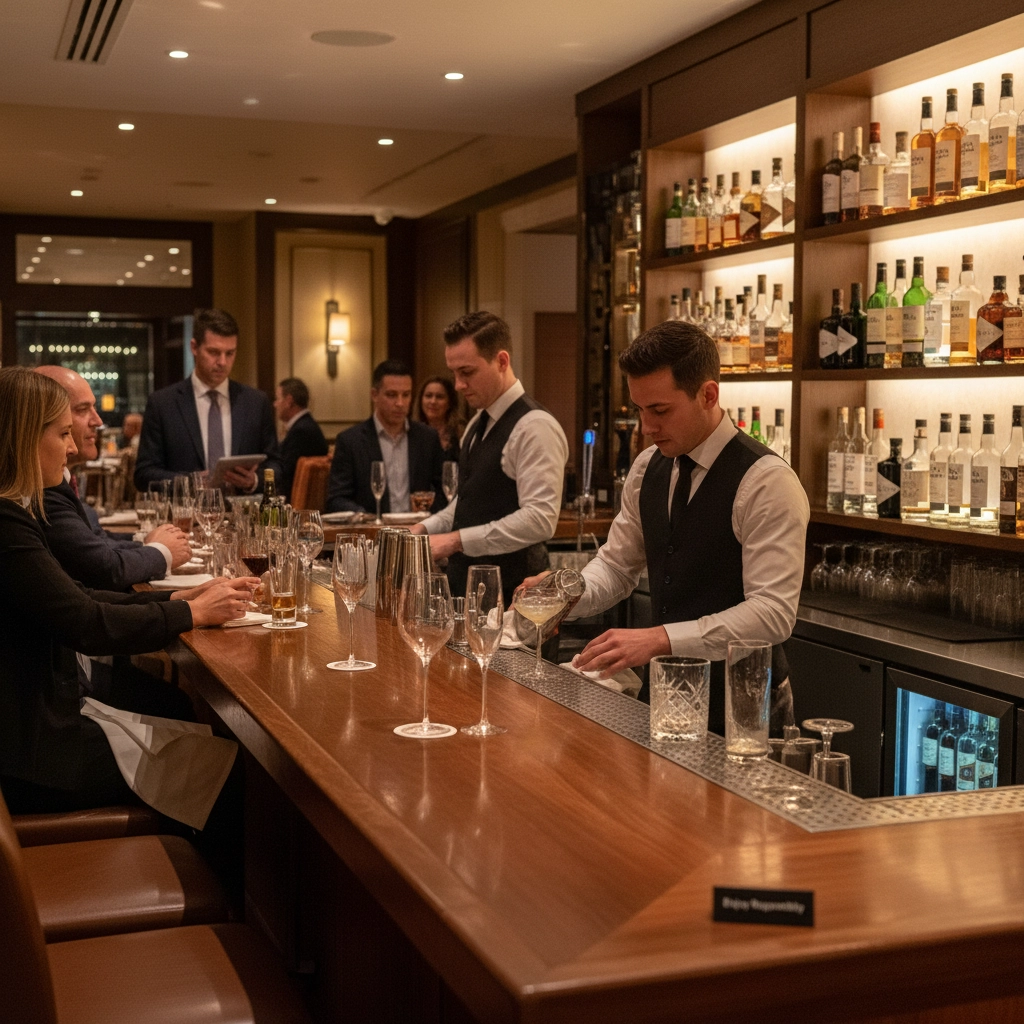
This protection extends beyond your kitchen to include supplier relationships and food sourcing practices. Comprehensive food safety coverage protects against incidents involving ingredients from third-party suppliers.
5. Secure Adequate Property Coverage for Equipment and Improvements
Restaurant property coverage must address both owned equipment and leasehold improvements. Kitchen equipment, dining furniture, technology systems, and tenant improvements represent significant investments that require proper protection.
Your property coverage should include replacement cost valuation for equipment to ensure you can restore operations quickly after covered events. This approach provides protection for upgrading to current equipment standards rather than replacing with depreciated values.
6. Include Cyber Liability for Modern Restaurant Operations
Modern restaurants rely heavily on technology for point-of-sale systems, online ordering platforms, customer databases, and payment processing. Cyber liability coverage protects against data breaches, payment card fraud, and system failures that could compromise customer information.
This coverage becomes particularly important for restaurants using online reservation systems, delivery applications, and loyalty programs that collect customer data. Cyber protection should include both first-party coverage for your business and third-party coverage for customer impacts.
7. Maintain Employment Practices Liability Coverage
Restaurant operations involve frequent hiring, training, and management of diverse staff members. Employment practices liability insurance protects against wrongful termination, discrimination, harassment, and wage disputes that could arise in restaurant environments.
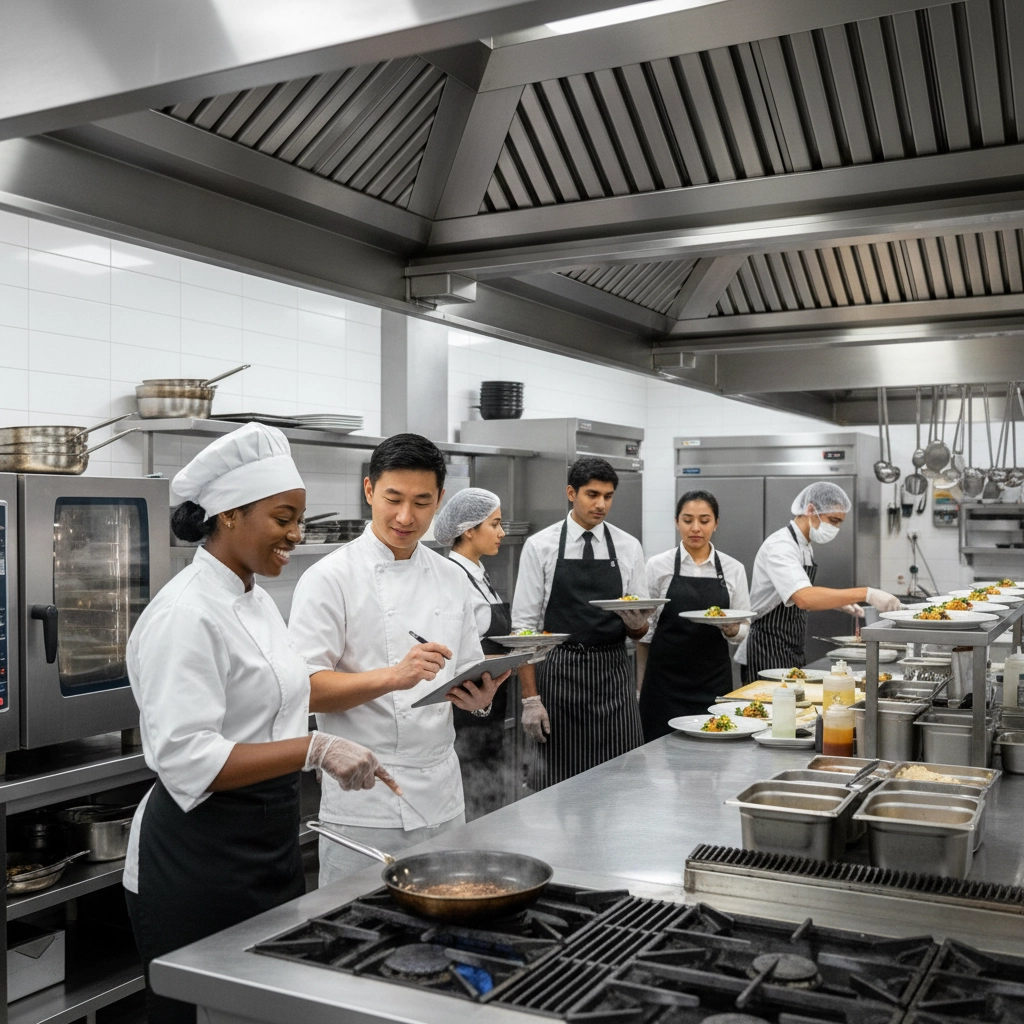
This coverage addresses both management-level decisions and day-to-day employment practices. Restaurant environments with high turnover rates and diverse workforces particularly benefit from comprehensive employment practices protection.
Coverage Optimization Across Multiple States
Restaurants operating across Florida, Texas, Arizona, Idaho, and Washington must understand state-specific requirements while maintaining consistent protection standards. Each state presents unique regulatory environments and risk factors that impact coverage needs.
Florida restaurants face hurricane and flood risks that require specialized property protection. Texas operations deal with severe weather patterns and tornado activity. Arizona locations must address extreme heat impacts on equipment and operations. Idaho restaurants encounter winter weather challenges, while Washington operations face earthquake and flood considerations.
Essential Coverage Coordination
Effective restaurant insurance requires coordination between multiple coverage types to eliminate gaps and ensure comprehensive protection. Your general liability, property, workers' compensation, and specialized coverages must work together seamlessly.
Regular coverage reviews help identify potential gaps as your restaurant operations evolve. Menu changes, service expansions, staff increases, and facility modifications all impact your insurance requirements.
Working with Insurance Professionals
Restaurant insurance complexity requires professional guidance to navigate coverage options effectively. Independent agents understand restaurant-specific risks and can structure policies that address your unique operational requirements.
Professional insurance guidance becomes particularly valuable when expanding operations, changing concepts, or entering new markets. Experienced agents help identify coverage requirements before gaps develop.
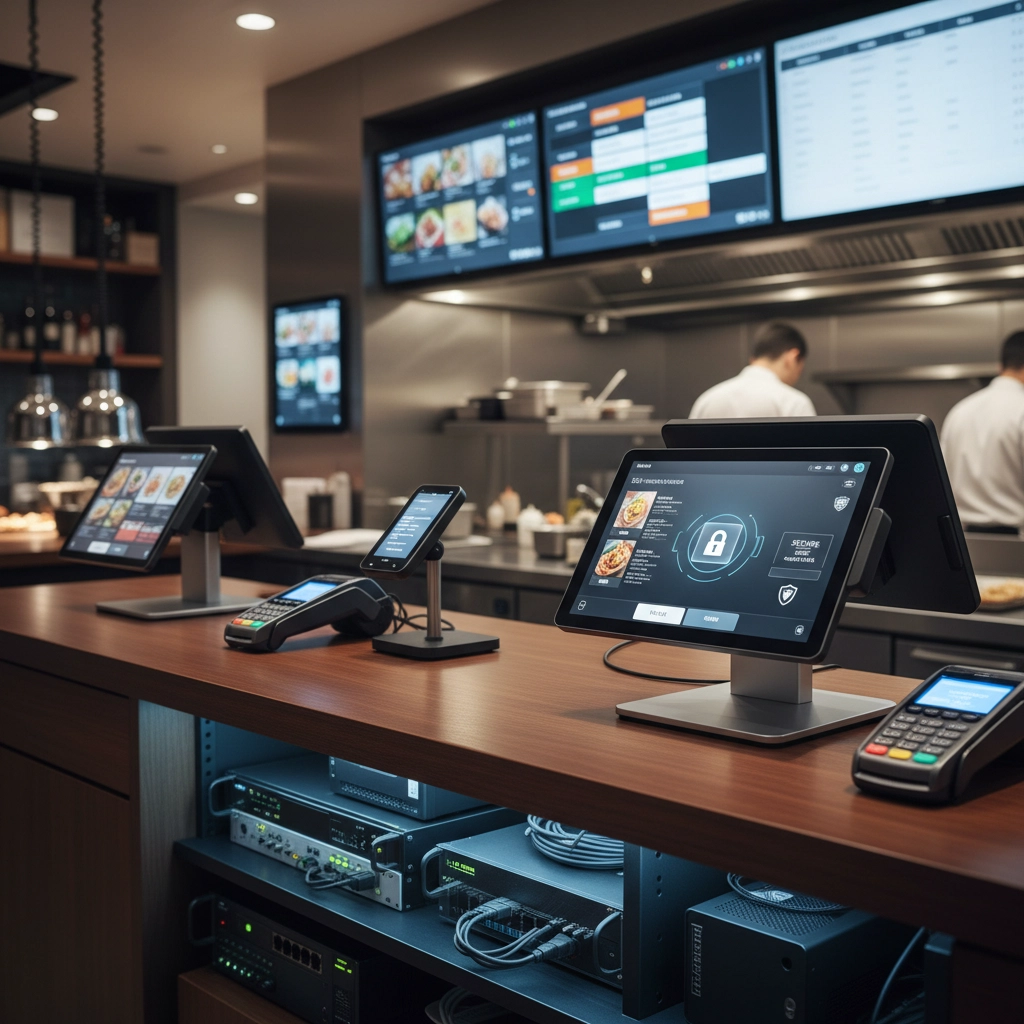
Your insurance professional should understand restaurant industry trends, emerging risks, and regulatory changes that could impact your coverage needs. This expertise ensures your protection remains current with industry developments.
Protection Implementation Timeline
Implementing comprehensive restaurant insurance requires systematic planning and coordination. Begin with fundamental coverages like general liability and property protection, then add specialized coverages based on your specific operations.
New restaurant ventures should secure coverage before opening operations, while established restaurants can implement improvements during policy renewal periods. Coverage gaps can develop quickly in restaurant environments, making proactive planning essential.
Maintaining Coverage Effectiveness
Restaurant insurance effectiveness requires ongoing attention to changing operations, staff levels, and business conditions. Regular coverage reviews ensure your protection remains adequate as your restaurant grows and evolves.
Document all coverage decisions and maintain detailed records of your insurance structure. This documentation helps during renewals and provides clarity when coverage questions arise.
Long-term Protection Strategy
Effective restaurant insurance creates a foundation for sustained business operations across various challenges and opportunities. Comprehensive coverage allows restaurant owners to focus on customer service, menu development, and business growth rather than worrying about protection gaps.
Your insurance strategy should support both current operations and future expansion plans. Scalable coverage structures accommodate business growth without requiring complete policy restructuring.
Insurance Alliance LLC provides comprehensive restaurant insurance solutions across Florida, Texas, Arizona, Idaho, and Washington. Contact our experienced team to review your restaurant's coverage requirements and develop protection strategies tailored to your specific operational needs.

Comments