
Stop Wasting Money on Restaurant Insurance: 10 Quick Cost-Cutting Hacks That Actually Work
Restaurant owners face complex insurance requirements across Florida, Texas, Arizona, Idaho, and Washington. Optimizing coverage ensures comprehensive protection while maintaining operational efficiency. These strategies help restaurant owners maximize their insurance effectiveness.
1. Conduct Comprehensive Risk Assessments
Identify specific hazards within your restaurant operations. Document potential fire risks from cooking equipment and electrical systems. Assess slip-and-fall hazards in dining areas and kitchens. Evaluate food safety protocols and storage procedures. Create detailed risk profiles that inform coverage decisions.
Professional risk assessments reveal coverage gaps before incidents occur. Document all identified risks and mitigation strategies. Share this information with your insurance professional to ensure adequate coverage limits.
2. Bundle Restaurant Coverage Types
Business Owner's Policies combine general liability and commercial property coverage. This streamlined approach provides coordinated protection for restaurant operations. BOPs typically include business interruption coverage for equipment breakdowns and other covered losses.
Restaurant insurance needs extend beyond basic liability coverage. Property protection covers kitchen equipment, furniture, and inventory. Liquor liability protects establishments serving alcohol. Workers' compensation covers employee injuries during work operations.
3. Implement Advanced Fire Suppression Systems
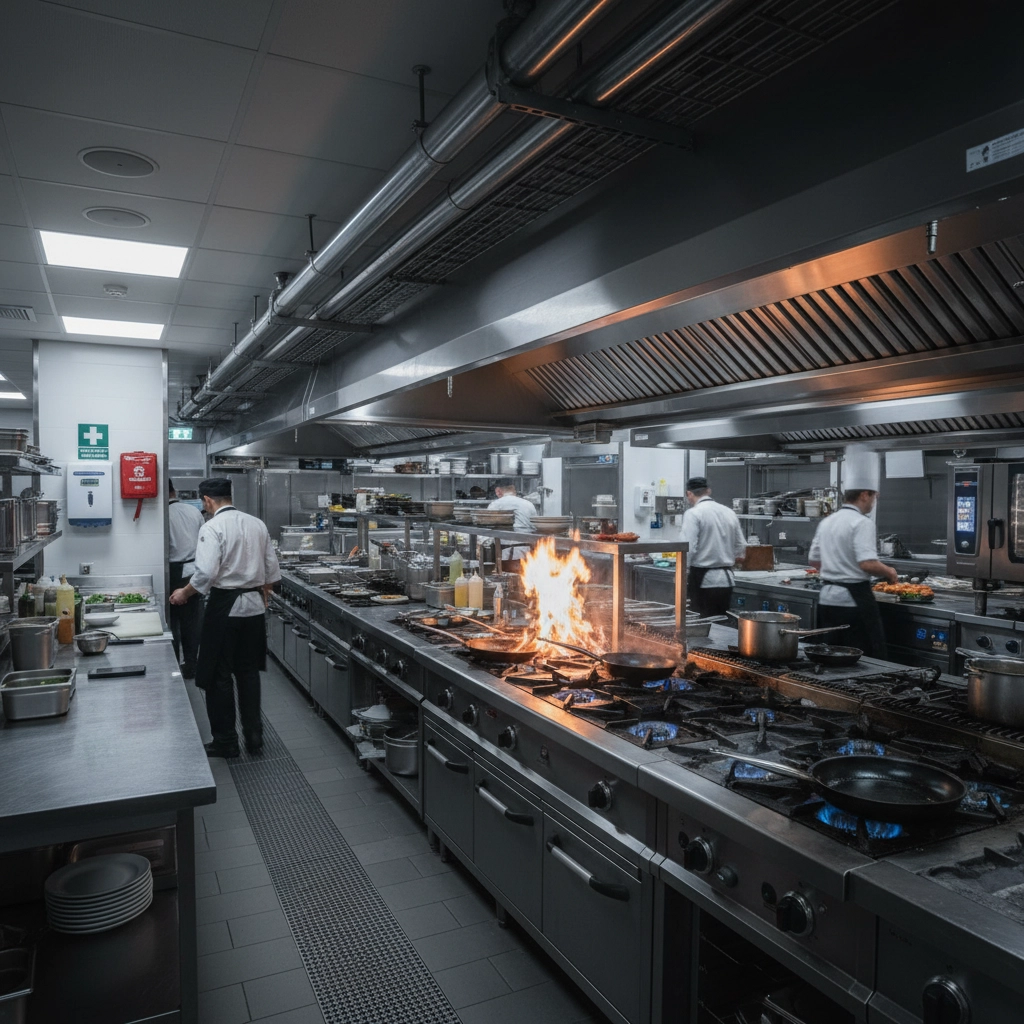
Install UL 300-compliant fire suppression systems in commercial kitchens. These systems automatically activate during grease fires and other cooking-related incidents. Ensure regular maintenance and inspections meet manufacturer specifications.
Fire suppression coverage protects against equipment damage and business interruption. Document all system installations and maintenance records. Provide documentation to insurance carriers for coverage verification.
4. Upgrade Security and Monitoring Systems
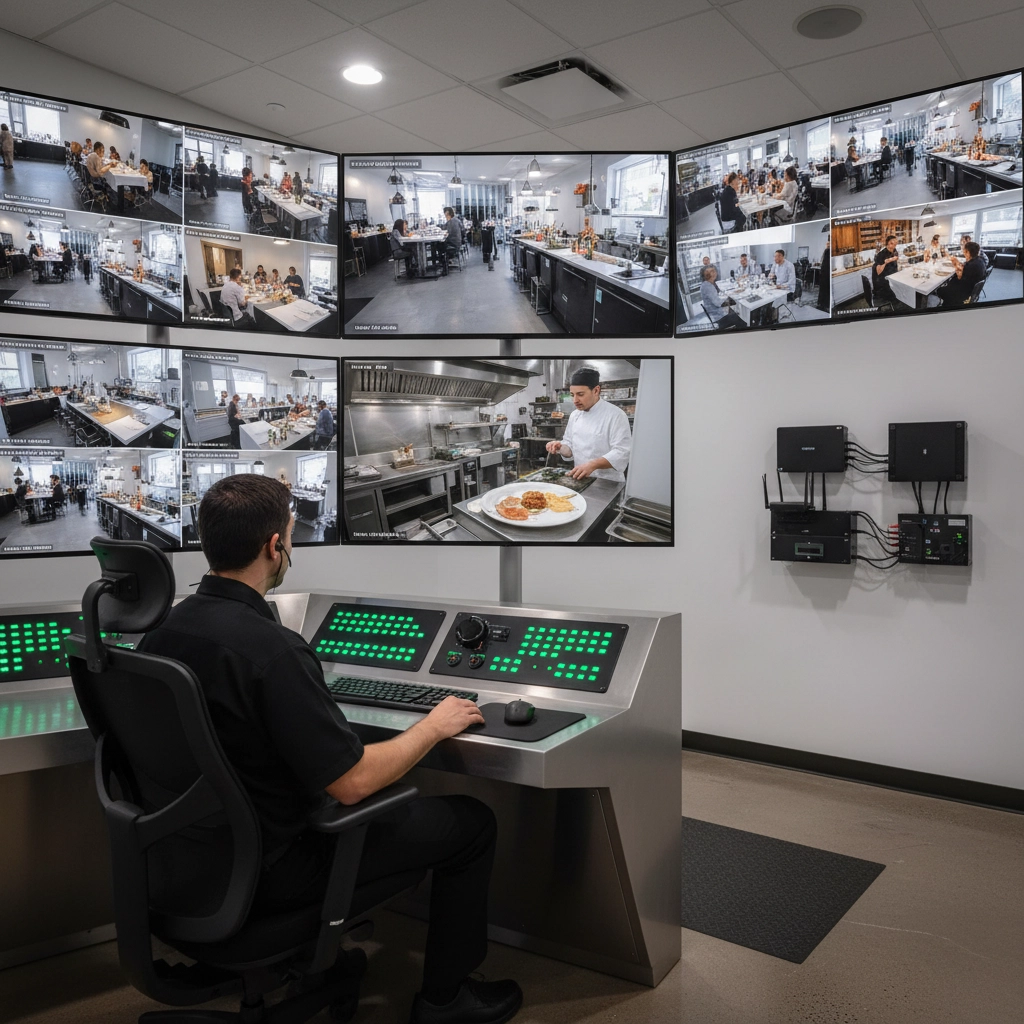
Install monitored alarm systems with 24-hour response capabilities. Include motion detectors, door sensors, and surveillance cameras throughout the facility. Ensure systems meet insurance carrier requirements for theft protection.
Security measures protect against burglary and vandalism claims. Monitor access points during non-operating hours. Maintain detailed records of all security system activations and responses.
5. Establish Food Safety Documentation
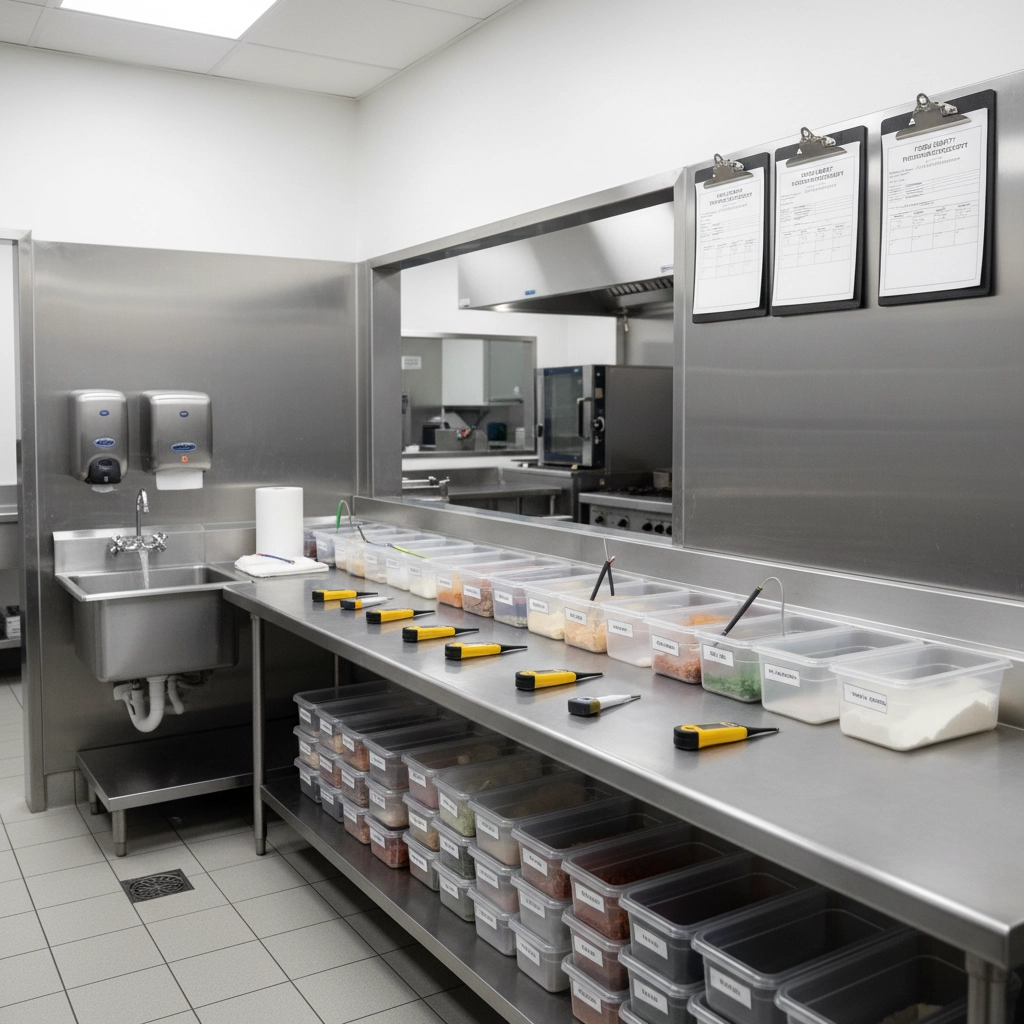
Maintain comprehensive records of health department inspections and certifications. Document staff training on food handling procedures and safety protocols. Create standardized procedures for food storage, preparation, and service.
Food safety coverage protects against foodborne illness claims. Regular documentation demonstrates compliance with health regulations. Share protocols with insurance professionals to ensure adequate coverage limits.
6. Create Employee Safety Programs
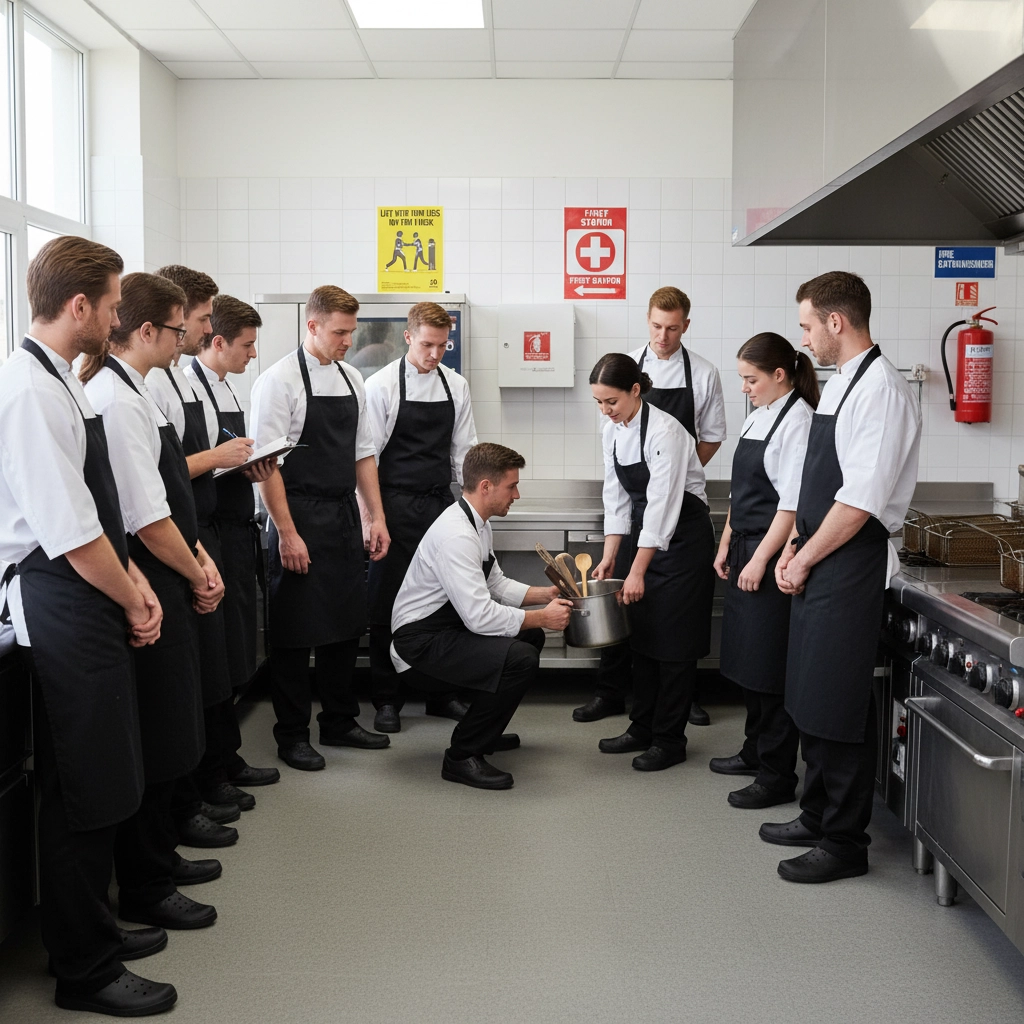
Develop workplace safety training programs addressing common restaurant hazards. Include proper lifting techniques, equipment operation procedures, and emergency response protocols. Document all training sessions and employee participation.
Workers' compensation coverage responds to employee injuries during work activities. Safety programs reduce incident frequency and severity. Regular training updates address new equipment and operational changes.
7. Maintain Equipment Service Records
Schedule regular maintenance for all commercial kitchen equipment. Document repairs, replacements, and preventive maintenance activities. Create maintenance schedules that meet manufacturer recommendations.
Equipment breakdown coverage protects against sudden mechanical failures. Regular maintenance extends equipment life and reduces claim frequency. Share maintenance records with insurance carriers for coverage verification.
8. Implement Responsible Service Training
Train all staff on responsible alcohol service practices. Include identification verification procedures and intoxication recognition techniques. Document training completion for all employees handling alcohol sales.
Liquor liability coverage protects against alcohol-related incidents. Proper service training reduces liability exposure. Maintain training records and update procedures based on regulatory changes.
9. Review Coverage Limits Regularly
Assess coverage limits based on current business operations and asset values. Consider seasonal fluctuations in inventory and revenue. Evaluate coverage adequacy for equipment upgrades and facility improvements.
Business growth requires coverage adjustments to maintain adequate protection. Review policy limits annually or after significant operational changes. Coordinate with insurance professionals to optimize coverage structures.
10. Document All Safety Initiatives
Create detailed records of all risk management activities. Include safety training documentation, equipment maintenance records, and incident reports. Maintain organized files for easy access during policy reviews.
Comprehensive documentation supports coverage decisions and claim processing. Regular updates reflect operational changes and improvements. Share documentation with insurance professionals for coverage optimization.
Additional Coverage Considerations
Restaurant operations require specialized coverage beyond standard business policies. Cyber liability protection addresses data breach risks from payment processing systems. Employment practices liability covers discrimination and harassment claims.
Product recall coverage protects against contaminated food incidents. Business income coverage replaces lost revenue during covered property damage. Consider umbrella policies for additional liability protection above underlying limits.
Working with Insurance Professionals
Partner with experienced restaurant insurance specialists who understand industry-specific risks. Review coverage options annually to address operational changes. Discuss emerging risks and coverage solutions relevant to restaurant operations.
Insurance professionals provide valuable guidance on coverage optimization strategies. They assist with claim reporting procedures and risk management recommendations. Regular communication ensures coverage remains adequate for evolving business needs.
Restaurant insurance requirements vary across different jurisdictions and business types. Family dining establishments face different risks than fine dining restaurants. Fast-casual operations require different coverage considerations than full-service establishments.
Insurance Alliance LLC provides specialized restaurant insurance solutions for businesses operating in Florida, Texas, Arizona, Idaho, and Washington. Our experienced team understands the unique coverage requirements facing restaurant owners in these markets.
Visit our restaurant insurance pages to learn more about coverage options for your specific restaurant type. We offer comprehensive solutions for family dining, fine dining, and smoothie and coffee shops.
Contact Insurance Alliance LLC today to review your restaurant insurance coverage and optimize protection for your business operations. Our team provides personalized service and competitive coverage options designed specifically for restaurant owners.

Comments