
Specialized Insurance for Contractors: Managing Jobsite Risks
- marketing676641
- Jan 31
- 5 min read
Contractors face a unique set of risks every single day. From heavy equipment operations to third-party injuries, the jobsite presents hazards that most other businesses never encounter. Specialized contractor insurance provides the protection necessary to keep your business operational and compliant.
This guide covers the essential coverage types contractors need, the risks they address, and how bundling policies creates comprehensive protection for your business in FL, TX, AZ, ID, and WA.
Understanding the Unique Risks Contractors Face
Construction and contracting work involves inherent hazards that other industries simply do not experience. Heavy machinery, elevated work surfaces, power tools, and constant interaction with property owners and the public create exposure on multiple fronts.
Common contractor risks include:
Third-party bodily injury – Visitors, property owners, or passersby injured on or near your jobsite
Property damage – Accidental damage to a client's home, building, or surrounding structures
Equipment theft and damage – Loss of tools and machinery stored on jobsites or in transit
Employee injuries – Work-related accidents involving your crew
Professional errors – Design mistakes, project delays, or work that fails to meet specifications
Vehicle accidents – Collisions involving work trucks and vans
Each of these risks requires specific coverage. A single general liability policy cannot address every exposure. Contractors benefit most from a bundled approach that layers multiple policies together.

General Liability Insurance for Contractors
General liability insurance serves as the foundation of any contractor insurance program. This policy protects your business when third parties suffer bodily injury or property damage due to your operations.
What General Liability Covers
Medical expenses for injured third parties
Repair or replacement of damaged property
Legal defense when lawsuits arise
Completed operations coverage for work already finished
Why Contractors Need It
Many commercial clients, municipalities, and licensing boards require proof of general liability coverage before awarding contracts. Without it, you may be excluded from bidding on projects entirely.
General liability also addresses accidents that occur after you leave the jobsite. If faulty installation causes damage months later, your policy responds to protect your business.
Contractors in FL, TX, AZ, ID, and WA should verify that their general liability limits meet local licensing requirements and client contract minimums.
Tools and Equipment Insurance
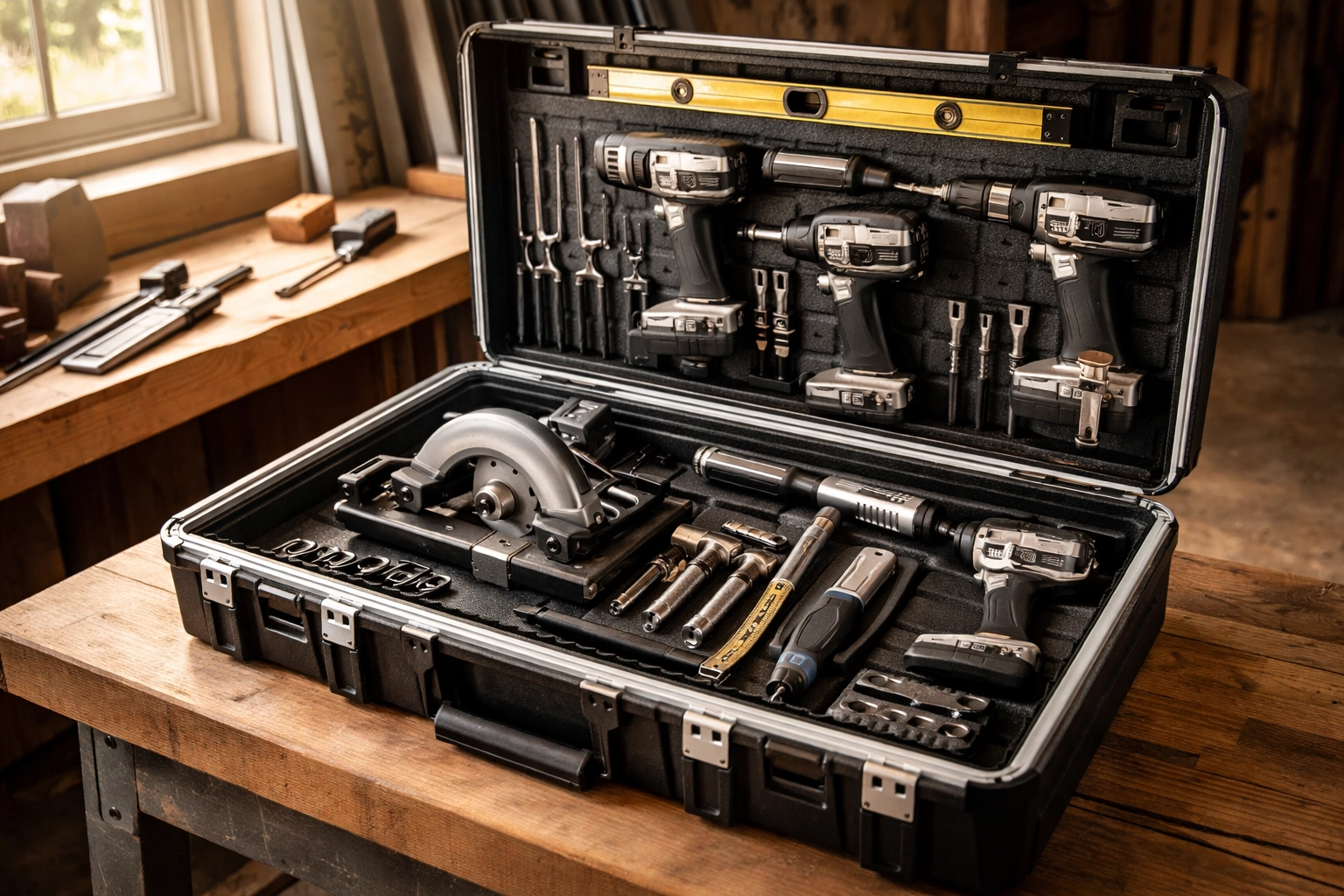
Your tools are the backbone of your operation. Losing them to theft, damage, or vandalism can bring projects to a halt.
Coverage Details
Tools and equipment insurance covers the repair or replacement of:
Hand tools and power tools
Diagnostic equipment
Specialty instruments
Equipment stored at your shop, on jobsites, or locked in vehicles
This coverage applies whether tools are stolen from a worksite overnight, damaged in a vehicle accident, or destroyed by fire.
Customizing Your Coverage
High-value equipment may require scheduled coverage with specific item limits. Standard policies include blanket limits that may not fully protect expensive laser levels, generators, or specialty machinery.
Work with your insurance agent to ensure your tool inventory is accurately valued and covered.
Inland Marine and Mobile Equipment Insurance
Inland marine insurance protects property that moves between locations. For contractors, this includes materials in transit, equipment being transported, and supplies stored temporarily at third-party locations.
What Inland Marine Covers
Building materials in your truck on the way to a jobsite
Equipment stored at a client's property overnight
Supplies held at a storage facility between projects
Mobile Equipment Coverage
Mobile equipment insurance specifically addresses machinery like:
Skid steers
Backhoes
Forklifts
Aerial lifts
Concrete mixers
These machines face unique exposures. They operate in demanding environments, travel between jobsites, and represent significant business assets. Dedicated mobile equipment coverage ensures they are protected regardless of location.
Builder's Risk Insurance
Builder's risk insurance protects structures under construction from damage caused by:
Fire
Wind and weather events
Vandalism
Theft of building materials
Accidental damage
Who Needs Builder's Risk
Any contractor working on new construction, major renovations, or additions should carry builder's risk coverage. The policy covers the structure itself, along with materials and fixtures that have been installed or are awaiting installation.
Builder's risk policies typically remain in effect until the project reaches substantial completion or the owner takes possession.
Commercial Auto Insurance for Contractors
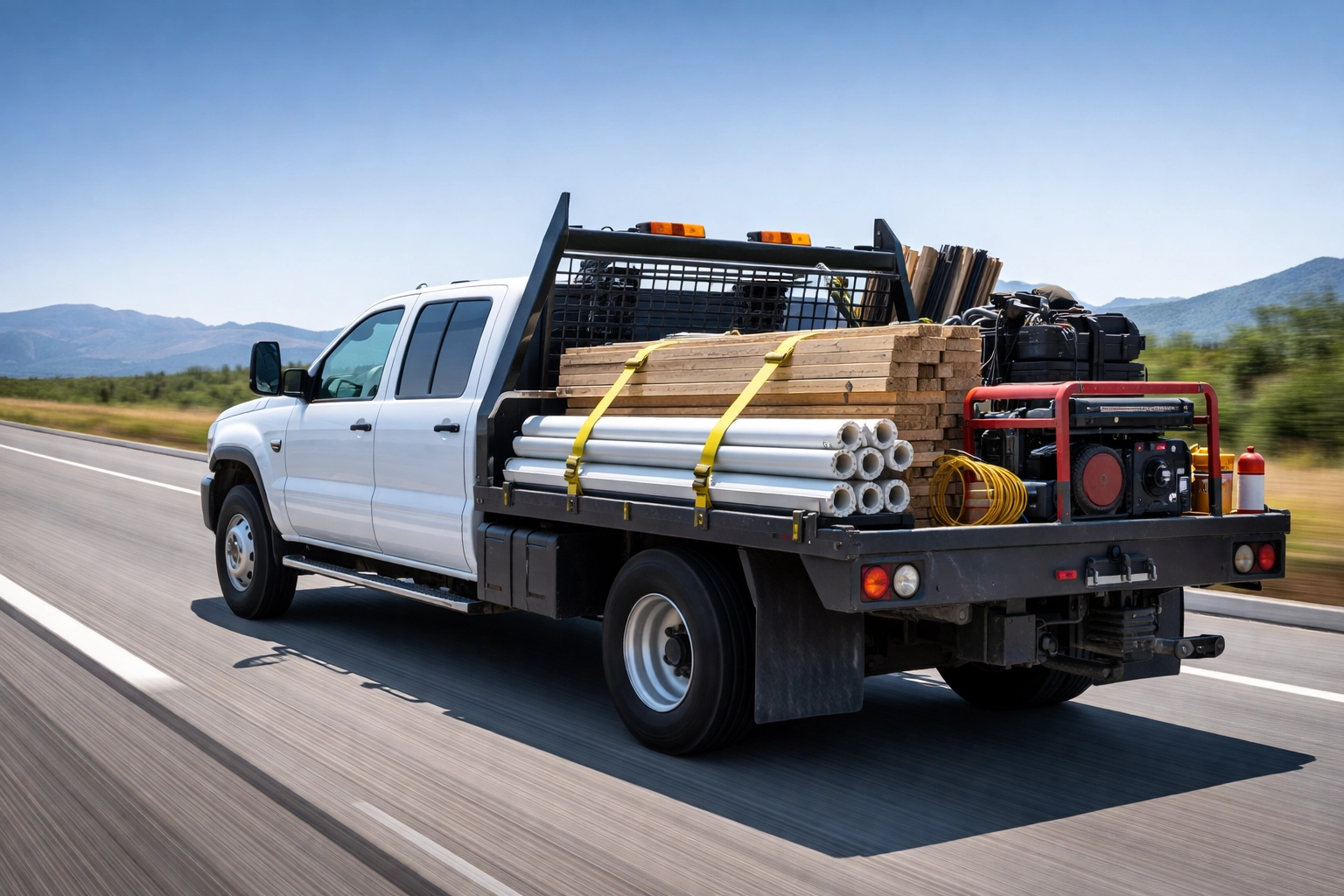
Contractors rely on vehicles daily. Work trucks, vans, and trailers transport crews, tools, and materials across town and between jobsites.
Coverage Components
Commercial auto insurance for contractors includes:
Liability coverage – Protects against injuries and property damage you cause to others
Physical damage coverage – Covers repair or replacement of your vehicles
Uninsured/underinsured motorist coverage – Protects you when at-fault drivers lack adequate insurance
Hired and non-owned auto coverage – Addresses vehicles you rent or employee-owned vehicles used for work
Personal auto policies do not cover vehicles used for business purposes. Contractors must carry commercial auto insurance to ensure proper protection.
Workers' Compensation Insurance
Workers' compensation insurance provides benefits to employees injured on the job. This coverage addresses medical treatment, rehabilitation, and lost wages resulting from work-related injuries or illnesses.
Why It Matters
Construction work ranks among the most hazardous industries. Falls, equipment accidents, repetitive motion injuries, and exposure to harmful materials create ongoing risk for your crew.
Workers' compensation coverage:
Ensures injured employees receive proper medical care
Protects your business from lawsuits related to workplace injuries
Satisfies legal requirements in most states
Contractors in FL, TX, AZ, ID, and WA must understand their state's workers' compensation requirements and maintain compliant coverage.
Professional Liability Insurance
Professional liability insurance, also called errors and omissions coverage, protects contractors who provide design, consulting, or project management services.
What It Covers
Design errors that require costly corrections
Project delays caused by your oversight
Failure to meet project specifications
Missed deadlines that result in client losses
Who Should Carry It
Design-build contractors, construction managers, and any contractor offering professional services beyond physical labor should consider professional liability coverage. This policy addresses exposures that general liability does not cover.

Bundling Coverage for Comprehensive Protection
Individual policies address individual risks. Bundling multiple coverages into a comprehensive contractor insurance program ensures no gaps exist in your protection.
A typical contractor insurance bundle includes:
Coverage Type | Primary Protection |
General Liability | Third-party injury and property damage |
Tools and Equipment | Owned tools and instruments |
Inland Marine | Property in transit or at third-party locations |
Builder's Risk | Structures under construction |
Commercial Auto | Work vehicles |
Workers' Compensation | Employee injuries |
Professional Liability | Design and consulting errors |
Working with an experienced agent helps you identify the specific coverages your business needs based on your trade, project types, and contract requirements.
Compliance and Contract Requirements
Many general contractors, property owners, and government agencies require subcontractors to carry specific coverage types and limits before starting work.
Common contract requirements include:
Minimum general liability limits (often $1,000,000 per occurrence)
Additional insured endorsements naming the project owner or general contractor
Waiver of subrogation endorsements
Certificate of insurance on file before mobilization
Maintaining proper coverage and providing certificates promptly keeps your business eligible for contracts and demonstrates professionalism to clients.
Get the Right Contractor Insurance for Your Business
Contractors face risks that demand specialized coverage. General liability, tools and equipment insurance, inland marine, builder's risk, commercial auto, workers' compensation, and professional liability each address specific exposures your business encounters daily.
Insurance Alliance LLC helps contractors in FL, TX, AZ, ID, and WA build comprehensive insurance programs tailored to their operations. Contact our team to review your current coverage and identify any gaps in protection.
Insurance Alliance LLC Serving contractors across Florida, Texas, Arizona, Idaho, and Washington.

Comments