
Smoothie Shop Insurance: What You Should Know Before Opening
- marketing676641
- Nov 27, 2025
- 5 min read
Opening a smoothie shop requires comprehensive insurance protection to safeguard your business investment. Smoothie shops face unique operational risks that demand specialized coverage beyond standard business insurance policies. Understanding these insurance requirements before you open helps ensure proper protection from day one.
Understanding Smoothie Shop Risk Exposures
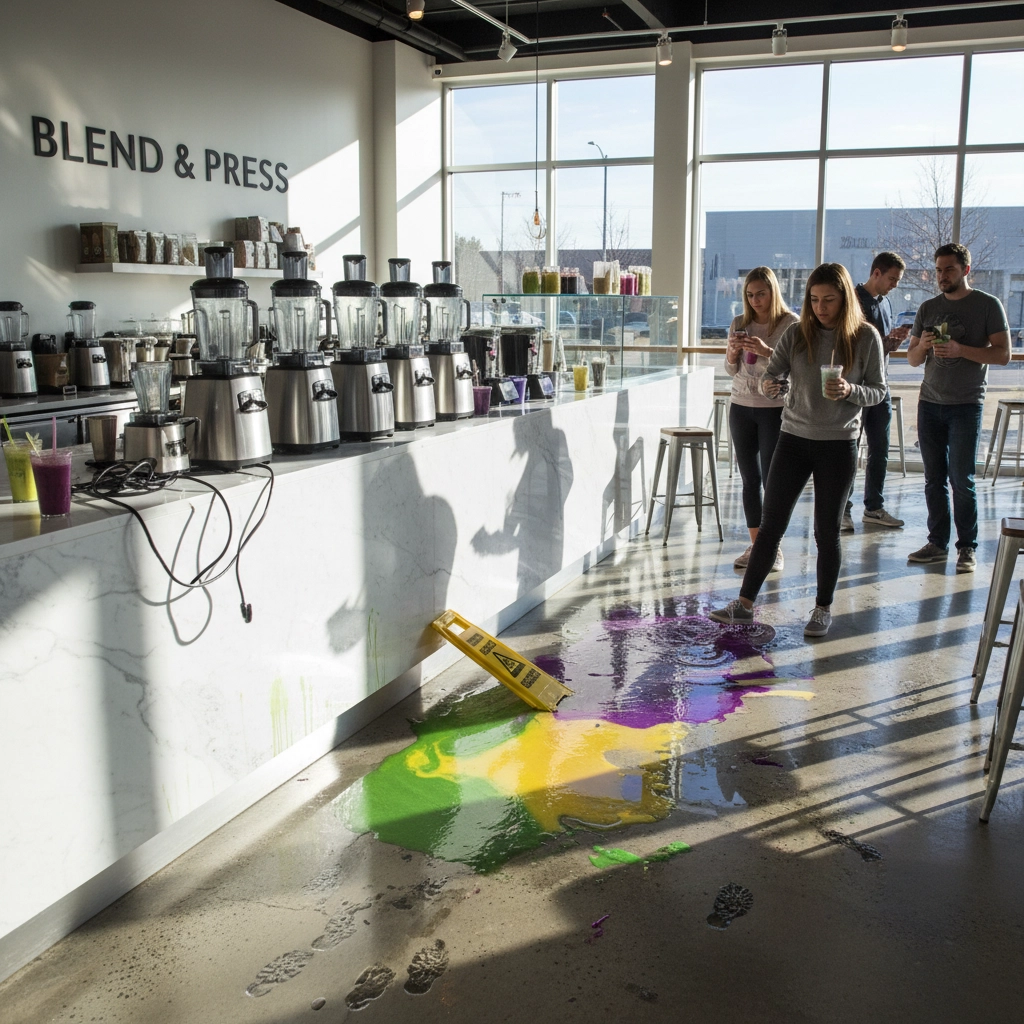
Smoothie shops encounter multiple liability exposures that can result in significant financial losses. Customer slip-and-fall accidents represent a primary concern, particularly when floors become wet from spilled beverages or melted ice. These incidents can lead to serious injury claims and expensive medical costs.
Product liability risks emerge from serving food and beverages to the public. Allergic reactions to ingredients, foodborne illnesses, or contamination issues can trigger lawsuits and regulatory actions. Unmarked allergens or cross-contamination between ingredients creates additional exposure to liability claims.
Equipment-related injuries pose another significant risk. Sharp blender blades, heavy lifting requirements, and electrical equipment create potential for employee injuries. Customer injuries can also occur from malfunctioning equipment or inadequately maintained machinery.
Property damage risks include equipment breakdown, power outages affecting refrigeration, and water damage from plumbing issues. Lightning strikes or electrical surges can damage expensive blending equipment and refrigeration systems. Spoilage of perishable inventory represents a constant financial threat.
Essential Insurance Coverage Types
General Liability Insurance forms the foundation of smoothie shop protection. This coverage addresses bodily injury claims when customers or visitors suffer accidents on your premises. Property damage protection covers situations where your business operations cause damage to others' property. Product liability protection specifically covers claims arising from the beverages and food products you serve.
General liability insurance includes medical payments coverage for minor injuries that occur on your premises, regardless of fault. Legal defense coverage handles attorney fees and court costs when liability claims arise. This protection extends to advertising injury claims related to your marketing activities.
Business Owner's Policy (BOP) combines general liability with commercial property insurance in a single package. This comprehensive approach provides better coverage coordination and typically offers more favorable terms than purchasing separate policies. BOP coverage includes business interruption protection that replaces lost income when covered events force temporary closure.
Commercial Property Insurance protects your physical business assets including equipment, inventory, furniture, and fixtures. This coverage extends to loss of business personal property from fire, theft, vandalism, and weather-related damage. Specialized equipment coverage ensures adequate protection for expensive blending and refrigeration equipment.
Building coverage protects your investment if you own your commercial space. Tenant improvements and betterments coverage protects modifications you make to leased space. Additional living expenses coverage helps with temporary relocation costs when your primary location becomes unusable.
Workers' Compensation Insurance becomes legally required when you hire employees. This coverage provides medical benefits and wage replacement for work-related injuries or illnesses. Workers' compensation protects your business from employee injury lawsuits while ensuring injured workers receive proper medical care.
Return-to-work programs included in workers' compensation coverage help injured employees transition back to productive work. This reduces claim costs and maintains workforce continuity. Coverage extends to occupational illnesses that develop over time from workplace exposures.
Specialized Coverage Considerations
Product Liability Insurance requires particular attention for smoothie shop operations. This coverage protects against claims arising from contaminated ingredients, allergic reactions, or other product-related health issues. Coverage includes defense costs for regulatory investigations and product recall expenses.
Extended product liability coverage addresses situations involving ingredient suppliers or product manufacturers. This protection becomes crucial when claims involve ingredients sourced from multiple suppliers or pre-packaged products you serve.
Equipment Breakdown Insurance specifically addresses mechanical failures in essential business equipment. This coverage includes repair or replacement costs for blenders, refrigeration units, ice machines, and other critical equipment. Spoilage coverage protects inventory that becomes unusable due to equipment failures.
Expediting expense coverage helps minimize business interruption by covering additional costs to expedite equipment repairs or replacements. This protection reduces downtime and maintains customer service continuity.
Cyber Liability Insurance protects against data breaches involving customer payment information and personal data. Point-of-sale systems and customer databases create cyber risk exposures that require specialized protection. Coverage includes notification costs, credit monitoring services, and regulatory fines.
Employment Practices Liability Insurance protects against claims from employees or job applicants involving discrimination, harassment, or wrongful termination. This coverage becomes increasingly important as your workforce grows and workplace regulations evolve.
Business Interruption and Income Protection
Business interruption insurance replaces lost income when covered events force temporary closure or reduce your ability to operate. This protection extends beyond property damage to include situations where government authorities restrict access to your location or suppliers cannot deliver essential ingredients.
Extended period of indemnity coverage continues income replacement during the restoration period after you reopen. This addresses situations where customer traffic remains reduced while you rebuild your customer base. Loss of business income calculations consider your historical financial performance and projected growth.
Civil authority coverage provides protection when government actions prevent customer access to your location. This coverage proved essential during pandemic-related shutdowns and continues to address various emergency situations that restrict business operations.
Commercial Auto Insurance Needs
Delivery operations require commercial auto insurance for any vehicles used in business operations. This coverage protects against liability claims arising from vehicle accidents during deliveries or business-related travel. Hired and non-owned auto coverage addresses situations where employees use personal vehicles for business purposes.
Commercial auto coverage includes comprehensive and collision protection for business-owned vehicles. Medical payments coverage provides immediate medical benefits for accident victims regardless of fault determination. Uninsured motorist coverage protects against accidents involving drivers without adequate insurance.
Regulatory Compliance and Licensing
Food service licensing requirements create specific insurance obligations that vary by jurisdiction. Health department regulations often specify minimum liability coverage levels for food establishments. Building permits and occupancy certificates may require proof of adequate insurance coverage.
Professional licensing for food service operations may mandate specific coverage types or minimum limits. Workers' compensation requirements activate when employee count reaches specified thresholds. Understanding these requirements before opening prevents delays in licensing and permit approval.
Getting Proper Coverage
Insurance Alliance LLC specializes in smoothie shop insurance across Florida, Texas, Arizona, Idaho, and Washington. Our expertise in food service operations helps identify coverage gaps and ensures comprehensive protection for your specific business model.
Multi-carrier relationships provide access to specialized food service insurers with experience in smoothie shop risks. This approach delivers competitive coverage options tailored to your operational requirements and risk profile.
Professional risk assessment identifies exposures specific to your location, equipment, and operational procedures. This comprehensive evaluation ensures adequate coverage limits and appropriate policy features for your business needs.
Regular coverage reviews address changes in your business operations, equipment additions, and evolving risk exposures. This ongoing support maintains optimal protection as your smoothie shop grows and develops.
Contact Insurance Alliance LLC to discuss your smoothie shop insurance requirements and secure comprehensive protection before you open your doors. Our specialized expertise ensures proper coverage for your food service operations across multiple states.
Comments