
Single Family Rental Insurance: Protect Your Investment
- marketing676641
- Nov 5, 2025
- 5 min read
Single family rental insurance provides specialized protection for landlords who rent residential properties to tenants. This coverage differs significantly from standard homeowners insurance, addressing the unique risks property owners face when operating rental businesses.
Property owners require insurance solutions that protect against tenant-related damages, liability claims, and income loss. Single family rental policies deliver comprehensive coverage designed specifically for investment properties and rental operations.
Why Standard Homeowners Insurance Falls Short
Homeowners insurance policies exclude coverage for rental activities and business operations. These policies assume owner occupancy and personal use, leaving significant gaps in protection for rental properties.
Landlords face liability exposures that owner-occupied properties do not encounter. Tenant injuries, property damage claims, and discrimination lawsuits require specialized coverage provisions found only in rental property insurance policies.
Standard homeowners policies typically exclude loss of rental income protection. When covered events make properties uninhabitable, landlords lose monthly rental payments while continuing to pay mortgages, taxes, and maintenance costs.
Core Coverage Components
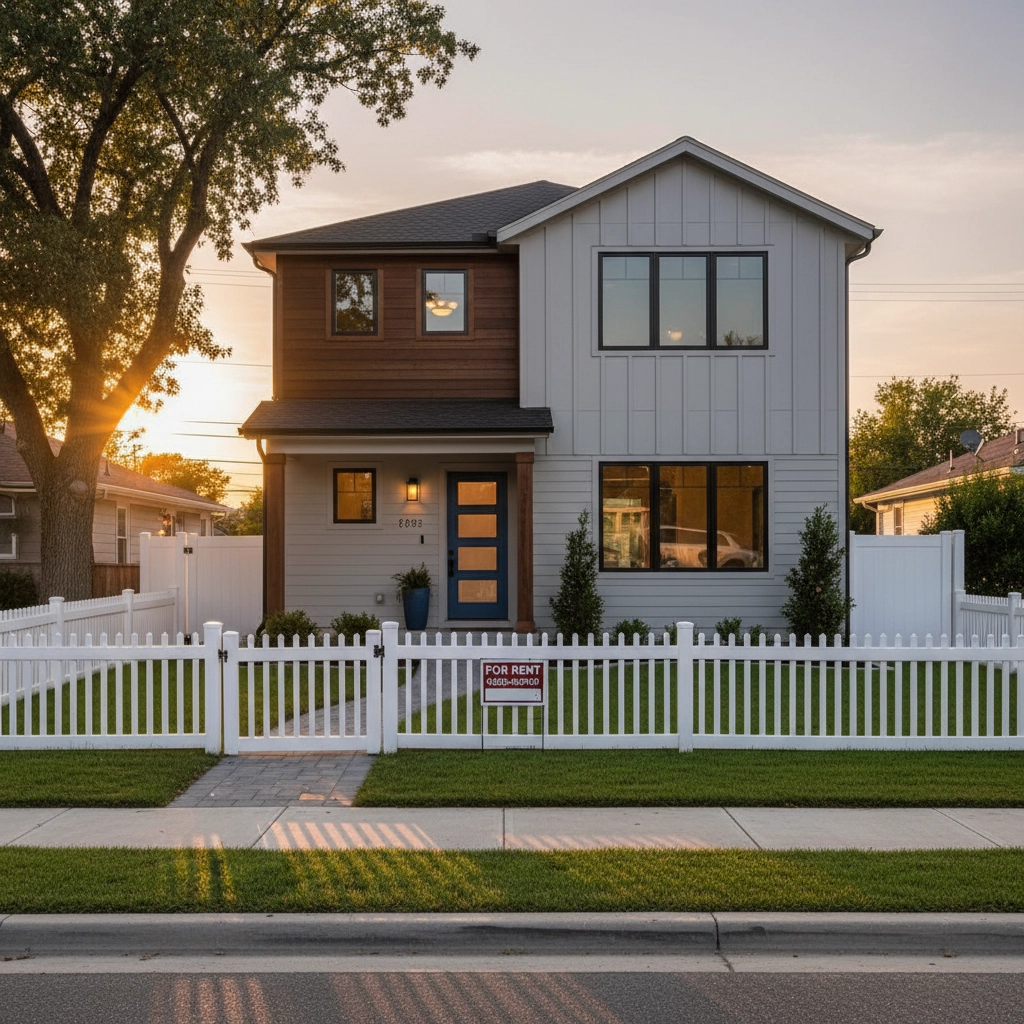
Dwelling Protection covers the physical structure against fire, wind, hail, lightning, and other covered perils. This protection extends to attached structures like garages, porches, and built-in appliances that remain with the property.
Other Structures Coverage protects detached buildings on the property including storage sheds, fences, and standalone garages. This coverage typically represents a percentage of the dwelling coverage amount.
Personal Property Protection covers landlord-owned items used by tenants such as appliances, furniture in common areas, maintenance equipment, and landscaping tools. This coverage does not extend to tenant belongings.
Liability Coverage protects against lawsuits and claims when tenants or visitors suffer injuries on the rental property. This protection includes legal defense costs and settlement payments up to policy limits.
Loss of Rents Coverage compensates landlords for rental income lost when covered events make properties uninhabitable. This protection continues until repairs are completed or the policy term expires.
Understanding Policy Forms
DP-1 Basic Form provides named perils coverage for dwelling and other structures. This basic protection covers fire, lightning, windstorm, hail, explosion, riot, aircraft, vehicles, smoke, vandalism, theft, and volcanic eruption.
DP-2 Broad Form expands coverage to include additional perils such as falling objects, weight of ice and snow, water damage from plumbing systems, and electrical surge damage. This form offers broader protection than DP-1 policies.
DP-3 Special Form delivers open perils coverage for dwelling and other structures, protecting against all risks except those specifically excluded. This comprehensive form provides maximum protection for rental property investments.
Optional Coverage Enhancements
Ordinance and Law Coverage pays additional costs when local building codes require upgrades during repairs or reconstruction. This protection covers expenses beyond standard repair costs when older properties must meet current building standards.
Equipment Breakdown Coverage protects against mechanical failures of heating systems, air conditioning units, electrical panels, and water heaters. This coverage handles repair costs and additional living expenses for displaced tenants.
Umbrella Liability Protection extends liability limits beyond base policy amounts, providing additional protection against large claims and lawsuits. This coverage proves essential for landlords managing multiple properties or high-value assets.
Fair Rental Value Enhancement increases loss of rents coverage periods and amounts, ensuring adequate income replacement during extended repair periods. This protection addresses inflation and market rent increases.
Common Claims Scenarios
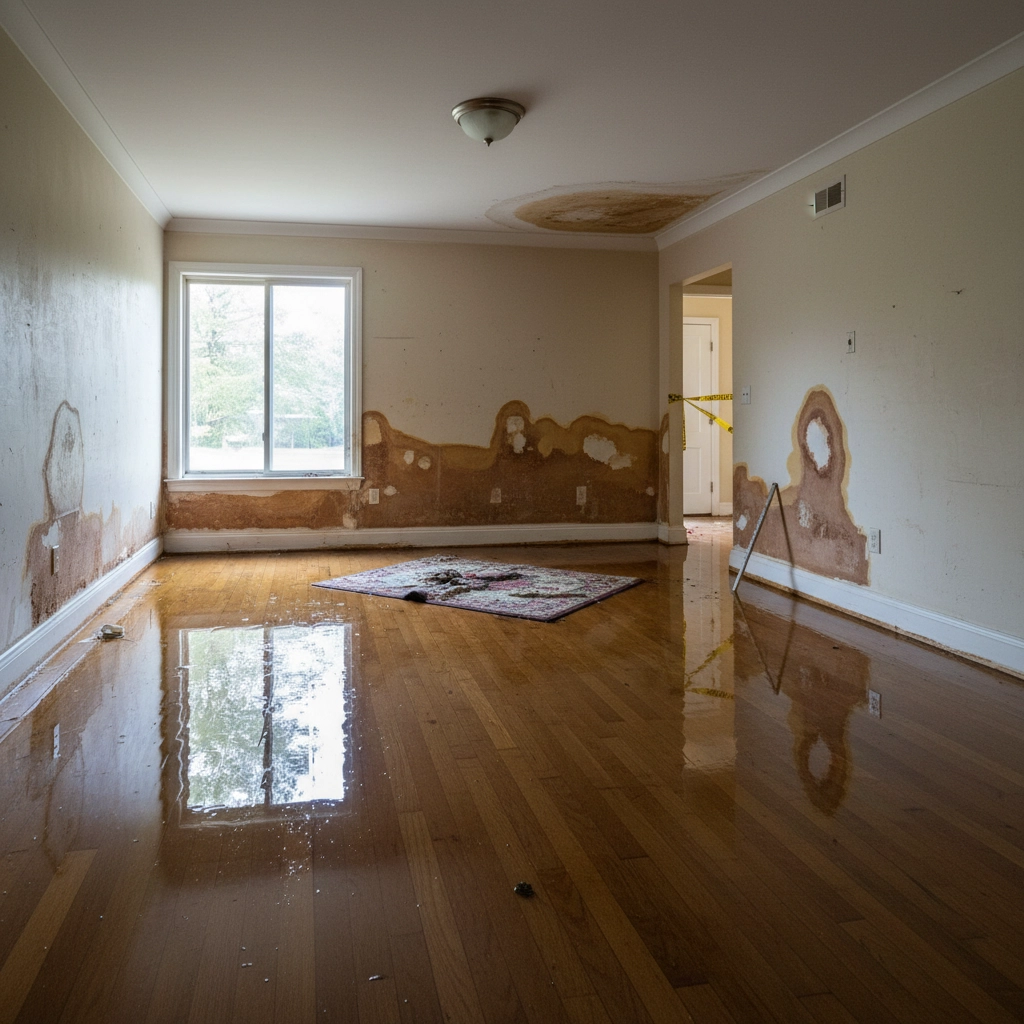
Water damage represents the most frequent rental property claim type. Burst pipes, leaking appliances, and plumbing failures can cause extensive structural damage and require tenant relocation during repairs.
Fire damage claims often involve kitchen fires, electrical problems, and heating system malfunctions. These events typically require complete tenant displacement and extensive property restoration work.
Theft and vandalism claims occur when tenants or unauthorized individuals damage property or steal landlord-owned items. These claims can involve broken windows, damaged doors, stolen appliances, and interior vandalism.
Liability claims arise from slip and fall accidents, inadequate property maintenance, and tenant injuries. These claims can result in medical expenses, legal fees, and significant settlement payments.

Property Owner Value Proposition
Single family rental insurance protects real estate investments against financial losses that could threaten property ownership. Without adequate coverage, single large claims can eliminate years of rental income and require significant out-of-pocket expenses.
Professional property management becomes more effective with comprehensive insurance protection. Landlords can focus on tenant relations and property improvements knowing insurance coverage handles unexpected losses and liability exposures.
Lender requirements often mandate specific insurance coverage amounts and types for financed rental properties. Proper coverage ensures compliance with mortgage requirements and protects lender interests in the property.
Tax benefits associated with rental property insurance premiums provide additional value for property owners. Insurance costs qualify as deductible business expenses, reducing overall tax obligations.
Coverage Customization Options
Landlords can adjust deductible amounts to balance premium costs with out-of-pocket expenses. Higher deductibles reduce premium costs while increasing claim expenses, allowing customization based on financial preferences.
Coverage limits can be increased beyond standard amounts to provide enhanced protection for high-value properties or areas with elevated claim risks. Additional protection ensures adequate coverage for complete property restoration.
Geographic location influences coverage needs and available options. Properties in coastal areas require windstorm protection, while earthquake-prone regions need seismic coverage enhancements.
Property age and construction type affect coverage requirements and pricing. Older properties may need additional coverage for building code upgrades, while newer constructions may qualify for protective device discounts.
Risk Management Benefits
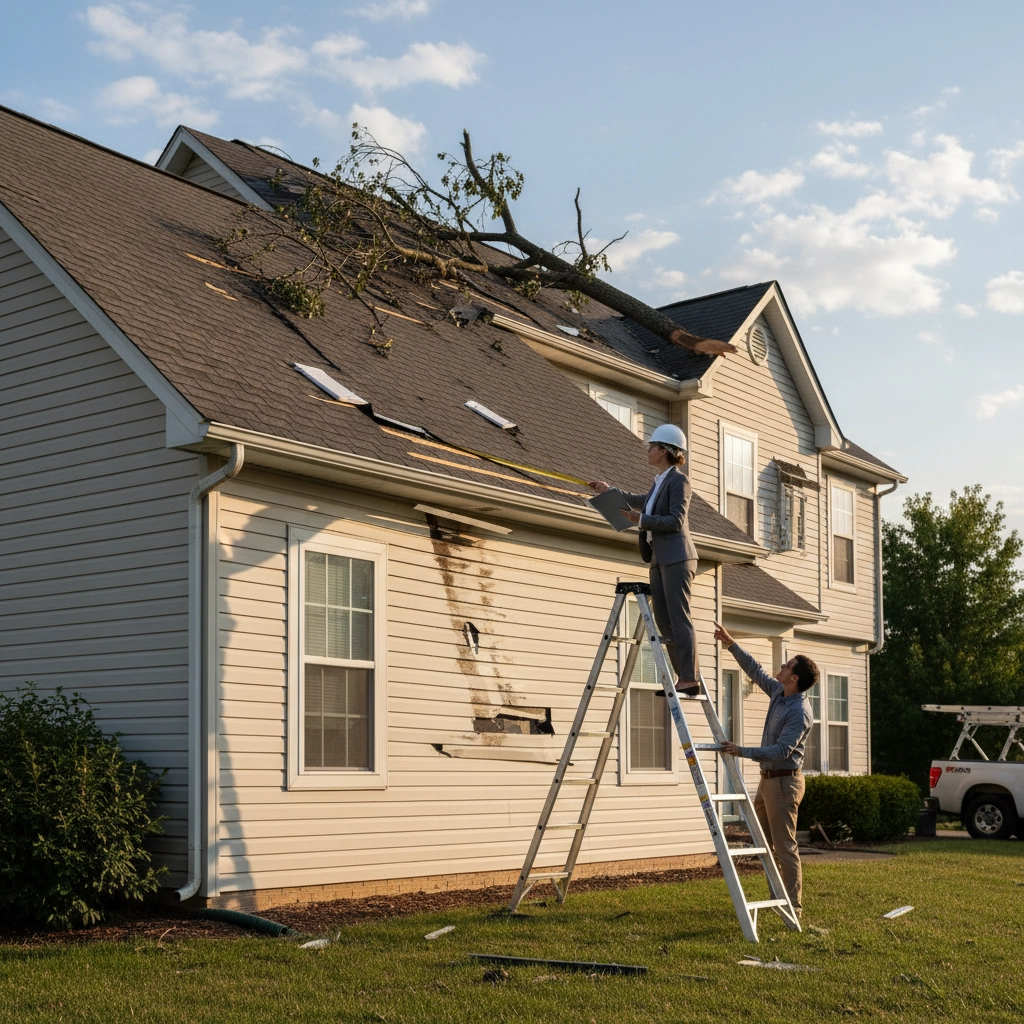
Regular property inspections become more effective when combined with insurance protection. Coverage provides financial backing for necessary repairs identified during inspections, maintaining property conditions and tenant satisfaction.
Tenant screening processes gain additional protection through liability coverage that addresses issues arising from tenant selection decisions. Insurance protection complements thorough screening procedures.
Emergency response capabilities improve with insurance coverage that includes temporary housing assistance and immediate repair funding. Quick response prevents minor issues from becoming major problems.
Documentation requirements for insurance claims encourage better record keeping practices. Detailed property records, maintenance logs, and tenant communications support both insurance claims and overall property management.
Professional Support Services
Insurance Alliance LLC provides specialized expertise in rental property protection across multiple states. Our team understands the unique challenges landlords face and delivers customized insurance solutions.
Claims assistance services help navigate the complex process of documenting losses, working with adjusters, and obtaining prompt settlements. Professional support ensures maximum claim recovery and minimal disruption.
Risk assessment services identify potential exposures and recommend appropriate coverage enhancements. Regular policy reviews ensure coverage keeps pace with property improvements and market changes.
Regulatory compliance support addresses local requirements and industry standards affecting rental property operations. Professional guidance helps maintain compliance while optimizing insurance protection.
Single family rental insurance represents essential protection for property investment success. Comprehensive coverage protects against financial losses while supporting professional property management operations. Insurance Alliance LLC delivers specialized expertise and customized solutions for landlords operating in today's rental market.
Comments