
Roofing Contractor Insurance: Protect Your Crew and Business in 2025
- marketing676641
- Oct 14, 2025
- 4 min read
Roofing contractors face the highest injury rates and insurance claims in the construction industry. Your business operates at dangerous heights while handling heavy materials and expensive equipment. Comprehensive insurance coverage protects your workers, business assets, and financial stability.
Why Roofing Insurance Costs More Than Other Trades
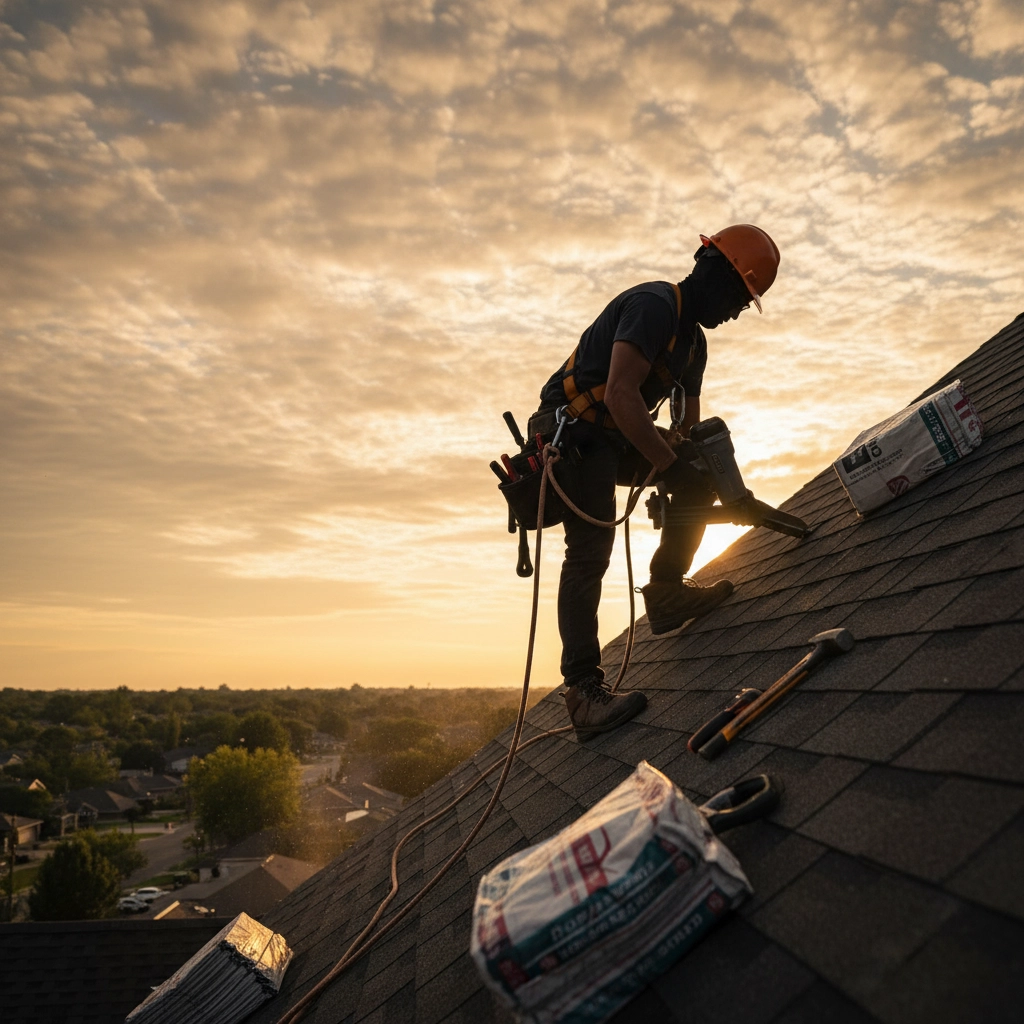
Insurance carriers classify roofing as one of the most hazardous construction trades. The Bureau of Labor Statistics reports roofing contractors experience injury rates three times higher than the construction industry average. Height-related accidents, equipment failures, and weather exposure create constant liability risks.
Claims frequency drives premium costs higher for roofing contractors. Weather damage, slip and fall accidents, and property damage claims occur more frequently than other construction specialties. Insurance companies adjust pricing to reflect these elevated risk factors.
Essential Insurance Coverage Types
General Liability Insurance
General liability insurance covers third-party bodily injury and property damage claims. This coverage protects your business when roofing materials fall and damage vehicles, when debris injures passersby, or when your work causes water damage to customer property.
Coverage limits typically range from $1 million to $2 million per occurrence. Higher-risk projects require umbrella policies extending coverage to $5 million or more. Completed operations coverage remains active after project completion, protecting against defective workmanship claims.
Workers' Compensation Insurance
Workers' compensation coverage is mandatory in most states once you hire employees. This insurance pays medical expenses, lost wages, and disability benefits when workers suffer job-related injuries. Roofing contractors face workers' compensation rates 2-3 times higher than other trades due to frequent claims.
Experience modification rates directly impact your premiums. Safety programs, regular training, and proper equipment reduce claims frequency and lower modification rates over time. Some states allow independent contractors to opt out of coverage, but this creates significant liability exposure.
Commercial Auto Insurance
Commercial auto insurance covers company vehicles, trailers, and equipment transport. Standard coverage includes liability, collision, comprehensive, and uninsured motorist protection. Roofing contractors need higher liability limits due to heavy truck operations and frequent job site travel.
Fleet policies provide better rates when covering multiple vehicles. Adding hired and non-owned auto coverage protects your business when employees use personal vehicles for work purposes.
Inland Marine Insurance (Tools and Equipment)
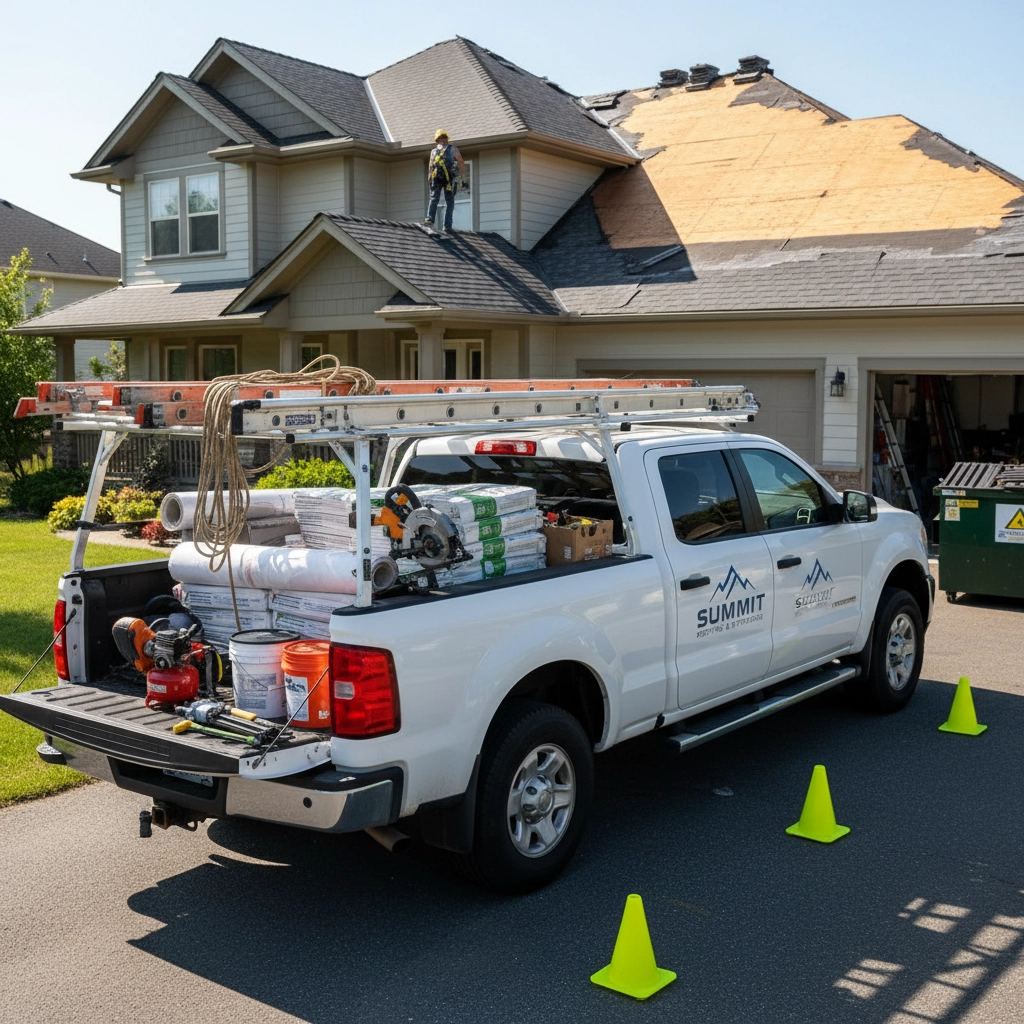
Inland marine insurance protects tools, equipment, and materials whether stored at your facility, transported to job sites, or temporarily stored at customer locations. Standard property insurance excludes coverage for tools and equipment away from your business premises.
Coverage includes theft, vandalism, fire, and weather damage. Scheduled coverage lists high-value items individually while blanket coverage provides aggregate limits for all tools and equipment. Consider replacement cost coverage rather than actual cash value to avoid depreciation penalties.
Professional Liability Insurance
Professional liability insurance covers errors and omissions in your roofing services. This coverage responds to claims alleging inadequate design, improper installation, or failure to meet building codes. Many commercial roofing contracts require professional liability coverage.
Coverage limits range from $1 million to $5 million depending on project size and client requirements. Some policies include prior acts coverage protecting against claims from previous work performed without coverage.
Specialty Coverage Considerations
Contractor's Pollution Liability
Roofing work involving asbestos removal, lead paint disturbance, or chemical applications requires pollution liability coverage. Standard general liability policies exclude pollution-related claims. This coverage protects against cleanup costs and third-party injury claims from environmental contamination.
Cyber Liability Insurance
Digital operations create cyber security risks. Customer payment information, employee records, and business communications face constant threat from data breaches and cyber attacks. Cyber liability insurance covers notification costs, credit monitoring, and legal expenses following data breaches.

Risk Management Strategies
Safety Program Implementation
Comprehensive safety programs reduce claims frequency and demonstrate risk management commitment to insurance carriers. Regular safety training, equipment inspections, and incident reporting create documented safety cultures that positively impact premium calculations.
OSHA compliance training reduces workplace injuries and potential violations. Fall protection systems, proper ladder usage, and weather awareness training address common roofing hazards. Safety incentive programs encourage worker participation in risk reduction efforts.
Claims Management
Quick claims reporting minimizes damage and demonstrates proactive risk management. Establish relationships with preferred restoration vendors and legal counsel before claims occur. Document incidents thoroughly with photographs, witness statements, and detailed reports.
Claims-free periods earn premium discounts through experience rating improvements. Some carriers offer claims forgiveness programs for contractors with strong safety records and proactive risk management practices.
Coverage Limits and Industry Standards
Minimum Coverage Requirements
Most commercial roofing contracts require $1 million general liability coverage with $2 million aggregate limits. Government contracts often mandate $5 million umbrella coverage. Workers' compensation coverage must meet state-specific requirements with no optional deductibles.
Commercial auto liability limits typically start at $1 million for contractors operating heavy trucks and equipment trailers. Higher limits protect against catastrophic accident claims involving multiple vehicles or severe injuries.
Additional Insured Requirements
General contractors and property owners frequently require additional insured status on your liability policies. This coverage extends your insurance protection to these parties for claims arising from your work. Verify that your policies include blanket additional insured endorsements covering all contracts requiring such coverage.
Cost Factors and Premium Reduction
Experience Modification Rates
Workers' compensation experience modification rates significantly impact overall insurance costs. Rates below 1.0 indicate better-than-average safety performance while rates above 1.0 reflect higher claim frequency. Safety investments and claims management directly influence these ratings.
Coverage Bundling Benefits
Business owner's policies combine general liability and commercial property coverage at reduced premium costs. Package policies often include business interruption coverage protecting against lost income during covered property damage claims.
Premium Payment Options
Annual premium payments typically cost less than monthly installments due to financing charges. Some carriers offer pay-as-you-go workers' compensation programs based on actual payroll rather than estimated annual payroll, improving cash flow management.
Insurance Carrier Selection
Industry Specialization
Choose insurance carriers specializing in construction trades rather than general commercial insurers. Specialized carriers understand roofing risks and offer coverage enhancements unavailable through standard commercial policies. These carriers often provide risk management services and safety training resources.
Financial Strength Ratings
Review carrier financial strength ratings through A.M. Best, Standard & Poor's, or Moody's. A-rated or better carriers demonstrate financial stability necessary to pay claims promptly. Financially weak carriers may delay claim payments or become insolvent during major claim events.
Conclusion
Comprehensive insurance coverage protects roofing contractors from industry-specific risks while meeting contract requirements and regulatory obligations. Partner with experienced insurance professionals who understand construction industry risks and can design coverage programs addressing your specific business needs.
Insurance Alliance LLC provides specialized coverage solutions for Washington state roofing contractors. Our team understands local regulations and industry challenges facing roofing businesses throughout the Pacific Northwest.
Comments