
Restaurant Insurance Essentials: Protecting Your Business in FL, TX, AZ, ID, and WA
Restaurant owners across Florida, Texas, Arizona, Idaho, and Washington face unique risks that require comprehensive insurance protection. Operating a food service business exposes you to liability claims, property damage, employee injuries, and revenue losses that can devastate your financial stability without proper coverage.
Essential Restaurant Insurance Coverage Types
Business Owners Policy (BOP) for Restaurants
A Business Owners Policy combines general liability and commercial property insurance into one comprehensive package. Restaurant BOPs typically cost less than purchasing these coverages separately while providing essential protection for your business operations.
Your BOP covers property damage to kitchen equipment, dining furniture, and inventory from covered perils like fire, theft, or vandalism. The liability portion protects against customer injury claims and third-party property damage incidents that occur on your premises.
Restaurant BOPs in Florida, Texas, Arizona, Idaho, and Washington must account for regional risks. Florida restaurants need hurricane and flood considerations, while Arizona establishments require dust storm and extreme heat protections. Washington and Idaho restaurants should evaluate earthquake and wildfire coverage options.
General Liability Insurance Requirements
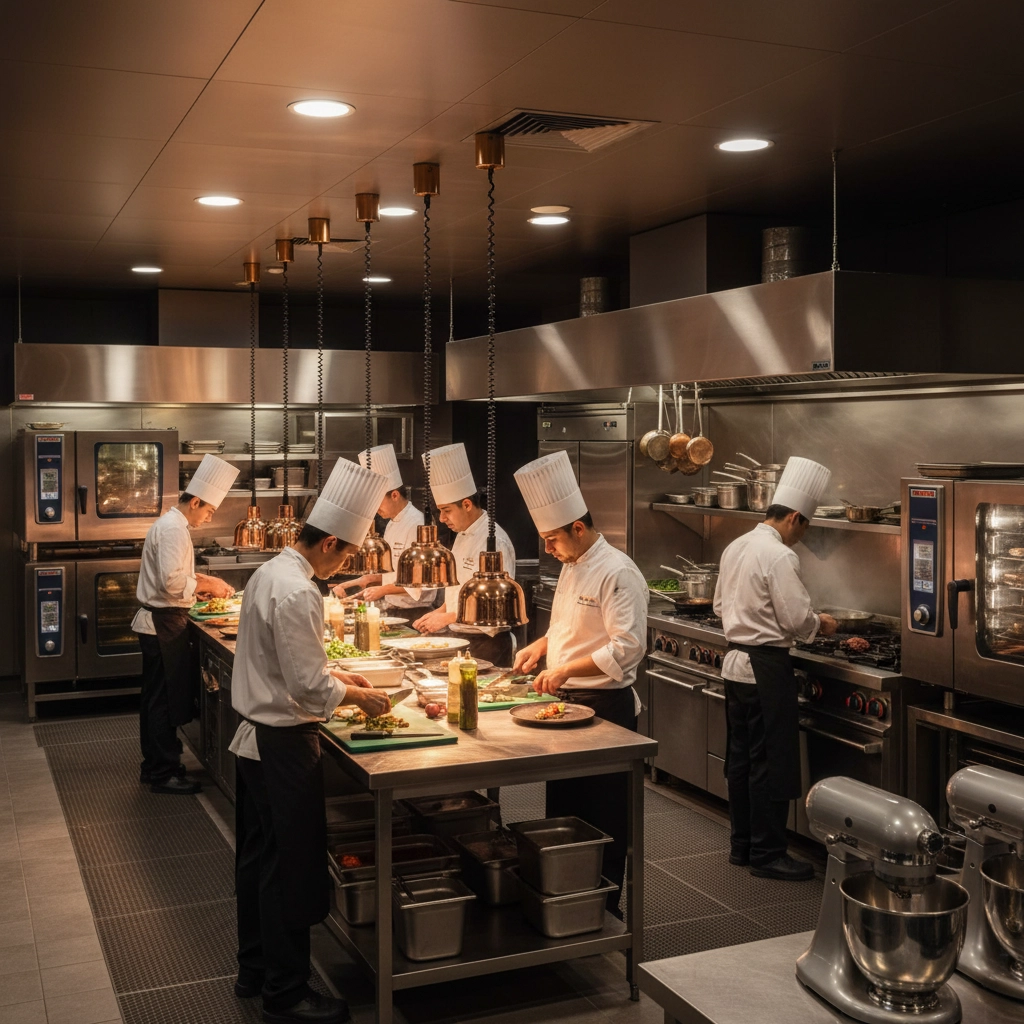
General liability insurance protects your restaurant from lawsuits involving customer injuries, property damage, and advertising claims. This coverage handles legal defense costs and settlements when customers slip on wet floors, suffer food poisoning, or experience other accidents on your property.
State requirements vary across your operating territories. Texas restaurants serving alcohol face stricter liability standards, while Florida establishments near beaches deal with increased slip-and-fall risks from wet conditions. Arizona restaurants must consider heat-related customer incidents during summer months.
Your general liability policy should include personal and advertising injury coverage, protecting against claims of libel, slander, or copyright infringement in your marketing materials.
Workers Compensation for Restaurant Staff
Workers compensation insurance is mandatory for restaurants with employees in Florida, Texas, Arizona, Idaho, and Washington. This coverage pays medical expenses and wage replacement for work-related injuries and illnesses affecting your staff.
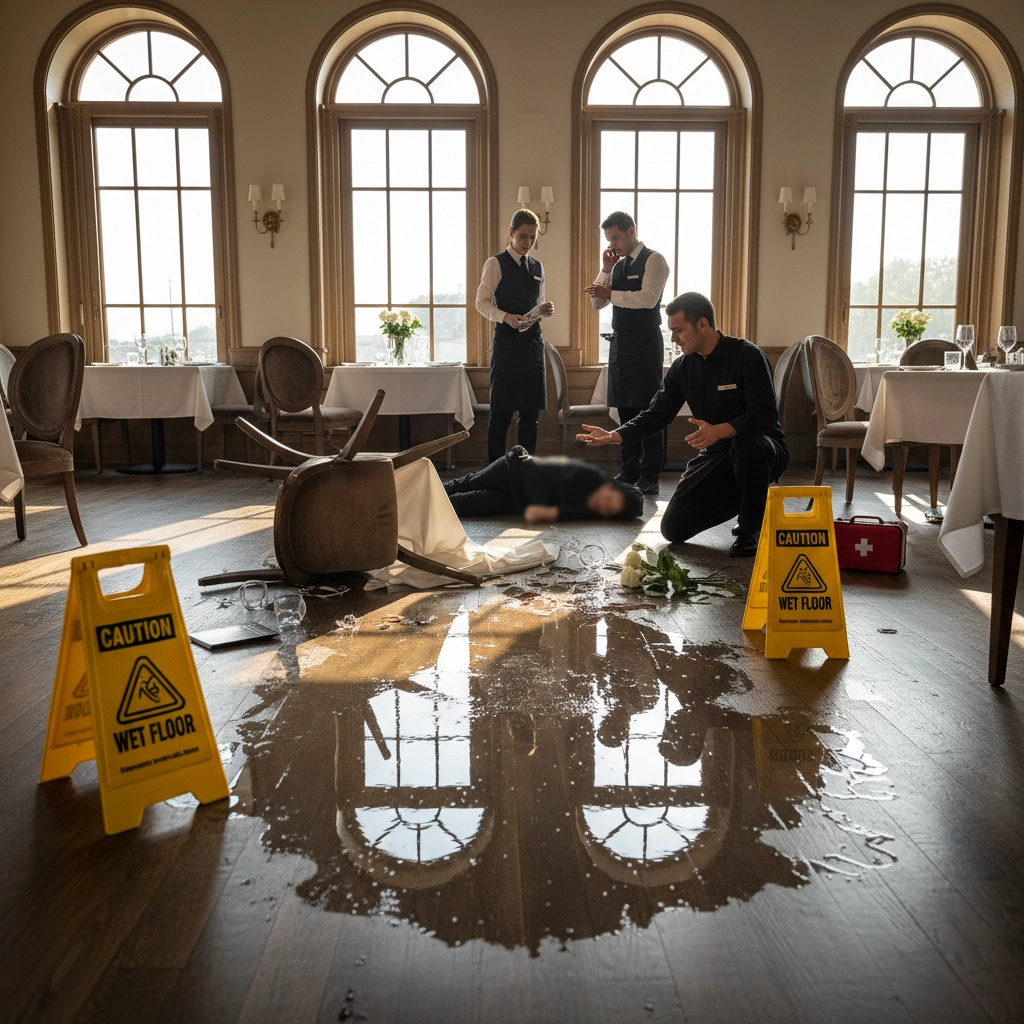
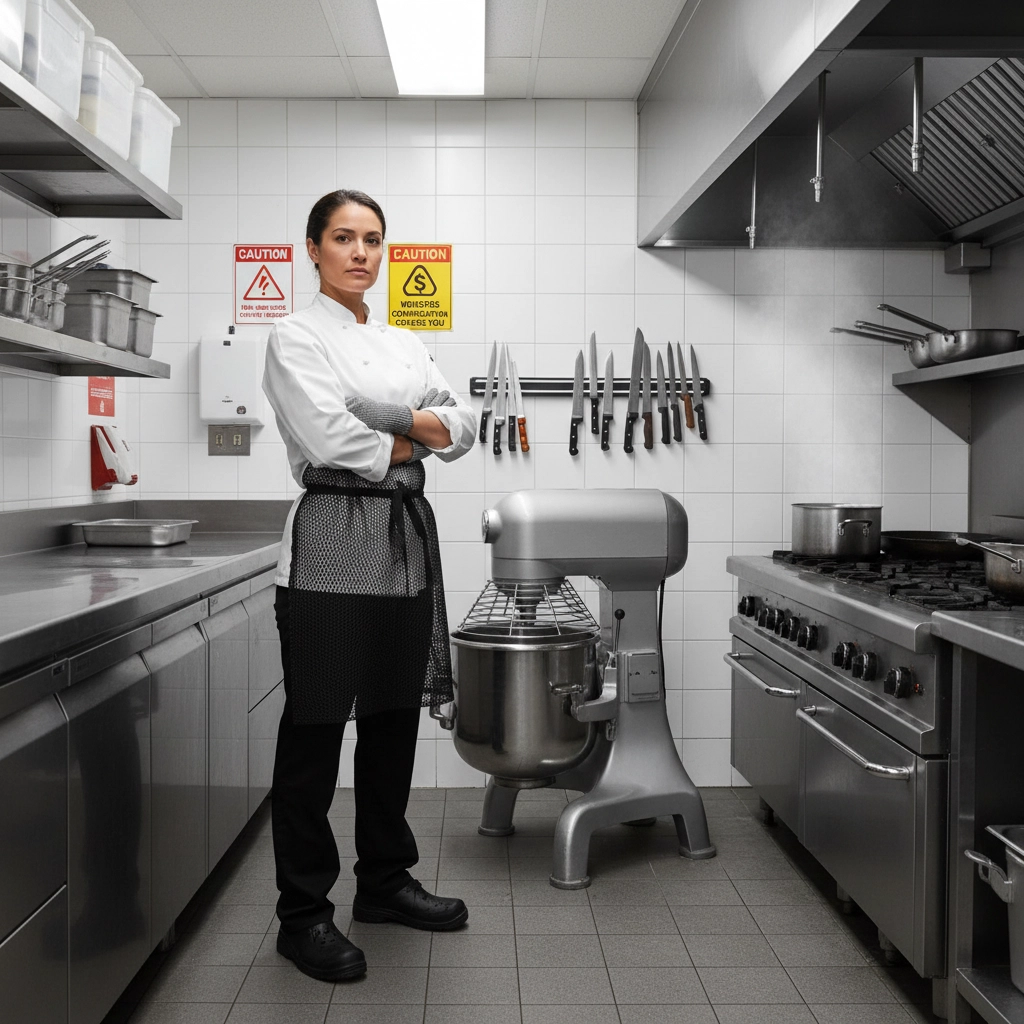
Restaurant workers face high injury rates from cuts, burns, slips, and repetitive motion injuries. Kitchen environments create additional hazards from hot surfaces, sharp equipment, and wet floors that increase workers compensation claims frequency.
Texas allows certain small restaurant owners to opt out of workers compensation, but this decision creates significant financial risk exposure. Florida, Arizona, Idaho, and Washington require coverage for all restaurant employees with limited exceptions for sole proprietors.
Liquor Liability Insurance Coverage
Restaurants serving alcohol need liquor liability insurance to protect against claims involving intoxicated patrons. This specialized coverage addresses lawsuits from alcohol-related accidents, over-serving incidents, and third-party property damage caused by intoxicated customers.
Liquor liability requirements vary significantly across states. Texas restaurants face strict liability standards for over-serving, while Florida establishments must comply with dram shop laws that hold businesses responsible for patron actions. Arizona, Idaho, and Washington each have unique regulations governing alcohol service and liability exposure.
Your liquor liability policy should complement, not replace, your general liability coverage. Many insurers offer liquor liability as an endorsement to existing policies or as standalone protection for restaurants with significant alcohol sales.
Commercial Property Insurance for Restaurants
Commercial property insurance protects your building, equipment, inventory, and business personal property from covered losses. Restaurant property coverage must account for specialized equipment like commercial ovens, refrigeration systems, and point-of-sale technology.
Equipment breakdown coverage is essential for restaurant operations. Kitchen equipment failures can shut down your business for days or weeks while repairs are completed. This coverage pays for equipment repair or replacement plus business income losses during downtime.
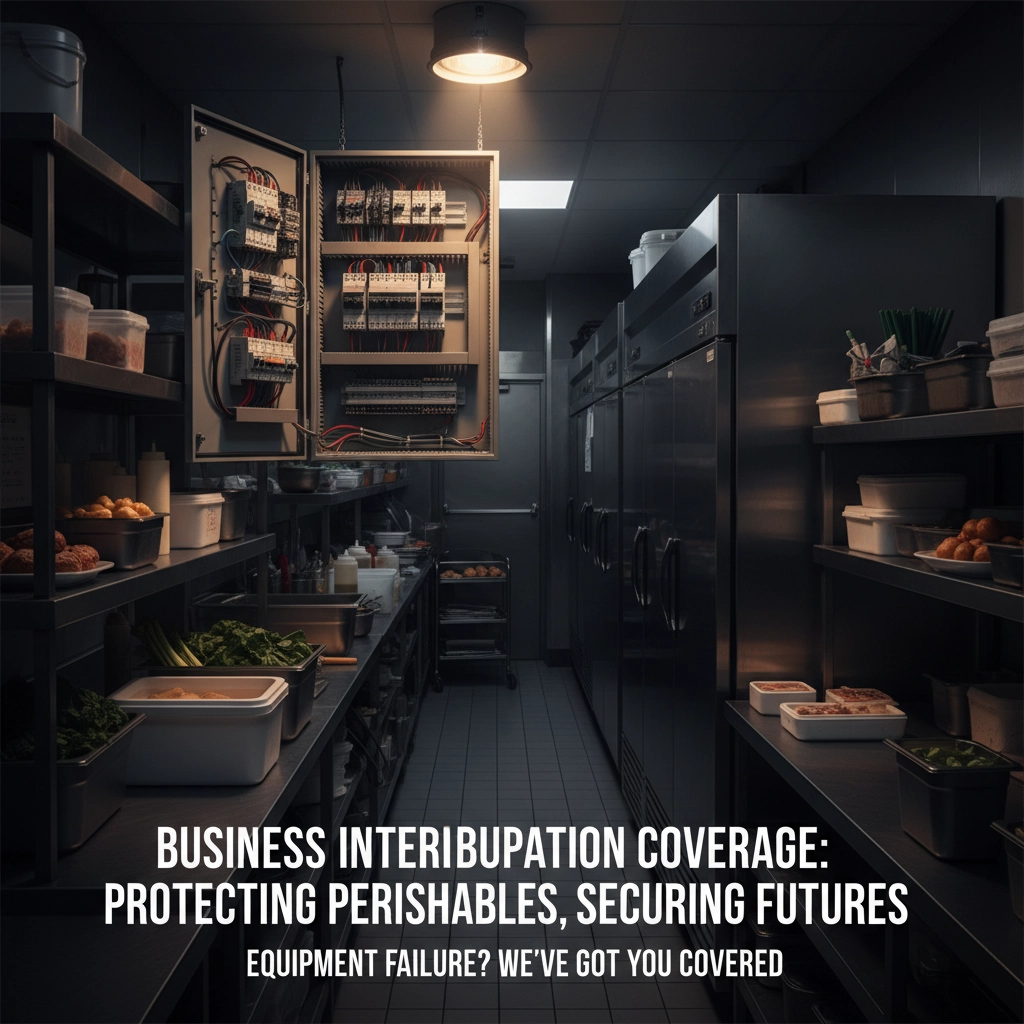
Food spoilage coverage protects perishable inventory when refrigeration systems fail or power outages occur. Restaurants typically carry thousands of dollars in food inventory that can spoil quickly without proper temperature control.
Business Interruption Insurance Benefits
Business interruption insurance pays for lost revenue and continuing expenses when covered events force your restaurant to close temporarily. This coverage helps maintain payroll, rent, and loan payments during repair periods following property damage.
Restaurant business interruption claims often involve kitchen fires, equipment failures, or weather-related closures. Coverage typically includes lost income calculations based on your historical financial records and projected future earnings.
Extended business interruption coverage protects against revenue losses that continue after you reopen. Restaurants may experience reduced customer traffic while rebuilding their reputation following temporary closures.
State-Specific Restaurant Insurance Considerations
Florida Restaurant Insurance Requirements
Florida restaurants must navigate hurricane seasons, flooding risks, and high tourism liability exposures. Windstorm coverage is essential for coastal establishments, while inland restaurants need flood insurance for kitchen equipment protection.
Florida workers compensation rates for restaurants reflect the state's injury frequency and medical cost trends. Proper safety training and hazard reduction programs can help control your workers compensation premiums.
Texas Restaurant Insurance Regulations
Texas restaurants benefit from competitive insurance markets but face unique liability exposures from alcohol service regulations. The state's dram shop laws create significant liability risks for establishments serving intoxicated patrons.
Commercial auto insurance requirements affect Texas restaurants offering delivery services. Your commercial auto policy must cover employee drivers and company-owned vehicles used for food delivery operations.
Arizona Restaurant Insurance Considerations
Arizona's extreme heat creates unique property risks for restaurant equipment and increased liability exposures for customer heat-related incidents. HVAC system failures can shut down operations and spoil inventory during peak summer temperatures.
Water damage coverage is crucial despite the desert climate, as Arizona restaurants face significant losses from plumbing failures and roof leaks during monsoon seasons.
Idaho Restaurant Insurance Needs
Idaho restaurants operate in diverse climates requiring flexible insurance protection. Mountain establishments need winter weather coverage, while agricultural area restaurants face different liability and property exposures.
Workers compensation costs in Idaho reflect the state's lower wage scales and medical costs compared to neighboring states. However, proper coverage remains essential for protecting your business and employees.
Washington Restaurant Insurance Requirements
Washington state restaurants must comply with strict workers compensation and disability insurance requirements. The state-operated workers compensation system provides coverage for most restaurant employees with specific rate classifications.
Earthquake coverage deserves consideration for Washington restaurants, particularly those in the Puget Sound region. Seismic activity can damage kitchen equipment and building structures, creating significant property losses.
Cyber Liability Insurance for Modern Restaurants
Restaurant cyber liability insurance protects against data breaches involving customer payment information, employee records, and business operations data. Point-of-sale systems and online ordering platforms create cyber risk exposures that traditional policies don't address.
Data breach response coverage pays for customer notification costs, credit monitoring services, and regulatory compliance expenses following cyber incidents. Business interruption coverage extends to cyber events that disrupt your operations or payment processing capabilities.
Employment Practices Liability Protection
Employment practices liability insurance protects restaurants from lawsuits involving discrimination, harassment, wrongful termination, and wage disputes. The restaurant industry's high turnover rates and diverse workforce create significant employment liability exposures.
Coverage includes defense costs and settlements for claims filed by current and former employees. This protection is particularly valuable for restaurants with management staff and complex scheduling requirements.
Insurance Cost Management Strategies
Restaurant insurance premiums reflect your specific risk profile, claims history, and coverage selections. Safety programs, employee training, and risk management practices can help reduce your insurance costs while improving workplace conditions.
Working with insurance professionals who understand restaurant operations helps identify coverage gaps and cost-saving opportunities. Annual policy reviews ensure your coverage keeps pace with business growth and changing risk exposures.
Bundling multiple coverage types with one insurer often produces premium savings compared to purchasing individual policies from different companies. However, coverage adequacy should take priority over cost considerations when protecting your restaurant investment.
Restaurant insurance protection requires careful analysis of your specific operations, location risks, and state requirements. Insurance Alliance LLC provides comprehensive restaurant insurance solutions tailored to businesses operating in Florida, Texas, Arizona, Idaho, and Washington, helping protect your investment and ensure business continuity.


Comments