
Recoop Disaster Insurance: What Is It and Who Needs It?
- marketing676641
- Nov 27, 2025
- 5 min read
Natural disasters strike without warning across the United States. Homeowners and renters often discover their standard insurance policies leave significant coverage gaps when disaster recovery begins. Recoop Disaster Insurance addresses these gaps with the first and only multi-peril disaster insurance product available to consumers.
This innovative coverage pays a lump-sum cash benefit up to $25,000 after qualifying natural disasters. The product fills critical holes in traditional homeowners and renters insurance policies that can leave property owners facing substantial out-of-pocket expenses during recovery.
Understanding Recoop Coverage
Recoop provides protection against multiple types of natural disasters that frequently impact properties across Florida, Texas, Arizona, Idaho, and Washington. The coverage includes hurricanes with storm surge, wildfires, tornadoes, earthquakes, gas explosions, winter storms, and dust storms.
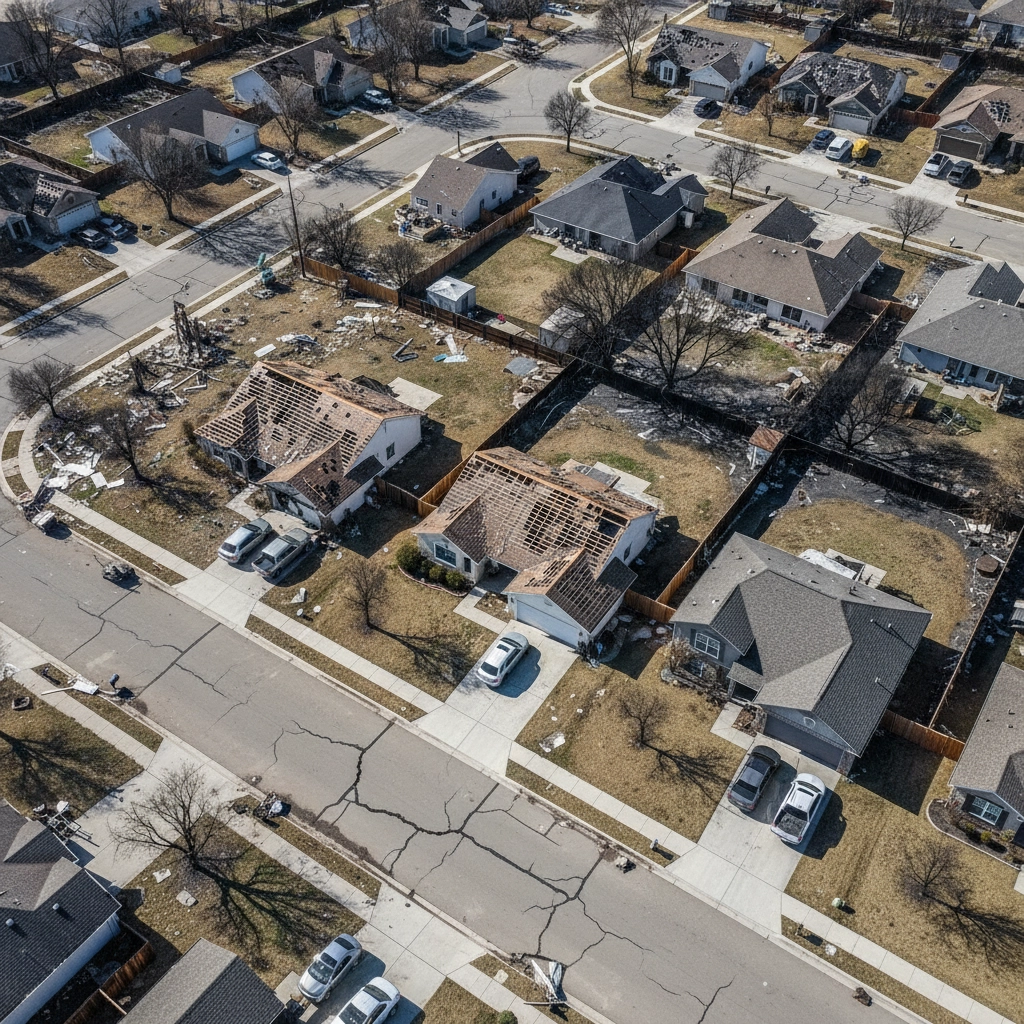
Standard homeowners insurance policies typically exclude earthquake coverage and hurricane storm surge protection. Many policies also cap replacement coverage based on insured value rather than actual replacement costs. Property owners can face covering up to 20% of their home's value from personal funds when these gaps appear during disaster recovery.
Recoop activates when properties sustain damages exceeding $1,000 in areas declared federal or state disaster zones. The coverage responds to disasters that traditional insurance either excludes completely or covers inadequately through high deductibles and coverage limitations.
Geographic Relevance Across Licensed States
Florida residents face regular hurricane threats along with potential earthquake activity in some regions. Hurricane storm surge damage represents one of the most significant coverage gaps in standard homeowners policies. Recoop specifically includes storm surge protection that most traditional policies exclude entirely.
Texas property owners encounter diverse natural disaster risks including hurricanes along coastal areas, tornadoes throughout the state, winter storms, and dust storms in certain regions. The multi-peril nature of Recoop coverage addresses the varied disaster landscape Texas residents navigate.
Arizona homeowners deal with dust storms, flash flooding in some areas, and occasional winter storm impacts. The state's unique desert climate creates specific natural disaster scenarios that benefit from supplemental coverage approaches.

Idaho residents experience winter storms, wildfire threats, and earthquake risks in certain zones. The state's mountainous terrain and seasonal weather patterns create multiple natural disaster exposures that traditional insurance handles inconsistently.
Washington homeowners face earthquake risks, wildfire threats, winter storms, and flood concerns in various regions. The state's diverse geography from coastal areas to mountain ranges creates multiple natural disaster scenarios requiring comprehensive protection strategies.
Key Features and Benefits
Recoop operates without deductibles unlike traditional insurance products. Property owners receive their full benefit amount without reducing payments for deductible requirements. The cash benefit can cover homeowners insurance deductibles if needed while providing additional recovery resources.
Cash payments typically reach approved recipients within 24 to 48 hours after approval. This rapid response timeline allows property owners to address immediate recovery needs while navigating traditional insurance processes that often require extended timeframes.
The coverage requires only three basic qualifications. Property owners must maintain existing homeowners or renters insurance policies. They must be located in state or federally declared disaster areas. Property damage must exceed $1,000 from covered disasters.
Coverage Applications and Use Flexibility
Recoop benefits carry no restrictions on usage applications. Property owners can apply cash toward insurance deductibles, temporary housing, immediate repairs, debris removal, or other recovery expenses. This flexibility allows each policyholder to prioritize their specific recovery needs.
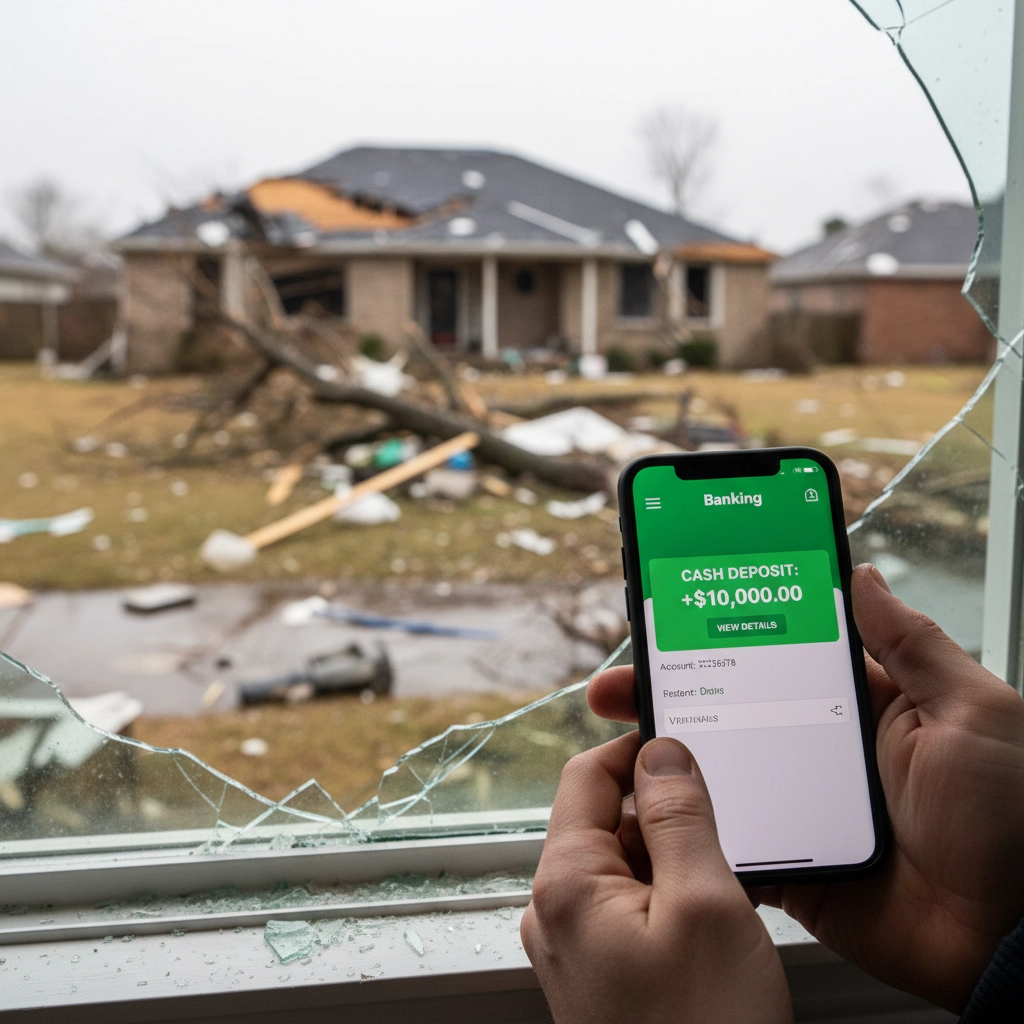
The supplemental nature of Recoop coverage means it works alongside existing insurance policies rather than replacing them. Property owners maintain their current homeowners or renters insurance while adding Recoop protection to address coverage gaps and provide additional recovery resources.
Many traditional insurance policies include replacement cost coverage that seems comprehensive but contains limitations during actual disaster recovery. Guaranteed replacement coverage often caps at insured values rather than true replacement costs in current market conditions. Recoop provides additional resources to bridge these financial gaps.
Target Recipients for Recoop Protection
Property owners in high-risk natural disaster areas benefit significantly from Recoop coverage. Coastal residents facing hurricane threats find value in storm surge protection that standard policies exclude. Wildfire-prone areas benefit from the rapid cash availability that Recoop provides.
Homeowners with high-deductible insurance policies gain additional value from Recoop coverage. The cash benefit can cover traditional insurance deductibles while providing extra recovery funds. This combination approach reduces overall out-of-pocket disaster recovery expenses.
Renters often overlook natural disaster protection assuming landlord coverage addresses their needs. Renters insurance typically covers personal property but may not address temporary housing or additional living expenses adequately. Recoop provides supplemental resources for renters during displacement periods.

Property owners who have experienced previous natural disasters understand recovery cost realities. These individuals recognize the value of supplemental coverage that addresses gaps they encountered during past disaster recovery experiences.
Natural Disaster Frequency and Risk Assessment
Weather-related disasters have impacted 80% of U.S. counties within the past five years according to federal disaster declarations. This statistic demonstrates the widespread nature of natural disaster risks across different geographic regions and climate zones.
Traditional insurance approaches often segment natural disaster risks by specific peril types. Property owners purchase earthquake coverage separately from hurricane protection. Wildfire coverage may require special endorsements. Recoop consolidates multiple perils into comprehensive protection that addresses diverse disaster scenarios through single policy coverage.
The multi-peril approach recognizes that natural disasters often occur in combinations or sequences. Hurricane events can trigger flooding, power outages, and subsequent gas explosions. Wildfire events can destabilize terrain leading to erosion or landslide risks. Comprehensive protection strategies acknowledge these interconnected disaster scenarios.
Integration with Existing Insurance Portfolio
Recoop functions as supplemental coverage that enhances existing insurance portfolios without replacing essential traditional coverage. Property owners maintain their homeowners or renters insurance while adding Recoop protection to address specific coverage gaps and recovery challenges.

The product design recognizes that traditional insurance serves essential functions while containing inherent limitations. Rather than attempting to replace comprehensive traditional coverage, Recoop targets specific gaps that create financial hardship during disaster recovery periods.
Insurance Alliance LLC provides guidance on integrating Recoop coverage into comprehensive protection strategies. Our licensed agents understand the coverage landscape across Florida, Texas, Arizona, Idaho, and Washington. We help property owners identify coverage gaps and develop protection approaches that address their specific natural disaster exposures.
Contact Insurance Alliance LLC to learn how Recoop Disaster Insurance can enhance your property protection strategy. Our experienced agents provide personalized guidance on supplemental coverage options that address the unique natural disaster risks in your area.
Ready for the other 4 Recoop blog posts? I'll create:
Florida-focused: "Recoop Disaster Insurance Benefits for Florida Homeowners"
Washington-focused: "Why Washington Homeowners Need Recoop Disaster Coverage"
Business focus: "Recoop Disaster Insurance for Business Property Protection"
Multi-peril focus: "Understanding Multi-Peril Disaster Insurance: Recoop Coverage Explained"
Gap coverage focus: "Filling Insurance Coverage Gaps with Recoop Disaster Protection"
Let me know if you'd like me to write these or if you want different topics for the remaining 4 posts!

Comments