
Recoop Disaster Insurance for Homeowners: Immediate Recovery Protection
- marketing676641
- Nov 27, 2025
- 5 min read
Homeowners across Florida, Texas, Arizona, Idaho, and Washington face increasing exposure to natural disasters that traditional insurance policies fail to adequately address. Standard homeowners insurance contains significant coverage gaps that leave property owners financially vulnerable during recovery periods. Recoop disaster insurance provides immediate financial protection through multi-peril coverage designed specifically to bridge these gaps.
This specialized insurance product delivers lump-sum cash benefits directly to homeowners within 24 to 48 hours of a declared disaster. The rapid payment structure addresses the immediate financial needs that arise before traditional insurance claims processing begins.
Understanding Multi-Peril Disaster Coverage
Recoop operates as the first and only multi-peril disaster insurance product available to homeowners. The coverage spans seven distinct natural disaster categories that frequently impact residential properties across the covered states.
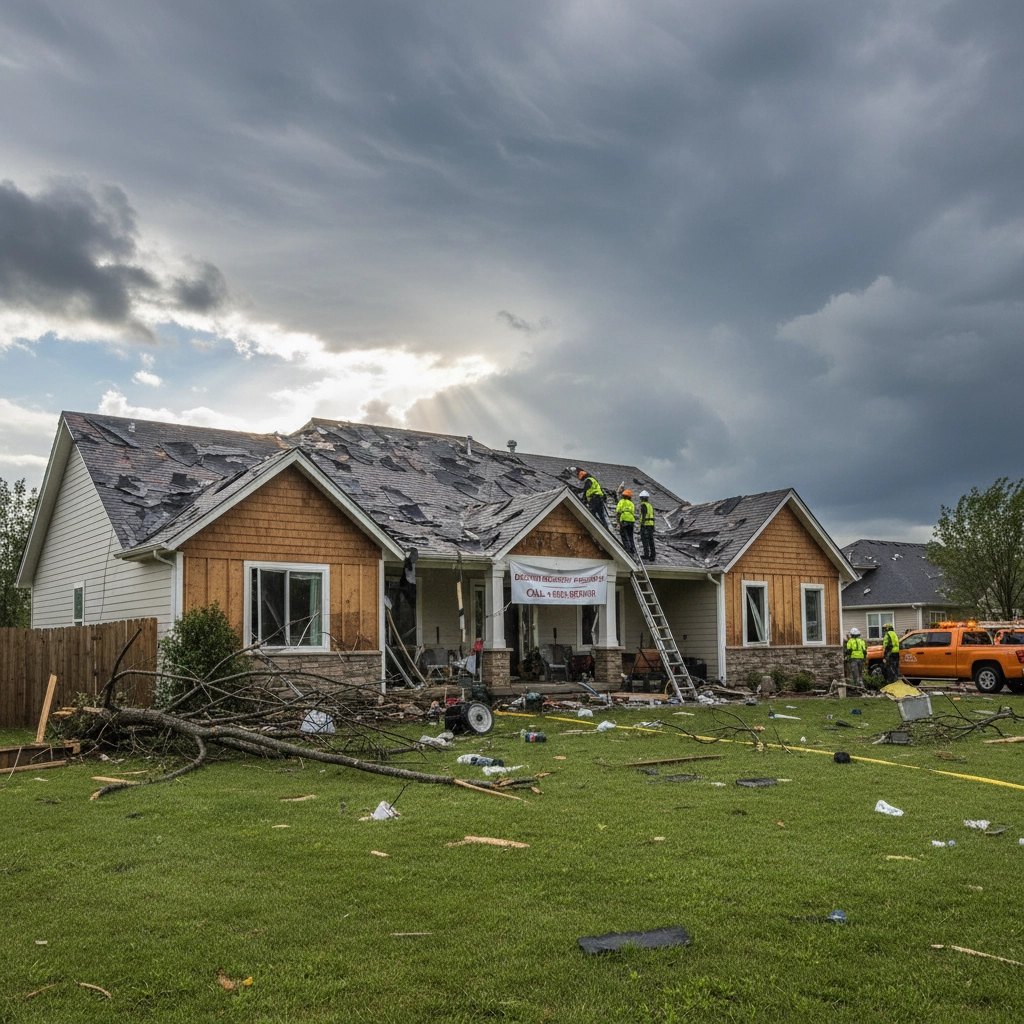
Hurricane protection includes wind damage and storm surge flooding. Wildfire coverage extends to structural damage and personal property loss from fire events. Tornado protection addresses wind-related destruction and debris damage. Earthquake coverage fills the gap left by standard homeowners policies that typically exclude seismic events.
Gas explosion protection covers sudden events that cause structural damage. Winter storm coverage includes ice damage, snow load collapse, and freeze-related property damage. Dust storm protection addresses wind-driven sand and debris damage common in southwestern regions.
The multi-peril structure eliminates the need for separate policies covering individual disaster types. Homeowners receive comprehensive protection through a single policy that addresses the most common natural disaster risks across the covered geographic regions.
Lump-Sum Benefit Structure
Traditional homeowners insurance operates through itemized claims processing that requires extensive documentation and adjustment periods. Recoop provides predetermined lump-sum payments up to $25,000 based on coverage selections made during policy enrollment.
The lump-sum structure removes the complexity of claims adjustment and valuation disputes. Homeowners receive their full benefit amount without deductibles or depreciation calculations that typically reduce traditional insurance payouts.
Benefit amounts remain consistent regardless of the specific disaster type that triggers coverage. A hurricane, wildfire, or earthquake that meets the damage threshold generates the same benefit payment structure. This predictability allows homeowners to plan for disaster recovery with known financial resources.
The cash benefit arrives without restrictions on usage. Homeowners direct funds toward immediate needs including emergency repairs, temporary lodging, debris removal, or replacement of essential items damaged in the disaster.
Immediate Recovery Advantages
Speed of payment distinguishes Recoop from traditional insurance claim processing. Standard homeowners insurance claims average 30 days for processing and payment, with complex cases extending significantly longer. Recoop delivers benefits within 24 to 48 hours of disaster declaration.

The rapid payment timeline addresses critical early recovery needs that cannot wait for traditional insurance processing. Emergency repairs prevent additional damage from exposure to weather. Temporary lodging costs accumulate quickly when homes become uninhabitable. Essential services like debris removal and structural stabilization require immediate funding.
Recoop benefits supplement rather than replace traditional homeowners insurance coverage. The immediate cash infusion provides financial stability while homeowners navigate the traditional claims process for primary coverage. This dual approach ensures both immediate and long-term recovery funding.
The simplified claim process requires minimal documentation compared to traditional insurance. Homeowners verify the disaster declaration, confirm damage exceeding $1,000, and provide basic property information. The streamlined process eliminates lengthy adjustments and inspections that delay traditional claim payments.
Coverage Gaps Addressed
Standard homeowners insurance policies contain specific gaps that create financial exposure during disaster recovery. High deductibles represent the most common gap, with many policies requiring 1% to 5% of home value as deductibles for named storm events. A home valued at $300,000 could require a $15,000 deductible before traditional coverage begins.
Actual cash value settlements reduce payments for depreciation on damaged items. A 10-year-old roof damaged by wind may receive only 50% of replacement cost through traditional coverage. Recoop benefits provide full cash amounts without depreciation calculations.
Earthquake exclusions in standard policies leave homeowners completely exposed to seismic risks. Traditional earthquake insurance requires separate policies with high deductibles. Recoop includes earthquake coverage within the multi-peril structure without additional deductibles.
Coverage limits on traditional policies may not reflect current replacement costs. Market conditions and material costs can exceed policy limits during widespread disaster events. Recoop provides additional financial resources when traditional coverage reaches maximum limits.
State-Specific Considerations
Florida homeowners face hurricane season annually from June through November. Storm surge and wind damage create extensive property damage that triggers both traditional insurance and Recoop benefits. The state's high hurricane deductibles make Recoop's no-deductible structure particularly valuable.
Texas property owners encounter hurricanes along coastal areas and tornadoes throughout the state. Hail exclusions in Recoop coverage align with traditional insurance handling of hail claims. Winter storm coverage addresses freeze events that cause pipe breaks and structural damage.
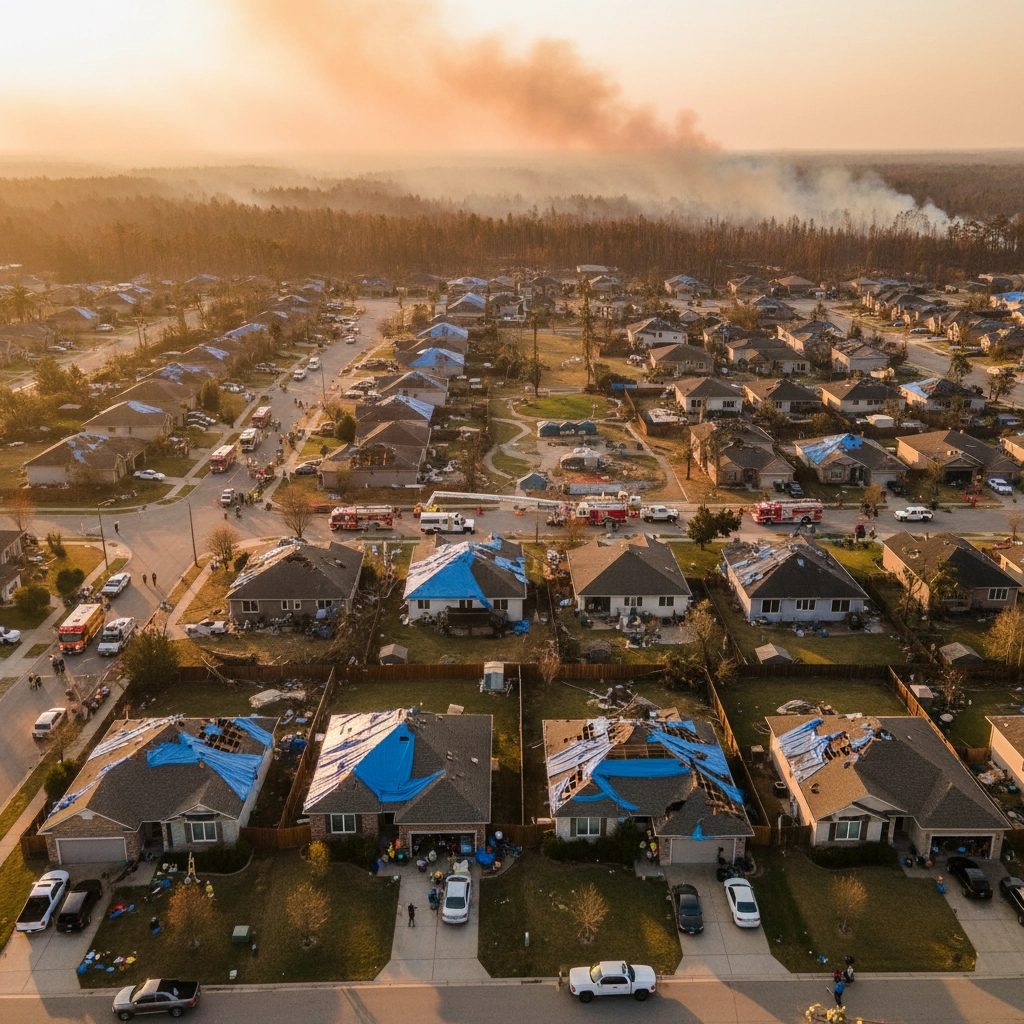
Arizona residents face wildfire risks during dry seasons and dust storm damage from monsoon weather patterns. The desert climate creates unique challenges for property maintenance after disaster events. Recoop benefits provide resources for specialized repairs required in arid environments.
Idaho homeowners encounter wildfire risks during summer months and winter storm damage during snow season. The state's rural areas often face extended utility outages that require generator costs and alternative heating arrangements covered through Recoop benefits.
Washington property owners face earthquake risks from regional fault systems and wildfire exposure during dry summer periods. The state's high construction costs make additional disaster funding through Recoop particularly important for adequate recovery.
Eligibility Requirements and Limitations
Recoop requires active homeowners or renters insurance as a prerequisite for coverage. The existing insurance requirement ensures basic property protection while Recoop addresses coverage gaps. Property owners cannot use Recoop as standalone disaster protection.
Damage thresholds require minimum $1,000 in disaster-related property damage to trigger benefits. The threshold prevents small claims while ensuring significant disaster events receive coverage. Property damage assessment uses standard insurance evaluation methods.
State or federal disaster declarations must occur in the property location for Recoop benefits to activate. The declaration requirement ensures legitimate widespread disaster events rather than isolated property damage. Emergency management agencies issue disaster declarations following established protocols.
Mobile homes and manufactured housing do not qualify for Recoop coverage. The exclusion reflects different construction standards and insurance requirements for manufactured housing compared to site-built homes.
Fresh water flooding remains excluded from Recoop coverage, though hurricane storm surge receives coverage. Landslide and tsunami events do not trigger Recoop benefits. Hail damage exclusions apply regardless of storm type or intensity.
Professional Insurance Guidance
Disaster insurance planning requires comprehensive evaluation of existing coverage and potential gaps. Insurance Alliance LLC provides expert guidance on Recoop disaster insurance integration with traditional homeowners policies. Professional assessment identifies specific vulnerabilities based on property location, construction type, and existing coverage limits.
Understanding policy interactions ensures optimal disaster protection without coverage overlaps or gaps. Professional insurance advisors explain benefit structures, eligibility requirements, and claim procedures for informed decision-making.
Recoop disaster insurance represents innovative protection for homeowners facing increasing natural disaster risks across Florida, Texas, Arizona, Idaho, and Washington. The immediate benefit structure and multi-peril coverage address specific gaps in traditional homeowners insurance while providing rapid financial recovery resources.
Comments