
Parametric Earthquake Insurance Explained: Get Paid in Days, Not Months
Parametric earthquake insurance transforms disaster recovery by eliminating lengthy claims processes. This coverage pays predetermined amounts within days of a qualifying earthquake, based on objective seismic measurements rather than damage assessments.
Washington State residents face significant earthquake risks from the Cascadia Subduction Zone and Seattle Fault. Traditional earthquake insurance often involves months-long claims processes when immediate funds are most critical for recovery.
How Parametric Earthquake Insurance Works
Parametric earthquake coverage operates on trigger-based payments. The policy specifies predetermined seismic parameters, such as earthquakes measuring 6.0 or higher on the Richter scale within defined geographic boundaries.
When the trigger threshold is met, verified by independent sources like the US Geological Survey (USGS), the policy automatically pays a fixed amount. No damage assessment, adjuster visits, or repair estimates are required.
The process follows four simple steps:
Qualifying earthquake occurs in covered territory
Third-party data confirms seismic threshold was met
Policyholder submits basic Proof of Loss form
Payment issued based on policy limits
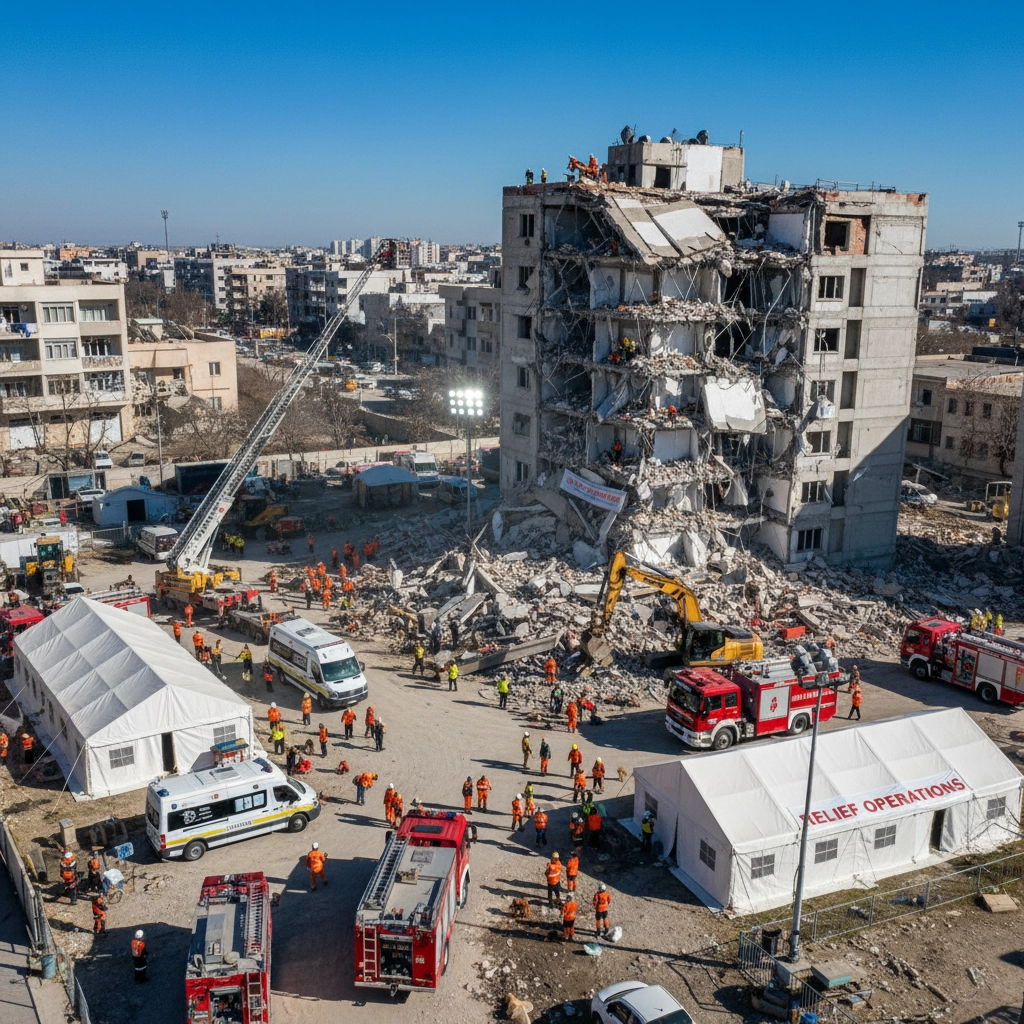
Speed Advantage Over Traditional Insurance
Traditional earthquake insurance typically takes 6-18 months to settle claims. Parametric insurance delivers funds within 7-30 days of the trigger event.
This speed proves crucial when resources are most needed. Immediate access to funds allows property owners to:
Secure temporary housing quickly
Begin emergency repairs without delay
Maintain business operations during recovery
Cover living expenses while rebuilding
Studies show faster availability of disaster funds can reduce overall losses by enabling prompt response and recovery actions.
Washington State Earthquake Risks
Washington State faces multiple seismic threats that make parametric coverage valuable. The Cascadia Subduction Zone poses risks of magnitude 8.0+ earthquakes. The Seattle Fault system threatens urban areas with localized but intense shaking.
Recent seismic activity reminds residents of ongoing risks:
2001 Nisqually earthquake caused $2 billion in damages
Cascadia last ruptured in 1700, with 300-500 year recurrence intervals
Seattle area experiences frequent smaller earthquakes
Traditional earthquake insurance often comes with high deductibles of 10-25% of dwelling coverage. Parametric policies can provide immediate funds regardless of deductible amounts.
Recovery Benefits of Fast Payouts
Quick access to earthquake funds accelerates recovery across multiple areas. Property owners can begin repairs before contractors become overwhelmed with demand. Business owners can maintain operations and prevent revenue loss.
Fast payouts also provide psychological benefits. Disaster victims experience less stress when financial resources are immediately available. This reduces long-term recovery challenges and helps communities rebuild faster.

Recoop Disaster Insurance Features
Recoop Disaster Insurance offers parametric earthquake coverage designed for Washington State risks. Their policies provide predetermined payouts based on earthquake magnitude and location proximity.
Key Recoop features include:
Coverage amounts from $10,000 to $50,000
Triggers based on USGS earthquake data
Payouts within 15 days of qualifying events
No deductibles or coverage exclusions
Flexible fund usage for any recovery needs
Recoop policies complement existing homeowners insurance rather than replace it. The parametric coverage provides immediate cash flow while traditional insurance processes damage claims.
Comparing Parametric vs Traditional Coverage
Traditional earthquake insurance requires extensive documentation and damage assessment. Adjusters must inspect properties, review repair estimates, and negotiate settlements. This process often takes months or years to complete.
Parametric insurance eliminates these delays through objective triggers. When earthquake magnitude and location meet policy parameters, payment occurs automatically. No disputes about depreciation, exclusions, or coverage limits delay settlements.
Traditional Coverage Process:
File claim after earthquake
Wait for adjuster assignment
Property inspection scheduled
Damage assessment completed
Repair estimates gathered
Settlement negotiation begins
Payment issued after agreement
Parametric Coverage Process:
Earthquake triggers policy parameters
USGS data confirms magnitude and location
Automatic payment calculation begins
Funds transferred within days

Cost Considerations
Parametric earthquake insurance typically costs less than traditional coverage. Reduced administrative expenses and streamlined claims processing allow insurers to offer competitive premiums.
Washington State residents can expect parametric premiums of $200-800 annually for $25,000-50,000 in coverage. Exact costs depend on:
Property location and seismic zone rating
Selected coverage amount and trigger parameters
Building construction type and age
Chosen insurance carrier and policy terms
These costs often prove lower than increasing traditional earthquake insurance deductibles by equivalent amounts.
Who Should Consider Parametric Coverage
Parametric earthquake insurance benefits Washington State property owners who need immediate disaster funds. This includes:
Homeowners in high-risk seismic zones who want quick access to recovery funds without waiting for traditional insurance settlements.
Business Owners who need immediate cash flow to maintain operations and prevent revenue loss during recovery periods.
Property Investors managing multiple properties who require fast access to repair funds across their portfolio.
Renters who need immediate funds for temporary housing and personal property replacement not covered by landlord insurance.
Geographic Coverage Areas
Parametric earthquake policies typically cover specific geographic zones based on seismic activity patterns. In Washington State, coverage areas often include:
Puget Sound region and Seattle metropolitan area
Olympic Peninsula and coastal areas
Eastern Washington along major fault systems
Areas within specified distances of known fault lines
Policy triggers are calibrated to local earthquake risks and historical seismic activity patterns.

Policy Triggers and Parameters
Understanding policy triggers helps determine appropriate coverage levels. Common parametric triggers include:
Earthquake magnitude thresholds (typically 5.0-7.0+)
Geographic proximity to property location
Depth limitations for qualifying earthquakes
Time windows for trigger activation
Multiple verification sources ensure accurate trigger confirmation. If primary monitoring systems are damaged by earthquakes, backup agencies provide verification for timely payments.
Integration with Existing Coverage
Parametric earthquake insurance works alongside existing homeowners, renters, or commercial property insurance. The parametric coverage provides immediate cash flow while traditional policies handle comprehensive damage reimbursement.
This dual approach offers optimal protection:
Immediate funds from parametric coverage
Long-term rebuilding support from traditional insurance
No conflicts between coverage types
Enhanced overall financial protection
Smart property owners use parametric coverage to bridge the gap between disaster occurrence and traditional insurance settlements.
Getting Started with Parametric Coverage
Insurance Alliance LLC helps Washington State residents evaluate parametric earthquake options. We compare coverage from multiple carriers including Recoop Disaster Insurance to find optimal protection.
Our process includes:
Risk assessment based on property location
Coverage amount recommendations
Policy comparison across carriers
Premium quotes and payment options
Ongoing policy management and support
Contact Insurance Alliance LLC to discuss how parametric earthquake insurance can enhance your disaster preparedness strategy. We provide expert guidance on integrating parametric coverage with existing insurance programs for comprehensive protection.


Comments