
Multifamily Units: Landlord Insurance Made Simple
- marketing676641
- Nov 5, 2025
- 5 min read
Multifamily property insurance protects residential buildings with multiple rental units from financial risks that standard homeowners insurance cannot address. Property owners across Florida, Texas, Arizona, Idaho, and Washington rely on this specialized coverage to safeguard their investment properties, from duplexes to large apartment complexes.
Understanding Multifamily Property Insurance
Multifamily landlord insurance provides comprehensive protection for residential buildings containing two or more rental units. This coverage addresses the unique challenges property owners face when managing multiple tenants and the increased liability exposure that comes with rental property ownership.
Standard homeowners insurance policies exclude coverage for rental activities, leaving property owners financially vulnerable. Multifamily insurance fills this gap by providing protection specifically designed for the rental property business model.
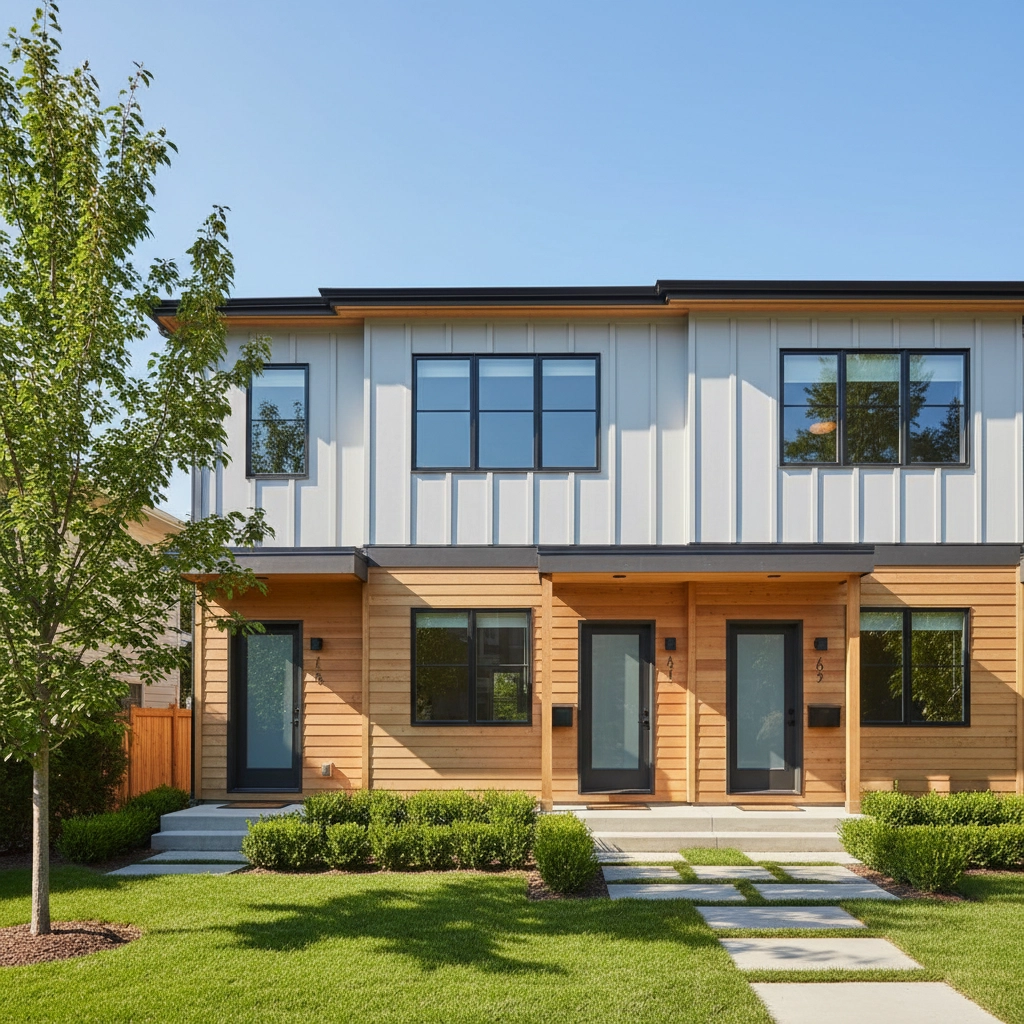
The insurance coverage extends beyond basic property damage to include liability protection, loss of rental income, and specialized endorsements for various property types. Property owners who manage duplexes, triplexes, fourplexes, and larger apartment buildings require this targeted protection to operate successfully.
Essential Coverage Components
Property Protection Dwelling coverage protects the physical structure of your multifamily building, including attached fixtures and permanently installed equipment. This coverage responds to damage from fire, wind, hail, lightning, and other covered perils, ensuring you have the financial resources to rebuild or repair your investment property.
Liability Coverage General liability protection shields property owners from lawsuits and medical claims when tenants or visitors suffer injuries on the rental property. This coverage handles legal defense expenses, medical payments, and settlement awards when you face liability claims related to your property ownership and management activities.
Loss of Rental Income Business income coverage compensates property owners for lost rental revenue when covered damage makes rental units uninhabitable. This protection continues during the repair period, helping property owners meet mortgage payments, property taxes, and other ongoing expenses while tenants cannot occupy their units.
Personal Property Coverage This component protects landlord-owned property within rental units, including appliances, furniture, and maintenance equipment. Coverage applies to items you provide as part of the rental agreement or property management operations.
Property Types and Applications
Duplexes and Small Multifamily Two to four-unit properties require specialized coverage that accounts for multiple tenants while maintaining manageable policy structures. These properties often serve as entry points for new rental property investors and require coverage that grows with expanding portfolios.
Mid-Size Apartment Buildings Properties with five to fifty units need comprehensive policies that handle increased tenant turnover, maintenance complexity, and liability exposure. These buildings require careful attention to common area coverage and tenant-related risks.

Large Apartment Complexes Buildings with more than fifty units typically require commercial property insurance with specialized endorsements for multifamily operations. These properties need extensive liability limits and sophisticated coverage for amenities like pools, fitness centers, and parking structures.
Mixed-Use Properties Buildings combining residential rental units with commercial spaces require hybrid policies that address both residential and commercial exposures. Property owners must coordinate coverage between different policy sections to eliminate gaps.
Common Risks and Claims Prevention
Water Damage Claims Water damage represents the most frequent and expensive claims category for multifamily properties. Burst pipes, appliance failures, and roof leaks can affect multiple units simultaneously, creating extensive damage and displacement issues.
Property owners reduce water damage risks through regular plumbing inspections, appliance maintenance programs, and prompt attention to minor leaks. Installing water detection systems and automatic shutoff valves provides additional protection.
Liability Incidents Slip and fall accidents, inadequate security claims, and tenant disputes create significant liability exposure for multifamily property owners. Common areas like stairways, parking lots, and recreational facilities present ongoing risks that require active management.
Fire and Electrical Damage Multifamily properties face elevated fire risks due to multiple cooking facilities, electrical systems, and potential tenant negligence. Older properties with outdated wiring systems require particular attention to fire prevention and detection systems.

Legal and Lender Requirements
Property owners with mortgaged rental properties must maintain insurance coverage as required by their lending institutions. Mortgage agreements typically specify minimum coverage amounts and require the lender to be named as an additional insured party or loss payee.
Local jurisdictions across Florida, Texas, Arizona, Idaho, and Washington may impose specific insurance requirements for rental properties. These requirements can include minimum liability limits, specific coverage types, or proof of insurance documentation for rental licensing.
Property owners must also comply with fair housing regulations and tenant protection laws that can create additional liability exposures requiring insurance coverage. Understanding these requirements helps ensure adequate protection and regulatory compliance.
Tenant-Related Coverage Considerations
Tenant Screening Protection Some policies include coverage for losses related to tenant screening failures, including unpaid rent and property damage caused by unqualified tenants. This coverage helps property owners recover from tenant-related financial losses.
Eviction Coverage Legal expense coverage helps property owners handle eviction proceedings and related legal costs. This protection becomes valuable when dealing with problem tenants who require formal removal proceedings.
Tenant Discrimination Claims Employment practices liability coverage protects property owners from discrimination claims related to tenant selection, lease enforcement, and property management decisions. This coverage handles legal defense and settlement expenses.
Additional Protection Options
Umbrella Coverage Commercial umbrella policies provide additional liability limits beyond standard policy limits. Multifamily property owners with significant assets or high-risk properties benefit from umbrella protection against large liability claims.
Equipment Breakdown Coverage This endorsement protects HVAC systems, elevators, and other mechanical equipment from sudden breakdown. Coverage includes repair expenses and business income losses during equipment replacement periods.

Cyber Liability Protection Property management operations increasingly rely on digital systems for tenant applications, rent collection, and communication. Cyber liability coverage protects against data breaches and system failures that compromise tenant information.
Policy Management and Portfolio Growth
Multi-Property Policies Property owners with multiple buildings can consolidate coverage under blanket policies that provide flexibility and simplified administration. These policies accommodate property acquisitions and disposals without requiring individual policy modifications.
Scheduled vs. Blanket Coverage Scheduled coverage lists each building separately with specific coverage amounts, while blanket coverage provides overall limits that apply across all properties. Property owners must evaluate which approach best fits their portfolio composition and risk tolerance.
Annual Policy Reviews Regular policy reviews ensure coverage keeps pace with property values, rental income levels, and changing risk exposures. Property owners should review coverage annually and after significant property improvements or portfolio changes.
Working with Insurance Professionals
Multifamily property insurance requires specialized knowledge of rental property risks and coverage options. Insurance professionals who understand the multifamily market can provide guidance on coverage selection, risk management strategies, and claims handling procedures.
Property owners benefit from working with agents who specialize in commercial property insurance and understand the unique challenges of multifamily property management. These professionals can help structure coverage that provides comprehensive protection while maintaining operational flexibility.
Insurance Alliance LLC provides multifamily property insurance solutions for property owners throughout Florida, Texas, Arizona, Idaho, and Washington. Our experienced team understands the complexities of multifamily property ownership and can help you select appropriate coverage for your investment portfolio.

Comments