
Multifamily Unit Insurance: Why Landlords Need Specialized Coverage
- marketing676641
- Nov 5, 2025
- 5 min read
Multifamily property insurance protects landlords who own buildings with two or more rental units. This specialized coverage addresses the unique risks and complexities that come with managing properties where multiple families live under one roof. Standard homeowners insurance cannot adequately protect these investments due to the elevated liability exposure and operational challenges inherent in multifamily properties.
Understanding Multifamily Property Insurance
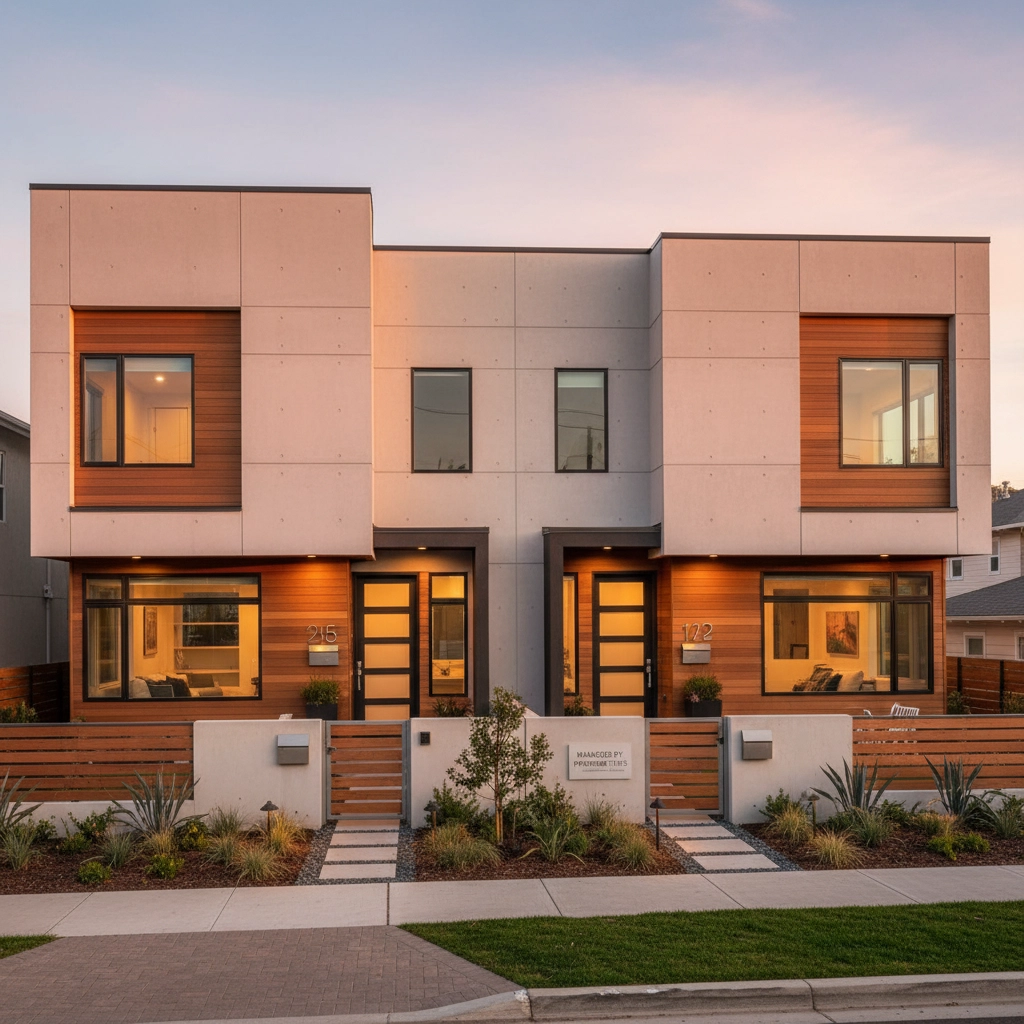
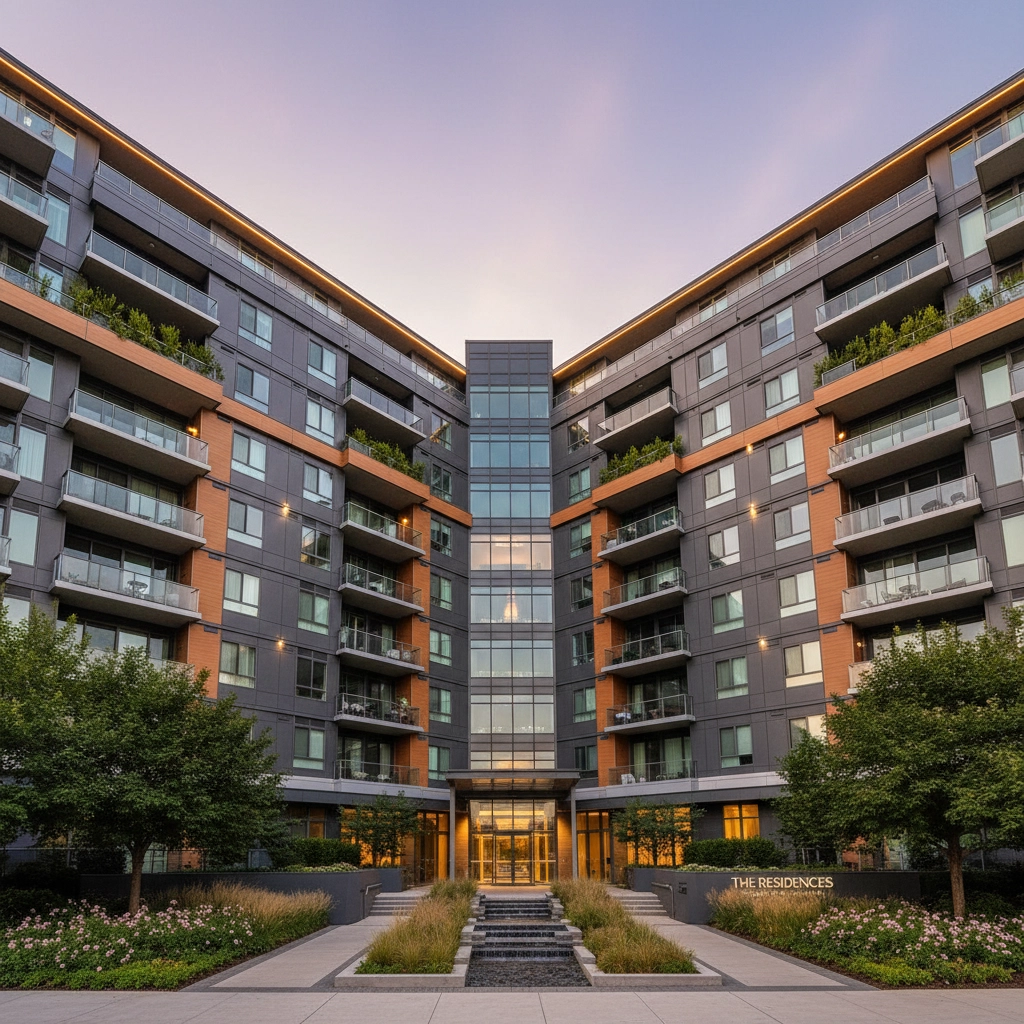
Multifamily unit insurance covers residential buildings designed for multiple tenants, including duplexes, triplexes, fourplexes, and larger apartment complexes. The insurance industry recognizes a critical threshold at two units: once a property crosses this line, it transitions from personal residence coverage to specialized investment property protection.
Properties with five or more units typically require commercial insurance policies due to their increased complexity and risk exposure. These larger properties face different regulatory requirements and operational challenges that demand comprehensive commercial coverage solutions.
Why Standard Homeowners Insurance Falls Short
Standard homeowners insurance is designed for owner-occupied properties where residents maintain and protect their own homes. Tenants typically do not treat rental properties with the same care as homeowners, creating different risk profiles that require specialized protection.
Multifamily properties generate rental income, making them business ventures rather than personal residences. This business aspect introduces liability exposures, income loss risks, and operational complexities that standard policies cannot address adequately.
The concentration of multiple families in one building creates exponentially higher risks for accidents, injuries, and property damage compared to single-family homes. These elevated risks demand robust coverage specifically designed for investment properties.
Core Coverage Components for Multifamily Properties
Building Protection Coverage
Dwelling coverage protects the physical structure, including walls, roofs, foundations, and permanently attached fixtures. This protection becomes critical when one disaster can render an entire building uninhabitable, affecting multiple families simultaneously.
Replacement cost coverage provides superior protection compared to actual cash value policies. This coverage type avoids depreciation deductions, potentially saving landlords tens of thousands of dollars during claim settlements.
Comprehensive Liability Protection
General liability coverage protects landlords' personal assets when someone suffers injury on the property. This coverage includes legal defense costs, medical expenses, and settlement payments for valid claims.
Multifamily properties face significantly higher liability exposure due to increased foot traffic, shared common areas, and the presence of multiple families. A single serious liability claim can exceed the cost of rebuilding an entire rental unit.
Most experienced landlords carry minimum liability limits of $2 million, often supplemented by umbrella policies that extend protection into the millions. This substantial coverage reflects the serious financial risks associated with multifamily property ownership.

Loss of Rental Income Coverage
Business income coverage replaces lost rental revenue when properties become uninhabitable due to covered damage. This protection continues paying landlords while tenants cannot occupy damaged units and rental income stops.
The coverage typically includes ongoing expenses such as mortgage payments, property taxes, and insurance premiums that continue during repair periods. Without this protection, landlords face financial crisis when major disasters strike their properties.
Extended business income coverage provides additional time beyond basic repair periods, accounting for the reality that finding new tenants and restoring full occupancy takes time even after repairs are complete.
Specific Risk Scenarios in Multifamily Properties
Shared System Failures
Multifamily properties rely on shared systems including HVAC units, boilers, elevators, electrical panels, and plumbing systems that serve multiple units. When these critical systems fail, the financial impact affects multiple tenants simultaneously.
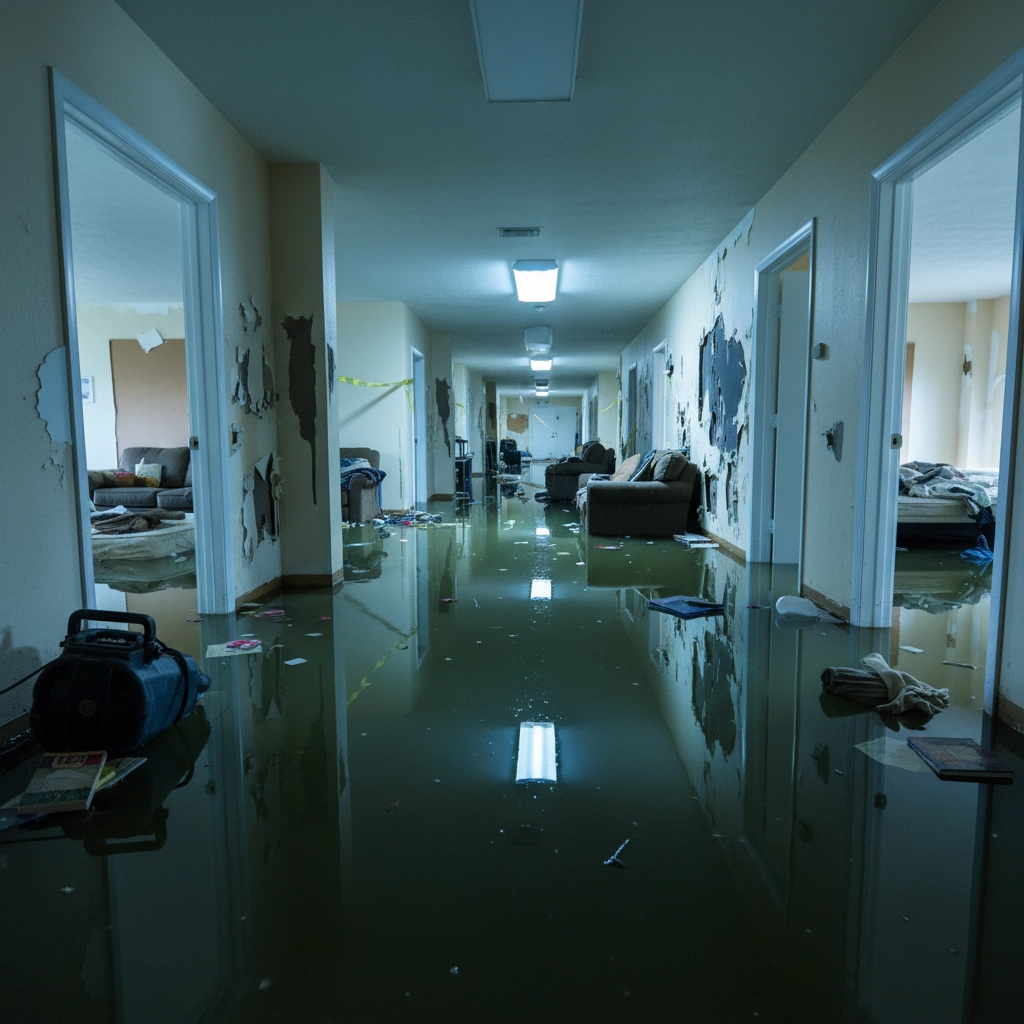
Water backup from sewage systems or sump pump failures can damage multiple units at once, creating expensive cleanup and restoration costs. These incidents often require temporary tenant relocation while repairs are completed.
Fire damage in multifamily properties can spread rapidly between units, potentially destroying entire buildings and displacing all residents. The concentration of multiple families increases both fire risks and the potential scope of damage.
Common Area Accidents
Shared hallways, stairwells, laundry facilities, and outdoor areas present constant liability exposure. Slip and fall accidents in these areas are among the most common claims affecting multifamily properties.
Balcony failures, inadequate lighting, and poorly maintained walkways create additional liability risks that landlords must address through comprehensive coverage and proper maintenance practices.
Swimming pools, playgrounds, and other recreational amenities increase liability exposure while providing tenant amenities. These features require specific coverage considerations and risk management protocols.
Geographic Considerations Across Licensed States
Multifamily property owners across different states face varying environmental risks that require tailored coverage approaches. Properties in coastal areas need protection against hurricane damage and flooding, while properties in seismic zones require earthquake coverage.
Flood insurance requires separate coverage through the National Flood Insurance Program or private flood insurers. Standard multifamily policies exclude flood damage, making this additional coverage essential for properties in flood-prone areas.
Earthquake coverage becomes critical for properties in seismically active regions. The potential for catastrophic damage to entire buildings makes this coverage a necessary investment for multifamily property owners in affected areas.
Lender Requirements and Regulatory Compliance
Mortgage lenders typically require comprehensive multifamily insurance before approving loans for investment properties. These requirements recognize the elevated risks associated with buildings occupied by multiple families.
Lenders commonly demand specific minimum coverage amounts and require being named as additional insured parties on policies. These institutional requirements underscore why specialized coverage is not optional for financed properties.
Local housing authorities and regulatory agencies may impose additional insurance requirements for multifamily properties, particularly those participating in affordable housing programs or receiving government incentives.
Additional Coverage Enhancements
Water Backup Protection
Water backup coverage protects against damage from sewage backups, sump pump failures, and drain overflows. These incidents are particularly problematic in multifamily properties where one backup can affect multiple units.
This coverage typically requires separate endorsements but provides essential protection against increasingly common water-related claims that standard policies exclude.
Ordinance and Law Coverage
Building code compliance coverage pays the additional costs of bringing older buildings up to current code requirements after covered losses. This protection becomes particularly valuable for older multifamily properties that may not meet current building standards.
The coverage helps landlords avoid out-of-pocket expenses for required upgrades during reconstruction, protecting investment returns and ensuring regulatory compliance.
Cyber Liability Protection
Modern multifamily property management involves collecting tenant data, processing online rent payments, and maintaining digital records. Cyber liability coverage protects against data breaches and cyber attacks that could compromise tenant information.
This coverage includes notification costs, credit monitoring services, and legal defense expenses related to privacy violations or cyber incidents affecting tenant data.
Professional Property Management Benefits
Multifamily insurance policies often include coverage for property management activities, recognizing that many landlords hire professional management companies to handle day-to-day operations.
This coverage protects against errors and omissions by management companies, ensuring that professional mistakes do not create uncovered liability exposures for property owners.
Investment Protection Strategies
Multifamily property insurance serves as the foundation for protecting real estate investments that generate ongoing income streams. Proper coverage ensures that temporary setbacks do not become permanent financial disasters.
The specialized nature of multifamily insurance reflects the unique combination of business operations, residential tenancy, and investment property management that these properties represent.
Over thirty percent of multifamily insurance claims involve property damage, demonstrating that these risks are not theoretical but actual occurrences that responsible landlords must prepare for through comprehensive coverage.
Insurance Alliance LLC provides specialized multifamily property insurance solutions designed to protect landlords' investments across our licensed states. Our experienced team understands the unique challenges facing multifamily property owners and delivers coverage solutions that provide comprehensive protection for these valuable investments.
Comments