
Liquor Liability Insurance Secrets Revealed: What Restaurant Owners Don't Want You to Know
- marketing676641
- Dec 3, 2025
- 5 min read
Restaurant owners across Florida, Texas, Arizona, Idaho, and Washington operate under a dangerous misconception that standard general liability insurance protects their business from alcohol-related incidents. This assumption creates a catastrophic coverage gap that exposes establishments to devastating financial risk.
General liability insurance explicitly excludes alcohol-related incidents, regardless of staff training quality or operational procedures. When intoxicated patrons cause harm through assault, property damage, or injury to third parties, standard commercial policies provide zero protection.
The Critical Coverage Gap Most Owners Miss
Liquor liability insurance addresses risks that general liability policies specifically exclude. This specialized coverage protects establishments from scenarios unique to alcohol service environments.
Restaurant owners frequently discover this coverage gap only after incidents occur. The exclusion applies universally across commercial general liability policies, creating vulnerability that only dedicated liquor liability coverage can address.
Most establishments require both general liability and liquor liability insurance to maintain comprehensive protection. General liability serves as the foundation coverage, while liquor liability provides essential additional protection for alcohol-specific risks.
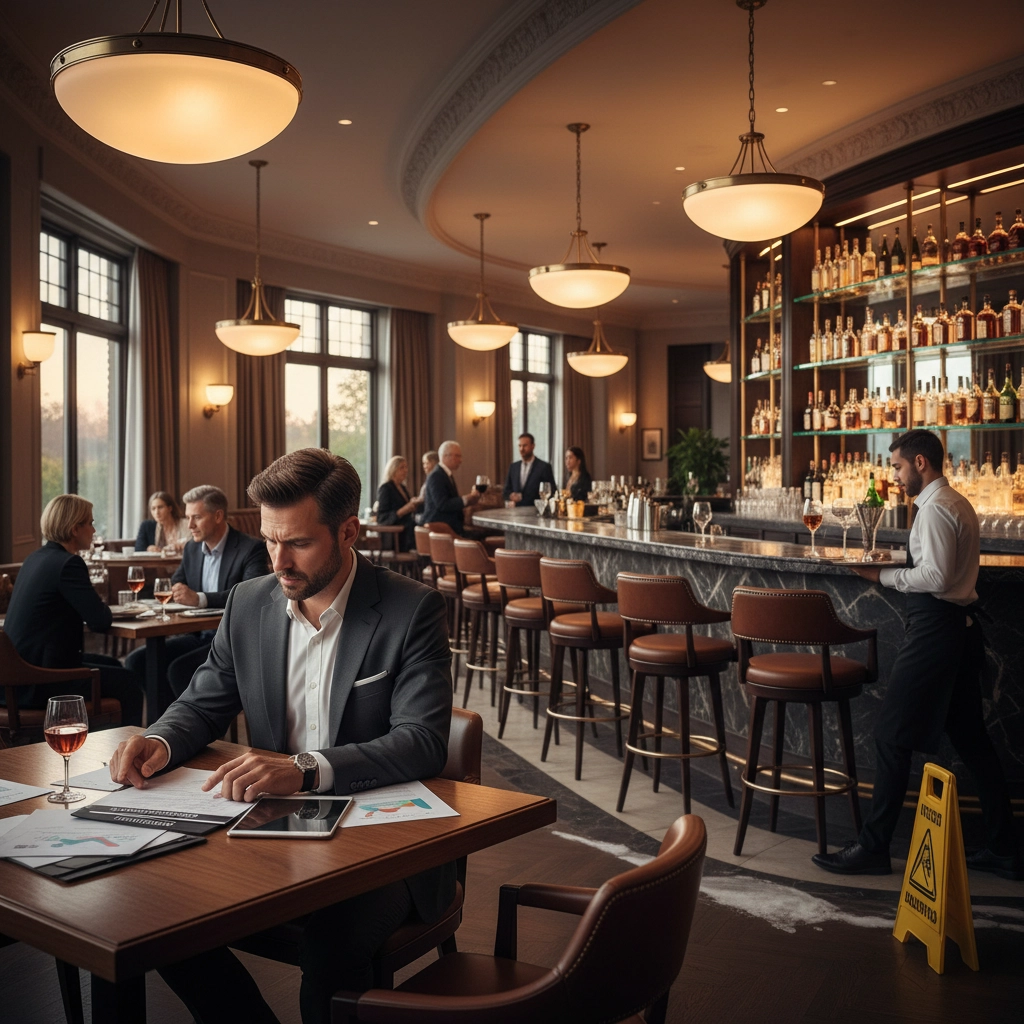
What Liquor Liability Insurance Actually Protects
Liquor liability insurance covers comprehensive scenarios that standard policies exclude:
Assault and Battery Protection covers incidents involving intoxicated patrons who engage in physical altercations. Coverage extends to injuries sustained by other customers, staff members, or third parties during these incidents.
Property Damage Coverage addresses destruction caused by intoxicated customers. This includes damage to your establishment, neighboring businesses, or third-party property resulting from alcohol-related incidents.
Third-Party Injury Protection covers medical expenses and related costs when intoxicated patrons injure others. Coverage applies whether incidents occur on your premises or off-site after patrons leave your establishment.
Legal Defense Coverage provides protection for court defense fees and legal costs associated with alcohol-related lawsuits. Many policies include defense costs outside the policy limit, preserving coverage capacity for settlements.
Off-Premises Liability extends protection to incidents involving customers who cause harm after leaving your establishment. This includes drunk driving collisions and other third-party injuries linked to alcohol service at your restaurant.
Hidden Regulatory Requirements
Liquor liability insurance serves as more than optional protection: most jurisdictions mandate this coverage as a licensing requirement. Establishments must maintain continuous coverage to preserve their alcohol service permits.
State licensing authorities require proof of liquor liability insurance during initial applications and renewal processes. Operating without required coverage violates local regulations and can result in immediate license suspension.
Coverage requirements vary by jurisdiction, but most mandate minimum protection levels for bodily injury, property damage, and wrongful death. Insurance must remain active throughout your license period with annual updates or renewals.
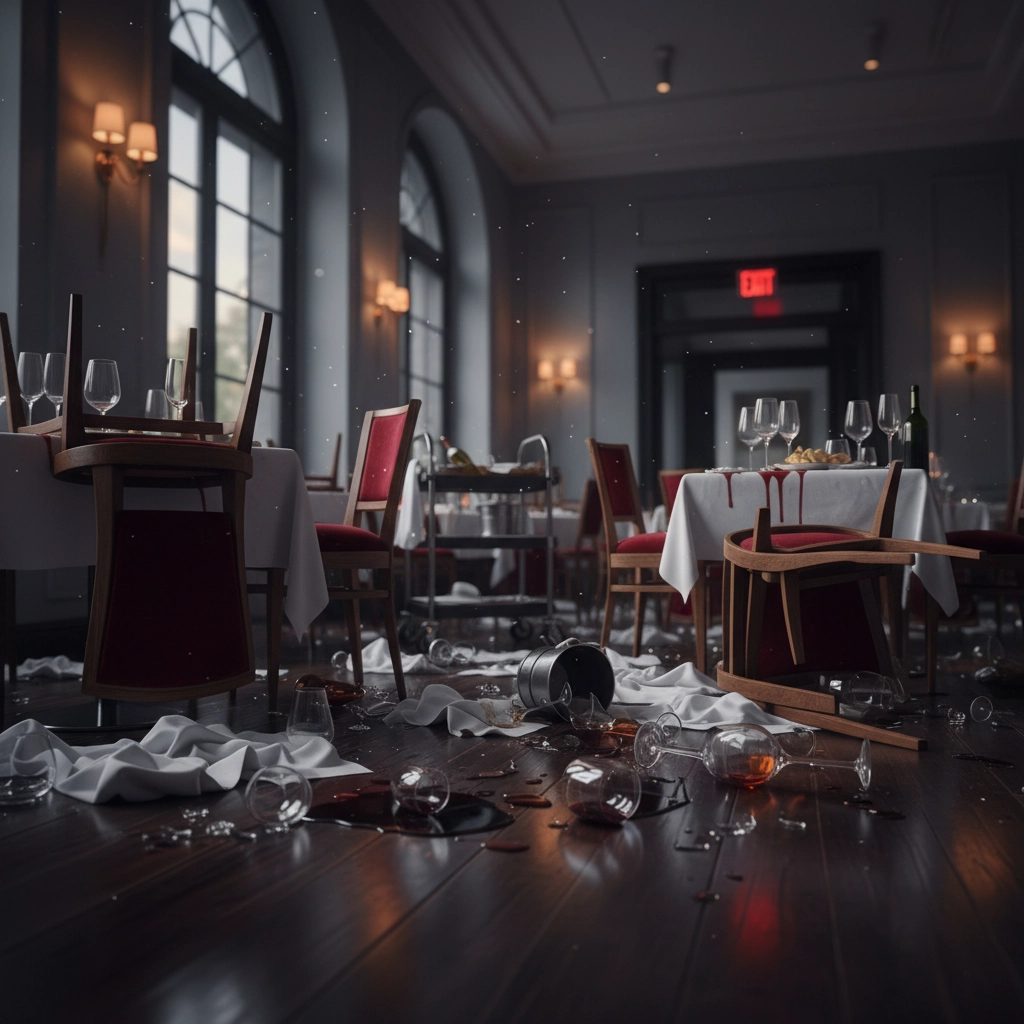
Common Oversights That Increase Exposure
Host Liability Situations create additional exposure during catering events, private functions, and off-site alcohol service. Standard policies may not address these scenarios without proper endorsements or expanded coverage.
Employee Coverage Gaps occur when off-duty staff members consume alcohol at your establishment and later cause harm. Many restaurant owners overlook this specific liability exposure that requires dedicated coverage provisions.
Sublimit Restrictions within policies can limit protection for specific incident types. Some policies impose separate limits for assault and battery claims, reducing overall protection capacity.
Coverage Territory Limitations may restrict protection to specific geographic areas. Multi-location operations or catering services require careful review of territorial coverage provisions.
Documentation Requirements That Affect Coverage
Insurance carriers evaluate alcohol-related incidents based on operational documentation maintained by establishments. Proper record-keeping demonstrates responsible service practices that support coverage applications.
Staff Training Records document responsible alcohol service education and certification programs. Carriers often require evidence of ongoing training to maintain coverage eligibility.
Service Documentation includes detailed logs of alcohol service procedures, incident reports, and operational protocols. These records provide evidence of responsible business practices during coverage evaluations.
Compliance Documentation demonstrates adherence to local regulations, licensing requirements, and industry best practices. Proper documentation supports favorable coverage terms and incident resolution.

Policy Limits and Protection Levels
Liquor liability policies offer various limit structures to match establishment risk profiles. Standard coverage ranges from basic protection to comprehensive high-limit options.
Per-Occurrence Limits establish maximum payment amounts for individual incidents. Higher-risk establishments typically require increased limits to adequately protect against potential exposure.
Aggregate Limits cap total annual payments across all covered incidents. Establishments with frequent alcohol service may benefit from higher aggregate protection.
Defense Cost Treatment varies between policies. Some carriers include defense costs within policy limits, while others provide separate defense coverage that preserves settlement capacity.
Additional Coverage Considerations
Employment Practices Liability addresses wrongful termination, discrimination, and harassment claims frequently associated with alcohol-serving establishments. These incidents often correlate with alcohol service environments and create substantial liability exposure.
Cyber Liability Protection becomes essential as restaurants increasingly rely on digital payment systems and customer data storage. Alcohol-related incidents sometimes involve identity theft or payment card compromise.
Business Interruption Coverage protects revenue when alcohol-related incidents force temporary closure or operational restrictions. This coverage addresses lost income during investigation periods or license suspension.
Carrier Options and Selection Criteria
Multiple insurance carriers specialize in restaurant and hospitality coverage, offering varied approaches to liquor liability protection. Independent insurance agents provide access to multiple carrier options for comparison and selection.
Specialized Restaurant Insurers understand unique hospitality risks and offer tailored coverage solutions. These carriers often provide more comprehensive protection and better understand industry-specific exposures.
Package Policy Options combine multiple coverage types into integrated restaurant insurance programs. These packages address various risks through coordinated coverage that eliminates gaps between policies.
Regional Carriers may offer competitive options for establishments in specific geographic markets. Local insurers often understand regional regulations and risk factors that national carriers may overlook.

Professional Guidance Importance
Restaurant insurance requires specialized knowledge of hospitality risks, regulatory requirements, and coverage options. Professional insurance guidance helps identify coverage gaps specific to individual operations.
Independent agents compare multiple carriers and options to identify appropriate protection for unique establishment risks. Agent expertise becomes essential when evaluating policy terms, exclusions, and coverage limits.
Regular policy reviews ensure coverage keeps pace with operational changes, regulatory updates, and evolving risk profiles. Annual evaluations identify new exposures and coverage needs as restaurants expand or modify services.
Compliance and Risk Management
Liquor liability insurance works in conjunction with responsible service practices to provide comprehensive protection. Coverage requirements often include specific operational procedures and staff training protocols.
Server Training Programs reduce incident frequency while supporting coverage eligibility. Many carriers require certified responsible beverage service training for all staff members handling alcohol sales.
Incident Response Procedures ensure proper documentation and reporting when alcohol-related situations occur. Established protocols support coverage applications and demonstrate responsible business practices.
Regular Policy Updates maintain coverage adequacy as restaurants modify operations, expand service areas, or change business models. Ongoing communication with insurance professionals ensures continuous protection.
Insurance Alliance LLC provides specialized guidance for restaurant owners seeking comprehensive liquor liability protection. Professional consultation identifies coverage gaps and ensures adequate protection for establishments across Florida, Texas, Arizona, Idaho, and Washington.
Comments