
Liquor Liability Insurance in 2025: Why Everyone Is Talking About Market Changes (And You Should Too)
- marketing676641
- Dec 2, 2025
- 4 min read
The liquor liability insurance landscape is experiencing significant shifts in 2025, with carriers adjusting their approaches to coverage and restaurant owners paying closer attention to policy features than ever before. Understanding these market changes helps restaurant and bar operators make informed decisions about their insurance portfolios.
What Liquor Liability Insurance Covers
Liquor liability insurance protects establishments that serve alcoholic beverages from legal responsibility when alcohol-related incidents occur. The coverage extends beyond the premises, providing protection when customers leave your establishment and cause harm to others due to intoxication.
Standard liquor liability policies cover bodily injury and property damage caused by intoxicated patrons. The protection applies when establishments serve alcohol to visibly intoxicated individuals or minors, creating potential legal exposure under dram shop laws.
Coverage features typically include defense costs for legal proceedings, settlements, and judgments related to alcohol service. Policies also address incidents involving employees who consume alcohol on the job or during company events.
Carrier Stability and Market Dynamics
Insurance carriers are reassessing their liquor liability portfolios in 2025, leading to changes in coverage availability and underwriting standards. Many insurers are implementing stricter qualification criteria for new policies while maintaining existing relationships with established clients who demonstrate strong risk management practices.
The market shows increased scrutiny of establishment types, with carriers developing specialized programs for different business models. Fine dining restaurants receive different consideration than sports bars, while entertainment venues face unique underwriting requirements.
Carrier stability remains strong among major insurers, though some companies are reducing their market presence or focusing on specific geographic regions. This concentration creates opportunities for specialized insurers to expand their offerings while maintaining competitive coverage options.
Why Restaurant Owners Should Pay Attention Now
Restaurant operators in Florida, Texas, Arizona, Idaho, and Washington face evolving regulatory environments that affect liquor liability coverage requirements. Each state maintains specific dram shop laws that determine establishment responsibility for alcohol-related incidents.
Modern restaurant operations involve complex service models that traditional policies may not adequately address. Food trucks with alcohol permits, catering services, and multi-location operators require specialized coverage considerations that standard policies might not provide.
The rise of craft cocktail culture and specialty beverage programs creates additional exposure scenarios. Establishments offering alcohol tastings, mixology classes, or beverage education events need coverage that extends beyond traditional restaurant service models.
Technology integration in alcohol service, including automated dispensing systems and mobile ordering platforms, introduces new liability considerations that insurance policies must address. These technological advances require coverage updates to ensure comprehensive protection.

Coverage Features to Consider
Modern liquor liability policies offer various enhancement options that address specific operational needs. Host liquor liability coverage protects establishments during special events or private parties where alcohol service differs from regular operations.
Product liability coverage becomes relevant when establishments manufacture their own beer, wine, or spirits on-premises. This additional protection addresses potential issues with product quality or contamination that standard liquor liability might not cover.
Employee dishonesty coverage addresses situations where staff members over-serve customers intentionally or serve alcohol without proper authorization. This protection helps establishments manage internal risks that could create liquor liability exposure.
Cyber liability integration addresses data breaches involving customer information collected during alcohol service verification or loyalty programs. Modern policies increasingly include digital protection elements that complement traditional coverage.
Specialized Coverage Considerations
Different establishment types require tailored coverage approaches. Sports bars and entertainment venues face higher exposure levels due to their customer demographics and service environments. These businesses benefit from enhanced assault and battery coverage options.
Wedding venues and event spaces need flexible coverage that addresses varying alcohol service models throughout different events. Seasonal operations require policies that adjust coverage levels based on operational periods.
Brewery and distillery operations require manufacturing coverage in addition to retail liquor liability protection. These hybrid businesses need policies that address both production and service activities under unified coverage structures.
Working with Insurance Professionals
Insurance brokers specializing in hospitality coverage understand the nuances of liquor liability insurance and can navigate carrier requirements effectively. Professional guidance helps establish appropriate coverage levels and identify potential gaps in protection.
Risk management consultation services help establishments implement practices that demonstrate responsible alcohol service to insurance carriers. These programs often include staff training components and operational protocol development.
Regular policy reviews ensure coverage keeps pace with business changes and industry developments. Annual assessments help identify new exposure areas and adjust coverage accordingly.
Regulatory Compliance and Coverage
Compliance with local alcohol service regulations affects insurance coverage requirements and availability. Establishments must maintain proper licensing and follow service protocols to ensure policy validity.
Training requirements for alcohol service staff vary by jurisdiction and affect coverage considerations. Documented training programs demonstrate risk management commitment to insurance carriers.
Record-keeping practices for incident reporting and alcohol service monitoring help establish favorable relationships with insurance providers. Proper documentation supports coverage decisions and renewal processes.
Technology and Modern Coverage Needs
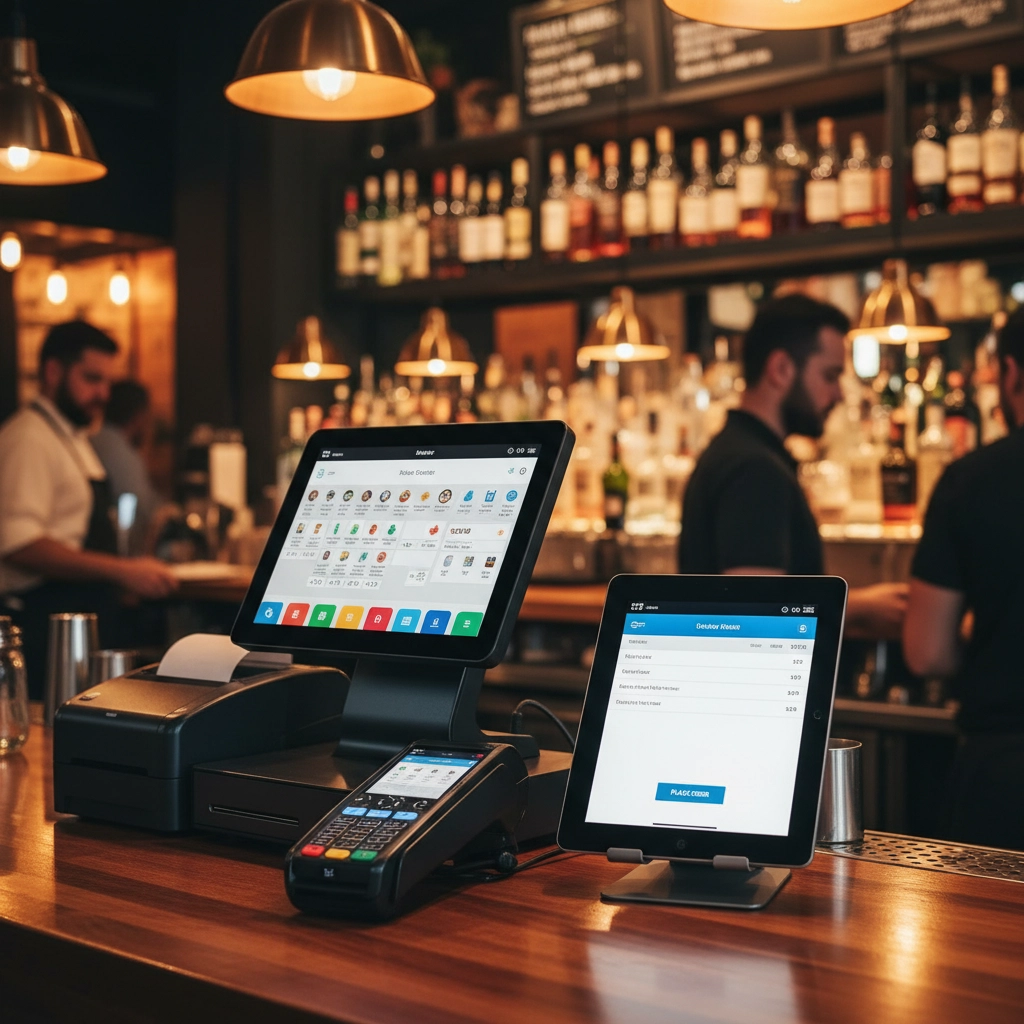
Point-of-sale systems that track alcohol sales and customer information create new data protection requirements within liquor liability policies. Integration with existing cyber coverage ensures comprehensive protection.
Mobile payment processing and delivery services for alcohol require coverage extensions that address off-premises service activities. Traditional policies may not cover these expanding service models without specific endorsements.
Social media marketing and online promotion of alcohol service create potential exposure areas that modern policies should address. Digital marketing activities require consideration within overall coverage strategies.
Future-Proofing Your Coverage
Market changes continue evolving as the hospitality industry adapts to new service models and customer expectations. Establishing relationships with forward-thinking insurance partners helps ensure coverage remains relevant and comprehensive.
Policy flexibility becomes increasingly important as businesses adapt their operations. Coverage that can adjust to changing business models provides long-term value and protection.
Regular communication with insurance professionals helps identify emerging trends and coverage developments before they become industry standards. Proactive approach to coverage management provides competitive advantages.
The liquor liability insurance market in 2025 offers opportunities for establishments that understand coverage features and work with knowledgeable insurance professionals. Restaurant owners who pay attention to these market changes position themselves for continued success while maintaining appropriate protection levels.
Insurance Alliance LLC provides comprehensive liquor liability coverage guidance for restaurant and bar operators throughout Florida, Texas, Arizona, Idaho, and Washington. Professional consultation helps establish appropriate coverage strategies for modern hospitality operations.
Comments