
Liquor Liability Insurance for Restaurants: Why It Matters & How to Get Covered
- marketing676641
- Oct 16, 2025
- 5 min read
Restaurant owners who serve alcohol face unique liability risks that standard business insurance doesn't cover. Liquor liability insurance, also known as dram shop insurance, protects restaurants from legal and financial consequences when intoxicated patrons cause injury or property damage after consuming alcohol on the premises.
This specialized coverage fills a critical gap in your restaurant's insurance portfolio. General liability policies typically exclude alcohol-related incidents for businesses that profit from alcohol sales. Without proper liquor liability protection, a single incident involving an intoxicated customer could result in devastating financial losses for your establishment.
Why Restaurants Need Liquor Liability Protection
Restaurants that serve, sell, or allow alcohol consumption on their premises face significant legal exposure. Your establishment can be held liable if a patron drinks at your location and subsequently causes an accident, damages property, or injures someone - even after leaving your restaurant.
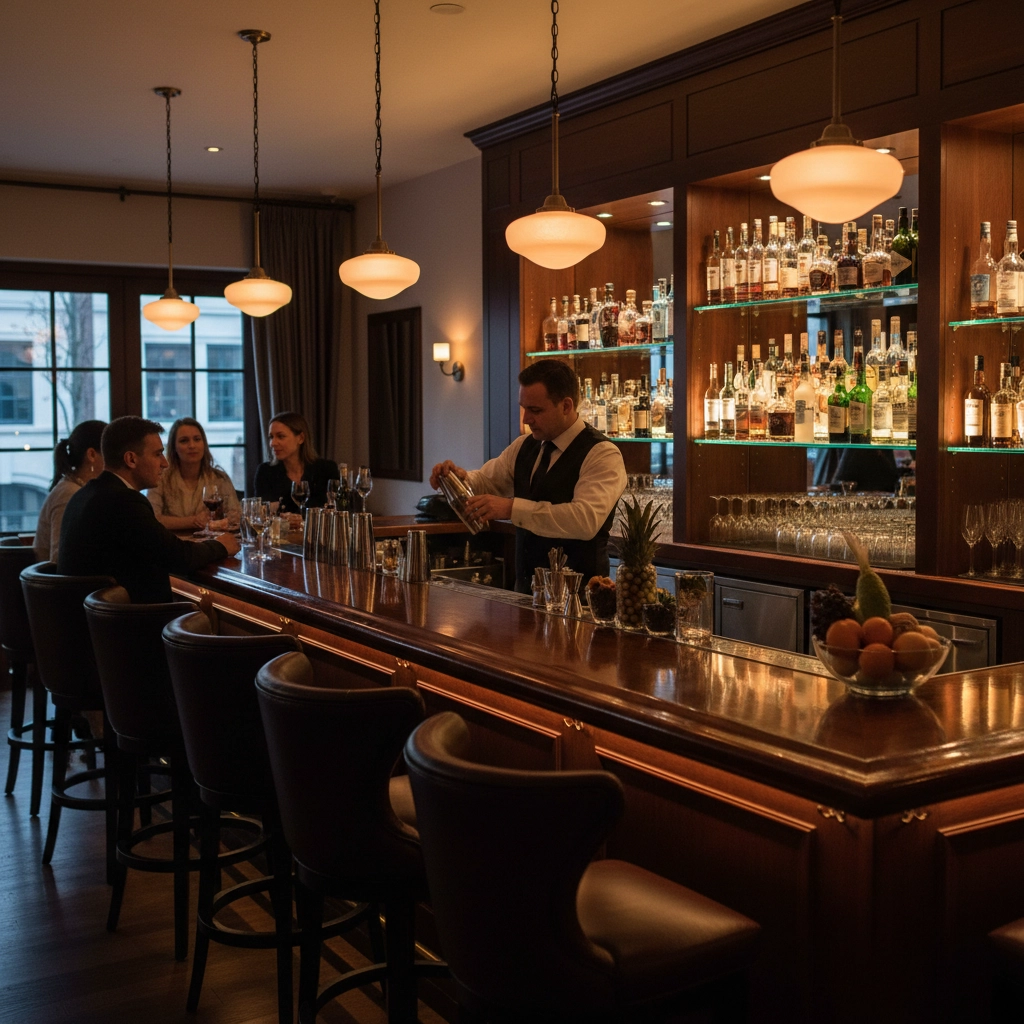
The legal concept of "dram shop liability" holds businesses accountable for serving alcohol to visibly intoxicated persons or minors who then cause harm to others. These laws exist in most states and create substantial financial risk for restaurant owners who serve alcoholic beverages.
Alcohol impairs judgment and motor skills, making patron behavior unpredictable. A customer who seems fine when served could become dangerous after consuming more alcohol or mixing drinks with other substances. This unpredictability makes liquor liability insurance essential for protecting your business assets and reputation.
Many states require liquor liability insurance by law for any business that sells or serves alcoholic beverages. Operating without this coverage not only violates legal requirements but also leaves your restaurant vulnerable to lawsuits that could exceed your general liability policy limits.
Comprehensive Coverage Protection
Liquor liability insurance covers various scenarios that restaurant owners commonly face. Understanding these coverage areas helps you appreciate the policy's value and importance for your business operations.
Overserving Incidents occur when staff serve alcohol to already intoxicated patrons who then cause accidents resulting in injuries. The policy covers legal defense costs, medical bills, and settlement payments when your restaurant faces claims from these situations.
Underage Drinking Claims arise when minors purchase alcohol at your establishment, become intoxicated, and cause damage or injury. These incidents can result in significant legal penalties and civil liability that liquor liability insurance addresses.
Assault and Altercation Coverage protects your restaurant when overserved patrons engage in violent behavior, whether inside your establishment or elsewhere after leaving. The policy covers injuries to other customers, staff members, or third parties affected by intoxicated patron misconduct.
Drunk Driving Accidents represent one of the most serious liability exposures for restaurants serving alcohol. When intoxicated customers cause vehicle accidents after drinking at your establishment, the resulting claims can involve severe injuries, property damage, and wrongful death lawsuits.
Employee Misconduct Protection covers situations where restaurant staff members drink on the job and cause harm to customers or other employees. This coverage extends to both on-duty drinking incidents and after-work situations involving employees who consumed alcohol on your premises.
The policy typically includes coverage for legal defense costs, court judgments, settlement payments, medical expenses for injured parties, and property repair costs. Some policies also cover alcohol poisoning incidents and slip-and-fall accidents involving intoxicated guests.
Important Coverage Limitations
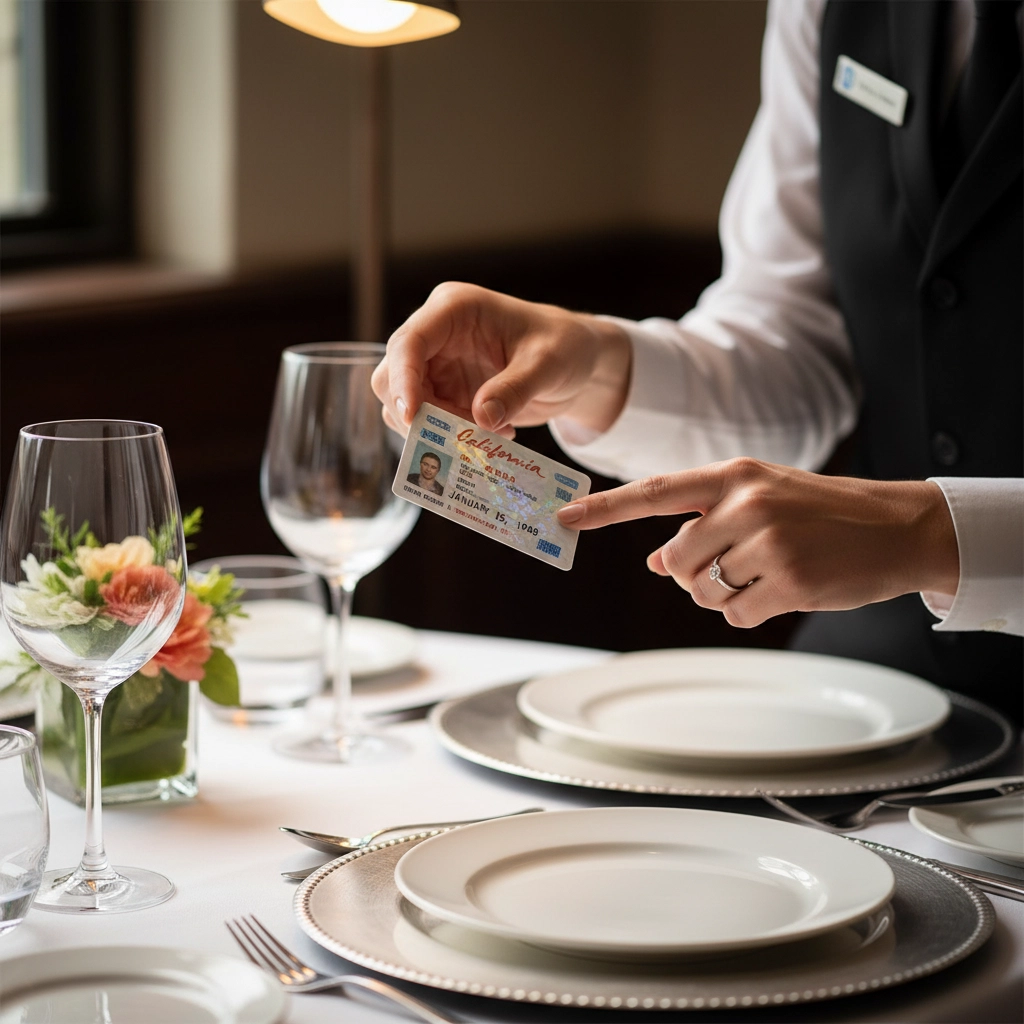
Liquor liability policies contain specific exclusions and limitations that restaurant owners must understand. Many policies exclude claims involving underage patrons, making strict ID-checking procedures crucial regardless of your coverage terms.
The insurance doesn't replace your general liability coverage - restaurants need both types of protection to address different risk exposures. Liquor liability insurance specifically addresses alcohol-related incidents, while general liability covers other business operations and customer interactions.
Distinguish between liquor liability and host liquor liability coverage. Host liquor liability applies to businesses that occasionally serve alcohol without profiting from sales, such as company parties or special events. This coverage typically appears in standard commercial general liability policies. However, restaurants that serve or sell alcohol as part of regular business operations require dedicated liquor liability insurance.
Obtaining Proper Coverage
Restaurants can secure liquor liability insurance through two primary methods: as an endorsement added to existing general liability policies or as separate standalone coverage. The best approach depends on your insurance carrier's offerings and your establishment's specific risk profile.
Contact an independent insurance agent who specializes in restaurant coverage to evaluate your needs and compare options from multiple carriers. These professionals help you understand policy terms, coverage limits, and state-specific requirements that affect your restaurant's protection.
Coverage limits vary by state, with some jurisdictions requiring specific minimum coverage amounts for businesses selling alcohol. Research your state's legal requirements and consider purchasing limits above the minimum to adequately protect your business assets.
When selecting coverage, evaluate factors including your restaurant's alcohol sales volume, operating hours, customer demographics, and special event hosting. These elements influence both your risk exposure and insurance premiums.
Ensure your policy covers all employees who serve alcohol, including waitstaff, bartenders, and management personnel. This comprehensive coverage protects these team members under your restaurant's policy when they serve customers in their professional capacity.
Cost Factors and Considerations
Liquor liability insurance premiums depend on several risk factors that insurers evaluate when determining rates. Understanding these factors helps restaurant owners budget appropriately and identify opportunities for premium reduction.
Restaurant size and alcohol sales volume significantly impact premiums, with higher-volume establishments typically paying more for coverage. Location affects rates, as urban areas with higher crime rates or stricter dram shop laws may result in increased premiums.

Operating hours influence risk assessment, with late-night establishments facing higher premiums due to increased intoxication risks. Customer demographics and establishment type also affect pricing, as sports bars and nightlife venues typically pay more than family restaurants with limited alcohol service.
Claims history directly impacts future premiums, making risk management and loss prevention crucial for long-term cost control. Restaurants with clean claims records often qualify for discounts and preferred rates from insurance carriers.
Risk Management Best Practices
Implementing strong risk management practices reduces liability exposure and may lower insurance premiums. Train all staff members to recognize signs of intoxication and establish clear policies for refusing service to impaired customers.
Develop comprehensive procedures for checking customer identification and verifying legal drinking age. Use technology solutions like ID scanners to ensure accuracy and maintain compliance with age verification requirements.
Create detailed incident documentation procedures to record any alcohol-related problems or customer complaints. This documentation proves valuable if claims arise and demonstrates your commitment to responsible alcohol service.
Establish partnerships with local taxi companies or rideshare services to provide safe transportation options for intoxicated customers. Display contact information prominently and train staff to offer these services when appropriate.
Consider obtaining responsible beverage service certification for your staff through recognized training programs. These certifications demonstrate commitment to safe alcohol service and may qualify your restaurant for insurance discounts.
State-Specific Requirements
Liquor liability insurance requirements vary significantly by state, making it essential to understand your jurisdiction's specific regulations. Some states mandate minimum coverage limits, while others require proof of insurance for liquor license applications or renewals.
Research your state's dram shop laws to understand your restaurant's potential liability exposure. These laws define the circumstances under which establishments can be held responsible for customer actions after alcohol consumption.
Consult with local insurance professionals who understand your state's regulatory environment and can ensure compliance with all applicable requirements. This expertise proves invaluable for maintaining proper coverage and avoiding regulatory penalties.
Insurance Alliance LLC provides comprehensive liquor liability coverage solutions tailored to restaurant operations throughout Florida and Washington. Our experienced agents help restaurant owners understand their coverage needs, compare policy options, and secure appropriate protection for their establishments. Contact us today to discuss your restaurant's liquor liability insurance requirements and protect your business from alcohol-related liability risks.


Comments