
Landlord Insurance for Apartment Buildings: Key Coverage Features
Apartment building owners face unique insurance challenges that standard property coverage cannot address. Landlord insurance for apartment buildings provides specialized protection for habitational risks, covering multiple units, tenant-related liabilities, and rental income protection. Understanding the key coverage features helps property owners make informed decisions about protecting their investment.
Core Coverage Components for Apartment Buildings
Landlord insurance for apartment buildings includes three essential protection layers designed specifically for multi-unit residential properties. These components work together to provide comprehensive financial protection against the various risks associated with renting to multiple tenants.
Property Damage Protection covers the physical structure of your apartment building, including walls, roofs, foundations, and common areas. This coverage extends to dwelling protection, which helps repair your building if damaged by fire, lightning, wind, hail, or other covered perils. The protection also includes other structures on the property such as detached garages, storage buildings, and recreational facilities.
Liability Protection shields apartment building owners from financial responsibility when accidents occur on the property. This coverage encompasses tenant and guest injuries from incidents like slips and falls in common areas, legal defense costs for liability claims, and medical payments for minor injuries regardless of fault determination. Liability protection becomes particularly important for apartment buildings due to increased foot traffic and shared spaces.
Loss of Rental Income Coverage provides financial support when your apartment building becomes uninhabitable due to covered events. This protection helps recover lost rental income during repair periods, ensuring cash flow continuity for property owners who depend on consistent rental revenue from multiple units.
Property Damage Coverage for Multi-Unit Buildings
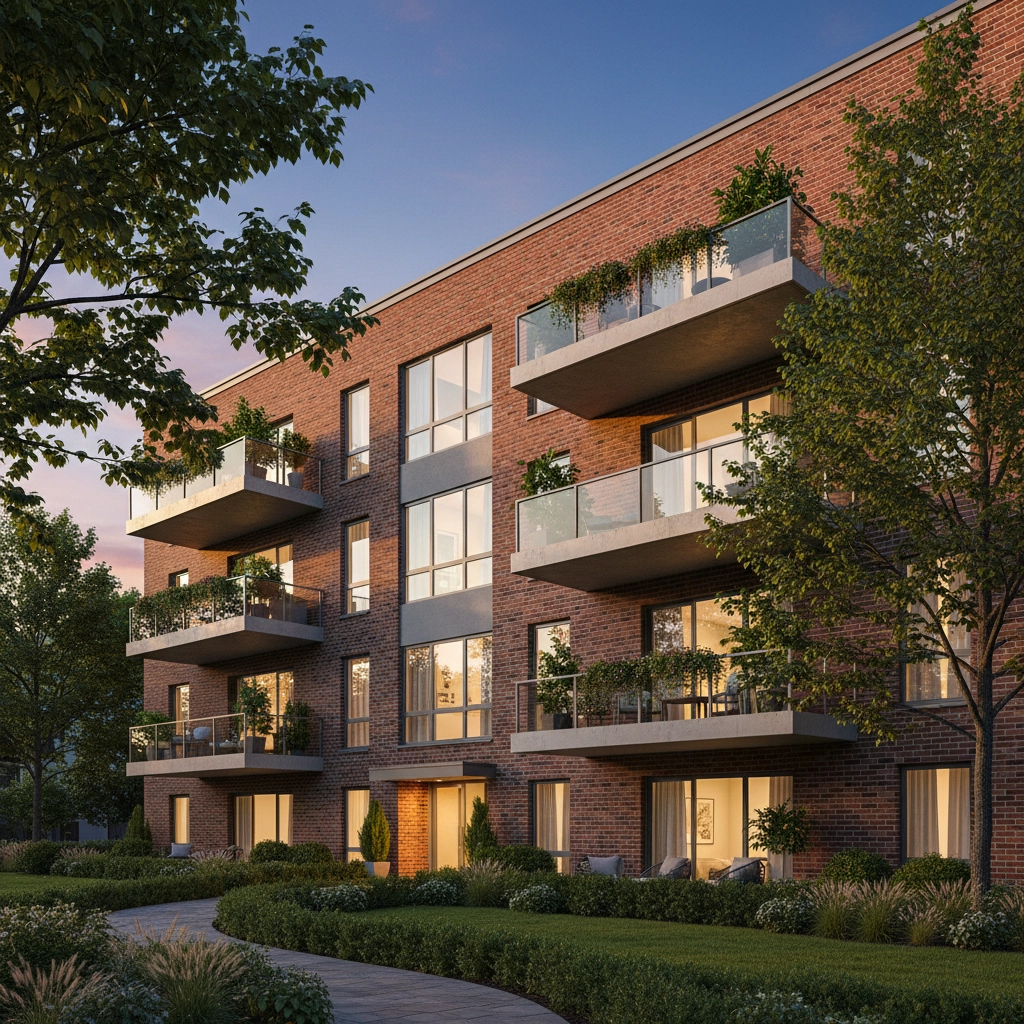
Property damage protection forms the foundation of apartment building insurance policies. The coverage protects the main building structure against damage from covered events, including all structural components such as walls, roofs, foundations, and building systems. This protection extends to fixtures and permanently installed equipment within the building.
For apartment buildings, property damage coverage typically includes common areas such as hallways, lobbies, laundry facilities, and shared recreational spaces. The coverage also protects landlord-owned appliances and equipment provided for tenant use, such as washers, dryers, and HVAC systems serving multiple units.
Standard landlord insurance policies do not cover tenants' personal belongings. Tenants need separate renters insurance policies to protect their personal property. This distinction becomes important when communicating coverage limitations to tenants in apartment buildings.
Liability Protection for Habitational Properties
Apartment buildings present increased liability exposure due to multiple tenants, visitors, and shared common areas. Liability protection covers property owners when they become legally responsible for injuries or property damage occurring on the premises.
Common liability scenarios for apartment buildings include slip-and-fall accidents in parking lots, injuries from defective handrails or stairs, swimming pool accidents, and incidents involving building maintenance issues. The coverage includes legal defense costs and settlement payments up to policy limits.
Medical payments coverage provides immediate financial assistance for minor injuries occurring on the property, regardless of fault determination. This coverage helps maintain positive tenant relationships by addressing medical expenses quickly without lengthy legal proceedings.
Loss of Rental Income Protection
Loss of rental income coverage becomes particularly valuable for apartment building owners due to the significant revenue impact when multiple units become uninhabitable. This protection covers lost rental income when covered perils make units unlivable, helping maintain cash flow during repair periods.
The coverage typically includes reasonable additional living expenses for displaced tenants and extra costs associated with temporary relocation. For apartment buildings, this might include costs for finding alternative housing for multiple displaced families and coordinating repairs across affected units.
Loss of rental income coverage usually applies for the time reasonably required to repair or replace the damaged property, up to policy limits. The coverage begins after a covered loss occurs and continues until tenants can return to their units or the policy limits are exhausted.
Additional Coverage Options for Apartment Buildings
Beyond core protection, apartment building owners can purchase additional coverage endorsements to address specific risks and enhance their protection.
Ordinance or Law Coverage helps cover costs associated with bringing damaged buildings up to current building codes after a covered loss. This coverage becomes particularly important for older apartment buildings that may not meet current construction standards.
Equipment Breakdown Coverage protects against damage to building systems such as boilers, air conditioning units, electrical systems, and elevators. For apartment buildings with multiple units sharing common systems, equipment breakdown coverage provides essential protection.
Tenant Discrimination Liability Coverage protects against claims alleging discriminatory practices in tenant selection or treatment. This coverage becomes increasingly important as fair housing regulations continue to evolve.

What Standard Policies Exclude
Standard landlord insurance policies for apartment buildings contain important exclusions that property owners should understand. Flood damage requires separate flood insurance coverage, which becomes particularly important for properties in flood-prone areas across Florida, Texas, Arizona, Idaho, and Washington.
Earthquake damage requires separate earthquake insurance coverage. Properties in seismically active areas, particularly in Washington and Idaho, may benefit from earthquake coverage evaluation.
Normal wear and tear, maintenance issues, and gradual deterioration are not covered under standard policies. Property owners remain responsible for regular maintenance and upkeep of their apartment buildings.
Special Considerations for Apartment Buildings
Apartment buildings present unique insurance considerations due to their multi-unit nature and shared building systems. Insurance companies evaluate factors such as building age, construction type, occupancy rates, and tenant screening practices when determining coverage and premium structures.
Common area maintenance and security measures impact insurance considerations. Well-maintained properties with adequate lighting, security systems, and regular maintenance typically present lower risk profiles to insurance carriers.
Tenant turnover rates and screening practices also influence insurance evaluations. Properties with stable, long-term tenants and thorough screening processes generally present lower liability risks than properties with frequent tenant changes.
Building Code Compliance and Updates
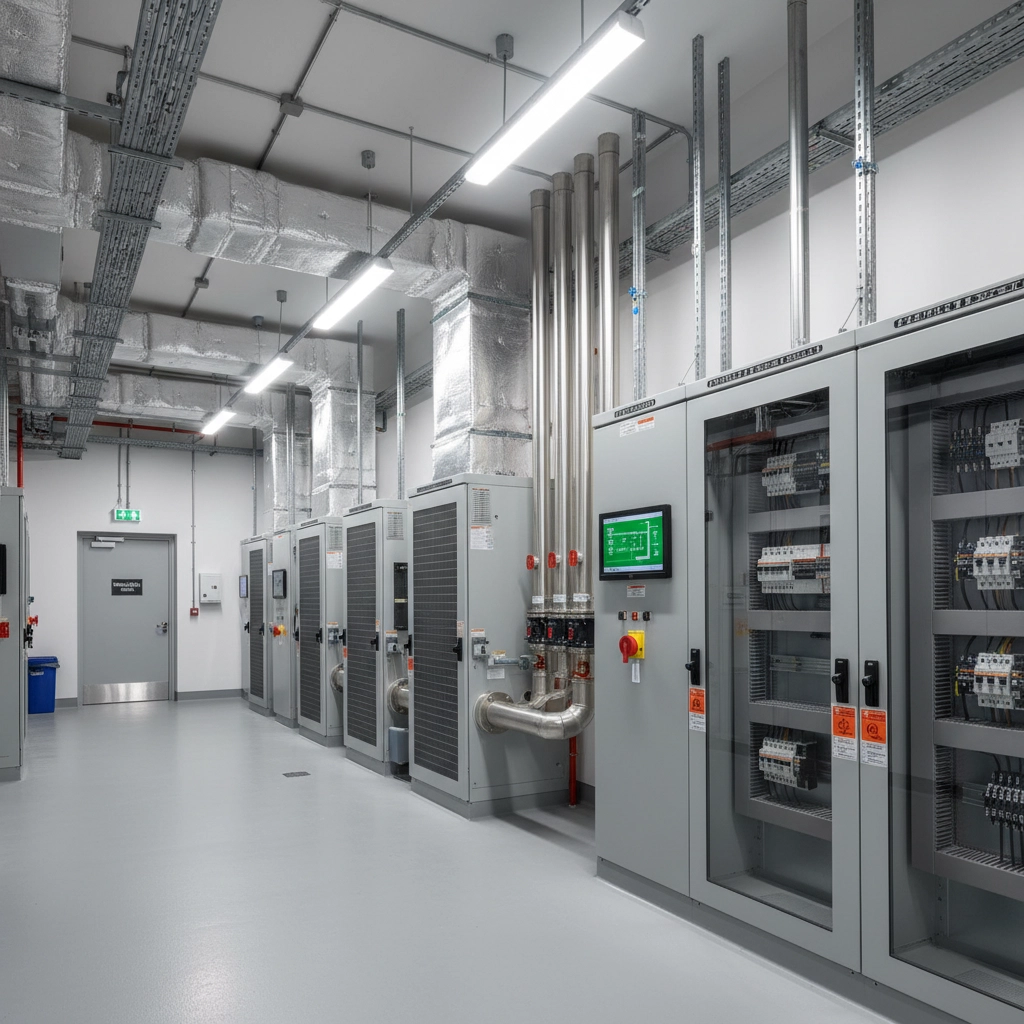
Apartment buildings must comply with local building codes and safety regulations, which can impact insurance coverage requirements. Properties in Florida, Texas, Arizona, Idaho, and Washington must meet state-specific building standards and safety requirements.
Regular building inspections and code compliance updates help maintain insurance coverage and may qualify properties for better rates. Insurance carriers often require compliance with local fire safety codes, building accessibility standards, and environmental regulations.
Working with Insurance Professionals
Apartment building insurance requires specialized knowledge of habitational risks and multi-unit property exposures. Working with experienced insurance professionals helps ensure adequate coverage for complex apartment building risks.
Insurance professionals can evaluate specific property characteristics, local risk factors, and coverage needs to recommend appropriate protection levels. Regular coverage reviews help ensure policies remain adequate as properties change and insurance markets evolve.
Insurance Alliance LLC provides comprehensive landlord insurance solutions for apartment buildings across Florida, Texas, Arizona, Idaho, and Washington. Our experienced team understands the unique challenges facing apartment building owners and develops customized insurance programs to protect your investment and rental income. Contact us today to discuss your apartment building insurance needs and explore coverage options designed for habitational properties.


Comments