
Landlord Insurance 101: Essential Protection for Property Owners
- marketing676641
- Nov 5, 2025
- 5 min read
Landlord insurance provides essential financial protection for property owners who rent residential or commercial properties to tenants. This specialized coverage addresses unique risks that standard homeowners insurance does not cover, including tenant-related damage, liability exposure, and loss of rental income.
Property owners across Florida, Texas, Arizona, Idaho, and Washington face distinct challenges when protecting their rental investments. Landlord insurance offers comprehensive protection tailored to the specific needs of rental property ownership.
Understanding Landlord Insurance Coverage
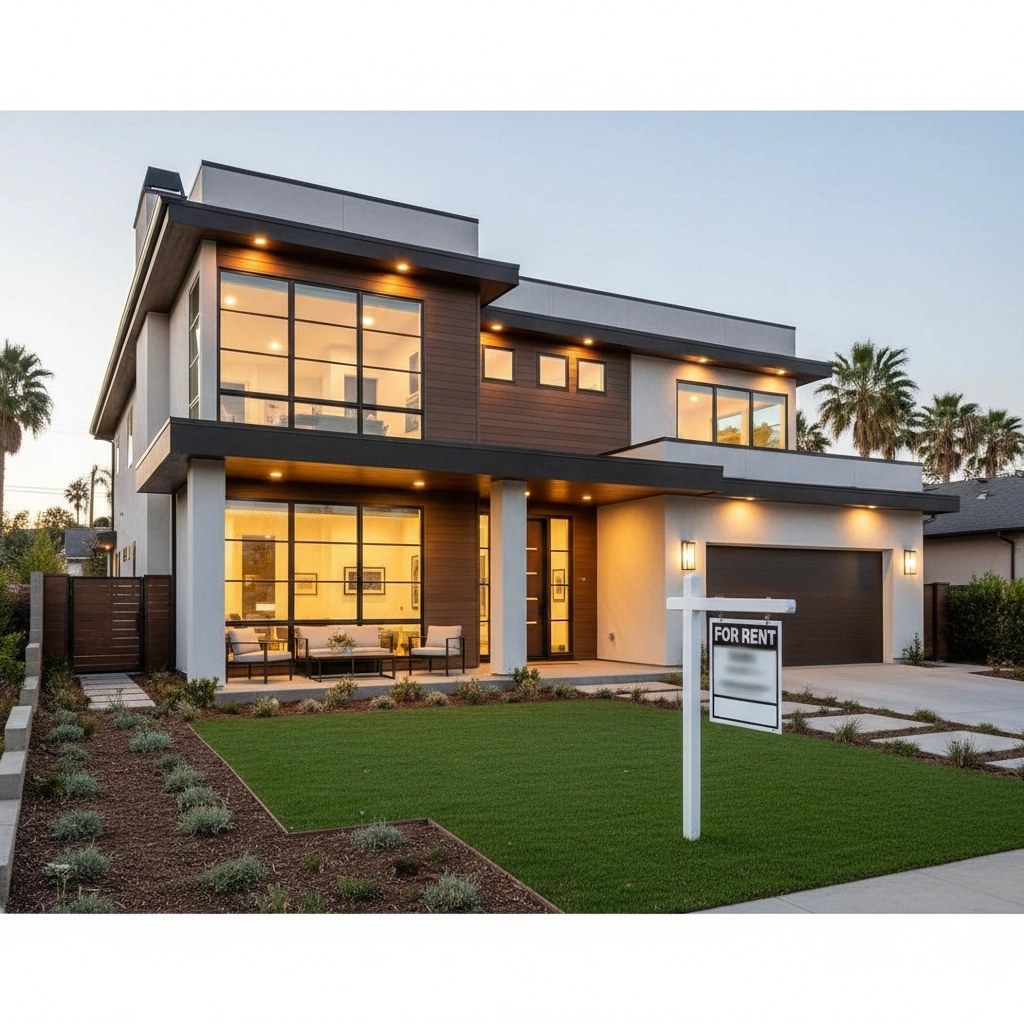
Landlord insurance differs significantly from standard homeowners insurance. The policy protects property owners from financial losses associated with renting properties to tenants. Coverage extends beyond basic property protection to include tenant-related risks and liability concerns specific to rental situations.
The insurance policy covers the landlord's interests exclusively. Tenant personal property and liability remain the tenant's responsibility through their own renter's insurance policy.
Core Protection Areas
Dwelling Coverage
Dwelling coverage protects the physical structure of rental properties against damage from covered perils. Protection includes fire, lightning, windstorms, hail, explosions, theft, vandalism, smoke damage, and water intrusion from internal sources like leaky pipes or sprinkler systems.
Coverage extends to the main building structure and other permanent structures on the property. Property owners receive financial assistance to repair or rebuild damaged structures up to policy limits.
Liability Protection
Liability coverage shields property owners from financial responsibility when injuries occur on rental property premises. Coverage includes legal defense costs and compensation for medical bills or property damage claims resulting from the landlord's negligence.
Protection extends to situations where tenants or visitors suffer injuries due to property conditions or maintenance issues. Liability limits vary based on policy selection and property risk assessment.
Loss of Rental Income
Loss of rental income coverage compensates property owners for missed rent payments when properties become uninhabitable due to covered events. Coverage continues during repair periods when properties cannot generate rental revenue.
This protection maintains financial stability for property owners who depend on rental income for mortgage payments and property expenses.
Property Type Considerations
Single-Family Rental Properties
Single-family rental homes require landlord insurance that covers the entire dwelling structure and associated outbuildings. Coverage considerations include detached garages, sheds, fencing, and landscaping features that tenants use regularly.
Property owners benefit from replacement cost coverage that accounts for current construction costs and building code upgrades. Additional living expense coverage helps when temporary tenant relocation becomes necessary.
Multifamily Properties
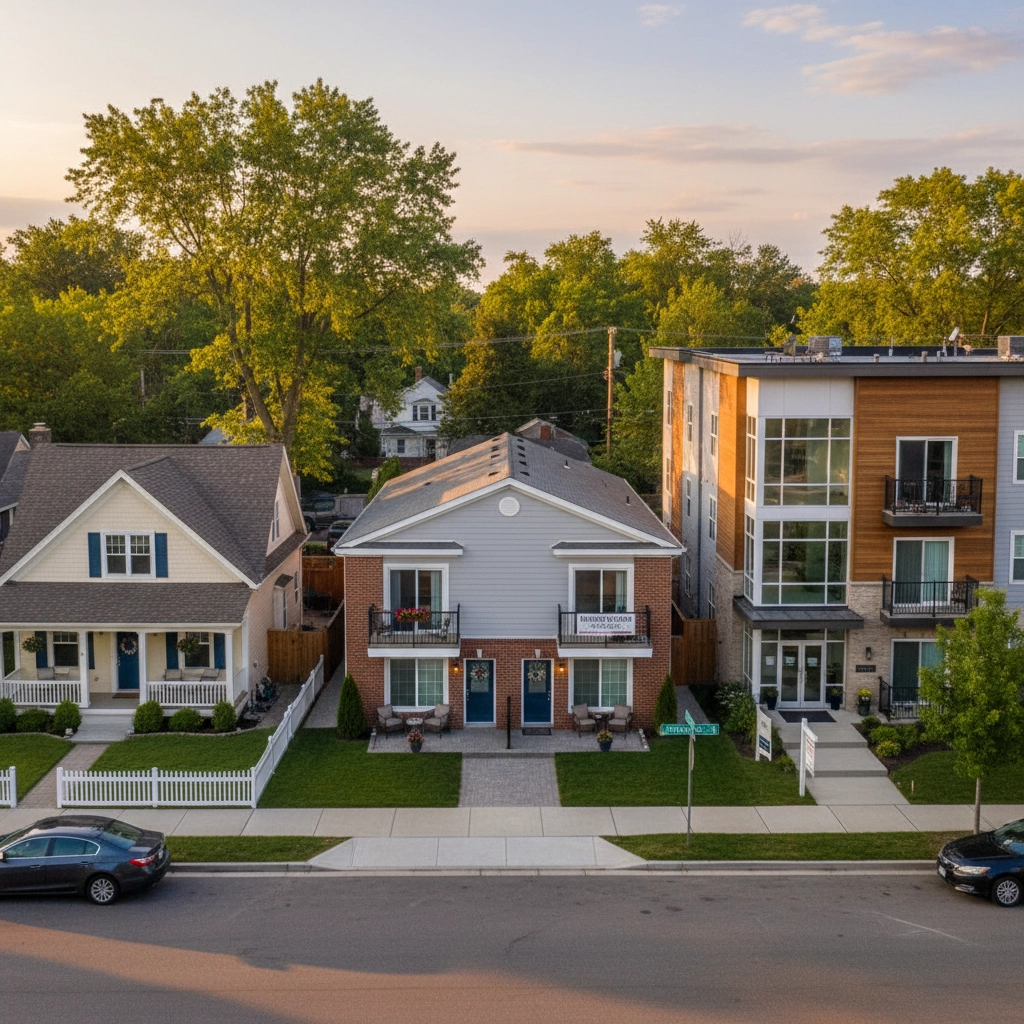
Multifamily properties present increased liability exposure due to multiple tenant units and shared common areas. Insurance coverage must address risks associated with stairways, hallways, laundry facilities, and parking areas.
Coverage calculations consider the number of units, building age, construction materials, and safety features. Property owners often require higher liability limits due to increased tenant interaction and potential claim frequency.
Apartment Buildings
Apartment buildings require comprehensive coverage that addresses complex property management responsibilities. Coverage includes elevator systems, HVAC equipment, roofing systems, and electrical infrastructure that serves multiple units.
Commercial-grade liability protection becomes essential due to high tenant density and frequent visitor traffic. Property owners benefit from loss of rental income coverage that accounts for multiple unit vacancy during repair periods.
Condominium Rentals
Condominium rental insurance addresses the unique ownership structure where individual unit owners rent to tenants while sharing common area responsibilities with the homeowners association.
Coverage focuses on interior unit protection while coordinating with master association policies that cover building exteriors and common areas. Property owners need coverage that fills gaps between personal responsibility and association coverage.
Regional Coverage Considerations
Florida Landlord Insurance
Florida property owners face increased weather-related risks including hurricanes, tropical storms, and flooding. Landlord insurance policies require wind and hail coverage appropriate for coastal and inland property locations.
Flood insurance through the National Flood Insurance Program provides essential protection that standard landlord policies exclude. Property owners benefit from impact-resistant feature discounts and hurricane mitigation credits.
Texas Property Protection
Texas landlord insurance addresses diverse weather risks including tornadoes, hailstorms, and severe thunderstorms. Coverage considerations include wind damage, hail damage, and lightning strike protection for various property types.
Drought conditions and wildfire risks in certain Texas regions require specific coverage discussions. Property owners benefit from comprehensive dwelling coverage that addresses regional construction standards and materials.
Arizona Rental Insurance
Arizona property owners face unique risks including monsoon storms, flash flooding, and extreme heat damage. Coverage addresses property damage from dust storms, roof damage from intense sun exposure, and HVAC system strain.
Water damage coverage becomes critical due to flash flood potential in desert regions. Property owners require coverage that addresses stucco and tile roof construction common in Arizona properties.

Idaho Landlord Coverage
Idaho property owners encounter winter weather risks including heavy snow loads, ice damage, and freezing pipe concerns. Coverage addresses seasonal risks that affect property structures and tenant habitability.
Mountain and rural properties require coverage that accounts for limited emergency services access and extended repair timelines. Property owners benefit from comprehensive loss of rental income coverage during winter weather events.
Washington State Protection
Washington property owners face earthquake risks, heavy rainfall, and potential landslide concerns depending on geographic location. Coverage addresses unique regional risks including mold growth from persistent moisture.
Earthquake insurance provides essential protection that standard policies exclude. Property owners in certain areas require coverage that addresses basement flooding and foundation concerns.
Optional Coverage Enhancements
Building Code Coverage
Building code coverage provides additional funds when repairs require compliance with updated building standards. Coverage addresses cost differences between original construction standards and current building code requirements.
Vandalism Protection
Enhanced vandalism coverage protects against malicious damage beyond standard policy limits. Coverage addresses graffiti removal, broken windows, and intentional property damage by tenants or third parties.
Equipment Breakdown Coverage
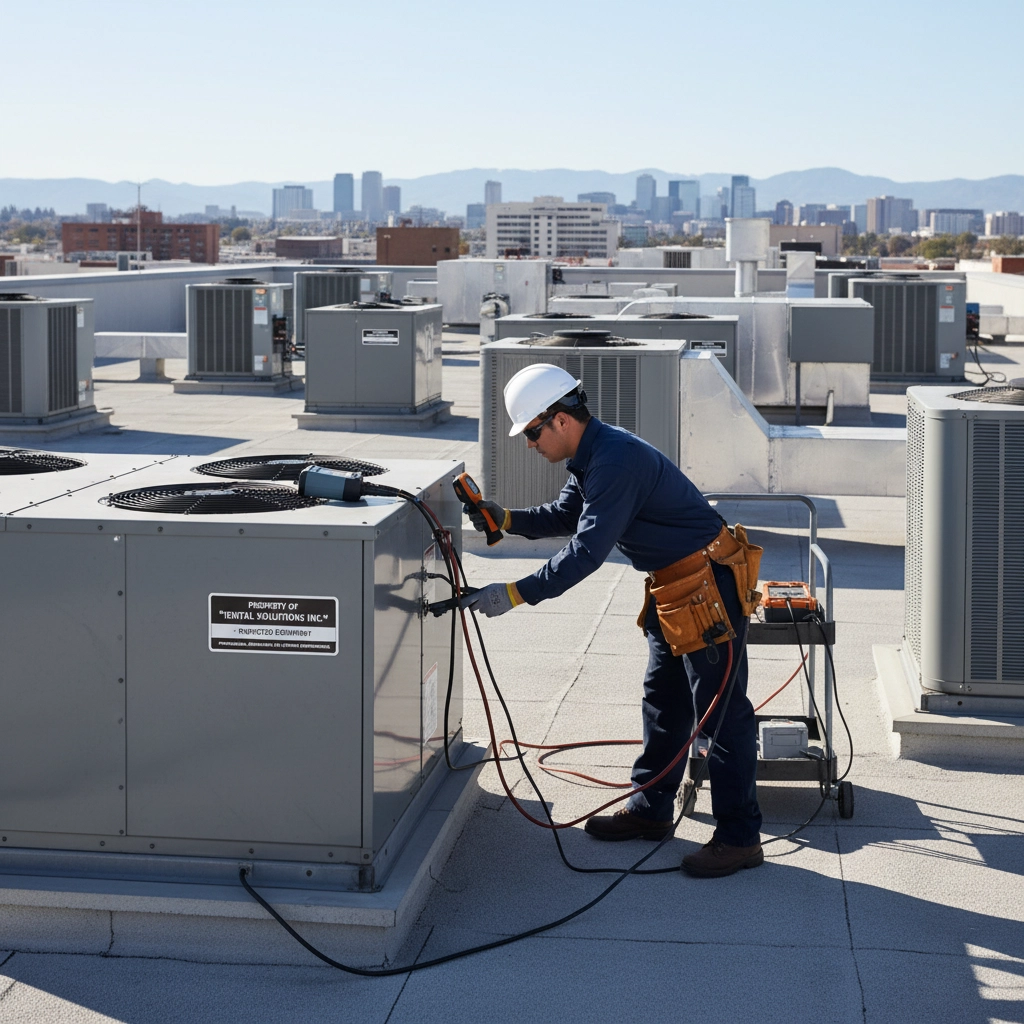
Equipment breakdown coverage protects mechanical systems including HVAC units, water heaters, and electrical panels. Coverage addresses sudden mechanical failure that standard policies may exclude.

Essential Protection Benefits
Financial Security
Landlord insurance provides financial protection against unexpected repair costs that could significantly impact property profitability. Coverage ensures property owners maintain financial stability during claim events.
Legal Defense
Liability coverage includes legal defense costs when tenants or third parties file lawsuits against property owners. Protection covers attorney fees, court costs, and settlement expenses within policy limits.
Business Continuity
Loss of rental income coverage maintains cash flow during property repairs. Coverage ensures property owners meet mortgage obligations and property expenses when rental income stops temporarily.
Professional Insurance Guidance
Property owners benefit from professional insurance consultation that addresses specific property types and regional risk factors. Insurance professionals assess individual property risks and recommend appropriate coverage levels.
Regular policy reviews ensure coverage remains adequate as property values increase and risk factors change. Professional guidance helps property owners understand coverage options and make informed protection decisions.
Insurance Alliance LLC provides comprehensive landlord insurance solutions for property owners across Florida, Texas, Arizona, Idaho, and Washington. Our experienced team understands regional risks and property-specific coverage needs that protect rental property investments effectively.
Contact Insurance Alliance LLC today to discuss landlord insurance options that provide complete protection for your rental property portfolio. Our professional team ensures your properties receive appropriate coverage at competitive rates.


Comments