
Landlord Insurance 101: Essential Protection for All Property Types
- marketing676641
- Nov 5, 2025
- 5 min read
Landlord insurance provides specialized protection for property owners who rent residential units to tenants. This comprehensive coverage differs significantly from standard homeowners insurance by addressing the unique risks associated with rental properties. Property owners across Florida, Texas, Arizona, Idaho, and Washington rely on landlord insurance to protect their investments and maintain steady rental income.
Understanding Landlord Insurance Fundamentals
Landlord insurance combines property protection with liability coverage specifically designed for rental properties. This specialized insurance protects the physical structure while providing business-oriented coverage that standard homeowners policies lack. The policy serves as a safety net when covered perils damage your property or when liability issues arise with tenants and visitors.
Property owners need this protection regardless of whether they rent a single-family home, manage apartment buildings, or own multiple units. The insurance addresses gaps that exist when transitioning from owner-occupied to rental property status.
Core Coverage Components
Property Damage Protection
This fundamental coverage protects rental property structures from various perils. Fire damage, windstorms, hail, lightning strikes, and explosions fall under standard protection. Water damage from burst pipes or plumbing failures receives coverage, along with theft and vandalism incidents. The policy extends to detached structures like garages, storage buildings, and fences.
Property damage coverage applies to permanent fixtures and building systems including electrical, plumbing, and HVAC components. Flooring, built-in appliances, and structural elements receive protection when covered perils cause damage.
Liability Coverage
Legal liability protection shields property owners from financial exposure when accidents occur on rental premises. Slip and fall incidents, injuries from defective conditions, or accidents in common areas trigger liability claims. This coverage handles medical expenses for injured parties and legal defense costs when lawsuits arise.
Property owners face significant financial risk without proper liability protection. Claims can result from inadequate maintenance, unsafe conditions, or accidents involving visitors and tenants. Comprehensive liability coverage provides essential protection across all property types.
Loss of Rental Income
Income protection coverage compensates property owners when covered events prevent rent collection. Fire damage, storm destruction, or other covered perils may render units uninhabitable during repair periods. This coverage replaces lost rental income while repairs restore the property to rentable condition.
Property owners continue facing mortgage payments, taxes, and other expenses during repair periods. Loss of rental income coverage maintains financial stability when properties cannot generate revenue due to covered damage.
Property Types and Coverage Applications
Single-Family Rental Homes
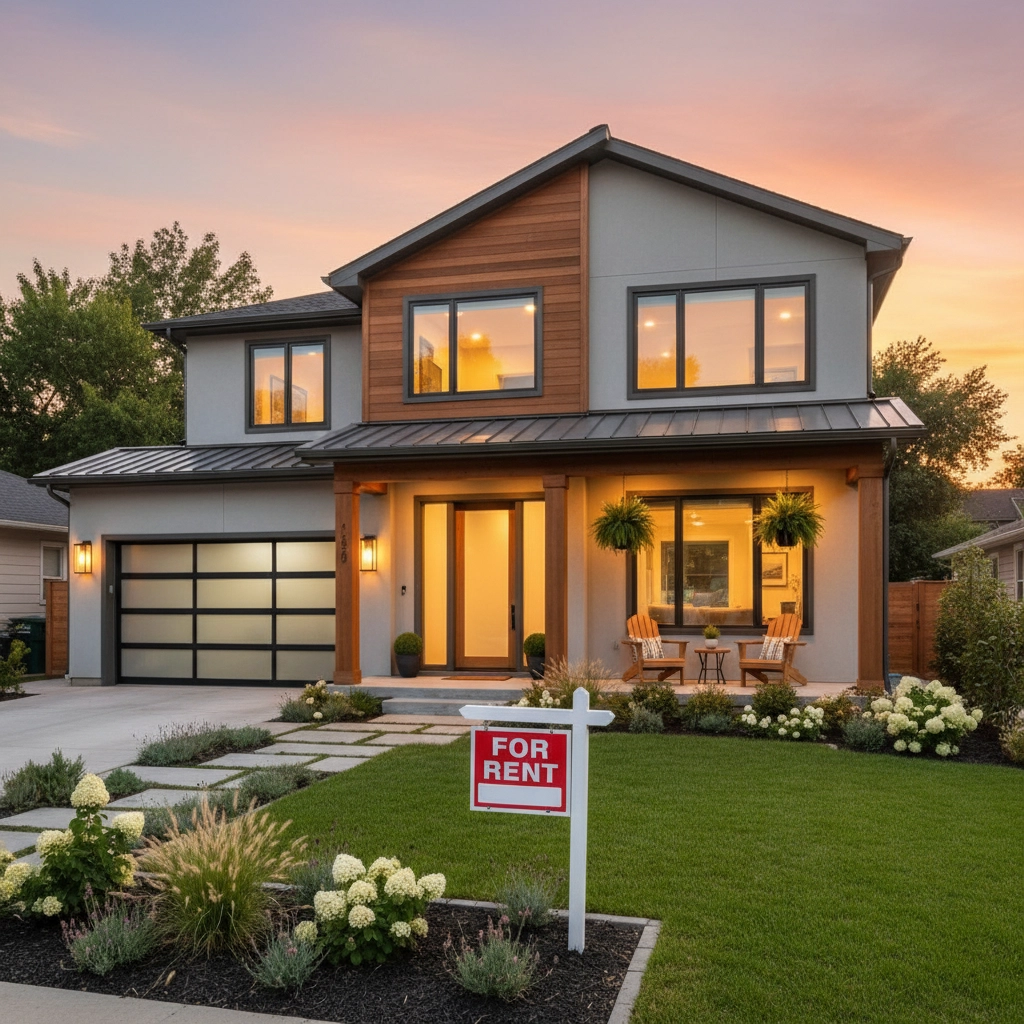
Single-family rental properties require comprehensive landlord insurance addressing structure protection and liability exposure. These properties face risks from tenant negligence, weather events, and mechanical failures. Coverage protects the entire structure including attached garages and outbuildings.
Property owners renting single-family homes benefit from policies that address tenant-related risks while maintaining investment protection. The insurance adapts to various home styles and property configurations common in residential rental markets.
Multifamily Properties
Multifamily buildings housing multiple tenant households need specialized coverage addressing increased liability exposure. Common areas like hallways, laundry facilities, and parking areas create additional risk factors. Properties with two to four units typically qualify for standard landlord insurance policies.
Building owners manage greater tenant interaction and higher traffic volumes in multifamily properties. Coverage addresses risks associated with tenant disputes, shared facilities, and building system failures affecting multiple units simultaneously.
Apartment Buildings
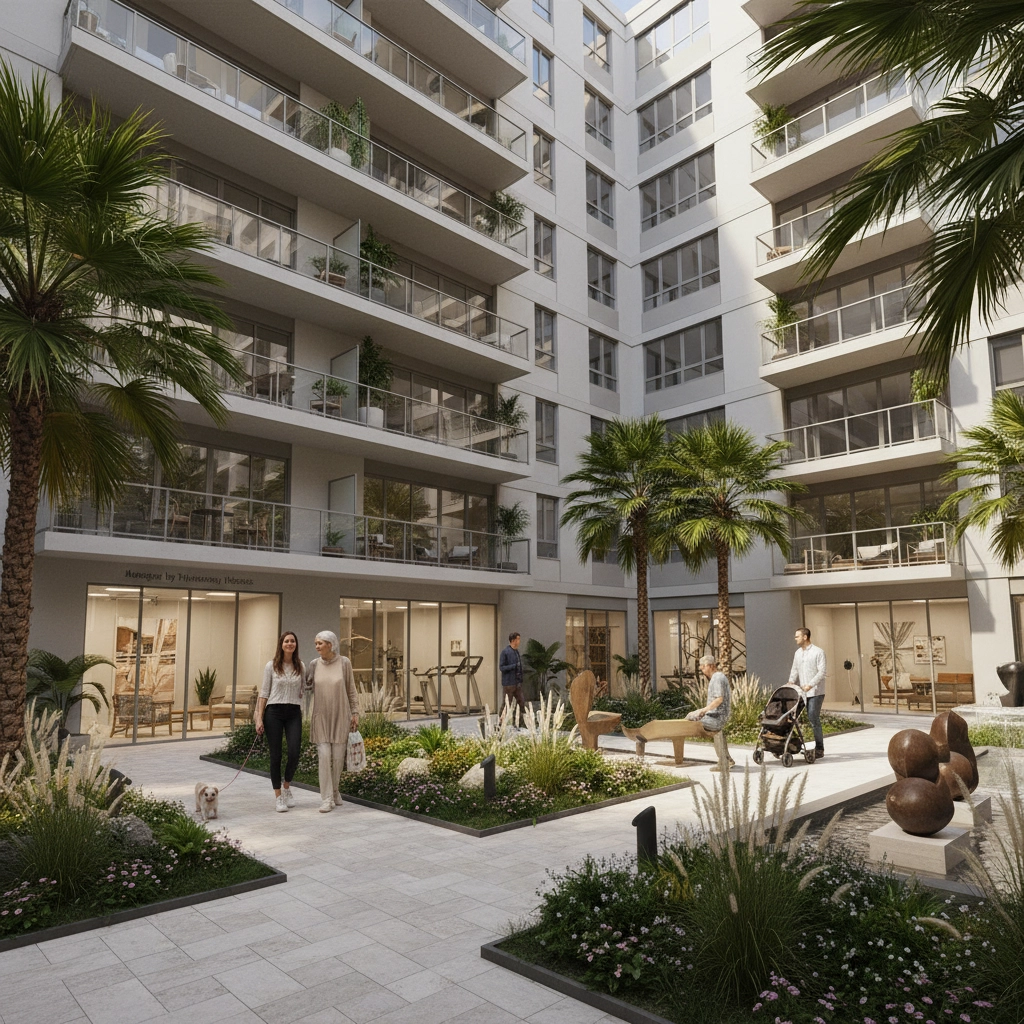
Large apartment complexes require comprehensive property coverage addressing complex building systems and extensive common areas. Elevators, centralized heating systems, and recreational facilities create unique risk exposures. Commercial-grade coverage often applies to properties with multiple residential units.
Apartment building coverage addresses risks from tenant turnover, common area maintenance, and building code compliance. Property owners need protection that scales with property size and tenant population.
Condominium Rentals
Condo rental properties present unique insurance considerations due to homeowners association involvement. Individual unit coverage supplements building insurance maintained by the association. Property owners need protection for interior fixtures, improvements, and liability within their units.
Condo rental coverage addresses tenant damage to unit interiors and personal property belonging to property owners. Liability protection remains essential for incidents occurring within individual units or affecting other association members.
Additional Protection Options
Enhanced Liability Coverage
Standard liability limits may prove insufficient for serious injury claims or property damage incidents. Umbrella policies extend liability protection beyond basic coverage limits. Property owners with significant assets benefit from additional liability protection addressing worst-case scenarios.
Enhanced liability coverage applies to various incident types including tenant injuries, visitor accidents, and third-party property damage claims. This protection shields personal assets from lawsuit judgments exceeding standard policy limits.
Personal Property Coverage
Property owners often leave appliances, furniture, and maintenance equipment at rental properties. Personal property coverage protects these items from theft, vandalism, and covered perils. Replacement cost coverage ensures adequate compensation for damaged or stolen items.
This coverage applies to items property owners provide for tenant use or convenience. Appliances, lawn equipment, and furnishing receive protection when covered events cause damage or loss.
Ordinance and Law Coverage
Building code updates may require extensive modifications when repairing damaged structures. Ordinance and law coverage addresses additional expenses when current codes differ from original construction standards. This protection ensures adequate funds for code compliance during reconstruction.
Property owners face significant out-of-pocket expenses when repairs require building upgrades. This coverage bridges the gap between standard repair estimates and actual costs including required improvements.
Policy Considerations and Requirements
Documentation Requirements
Insurance applications require detailed property information including construction details, rental history, and safety features. Property owners must provide accurate tenant information and rental income documentation. Complete applications ensure proper coverage and prevent claim disputes.
Insurers evaluate risk factors including property location, construction type, and tenant screening procedures. Comprehensive documentation supports favorable underwriting decisions and appropriate coverage recommendations.
Coverage Limits and Deductibles
Property values determine appropriate coverage limits for structural protection. Property owners should regularly review coverage amounts ensuring adequate protection for current replacement values. Higher deductibles reduce premium obligations while transferring more risk to property owners.
Income replacement coverage limits should reflect actual rental income potential. Property owners need sufficient coverage maintaining financial obligations during extended repair periods.
Maintenance and Risk Management
Regular property maintenance reduces claim frequency and severity while supporting favorable insurance relationships. Property owners should implement tenant screening procedures minimizing liability exposure. Safety improvements including smoke detectors, security systems, and proper lighting reduce various risk factors.
Documented maintenance programs demonstrate responsible property management supporting claim processing and renewal procedures. Professional property management may qualify for favorable insurance consideration due to systematic risk management procedures.
Working with Insurance Professionals
Insurance Alliance LLC specializes in landlord insurance across Florida, Texas, Arizona, Idaho, and Washington. Professional guidance ensures appropriate coverage selection addressing specific property types and risk exposures. Regular policy reviews maintain adequate protection as property portfolios expand or change.
Expert insurance consultation addresses complex coverage questions and helps property owners understand policy features. Professional relationships support efficient claim processing and policy modifications when property circumstances change.
Contact Insurance Alliance LLC for comprehensive landlord insurance consultation tailored to your specific property types and protection needs.

Comments