
Is Your Restaurant's Liquor Liability Coverage Dead? What Owners Need to Know About the Market Crisis
- marketing676641
- Nov 14, 2025
- 4 min read
Restaurant owners serving alcohol face unprecedented challenges in securing adequate liquor liability coverage. The insurance market has shifted dramatically, creating gaps that threaten business operations across Florida, Texas, Arizona, Idaho, and Washington.
Understanding these changes helps restaurant owners protect their establishments and maintain compliance with local regulations.
What Liquor Liability Coverage Protects
Liquor liability insurance protects restaurants from claims arising from alcohol service to patrons. This coverage addresses situations where intoxicated customers cause property damage or injury to others after leaving your establishment.
The coverage extends beyond your restaurant's physical boundaries. Protection includes incidents occurring hours after alcohol service, making comprehensive coverage essential for any establishment serving beer, wine, or spirits.
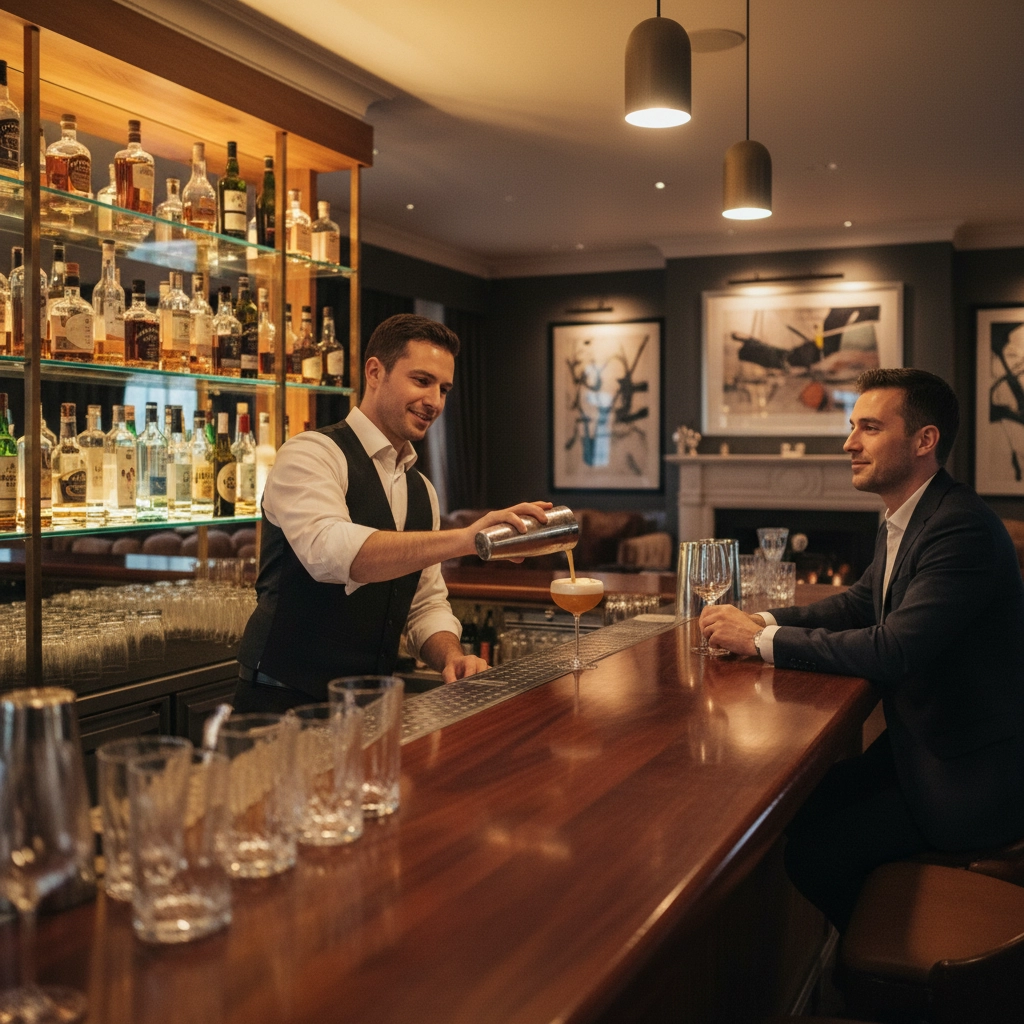
Standard general liability policies typically exclude alcohol-related claims. Separate liquor liability coverage fills this critical gap, providing defense against lawsuits and claims resulting from alcohol service decisions.
Coverage Requirements Across Our Licensed States
Restaurant owners must understand liquor liability requirements in their operating states. Each jurisdiction maintains specific coverage mandates tied to liquor licensing and business operations.
Florida requires liquor liability coverage for establishments with on-premises alcohol licenses. The state mandates minimum coverage limits that align with business size and alcohol sales volume.
Texas establishments serving alcohol must carry liquor liability protection as part of their licensing requirements. Coverage requirements vary based on license type and operational scope.
Arizona mandates liquor liability insurance for businesses holding on-sale liquor licenses. The state requires proof of coverage for license renewals and transfers.
Idaho requires liquor liability coverage for establishments serving alcohol for consumption on premises. Coverage must remain active throughout the license period.
Washington state mandates liquor liability insurance for businesses with liquor licenses. Coverage requirements tie directly to license classification and business operations.
Key Coverage Features Restaurant Owners Need
Comprehensive liquor liability coverage includes several essential components. Host liquor liability protects special events and catered functions where your restaurant provides alcohol service.
Product liability coverage addresses claims from contaminated or improperly served alcoholic beverages. This protection covers situations involving allergic reactions or illness from beverage service.
Legal defense coverage provides attorney fees and court costs when facing alcohol-related lawsuits. This feature protects restaurant owners from expensive legal proceedings regardless of claim validity.
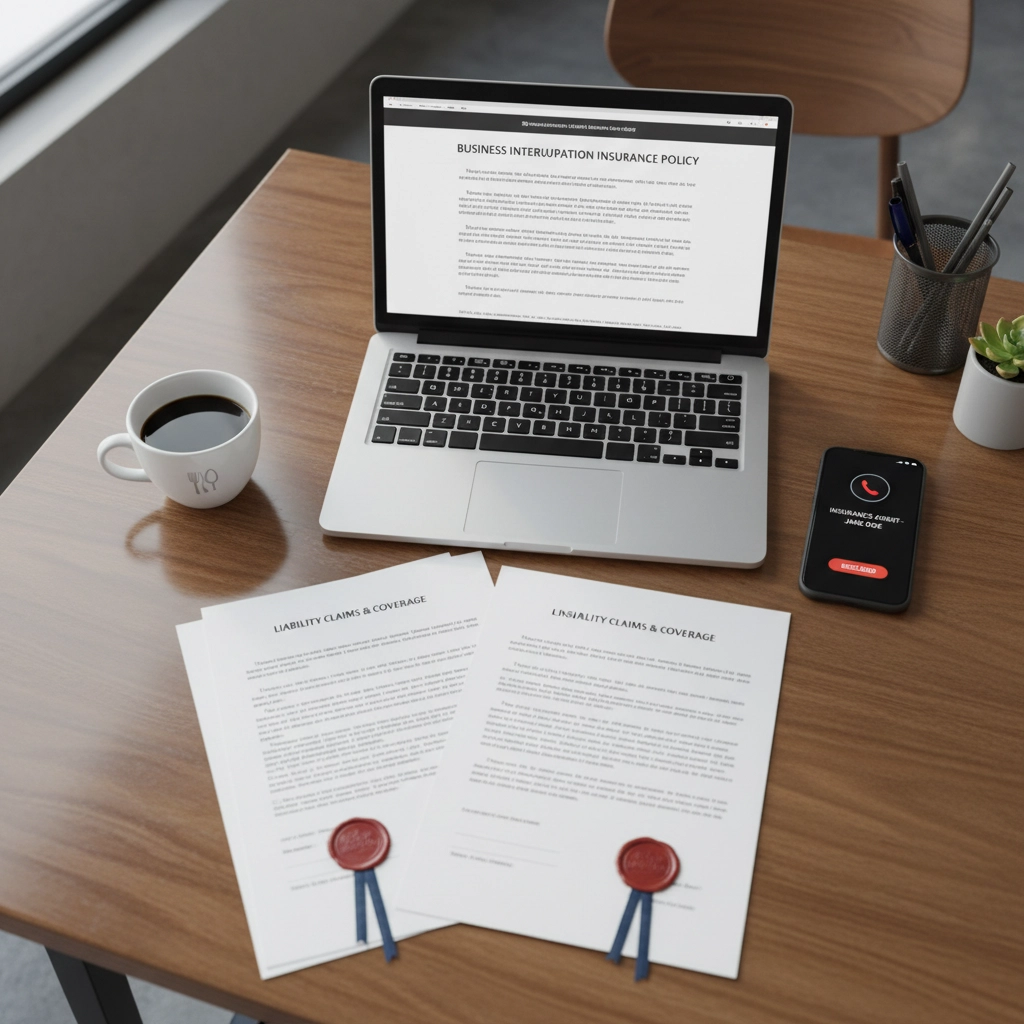
Third-party coverage protects against claims from customers injured by intoxicated patrons. This includes situations where alcohol service contributes to accidents involving non-customers.
Market Challenges Affecting Coverage Availability
Insurance carriers have reduced their appetite for liquor liability risks. Fewer companies offer coverage, limiting options for restaurant owners seeking adequate protection.
Underwriting standards have become more stringent across the industry. Insurers now require detailed operational information and risk management documentation before issuing policies.
Coverage capacity has decreased as carriers limit their exposure to alcohol-related claims. This reduction affects policy availability and coverage options for restaurant operators.
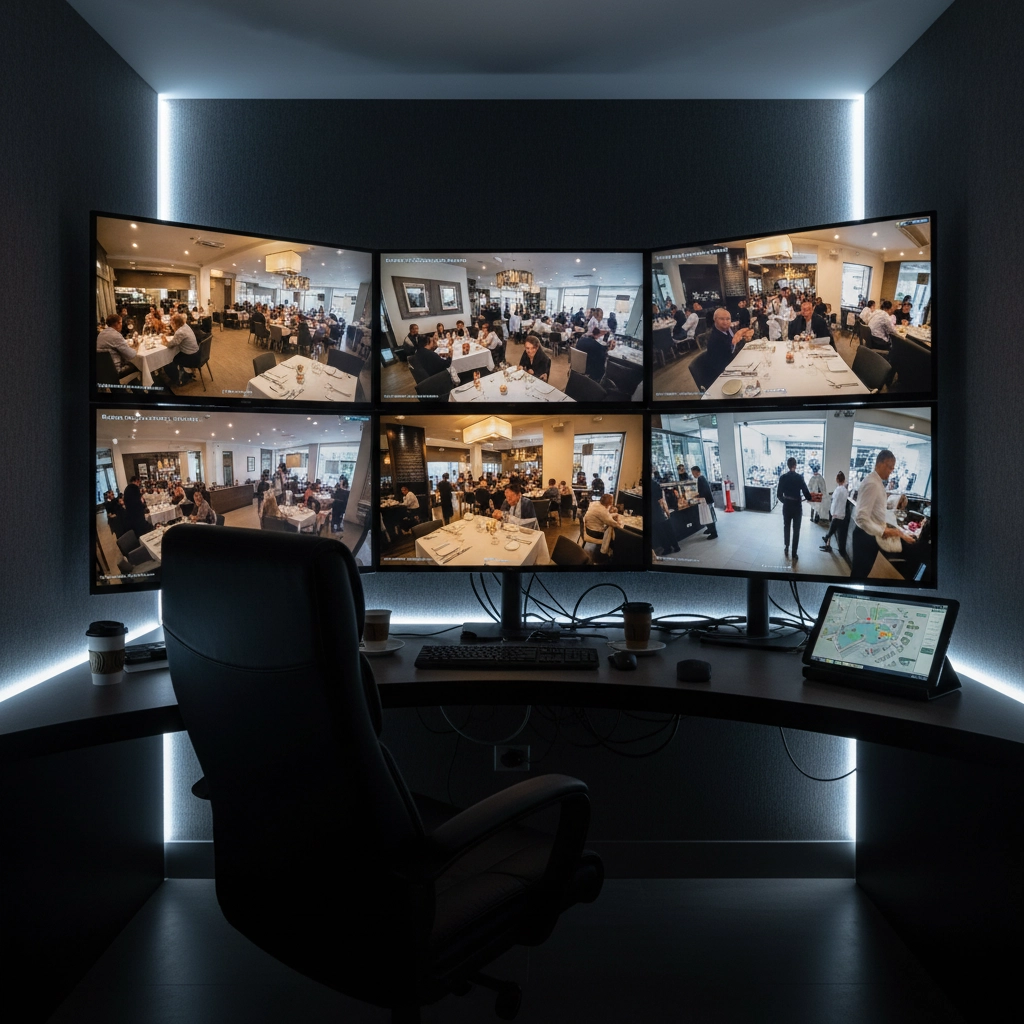
Risk assessment procedures have intensified, requiring extensive business documentation. Restaurant owners must demonstrate comprehensive alcohol service training and responsible serving practices.
Essential Coverage Components for Restaurant Operations
Dram shop liability forms the foundation of liquor liability coverage. This protection addresses claims where alcohol service contributes to third-party injuries or property damage.
Commercial host liquor liability covers special events and private parties. Restaurants hosting weddings, corporate events, or private gatherings need this additional protection.
Employee dishonesty coverage protects against staff serving alcohol to minors or intoxicated individuals. This feature addresses violations of responsible serving protocols.
Assault and battery coverage provides protection when alcohol-related incidents escalate to physical confrontations. This coverage addresses situations occurring on restaurant premises.
Risk Management Strategies for Better Coverage
Implementing comprehensive staff training programs demonstrates commitment to responsible alcohol service. Training documentation strengthens insurance applications and supports claim defense.
Establishing clear alcohol service policies creates operational consistency. Written procedures for checking identification and recognizing intoxication signs improve risk management.
Installing security measures like surveillance cameras provides evidence in claim investigations. Video documentation supports defense against false or exaggerated claims.
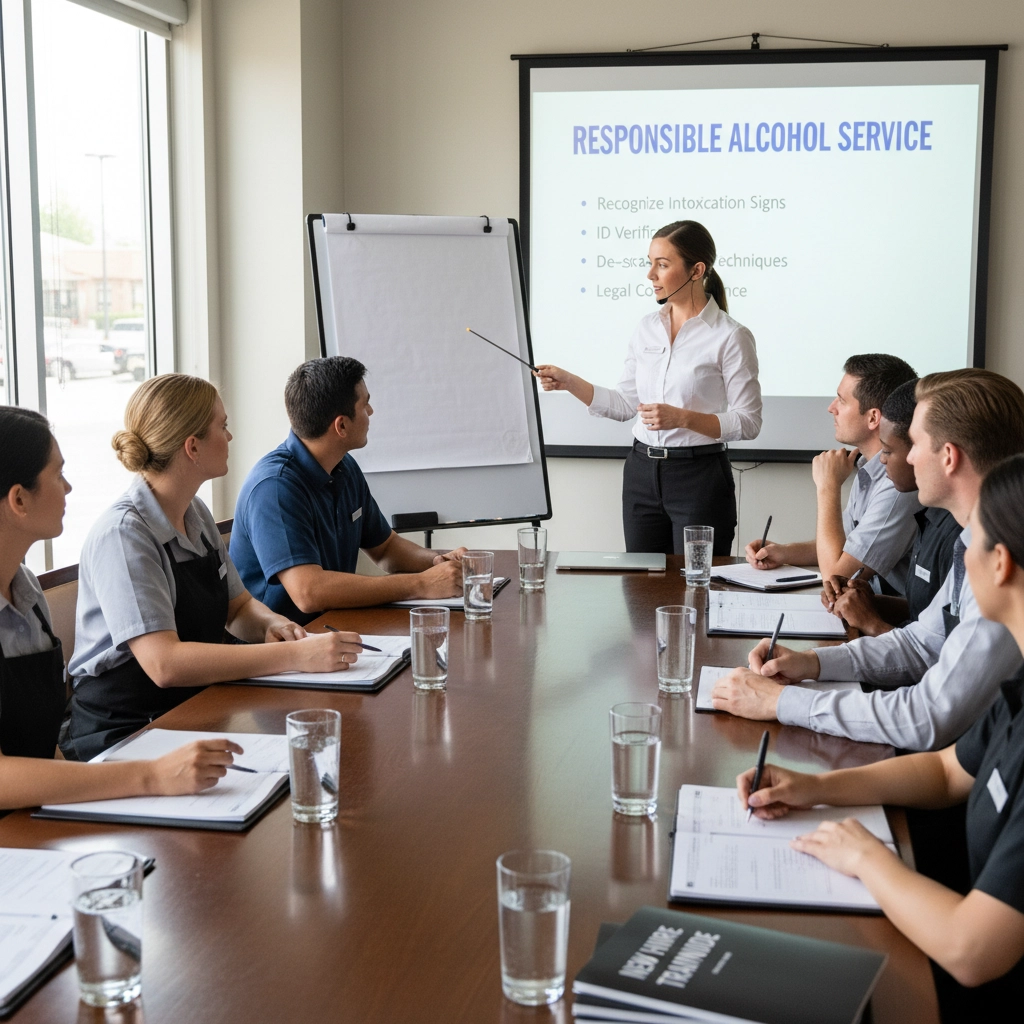
Maintaining incident logs documents all alcohol-related occurrences. Detailed records support insurance claims and demonstrate proactive risk management.
Working with Insurance Professionals
Restaurant owners benefit from working with agents experienced in liquor liability coverage. Specialized knowledge helps navigate market challenges and identify available coverage options.
Insurance professionals help structure coverage to meet specific operational needs. Proper policy design addresses unique risks while maintaining regulatory compliance.
Regular coverage reviews ensure protection remains adequate as business operations change. Annual assessments help identify gaps and adjust coverage limits appropriately.
Documentation Requirements for Coverage Applications
Insurers require detailed business information for liquor liability applications. Documentation includes liquor license details, operational procedures, and staff training records.
Financial statements demonstrate business stability and ability to manage risks responsibly. Insurers review revenue sources and alcohol sales percentages during underwriting.
Safety protocols and training documentation show commitment to responsible service. Comprehensive programs improve insurability and support coverage applications.
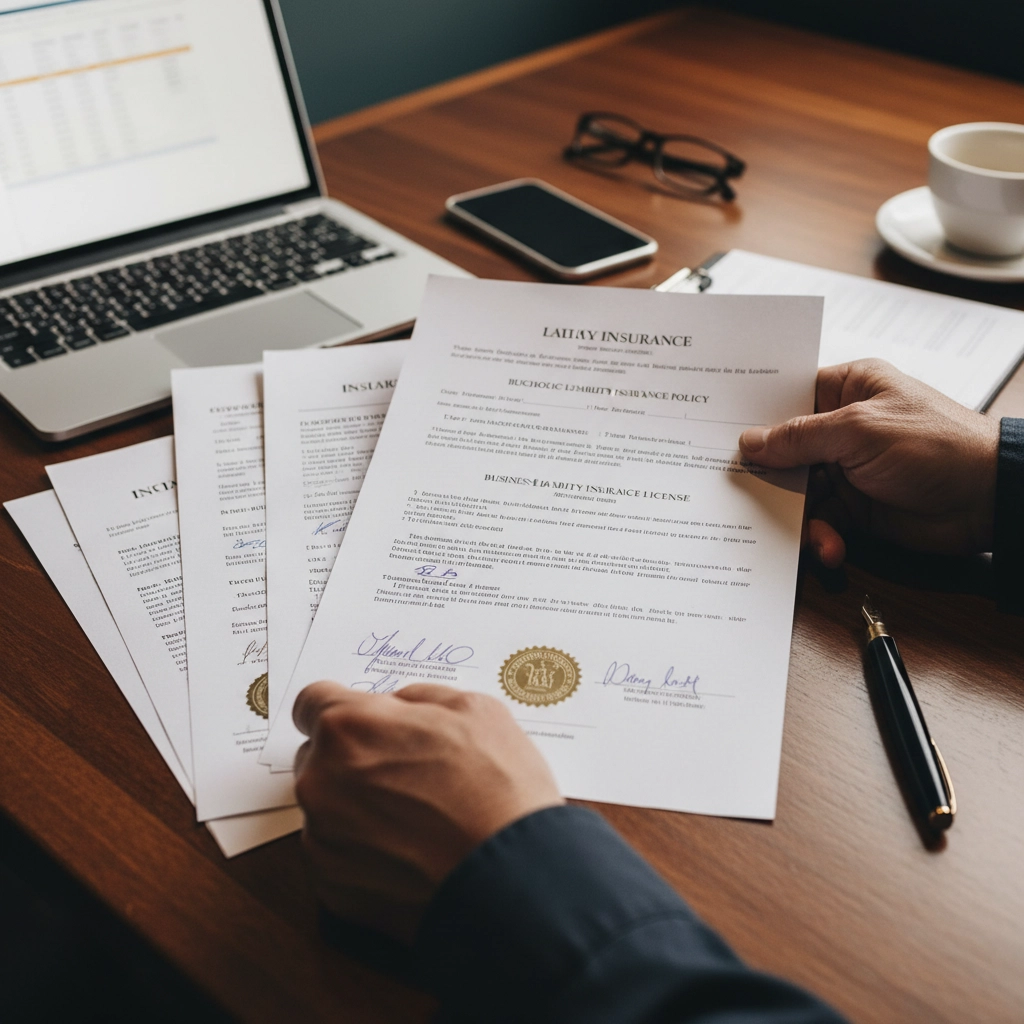
Claims history from previous coverage periods affects new policy availability. Clean claims records improve coverage options and demonstrate effective risk management.
Protecting Your Restaurant's Future
Liquor liability coverage remains essential for restaurant operations serving alcohol. Market challenges require proactive planning and professional guidance to secure adequate protection.
Restaurant owners must prioritize coverage continuity to maintain business operations. Gaps in liquor liability protection can result in license suspension or closure.
Understanding coverage requirements and market conditions helps restaurant owners make informed insurance decisions. Professional guidance ensures compliance with state regulations and adequate risk protection.
Insurance Alliance LLC provides comprehensive liquor liability coverage guidance for restaurant owners across Florida, Texas, Arizona, Idaho, and Washington. Our experienced team helps navigate market challenges while ensuring regulatory compliance and operational protection.
Contact our restaurant insurance specialists to review your liquor liability coverage needs and explore available options in your state.

Comments