
Insuring Your Flooring Contracting Business: Coverage Tips for 2025
Flooring contractors face unique risks that standard business insurance cannot adequately cover. Installation work exposes your business to property damage claims, worker injuries, and equipment theft. Many clients require proof of comprehensive insurance before signing contracts, making proper coverage essential for winning bids and maintaining operations.
The flooring industry presents distinct liability exposures that require specialized attention. Installation errors, material defects, and job site accidents create potential financial disasters without adequate protection. Insurance Alliance LLC helps flooring contractors navigate these complex coverage needs with tailored solutions that address industry-specific risks.
General Liability Insurance: Your Foundation Coverage
General liability insurance protects against third-party claims of bodily injury and property damage occurring during your operations. This coverage handles situations when clients or visitors suffer injuries on job sites or when your work damages existing property.
Completed operations coverage within your general liability policy provides protection after project completion. This component covers claims arising from your finished work, such as improperly installed flooring causing someone to trip months after installation. Most flooring contractors require minimum coverage limits of $1 million per occurrence and $2 million aggregate.

Product liability protection addresses claims related to defective materials you install. When flooring materials fail and cause property damage or injury, this coverage responds to protect your business assets and reputation.
Workers' Compensation: Mandatory Protection
Workers' compensation insurance covers medical expenses and lost wages for employees injured while working. State laws mandate this coverage once you hire your first employee, with penalties for non-compliance including fines and potential criminal charges.
Flooring installation involves physical demands that increase injury risks. Common worker injuries include back strains from lifting heavy materials, cuts from installation tools, and slips on smooth surfaces. Workers' compensation premiums for flooring contractors typically range from $2.50 to $4.00 per $100 of payroll, depending on your state and safety record.
Experience modification rates affect your workers' compensation costs based on your claims history compared to similar businesses. Maintaining strong safety programs and reducing workplace injuries directly impacts your insurance expenses through lower experience modification factors.
Commercial Auto Insurance: Mobile Business Protection
Commercial auto insurance covers vehicles used for business purposes, including transporting materials, tools, and workers to job sites. Personal auto policies exclude business use, leaving significant gaps in coverage when using vehicles for flooring operations.
This coverage protects against liability claims when business vehicles cause accidents, plus physical damage to your vehicles from collisions, theft, or weather events. Commercial auto policies also provide hired and non-owned auto coverage for situations involving rental vehicles or employee-owned vehicles used for business purposes.
Fleet coverage becomes cost-effective when operating multiple vehicles. Insurance Alliance LLC structures commercial auto programs that provide comprehensive protection while managing costs through proper vehicle classification and safety incentives.
Tools and Equipment Coverage
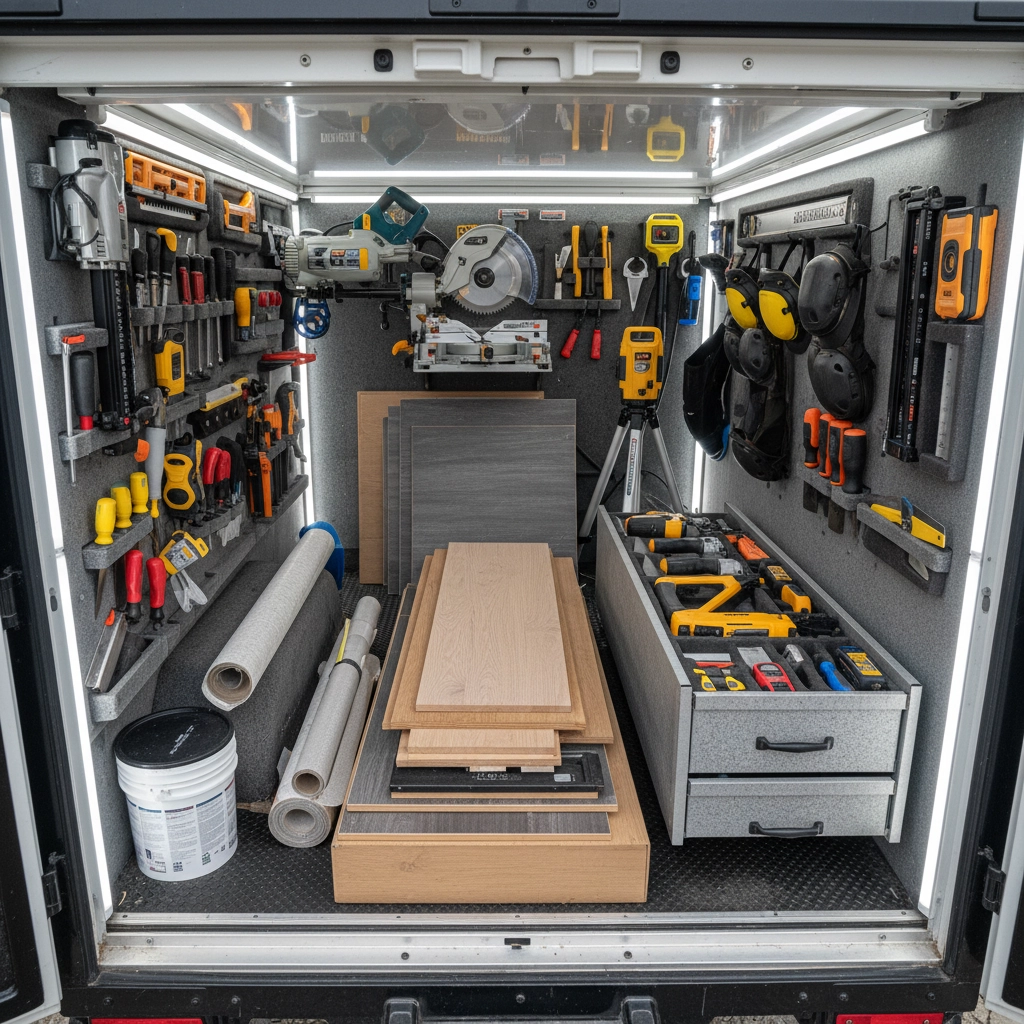
Inland marine insurance, also called tools and equipment coverage, protects your valuable business property away from your primary location. Standard commercial property insurance only covers items at your business premises, creating gaps when tools and materials travel to job sites.
This coverage responds to theft, damage, and loss of installation tools, measuring equipment, and materials while in transit or at customer locations. Flooring contractors often carry $50,000 to $150,000 in tools and equipment coverage, depending on their inventory value and equipment sophistication.
Installation floater coverage protects customer-owned materials until installation completion. This specialized coverage addresses the period when expensive flooring materials are your responsibility but not yet permanently installed.
Real-World Claims Scenarios
A hardwood flooring contractor faced a $45,000 claim when their power sander damaged a customer's antique dining table. General liability coverage handled the property damage claim, preventing significant out-of-pocket expenses that could have threatened business operations.
Water damage claims frequently affect flooring contractors when installation work disrupts existing plumbing or when moisture barriers fail. One contractor encountered a $25,000 water damage claim after flooring installation in a bathroom caused subflooring deterioration that went unnoticed for months.
Tool theft represents a common loss exposure, with one flooring contractor losing $15,000 worth of specialized installation equipment from a job site overnight. Inland marine coverage replaced the stolen tools, allowing work to continue without significant business interruption.
A worker injury claim involving a back strain from lifting tile boxes resulted in $35,000 in medical expenses and lost wage payments. Workers' compensation insurance covered these costs while protecting the business owner from personal liability.
Professional Liability Considerations
Errors and omissions insurance protects against claims alleging faulty workmanship or failure to meet professional standards. This coverage becomes increasingly important as flooring materials and installation techniques become more sophisticated.
Design consultation services create additional liability exposures requiring professional liability protection. When contractors provide material selection advice or design recommendations, they assume professional responsibilities that general liability insurance does not cover.
Warranty claims and installation defects fall under professional liability coverage when they result from alleged professional negligence rather than accidental property damage. This distinction affects coverage application and claim handling procedures.
Cost Management Strategies for 2025
Insurance costs for flooring contractors range from $3,000 to $8,000 annually depending on business size, coverage limits, and risk factors. Bundling multiple policies with one carrier often provides premium discounts and simplified administration.
Safety program implementation directly impacts insurance costs through reduced claims frequency and severity. Regular safety training, proper equipment maintenance, and documented safety procedures demonstrate risk management commitment to insurance carriers.
Claims management affects future premium costs through experience rating factors. Prompt claim reporting, thorough documentation, and proactive claim resolution help minimize claim costs and maintain favorable insurance rates.

Business Interruption Protection
Business interruption insurance provides income replacement when covered losses prevent normal operations. For flooring contractors, this coverage helps maintain cash flow during recovery periods following equipment theft, vehicle accidents, or other covered losses.
Extra expense coverage pays additional costs incurred to minimize business interruption duration. This might include equipment rental fees, temporary storage costs, or expedited shipping charges to maintain project schedules after covered losses.
Dependent properties coverage extends business interruption protection to situations where key suppliers or major customers experience covered losses that affect your operations.
Risk Management Best Practices
Regular insurance reviews ensure coverage keeps pace with business growth and changing risk exposures. Annual policy reviews with Insurance Alliance LLC identify coverage gaps and optimization opportunities while maintaining adequate protection levels.
Safety protocol documentation supports favorable insurance rates and strengthens coverage positions during claim investigations. Maintaining records of employee training, equipment maintenance, and safety procedures demonstrates professional risk management practices.
Contractual risk transfer strategies shift liability exposures to appropriate parties through proper contract language and insurance requirements. Understanding indemnification clauses and insurance specifications in customer contracts protects your business interests.
Choosing the Right Insurance Partner
Insurance Alliance LLC specializes in contractor insurance programs that address flooring industry risks. Our expertise in construction trades insurance ensures comprehensive protection tailored to your specific business operations and growth objectives.
We evaluate your risk exposures through detailed business analysis and provide customized insurance solutions that balance adequate protection with cost management. Our claims advocacy services support you throughout the claims process to achieve optimal outcomes.
Partner with Insurance Alliance LLC to secure comprehensive insurance protection that supports your flooring contracting success. Contact us today to review your current coverage and explore enhanced protection options for 2025.


Comments