
HVAC Contractor Insurance: Key Protections in Florida, Texas, Arizona, Idaho, and Washington
- marketing676641
- Nov 5, 2025
- 5 min read
HVAC contractors face unique risks that require comprehensive insurance protection. Working with heating, ventilation, and air conditioning systems exposes contractors to liability claims, property damage, and workplace injuries. The right insurance portfolio protects HVAC businesses from financial losses while ensuring compliance with professional requirements.
Essential Coverage for HVAC Operations
General Liability Insurance
General liability insurance serves as the foundation of HVAC contractor protection. This coverage protects businesses from third-party claims involving bodily injury, property damage, and personal injury that occur during work operations.
HVAC contractors frequently work in occupied buildings, installing ductwork, replacing units, and performing maintenance. Property damage claims can arise when contractors accidentally damage walls during ductwork installation or cause water damage while servicing air conditioning units. Bodily injury claims may occur if a client trips over equipment or sustains injury from falling debris during installation.
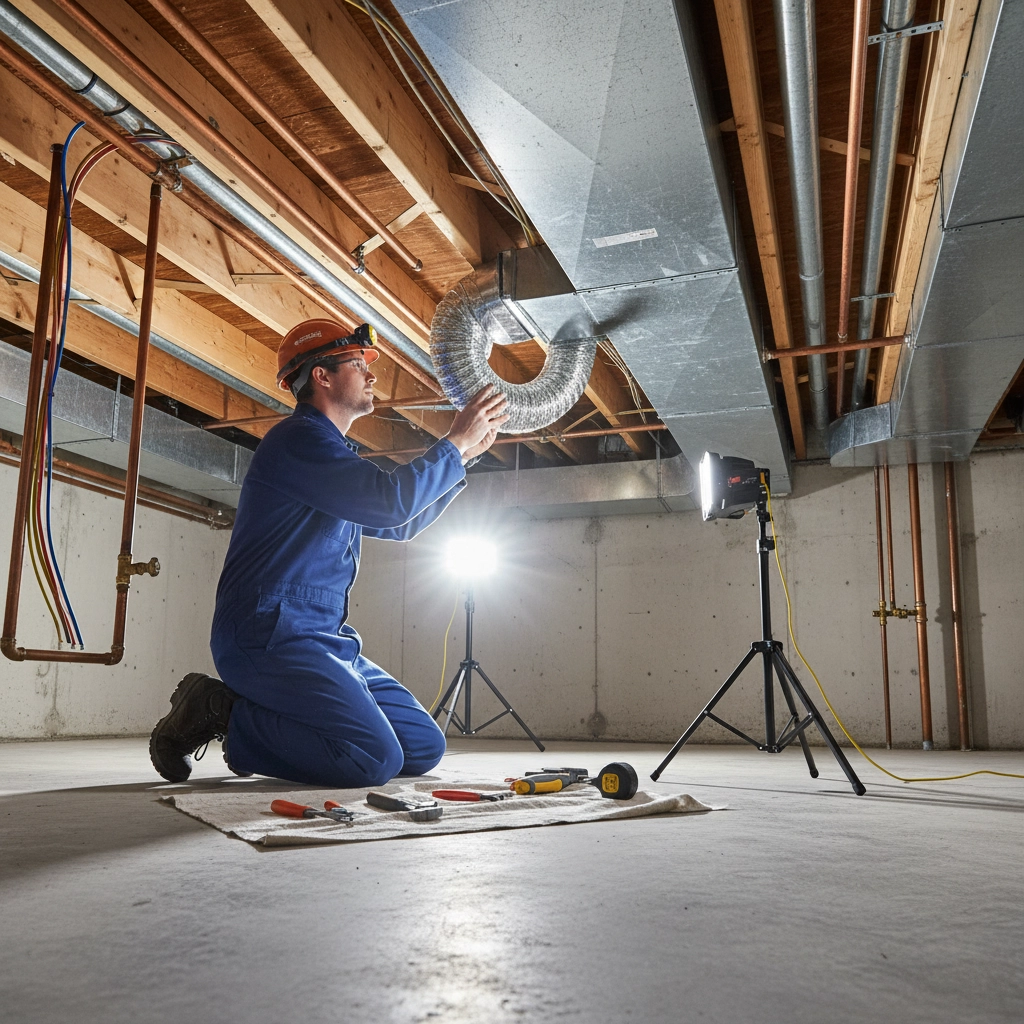
General liability coverage handles repair costs, medical expenses, and legal defense fees when these situations result in claims or lawsuits. Many commercial clients and homeowners require proof of general liability insurance before signing service contracts, making this coverage essential for business operations.
Workers' Compensation Coverage
Workers' compensation provides medical benefits and wage replacement for employees who suffer work-related injuries or illnesses. HVAC work involves significant physical risks, including ladder falls, electrical exposure, repetitive strain injuries, and heat-related illness.
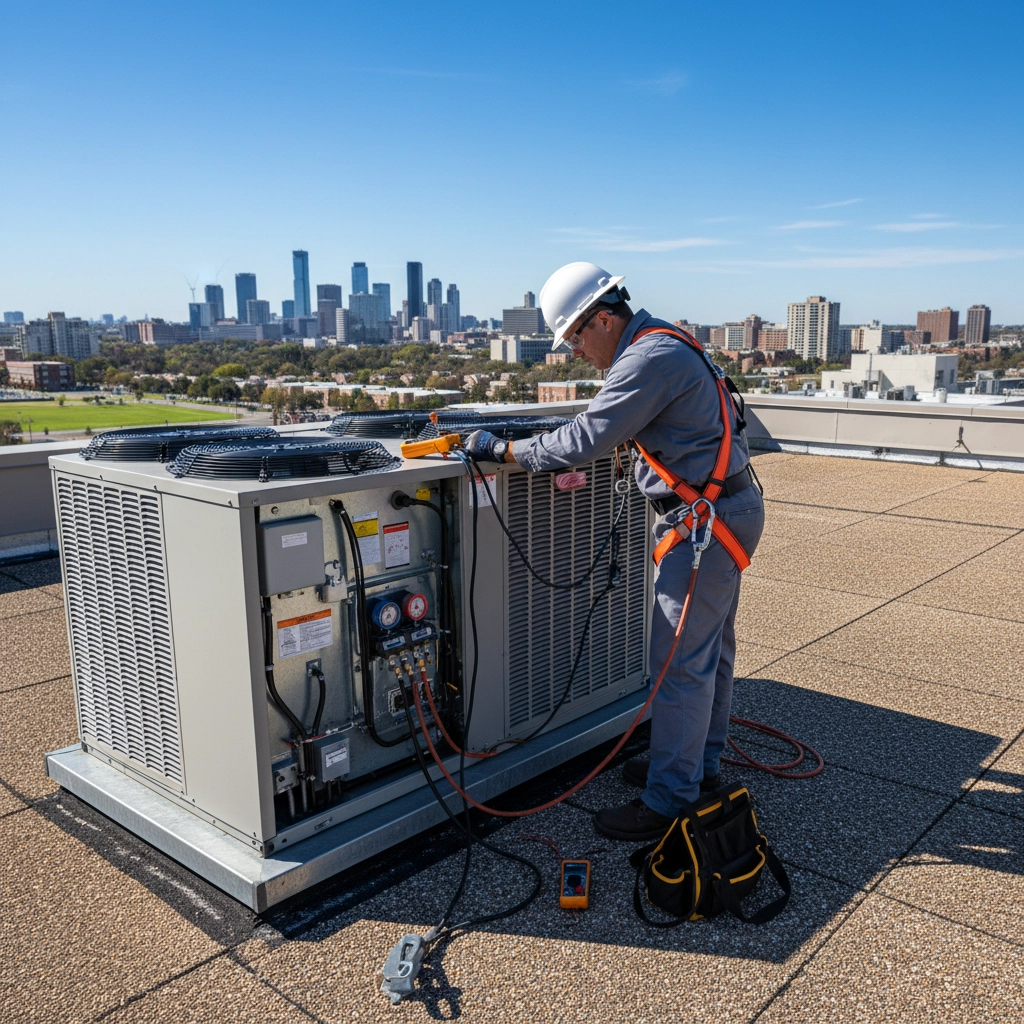
Technicians regularly climb ladders to access rooftop units, work in cramped spaces installing ductwork, and handle heavy equipment during installations. These activities create ongoing exposure to workplace injuries that can result in substantial medical bills and lost wages.
Workers' compensation coverage protects both employees and business owners. Employees receive necessary medical care and partial wage replacement during recovery periods. Business owners gain protection from costly lawsuits related to workplace injuries, as workers' compensation typically prevents employees from suing their employers for work-related injuries.
Commercial Property Insurance
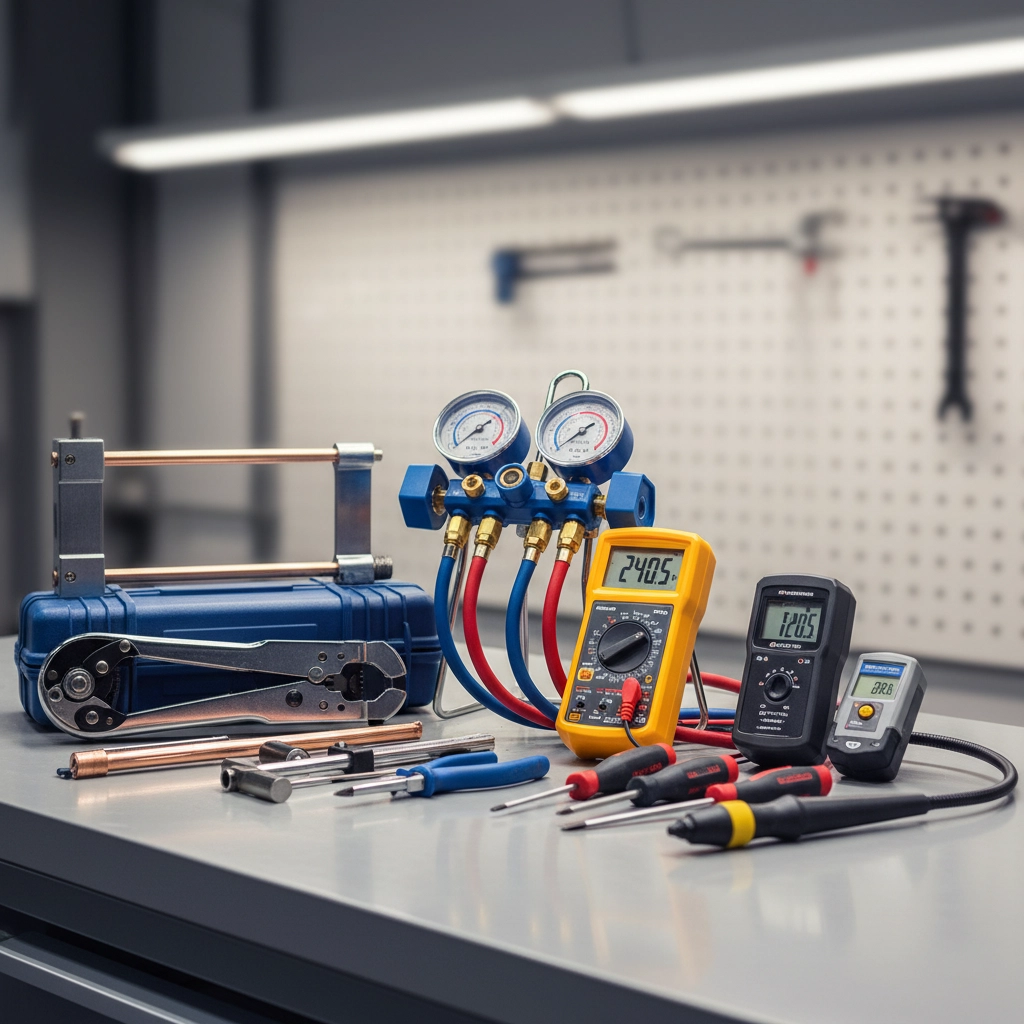
Commercial property insurance covers business assets including office space, tools, equipment, and materials. HVAC contractors maintain expensive specialized tools, diagnostic equipment, and replacement parts that represent significant business investments.
Coverage protects against losses from fire, theft, vandalism, and weather-related damage. If a fire destroys a contractor's workshop and tool inventory, commercial property insurance helps replace those assets so business operations can continue. Similarly, if specialized HVAC tools are stolen from a job site, coverage helps fund replacement equipment.
Business interruption coverage, often included in commercial property policies, provides income replacement when covered events force temporary business closure. This protection helps maintain financial stability during recovery periods.
Commercial Auto Insurance
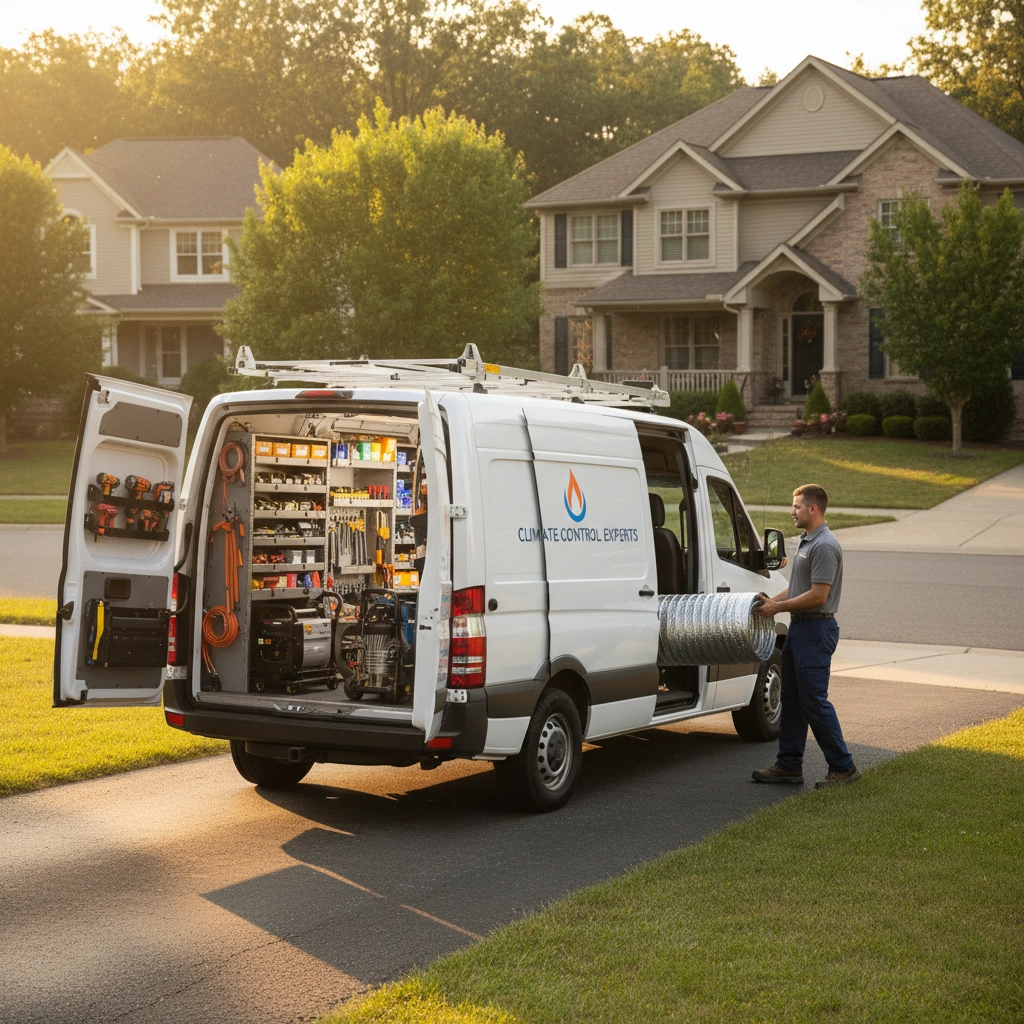
HVAC contractors rely heavily on vehicles to transport tools, equipment, and materials to job sites. Commercial auto insurance protects these essential business vehicles and provides coverage that personal auto policies typically exclude.
Commercial auto coverage includes collision and comprehensive protection for business vehicles, liability coverage for accidents involving business use, and coverage for tools and equipment stored in vehicles. Many commercial auto policies also provide rental car coverage, ensuring contractors can continue serving clients even when primary vehicles require repairs.
Some HVAC contractors use specialized vehicles with mounted equipment or custom storage solutions. Commercial auto insurance can be tailored to cover these modifications and specialized equipment installations.
Additional Protection Considerations
Professional Liability Insurance
Professional liability insurance, also known as errors and omissions coverage, protects HVAC contractors from claims related to professional mistakes or oversights. This coverage addresses situations where faulty work, incorrect system design, or inadequate maintenance recommendations result in client financial losses.
Examples include installing an incorrectly sized system that fails to adequately heat or cool a building, providing maintenance recommendations that lead to system failure, or making installation errors that void manufacturer warranties. Professional liability insurance covers legal defense costs and settlements when these professional mistakes result in client claims.
Business Owner's Policy Benefits
A Business Owner's Policy combines general liability, commercial property, and business interruption coverage into a single package. This bundled approach often provides broader coverage than individual policies while simplifying insurance management.
BOP coverage typically includes protection for HVAC tools and equipment, business income replacement during covered losses, and liability coverage for business operations. Many BOP policies also include coverage for data recovery, business personal property, and equipment breakdown.
Tools and Equipment Coverage
HVAC contractors invest heavily in specialized diagnostic equipment, recovery machines, gauges, and installation tools. Standard commercial property coverage may not fully address the unique needs of mobile contractors who frequently transport equipment between job sites.
Inland marine coverage or contractor's tools and equipment policies provide enhanced protection for portable business property. These policies cover theft from vehicles, job site theft, and accidental damage during transport or use.
Coverage can be structured to include recently acquired equipment automatically, ensuring new tool purchases receive immediate protection. Some policies also provide coverage for employee-owned tools used for business purposes.
Liability Considerations for HVAC Work
Installation and Maintenance Risks
HVAC installations involve complex mechanical and electrical systems that can create ongoing liability exposure. Improper installation or maintenance can lead to system failures, property damage, or safety hazards that result in significant claims.
Refrigerant handling creates additional liability concerns. Environmental regulations govern refrigerant recovery and disposal, and improper handling can result in regulatory fines and environmental cleanup costs. Some liability policies include coverage for pollution incidents related to refrigerant releases.
System failures can cause secondary damage such as water damage from frozen pipes when heating systems fail or mold growth when humidity control systems malfunction. Comprehensive liability coverage addresses these consequential damages that may not become apparent until long after initial installation or service.
Electrical Work Exposure
Many HVAC projects involve electrical connections and modifications. Even simple tasks like connecting thermostats or installing outdoor unit disconnects create electrical exposure that can result in fires, equipment damage, or personal injury.
Contractors performing electrical work as part of HVAC installations need liability coverage that addresses electrical-related claims. Some insurance companies offer enhanced coverage for contractors who perform multiple trade functions, recognizing the increased exposure from diverse work activities.
Employment Practices Protection
Workforce Management Risks
HVAC contractors often employ technicians, apprentices, and support staff, creating exposure to employment-related claims. Employment Practices Liability Insurance protects against claims involving discrimination, wrongful termination, harassment, and wage disputes.
The skilled nature of HVAC work often results in competitive hiring practices and employee retention challenges. EPLI coverage protects contractors from claims that may arise during recruiting, employment, and termination processes.
Coverage includes legal defense costs and settlements for covered employment practices claims. Many policies also provide access to employment practices resources and training materials to help prevent workplace issues.
Cyber Liability Considerations
Digital Business Operations
Modern HVAC contractors increasingly rely on digital systems for scheduling, billing, customer records, and equipment diagnostics. Cyber liability insurance protects against data breaches, system attacks, and technology failures that can disrupt business operations.
Customer information, including contact details and service histories, represents sensitive data that requires protection. Cyber coverage addresses notification requirements, credit monitoring services, and legal costs when data breaches occur.

Business interruption coverage within cyber policies helps maintain income when technology failures prevent normal business operations. Coverage can also address cyber extortion, where criminals demand payment to restore access to business systems.
Compliance and Professional Requirements
Licensing and Bonding
HVAC contractors must maintain appropriate licensing and may require performance bonds for certain projects. Insurance requirements often align with licensing requirements, ensuring contractors carry adequate protection for their scope of work.
Some municipalities and commercial clients require specific insurance minimums before issuing permits or awarding contracts. Maintaining appropriate coverage levels ensures contractors can pursue all available business opportunities without insurance-related limitations.
Working with Insurance Professionals
Coverage Assessment
HVAC contractors benefit from working with insurance professionals who understand the unique risks and requirements of the heating and cooling industry. Proper coverage assessment considers business size, service offerings, employee count, and typical project types.
Insurance needs evolve as HVAC businesses grow and expand services. Regular coverage reviews ensure protection keeps pace with changing business operations and exposure levels.
Insurance Alliance LLC provides specialized coverage solutions for HVAC contractors across Florida, Texas, Arizona, Idaho, and Washington. Our experienced team understands the unique challenges facing heating and cooling professionals and works to develop comprehensive protection strategies that support business growth and success.
Contact us to discuss your HVAC contractor insurance needs and discover how proper coverage protects your business while supporting continued growth and professional success.


Comments