
HVAC Contractor Insurance in Central Florida: What You Need to Know
- marketing676641
- Nov 27, 2025
- 4 min read
Central Florida HVAC contractors face unique insurance requirements that combine state mandates, professional licensing standards, and regional risk factors. Understanding these coverage requirements protects your business operations and ensures compliance with Florida's Department of Business and Professional Regulation (DBPR).
Florida State Insurance Requirements for HVAC Contractors
The DBPR establishes minimum insurance standards for all Division 2 specialty contractors, including HVAC professionals. These requirements form the foundation of your insurance coverage but often represent only baseline protection levels.
Mandatory Coverage Minimums
Florida law requires HVAC contractors to maintain:
General liability insurance: minimum $100,000 per occurrence
Property damage insurance: minimum $25,000 per occurrence
Workers' compensation insurance when employing staff
The DBPR must appear as a certificate holder on all insurance policies. This requirement ensures the state maintains verification of your coverage status throughout your licensing period.
Professional Licensing Compliance
Your contractor's license renewal depends on maintaining current insurance certificates. The DBPR monitors compliance through regular verification processes and can suspend licenses for coverage lapses. Municipal permit offices also require proof of insurance before approving work permits.
Workers' Compensation Coverage Requirements
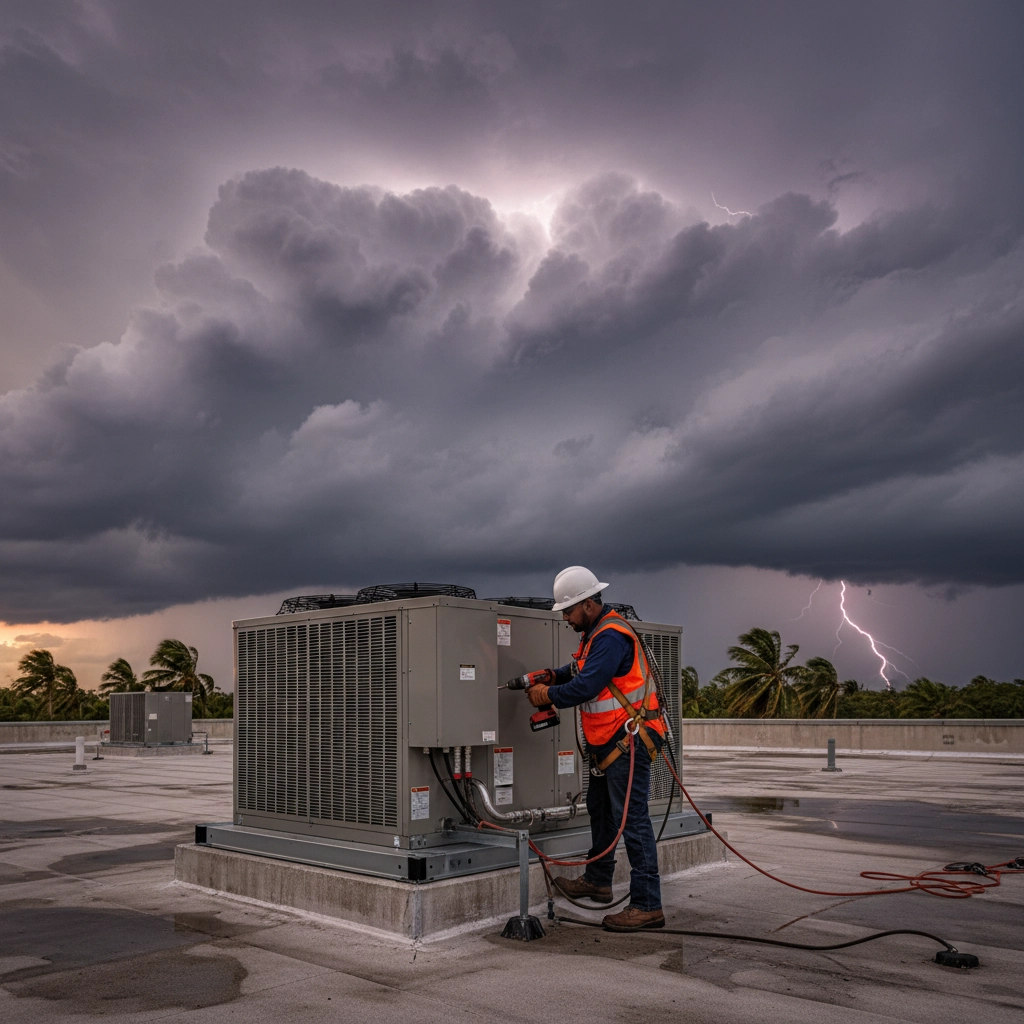
Workers' compensation insurance becomes mandatory when you employ even one part-time or seasonal worker. Florida's construction industry experiences high injury rates, making this coverage essential for HVAC contractors who face multiple workplace hazards.
Coverage Scope and Applications
Workers' compensation protects your business from claims related to:
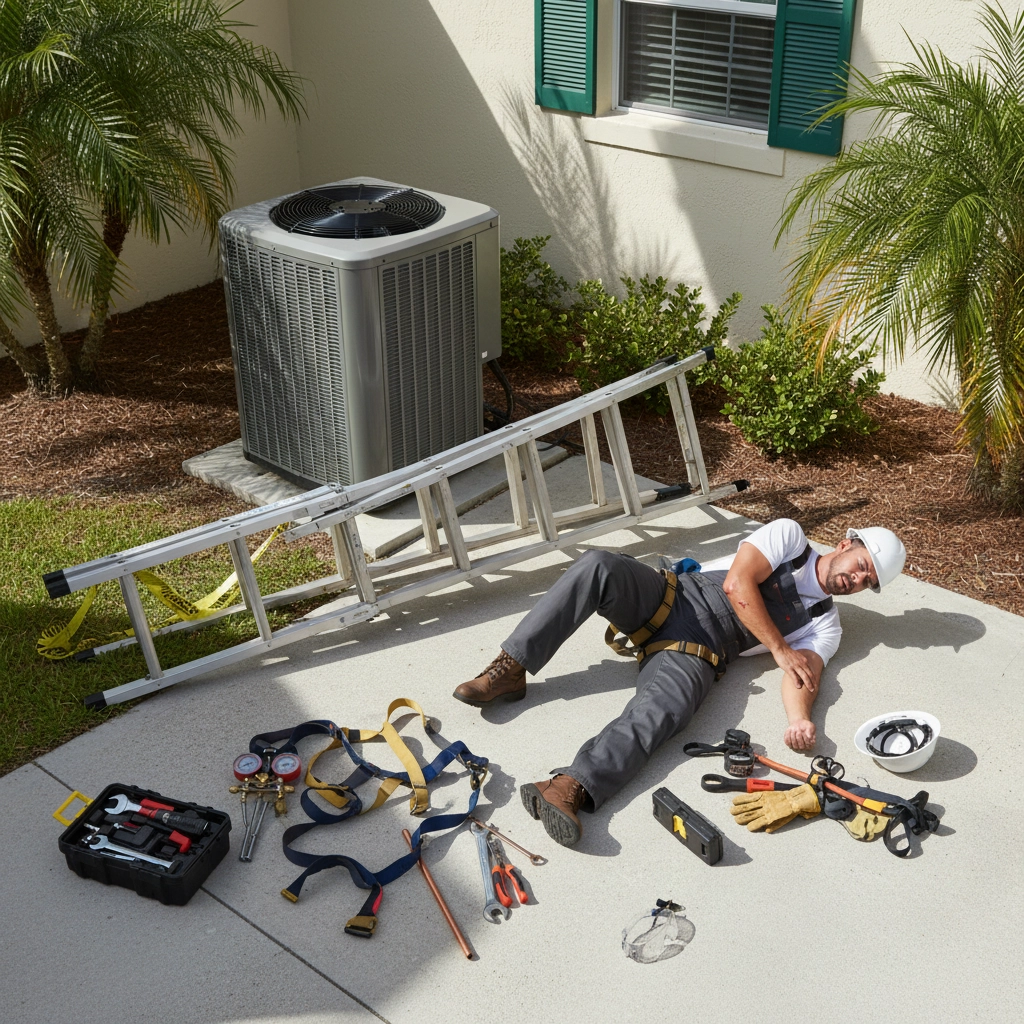
Falls from ladders or rooftops during installation work
Electrical shock injuries during system repairs
Back injuries from lifting heavy equipment
Heat-related illnesses during summer installations
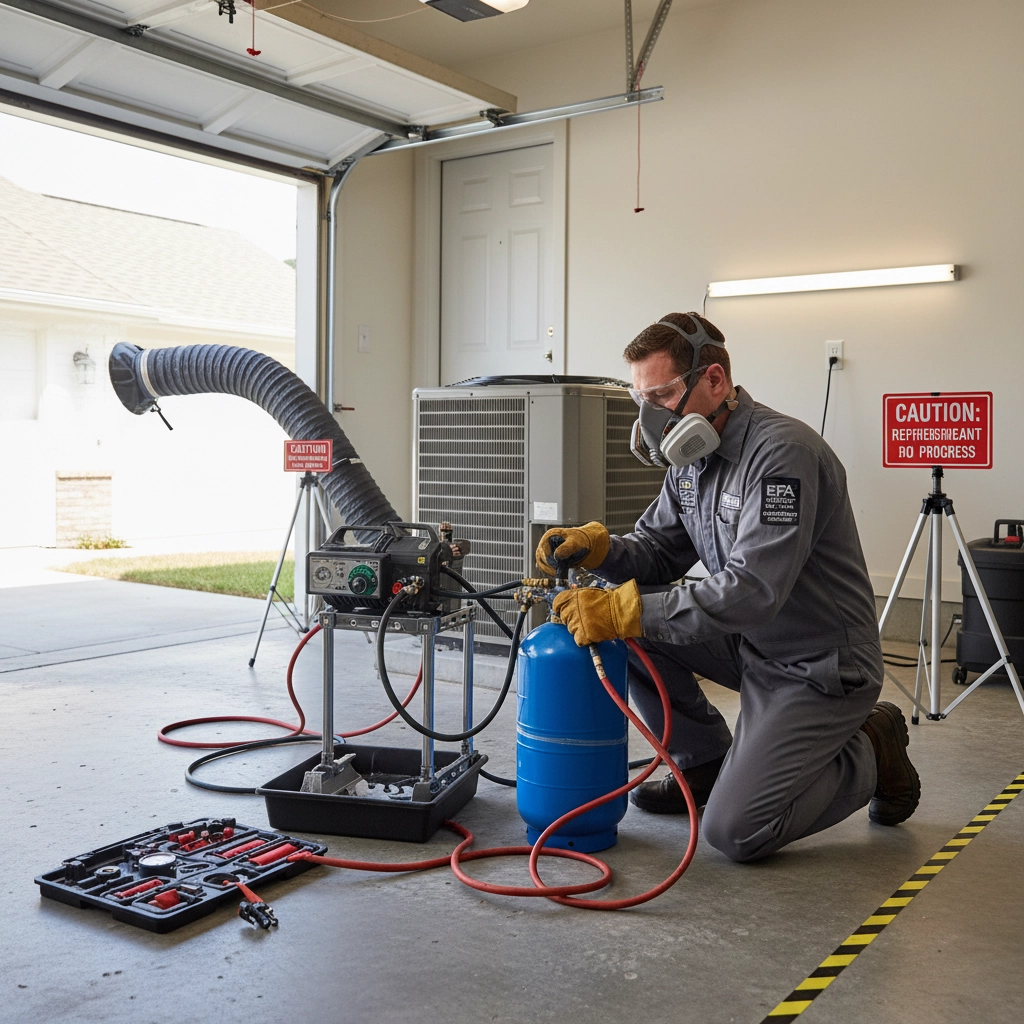
Chemical exposure from refrigerant handling
Exemption Considerations
Solo contractors may qualify for workers' compensation exemptions if they own at least 10% of their corporation. However, many commercial clients and general contractors require proof of coverage regardless of exemption status.
General Liability Insurance Coverage
General liability insurance protects your business from third-party claims involving bodily injury or property damage. This coverage addresses the inherent risks of HVAC work in residential and commercial environments.
Coverage Applications
Your general liability policy responds to claims such as:
Accidental damage to customer property during installations
Injuries to homeowners or building occupants during service calls
Damage to neighboring properties from equipment malfunctions
Legal defense costs for covered liability claims
Professional liability coverage may also be necessary depending on your service offerings and design responsibilities.
Central Florida Hurricane and Storm Coverage
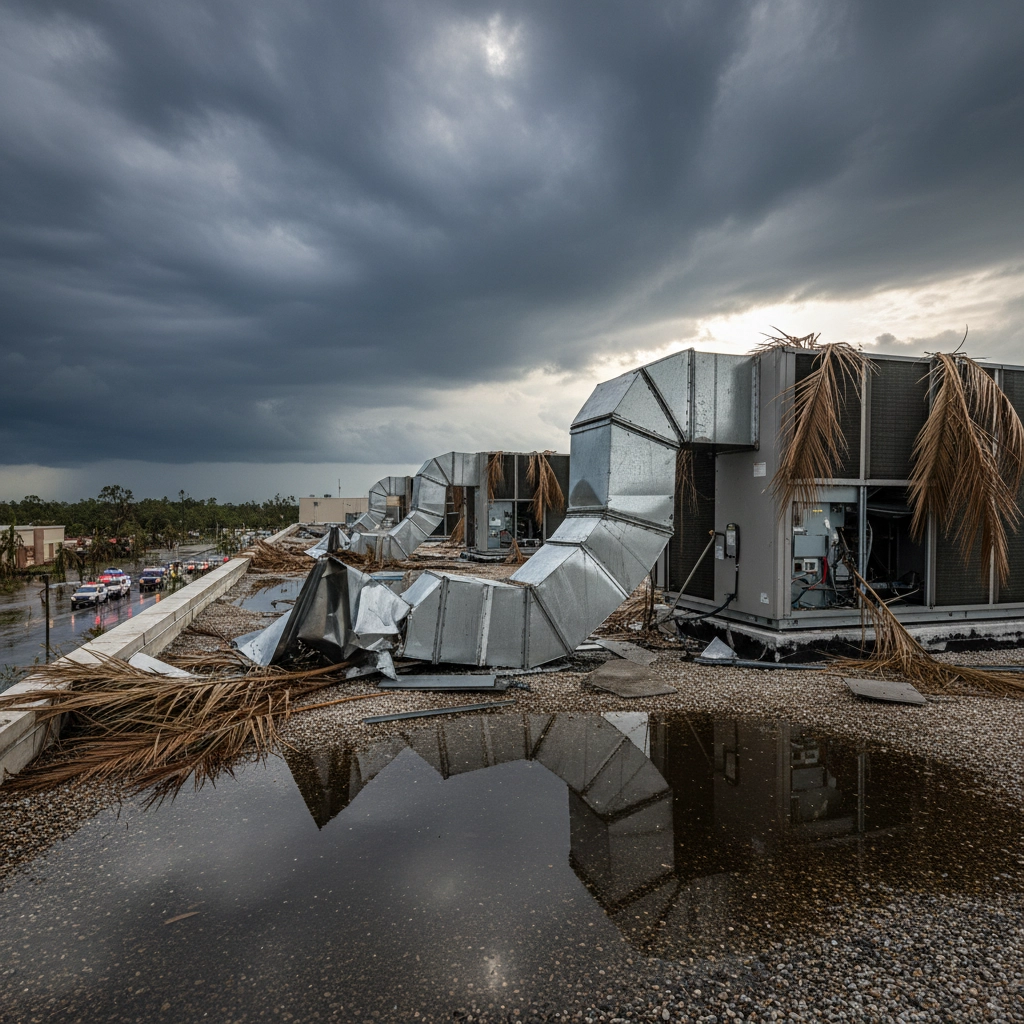
Central Florida's hurricane exposure creates additional insurance considerations for HVAC contractors. Standard policies often exclude wind and storm damage, requiring specialized coverage additions.
Named Storm Coverage
Hurricane coverage typically includes separate deductibles ranging from 2% to 5% of your policy limits. This coverage protects your business property, equipment, and ongoing projects from storm damage.
Emergency Service Opportunities
Post-storm HVAC work includes:
Emergency generator installations
System replacements after flood damage
Air quality restoration services
Temporary cooling solutions for storm recovery
Business interruption coverage protects your income when hurricanes prevent normal operations.
Environmental and Specialized Coverage Needs
HVAC work involves environmental risks that require specialized insurance coverage. These risks extend beyond standard general liability protection.
Refrigerant Handling Coverage
Environmental liability coverage addresses:
Refrigerant spills during system maintenance
Improper disposal of hazardous materials
Contamination claims from equipment leaks
EPA violation penalties and cleanup costs
Equipment and Tool Coverage
Specialized HVAC equipment represents significant business investments requiring dedicated coverage:
Diagnostic equipment and meters
Specialized installation tools
Vehicle-mounted equipment
Replacement cost protection for damaged tools
Commercial Client Requirements
Commercial contracts often impose insurance requirements that exceed state minimums. Understanding these requirements helps you qualify for higher-value projects.
Certificate of Insurance Requirements
Commercial clients typically require:
$1,000,000 general liability coverage per occurrence
$2,000,000 aggregate coverage limits
Additional insured endorsements naming the property owner
Waiver of subrogation clauses protecting the client
Property management companies and retail centers maintain strict insurance verification processes before approving contractor access.
Municipal and Permit Requirements
Central Florida municipalities require proof of insurance for permit applications. These requirements vary by city but typically include verification of current general liability coverage.
Permit Process Insurance Verification
Municipal requirements often include:
Current certificate of insurance submission with permit applications
Minimum coverage levels that exceed state requirements
Verification of license status and insurance compliance
Additional insured endorsements for municipal liability protection
Subcontractor Insurance Verification
When hiring subcontractors, Florida law requires verification of their workers' compensation coverage before work begins. This requirement protects your business from liability for uninsured subcontractor injuries.
Verification Process
Subcontractor insurance verification includes:
Current workers' compensation certificates
General liability coverage verification
License status confirmation through DBPR databases
Additional insured endorsements protecting your business
Safety Program Integration
Implementing comprehensive safety programs demonstrates risk management commitment to insurance carriers and can influence coverage terms.
Program Components
Effective safety programs address:
Heat illness prevention protocols for Florida's climate
Hurricane preparedness and emergency response procedures
Electrical safety training and certification requirements
Equipment maintenance and inspection schedules
Documentation of training programs and safety incident records supports insurance applications and claim management.
Claims Management and Documentation
Proper claims management protects your business reputation and influences future insurance availability. Prompt reporting and thorough documentation support successful claim resolution.
Claim Reporting Procedures
Effective claims management includes:
Immediate notification to insurance carriers within 24-48 hours
Detailed incident documentation with photographs and video evidence
Witness information collection and statement preservation
Coordination with insurance adjusters and legal counsel when necessary
Insurance Carrier Selection Considerations
Choosing insurance carriers with HVAC industry experience ensures proper coverage understanding and claim support. Specialized carriers often provide enhanced coverage options tailored to contractor needs.
Carrier Evaluation Criteria
Consider carriers based on:
HVAC industry specialization and experience
Financial stability ratings and claims payment history
Coverage enhancement options and policy flexibility
Local claim support and adjuster availability
Insurance Alliance LLC specializes in contractor insurance solutions throughout Central Florida, providing comprehensive coverage guidance tailored to HVAC contractor requirements. Our expertise in Florida's insurance landscape ensures proper protection for your business operations and regulatory compliance.
Comments