
HVAC Contractor Insurance in Central Florida: What You Need to Know
- marketing676641
- Nov 27, 2025
- 4 min read
HVAC contractors in Central Florida face unique insurance requirements that combine state licensing mandates, local permitting rules, and client contract demands. Understanding these requirements ensures compliance with Florida's Department of Business and Professional Regulation (DBPR) while protecting your business from the region's specific risks.
Florida Licensing and Insurance Requirements
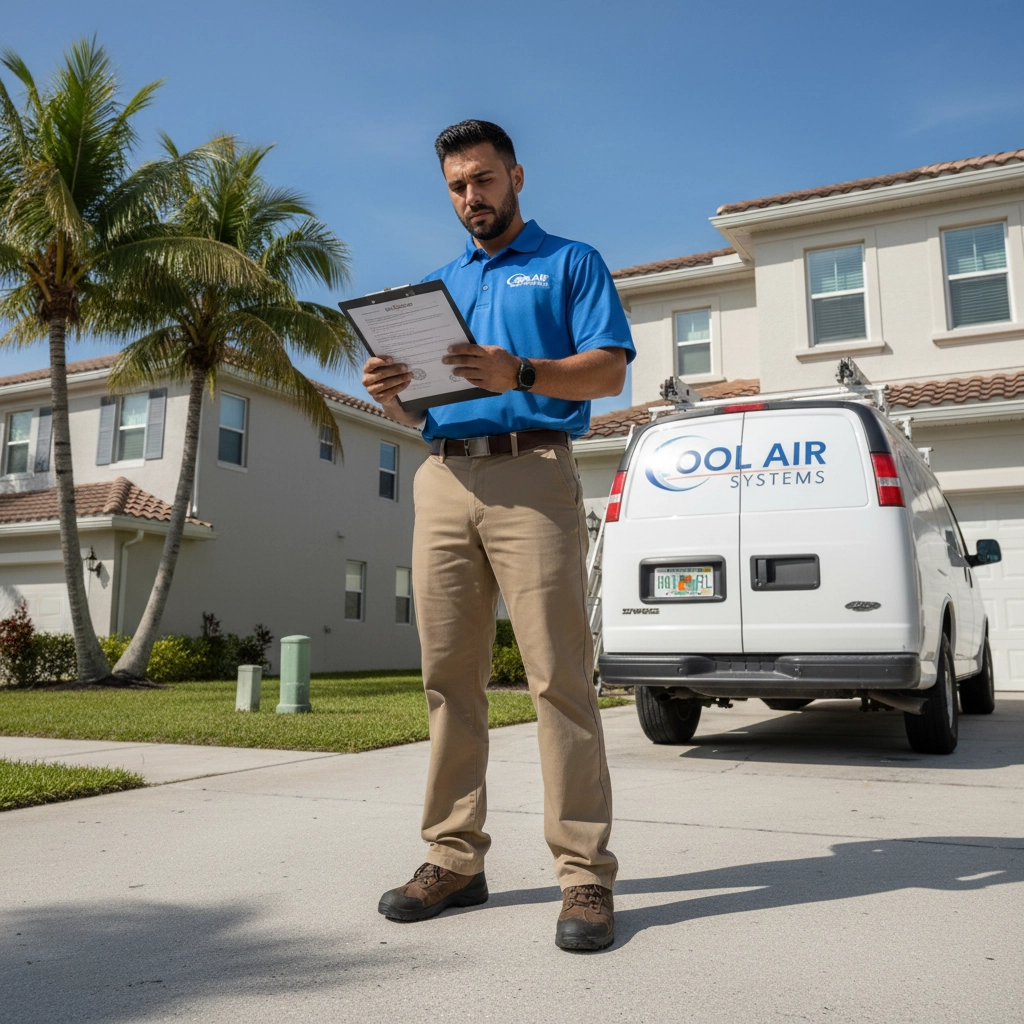
The DBPR requires all licensed HVAC contractors to maintain active insurance coverage. Division Two license holders, which include most HVAC specialty contractors, must carry minimum general liability insurance of $100,000 and property damage coverage of $25,000. These amounts represent legal minimums, not recommended coverage levels.
General contractors and building contractors face higher requirements, needing $300,000 in general liability coverage and $50,000 in property damage insurance. The DBPR must appear as the certificate holder on all insurance documentation, and proof of coverage is mandatory for license renewals and permit applications.
Essential Coverage Types for HVAC Operations
General Liability Insurance
General liability insurance protects against bodily injury and property damage claims arising from your HVAC work. While state minimums suffice for licensing, industry standards recommend $1 million in coverage due to Florida's litigation environment and construction-related risks. Many commercial contracts require $2 million aggregate limits.
This coverage addresses common HVAC scenarios including water damage from faulty installations, property damage during equipment removal, and injuries to customers or visitors on job sites. Central Florida's older buildings and humidity-related challenges increase exposure to these risks.
Workers' Compensation Coverage
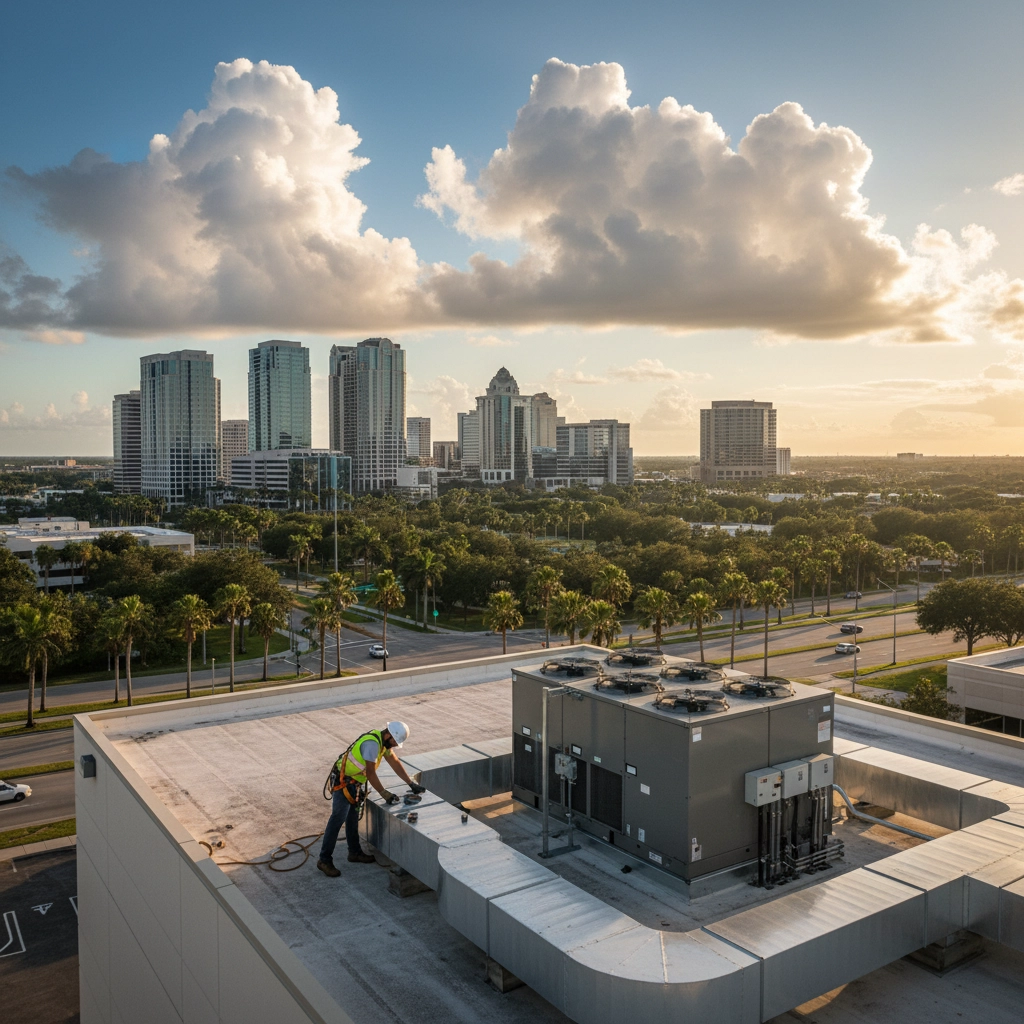
Workers' compensation becomes mandatory when you employ any workers, including part-time or seasonal staff. HVAC work involves specific hazards including falls from heights, electrical exposure, back injuries from heavy equipment handling, and refrigerant exposure risks.
Solo contractors may qualify for corporate officer exemptions with at least 10% ownership, but many clients still require coverage verification regardless of exemption status. This requirement appears frequently in commercial contracts and municipal permit applications.
Hurricane and Named Storm Protection
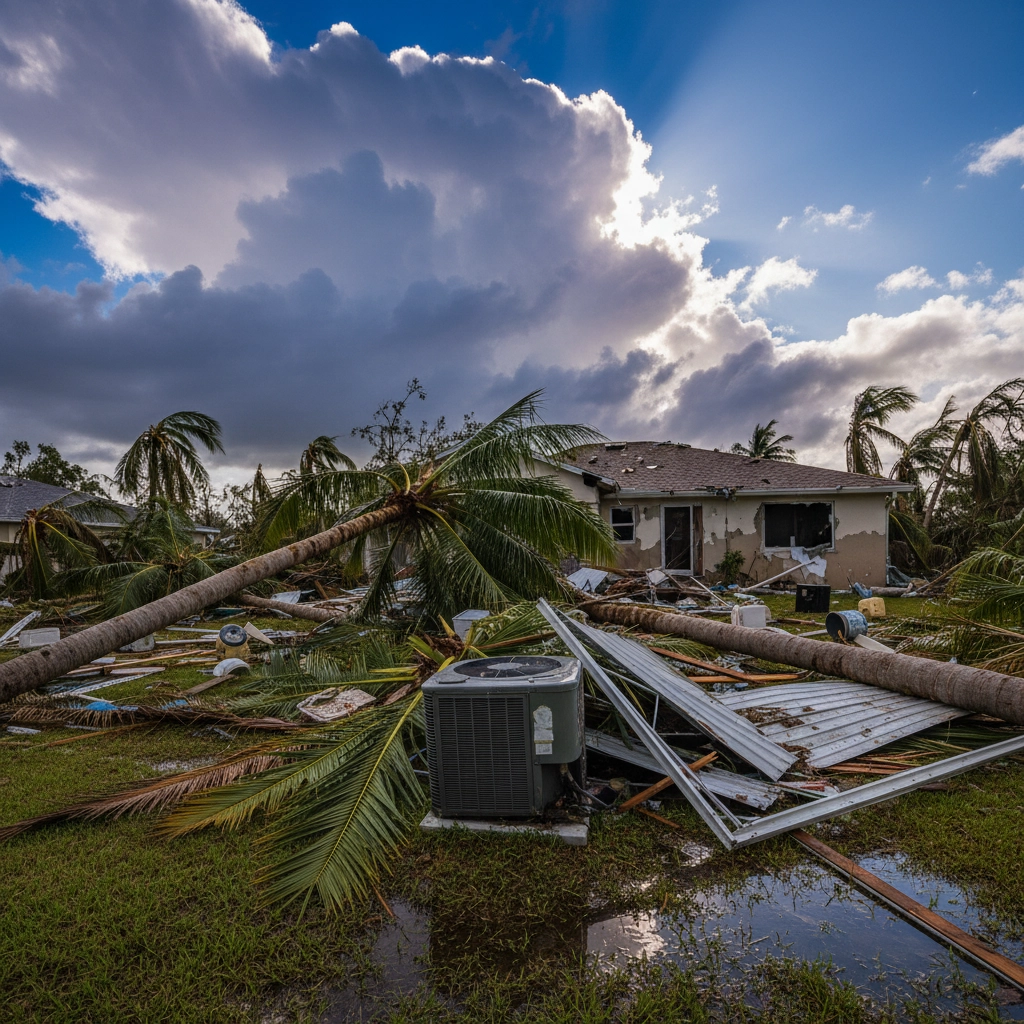
Central Florida's hurricane exposure creates unique insurance considerations. Standard general liability policies often exclude wind and hail damage, requiring separate named storm coverage. This protection includes separate deductibles typically ranging from 2% to 5% of coverage limits.
Building code compliance coverage addresses upgraded construction standards following storm damage. Business interruption insurance provides income protection during hurricane-related shutdowns, which can extend several weeks during major storm events.
Commercial Auto Insurance Requirements
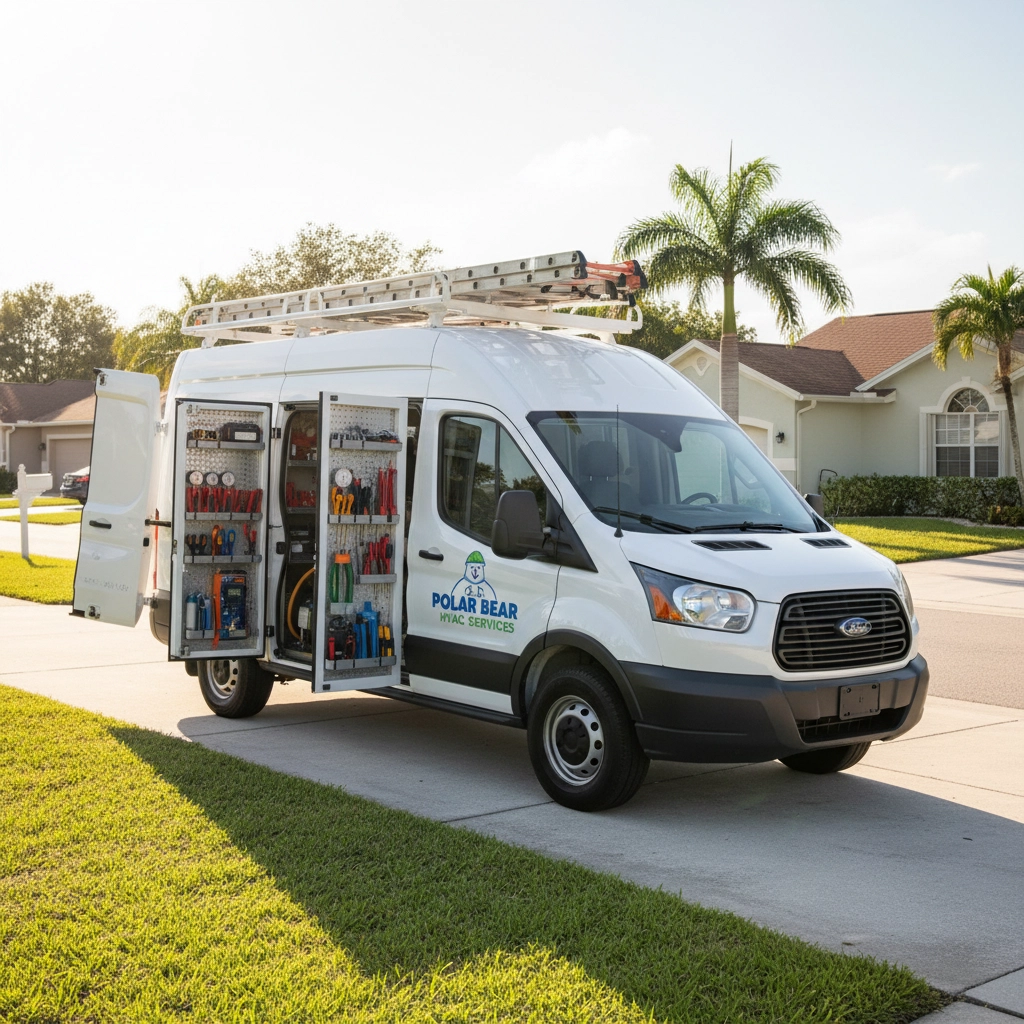
Company vehicles used for HVAC operations require commercial auto coverage. This includes service trucks, equipment trailers, and personal vehicles used for business purposes. Coverage extends beyond basic liability to include physical damage protection for specialized equipment and tools stored in vehicles.
Fleet policies accommodate multiple vehicles and drivers while providing consistent coverage limits. Garage liability coverage protects against damage occurring while vehicles are parked at job sites or your business location.
Certificate of Insurance Requirements
Certificates of Insurance have become standard requirements for HVAC contractors. Commercial property managers and residential customers frequently demand COI documentation naming them as additional insureds before work begins.
General contractors typically require all subcontractors to provide certificates showing current coverage. These documents must reflect accurate policy information, proper additional insured endorsements, and current effective dates. Many contracts specify minimum coverage amounts exceeding state requirements.
Equipment and Tool Coverage
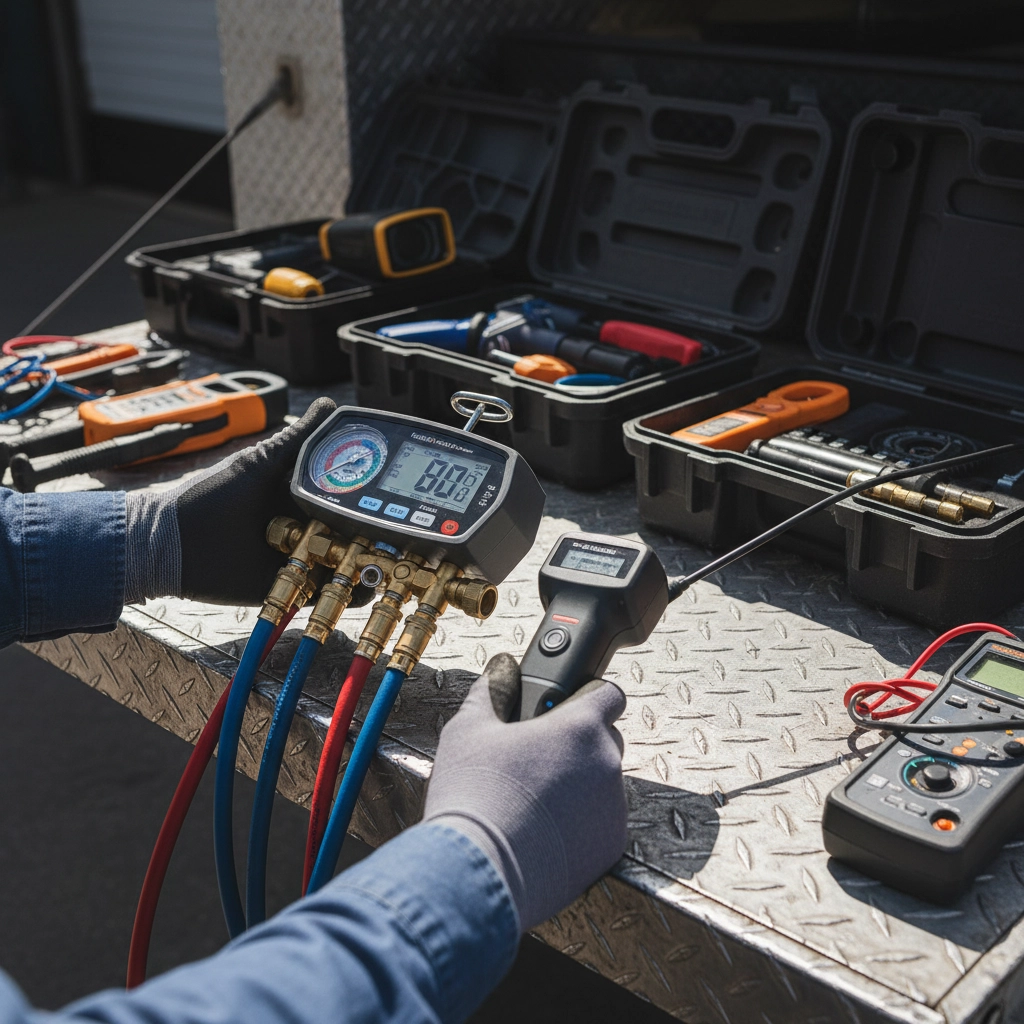
HVAC operations involve expensive diagnostic equipment, specialized tools, and refrigerant handling equipment. Standard general liability policies may not adequately cover these items, especially when stored in vehicles or at job sites.
Inland marine coverage protects portable equipment and tools while in transit or temporary storage. This coverage extends to replacement costs for stolen equipment and repair costs for damaged diagnostic tools.
Environmental and Pollution Liability
HVAC work involving refrigerant handling, disposal activities, and environmental compliance may require pollution liability coverage. This protection addresses claims arising from refrigerant releases, improper disposal practices, and contamination incidents.
EPA regulations governing refrigerant handling create potential liability exposure that standard policies may exclude. Specialized environmental coverage fills these gaps while addressing regulatory compliance costs.
Professional Liability Considerations
Design-build HVAC projects and system specification work may create professional liability exposure. Errors and omissions insurance protects against claims arising from design defects, specification errors, and failure to meet performance standards.
This coverage becomes particularly important when providing energy efficiency assessments, load calculations, or system design services. Claims can arise years after project completion, making adequate coverage limits essential.
Documentation Requirements
Insurance applications require comprehensive documentation including current DBPR license verification, five-year claims history from all previous carriers, written safety programs and training records, business financial statements, and detailed descriptions of current and planned projects.
Maintaining OSHA training documentation and heat illness prevention programs demonstrates risk management commitment. These safety measures can influence premium calculations and coverage availability.
Compliance and Risk Management
Successful HVAC contractors implement comprehensive safety programs addressing fall protection, electrical safety, heat illness prevention, and proper lifting techniques. Regular safety training reduces claims frequency while demonstrating professional operation standards.
Equipment maintenance schedules and inspection protocols minimize breakdown risks while extending equipment life. Proper documentation of these procedures supports insurance applications and claim investigations.
Insurance Alliance LLC understands Central Florida's unique HVAC contractor insurance landscape. Our expertise in construction industry coverage and Florida regulatory requirements ensures your business maintains proper protection while meeting all compliance obligations. Contact us to review your current coverage and identify any gaps in protection that could expose your HVAC operation to unnecessary risks.
Comments