
General Liability Insurance for Contractors: Why It's a Must for Washington Businesses
- marketing676641
- Oct 16, 2025
- 5 min read
General liability insurance serves as the cornerstone of protection for contractors operating in Washington state. This coverage protects your business from third-party claims involving bodily injury, property damage, and personal injury lawsuits that can arise during construction projects.
Washington state mandates specific insurance requirements for licensed contractors. Understanding these requirements and selecting appropriate coverage limits ensures compliance while protecting your business assets from potentially devastating financial losses.
Washington State Legal Requirements
The Washington State Department of Labor & Industries requires all contractors to maintain minimum general liability coverage to obtain and renew their licenses. Contractors must carry at least $200,000 for public liability and $50,000 for property damage, or a $250,000 combined single limit policy.
Licensed contractors must also secure a $12,000 surety bond alongside their liability insurance. The state must be listed as a certificate holder on your general liability policy to maintain compliance with licensing requirements.
These minimum amounts represent baseline coverage only. Most commercial projects and many residential clients require significantly higher coverage limits, typically $1 million per occurrence and $2 million aggregate coverage.

Core Coverage Components
General liability insurance provides three primary areas of protection for contracting businesses. Bodily injury coverage handles medical expenses and legal costs when someone suffers injury during your work activities. This includes incidents like customers slipping on construction debris or workers from other trades being injured by your equipment.
Property damage coverage protects against claims when your work causes physical harm to someone else's property. Breaking windows during installation, damaging landscaping with heavy equipment, or causing structural issues during renovations all fall under property damage protection.
Personal and advertising injury coverage addresses claims involving libel, slander, copyright infringement, or wrongful eviction. This component proves essential when disputes arise with clients or competitors regarding business practices or advertising materials.
Most Common Contractor Claims
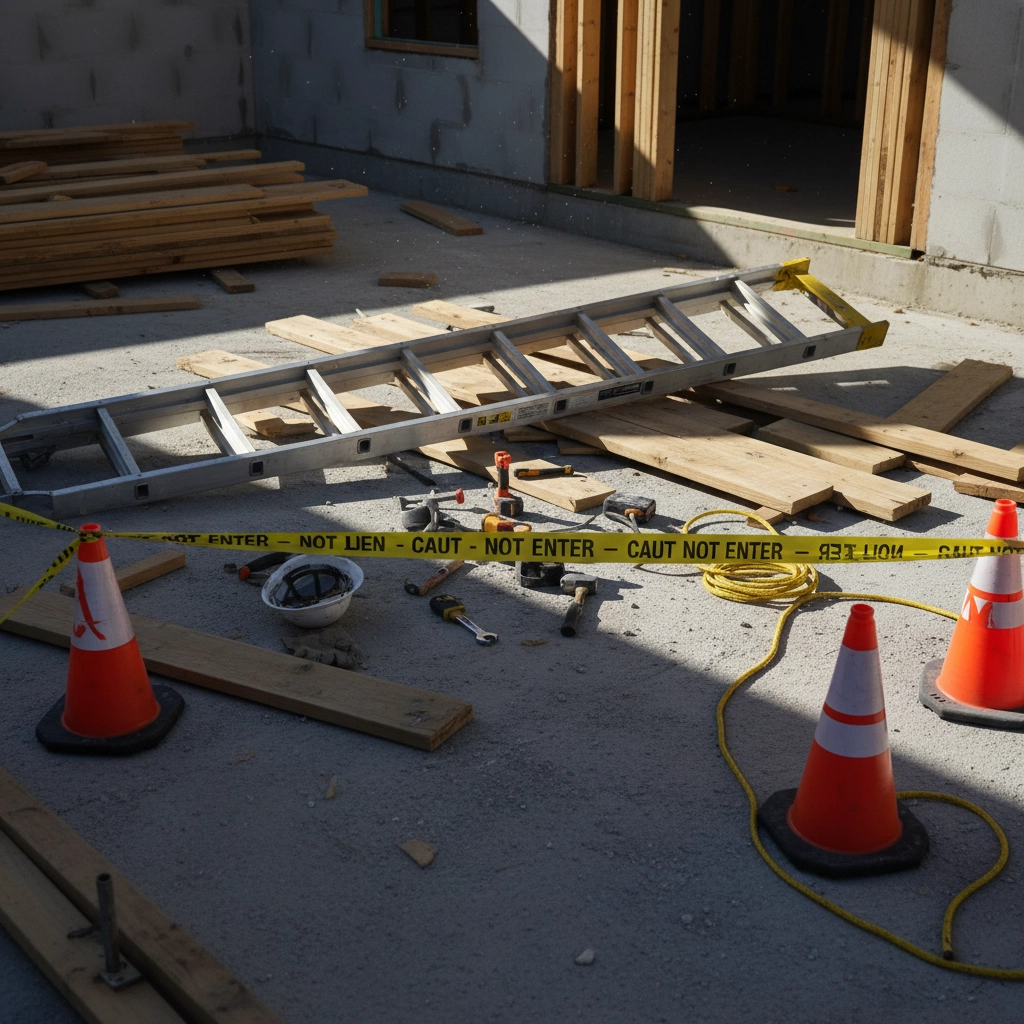
Slip and fall incidents represent the most frequent general liability claims for contractors. Clients, visitors, or other workers can trip over tools, materials, or uneven surfaces created during construction activities. These claims often result in significant medical expenses and potential lawsuits.
Property damage claims occur regularly when contractors accidentally damage existing structures, utilities, or landscaping. Hitting underground utilities, breaking fixtures during installation, or causing water damage through plumbing work generates substantial property damage expenses.
Tools and equipment causing injury to third parties create another common claim category. Falling ladders, flying debris from power tools, or improperly secured materials injuring bystanders result in bodily injury claims that general liability insurance addresses.
Product defects and faulty workmanship discovered after project completion can trigger completed operations claims. These incidents involve structural failures, electrical problems, or plumbing issues that cause injury or property damage months or years after finishing the original work.
Coverage Exclusions to Understand
General liability insurance contains several important exclusions that contractors must understand. Professional liability exposures, including errors in design or failure to meet building codes, require separate professional liability coverage. General liability policies exclude claims arising from professional services and advice.
Workers' compensation claims fall outside general liability coverage. Injuries to your own employees require separate workers' compensation insurance, which Washington state mandates for all employers with one or more workers.
Intentional acts and criminal behavior receive no coverage under general liability policies. Deliberately causing injury or damage, engaging in fraudulent activities, or violating laws void coverage protection.
Pollution-related incidents typically require specialized environmental coverage. General liability policies exclude most pollution claims, including gradual contamination from stored materials or fuel spills from equipment.
Auto-related incidents need separate commercial auto insurance. Vehicles used for business purposes, including transportation to job sites and hauling equipment, require dedicated auto coverage for adequate protection.
Determining Proper Coverage Limits
Project requirements often dictate minimum coverage limits contractors must maintain. Municipal contracts frequently require $1 million per occurrence coverage, while larger commercial projects may demand $5 million or higher limits. Review contract requirements before bidding to ensure your policy meets client specifications.
Asset protection considerations influence coverage limit decisions. Contractors with significant personal or business assets need higher limits to protect against large judgments that could threaten their financial security.
Industry risk factors affect appropriate coverage amounts. High-risk specialties like roofing, electrical work, or demolition typically need higher limits than lower-risk trades like painting or flooring installation.
Geographic location impacts claim severity and frequency. Urban areas with higher property values and litigation rates often warrant increased coverage limits compared to rural locations with lower exposure levels.

Additional Insured Requirements
Most contracts require contractors to name the property owner, general contractor, or hiring party as additional insureds on their general liability policy. This requirement extends your coverage protection to these parties for claims arising from your work activities.
Additional insured status provides direct coverage access without requiring separate policies. This arrangement simplifies claims handling and ensures all parties receive protection under your policy limits for covered incidents.
Waiver of subrogation clauses often accompany additional insured requirements. These provisions prevent your insurance company from pursuing recovery against the additional insured party following a covered claim.
Primary and non-contributory language ensures your policy responds first to covered claims. This wording prevents disputes over which insurance policy provides primary coverage when multiple policies might apply.
Cost Factors and Premium Considerations
Business classification significantly impacts general liability premiums. Insurance companies assign rates based on your primary trade and associated risk levels. Roofing contractors typically pay higher rates than interior painters due to increased injury potential.
Claims history directly affects premium costs. Contractors with previous claims pay higher rates, while those maintaining clean loss records often qualify for experience modification credits and preferred pricing.
Coverage limits and deductibles influence premium amounts. Higher coverage limits increase premiums, while selecting higher deductibles can reduce costs by assuming more risk retention.
Payroll and revenue figures determine exposure calculations. Insurance companies use these metrics to calculate premiums, with larger operations typically paying higher absolute amounts despite potentially lower rates per revenue dollar.

Integrated Insurance Strategy
General liability insurance works best as part of a comprehensive commercial insurance program. Workers' compensation coverage handles employee injuries, while commercial auto insurance protects vehicle-related exposures not covered under general liability policies.
Professional liability insurance addresses design errors, code violations, and other professional service exposures excluded from general liability coverage. Contractors providing design services or specialized technical advice need this additional protection.
Builders risk insurance protects projects under construction from fire, theft, vandalism, and weather damage. This coverage complements general liability protection by addressing property damage to the work itself rather than third-party property.
Commercial umbrella policies provide excess liability coverage above underlying general liability limits. These policies offer cost-effective protection against catastrophic claims that exceed primary policy limits.
Getting Proper Coverage
Work with licensed insurance agents specializing in contractor coverage to ensure proper protection. Experienced agents understand Washington state requirements and can recommend appropriate coverage combinations for your specific trade and risk exposures.
Compare coverage features beyond premium costs when selecting policies. Policy forms, coverage territories, defense cost arrangements, and claim handling capabilities vary significantly between insurance companies.
Review and update coverage annually to reflect business growth and changing requirements. Expanding operations, adding new services, or pursuing larger projects may require coverage adjustments to maintain adequate protection.
Maintain detailed records of your insurance policies and certificates. Quick access to current coverage information helps secure contracts and demonstrates professionalism to clients and general contractors.
Insurance Alliance LLC helps Washington contractors navigate complex insurance requirements while securing competitive coverage tailored to their specific needs. Contact us for personalized guidance on protecting your contracting business.

Comments