
General Liability Insurance for Contractors: What You Need to Know in 2025
- marketing676641
- Dec 17, 2025
- 5 min read
General liability insurance forms the cornerstone of protection for contractors across all trades. Understanding what this coverage provides and how it adapts to modern construction challenges determines your business's financial security and ability to secure contracts.
What General Liability Insurance Covers
General liability insurance protects contractors from third-party claims involving bodily injury, property damage, and personal injury. This coverage includes legal defense fees, medical payments, and advertising injury claims that arise during business operations.
Standard policies typically provide coverage limits of $1 million per occurrence and $2 million aggregate. These limits protect against single incidents and establish annual maximums for all covered claims. The coverage applies when third parties suffer harm due to your business activities, regardless of whether you directly caused the incident.
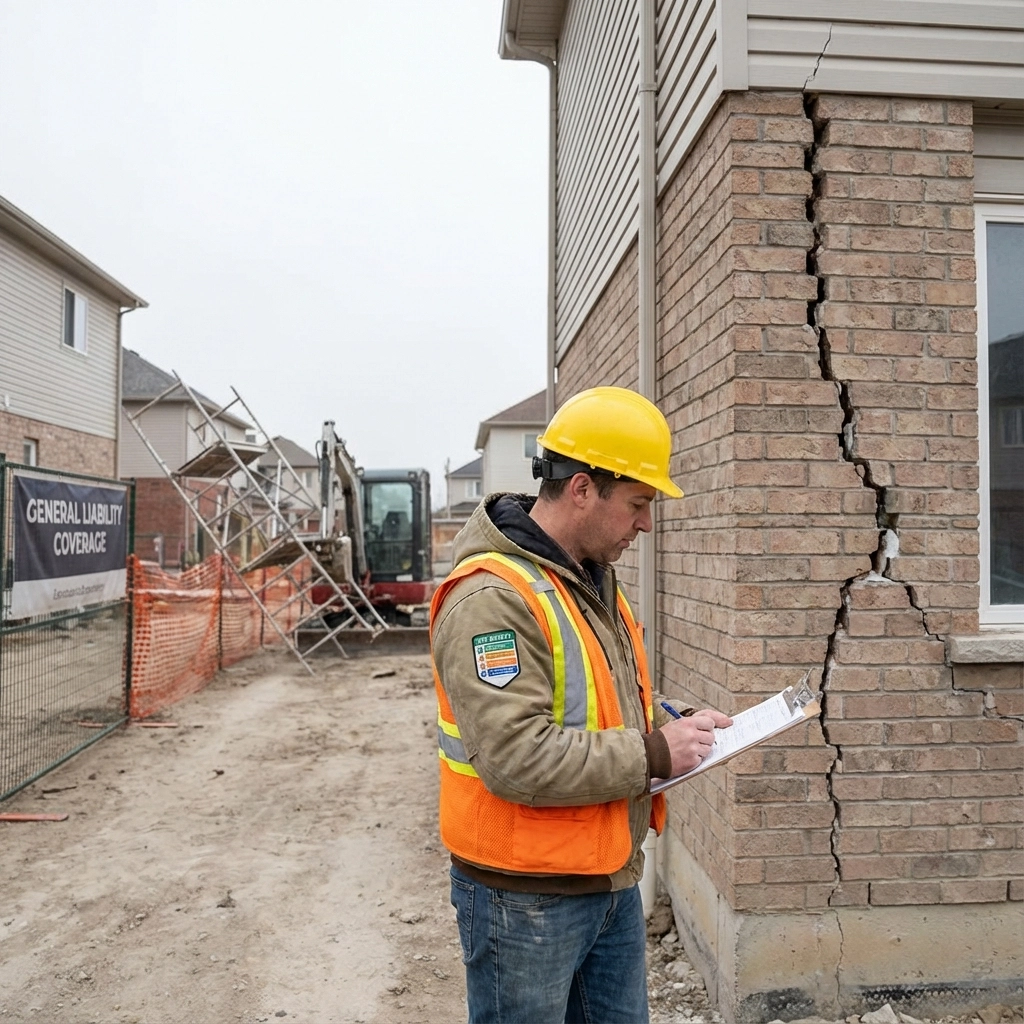
Property damage protection covers physical harm to client property, neighboring structures, or public infrastructure. Bodily injury coverage addresses medical expenses and legal costs when third parties sustain physical harm on your jobsites. Personal injury protection handles claims involving libel, slander, or wrongful eviction allegations.
Essential Protection for All Contractors
Every contractor benefits from general liability coverage. General contractors need this protection for oversight responsibilities across complex projects. Electrical contractors face unique risks from power system failures and fire hazards. Plumbing professionals encounter water damage exposures that can affect entire buildings.
HVAC contractors work with systems that impact air quality and building operations. Roofing specialists handle elevated work environments with significant fall risks. Concrete and masonry contractors manage heavy materials that pose property damage threats. Landscaping professionals operate equipment near structures and utilities.
The coverage requirement extends beyond large commercial projects. Residential contractors face the same liability exposures when working in occupied homes. Single-family renovations create dust, noise, and access disruptions that can trigger neighbor complaints or property damage claims.
Modern Construction Risk Landscape
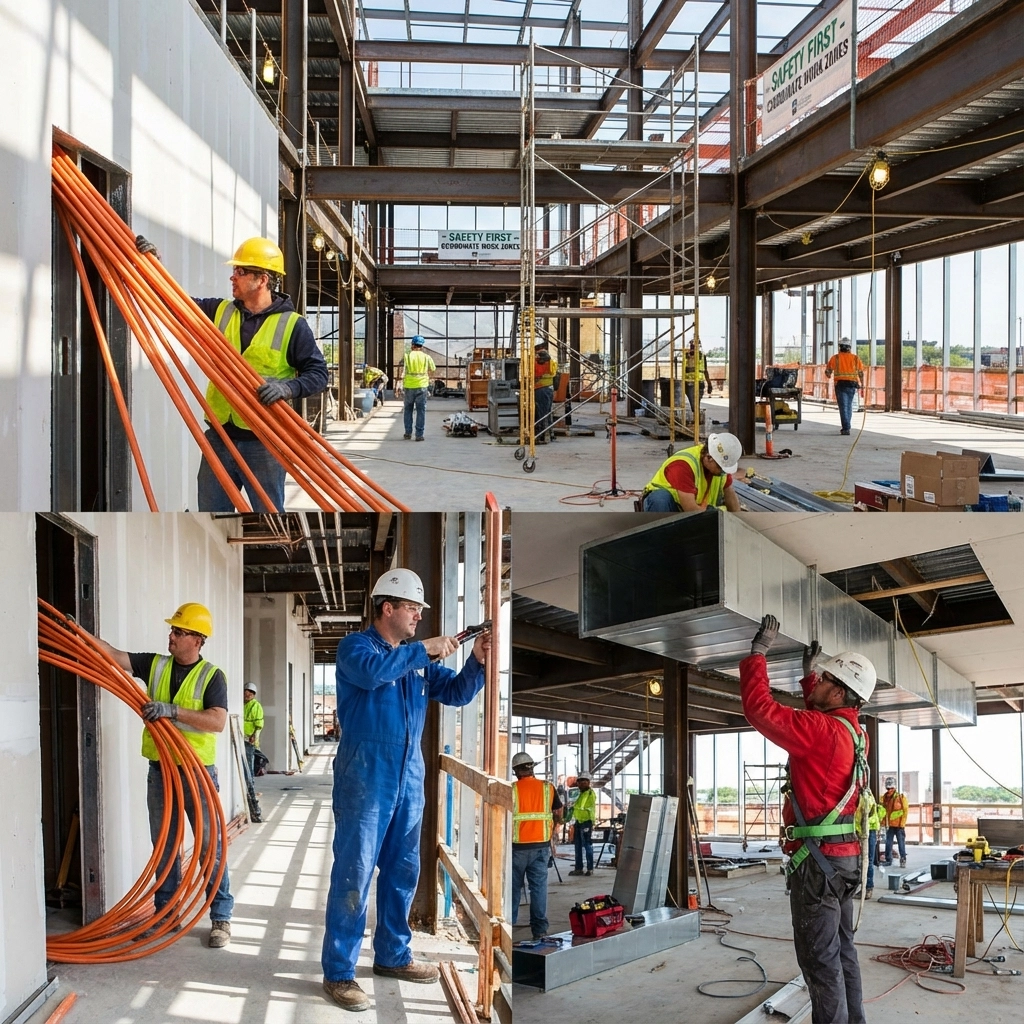
Construction projects in 2025 present increasingly complex liability scenarios. Multiple subcontractors work simultaneously on jobsites, creating overlapping responsibility zones. This collaboration increases the likelihood of incidents where fault determination becomes difficult.
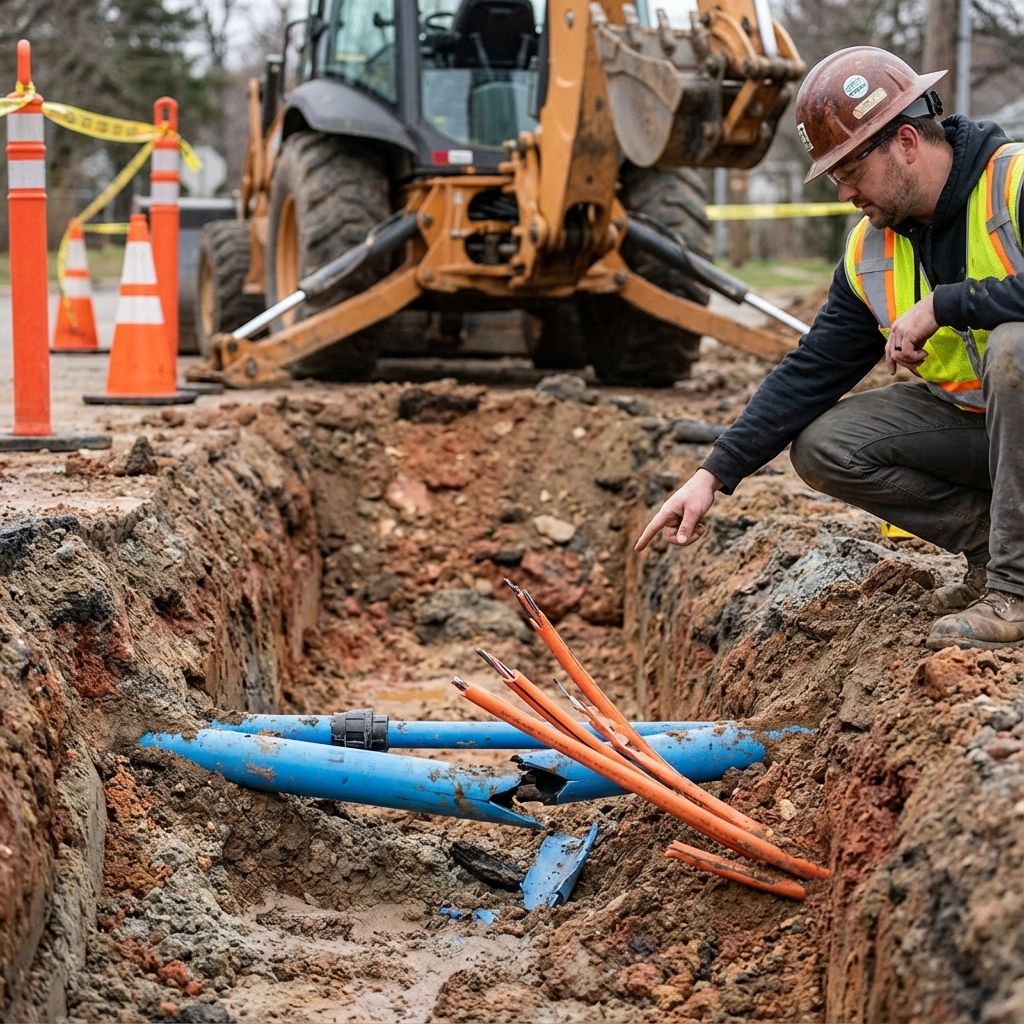
Underground utility strikes remain a significant concern despite 811 notification requirements. Even proper notification and marking procedures do not eliminate contractor liability for subsurface damage. Utility line misidentification or incomplete marking systems leave contractors exposed to expensive repair claims and service interruption lawsuits.
Environmental liability exposures have expanded beyond traditional pollution concerns. Soil contamination discovery during excavation can halt projects and trigger cleanup requirements. Groundwater impact from construction activities may not surface until months after project completion, extending liability timelines beyond standard coverage periods.
Technology integration on construction sites creates new liability exposures. Connected equipment systems, digital monitoring tools, and automated machinery introduce cyber security vulnerabilities and technical failure risks that traditional coverage may not address adequately.
Coverage Gaps in Standard Policies
Standard general liability policies contain exclusions that create protection gaps for modern contractors. Professional liability exclusions remove coverage for design errors, consulting advice, and specification failures. These exclusions affect contractors who provide design-build services or project management consulting.
Pollution exclusions eliminate coverage for contamination incidents, even when contractors accidentally encounter existing contamination. This exclusion becomes problematic during excavation projects near industrial sites or areas with unknown environmental history.
Work performed by subcontractors often falls outside standard coverage scope. When subcontractors cause property damage or bodily injury while working under your supervision, your general liability policy may deny coverage based on contractor exclusions.
Completed operations coverage provides protection for incidents that occur after project completion, but coverage periods vary by insurer. Some policies limit this protection to specific timeframes that may not align with construction defect statutes of limitations.
Municipal and Government Project Requirements
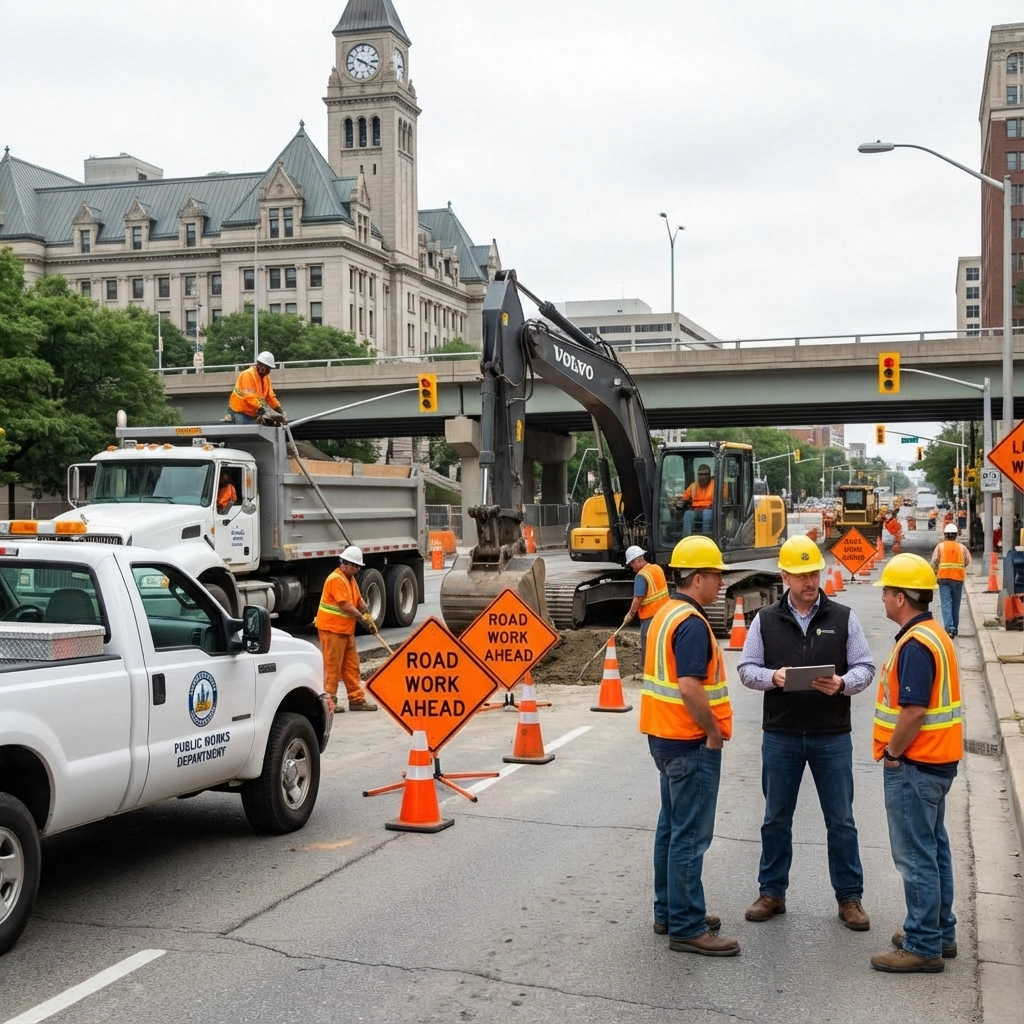
Public sector projects impose strict insurance requirements that exceed standard coverage levels. Department of Transportation contracts typically require higher liability limits and specialized endorsements for traffic control operations and public safety compliance.
Municipal contracts often mandate additional insured endorsements that extend your coverage to government entities. These endorsements protect public agencies from liability claims arising from your work performance. The endorsement language must meet specific requirements that vary by jurisdiction and project type.
Certificate of insurance submission requirements have become more stringent. Government agencies require real-time verification of coverage status and automated notification of policy changes or cancellations. Manual certificate processes no longer satisfy many public sector requirements.
Additional Coverage Considerations
Inland marine coverage becomes essential when equipment moves frequently between jobsites. This protection covers mobile machinery, tools, and materials during transit and temporary storage. Standard general liability policies do not address equipment breakdown or theft exposures.
Professional liability coverage fills gaps left by general liability exclusions. This protection covers errors in design recommendations, project management decisions, and consulting advice. Contractors who provide specialized expertise or oversee complex technical installations benefit from this additional layer.
Cyber liability protection addresses technology-related exposures that affect modern construction operations. Connected equipment, digital project management systems, and electronic communications create data breach vulnerabilities and system failure risks that require specialized coverage.
Product liability coverage protects contractors who install or supply materials and equipment. When installed products fail and cause property damage or bodily injury, this coverage responds to claims against the contractor as the product supplier or installer.
Environmental and Pollution Considerations
Construction activities frequently encounter environmental exposures that standard coverage excludes. Excavation projects may uncover existing contamination that requires immediate response and cleanup. Fuel spills from equipment operation can trigger soil and groundwater remediation requirements.
Asbestos and lead paint exposures remain common during renovation projects. Discovery of hazardous materials can halt work and require specialized abatement procedures. Standard general liability policies exclude coverage for these environmental exposures.
Pollution liability coverage provides protection for gradual contamination incidents and sudden pollution events. This coverage responds to third-party cleanup demands and regulatory enforcement actions that arise from construction activities.
Documentation and Risk Management
Proper documentation supports coverage when claims arise. Maintain detailed records of safety training, equipment maintenance, and subcontractor oversight procedures. Document pre-construction site conditions through photographs and written reports.
Subcontractor management requires careful attention to insurance verification and additional insured requirements. Require certificates of insurance before work begins and monitor coverage throughout project duration. Ensure subcontractor policies name your company as additional insured for proper protection.
Safety program implementation reduces claim frequency and demonstrates professional risk management. Regular safety meetings, equipment inspections, and hazard identification procedures support your coverage by showing proactive loss prevention efforts.
Technology and Equipment Protection
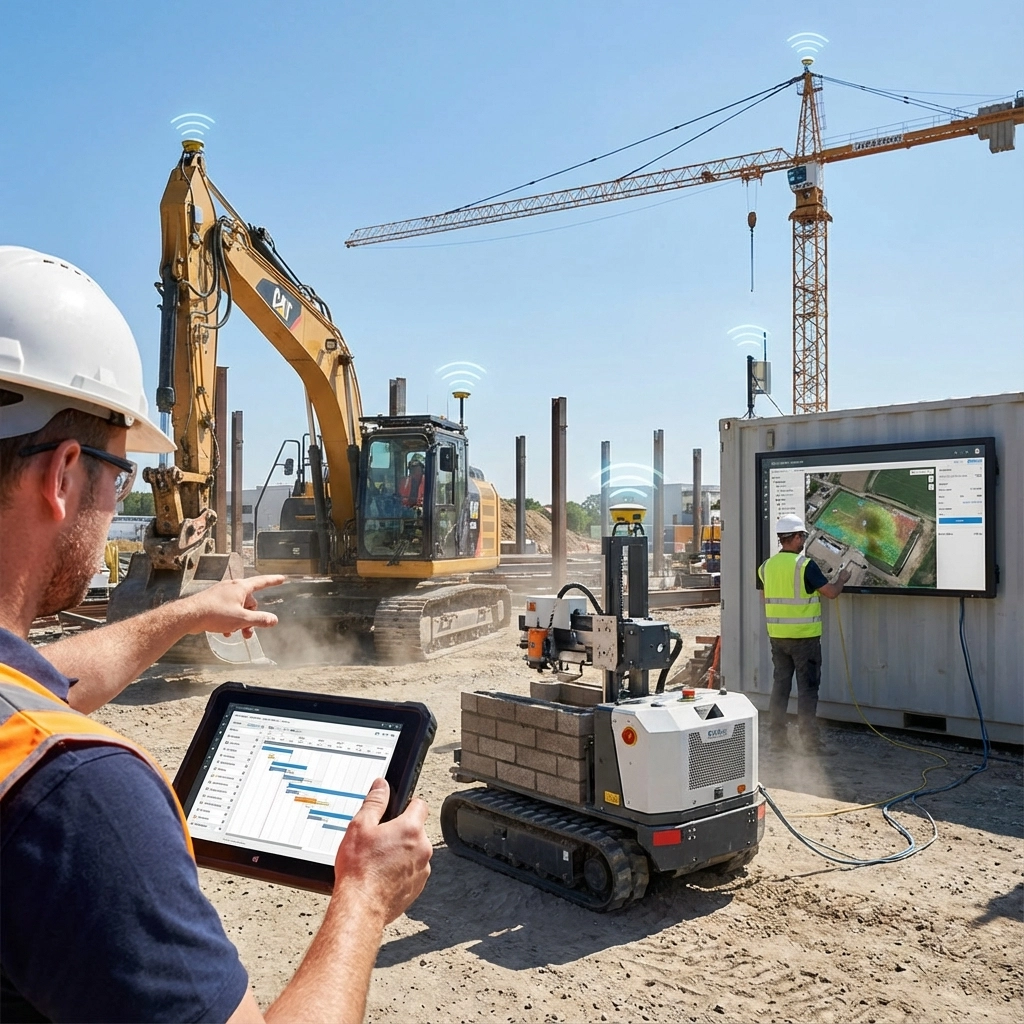
Modern construction equipment incorporates advanced technology that creates new liability exposures. GPS systems, automated controls, and diagnostic equipment can malfunction and cause property damage or project delays. Standard coverage may not address these technology-related failures adequately.
Drone operations for surveying and progress monitoring introduce aviation liability exposures. Federal regulations require specific insurance coverage for commercial drone operations. Standard general liability policies typically exclude aviation-related activities.
Contract Requirements and Client Expectations
Client insurance requirements continue to evolve with construction industry changes. Large commercial projects require comprehensive coverage verification before contract execution. Automated certificate tracking systems monitor policy status throughout project duration.
Additional insured requirements extend your coverage to protect clients from liability claims arising from your work. These endorsements must include both ongoing operations and completed operations protection. The endorsement language must meet specific client requirements to satisfy contractual obligations.
Hold harmless agreements shift liability responsibility between project parties. Understanding how these agreements interact with your insurance coverage prevents unexpected coverage gaps during claims situations.
General liability insurance provides essential protection for contractors navigating today's complex construction environment. Understanding coverage scope, identifying potential gaps, and implementing appropriate additional coverages ensures comprehensive protection for your contracting business. Work with experienced insurance professionals to structure coverage that addresses your specific trade risks and project requirements.

Comments