
General Liability Insurance for Contractors in Florida, Texas, Arizona, Idaho, and Washington: Why It's Essential
- marketing676641
- Dec 9, 2025
- 4 min read
General liability insurance serves as a fundamental protection layer for contractors operating across Florida, Texas, Arizona, Idaho, and Washington. This coverage safeguards your contracting business against third-party bodily injury lawsuits, property damage incidents, and various liability exposures that emerge during construction projects.
Understanding General Liability Coverage for Contractors
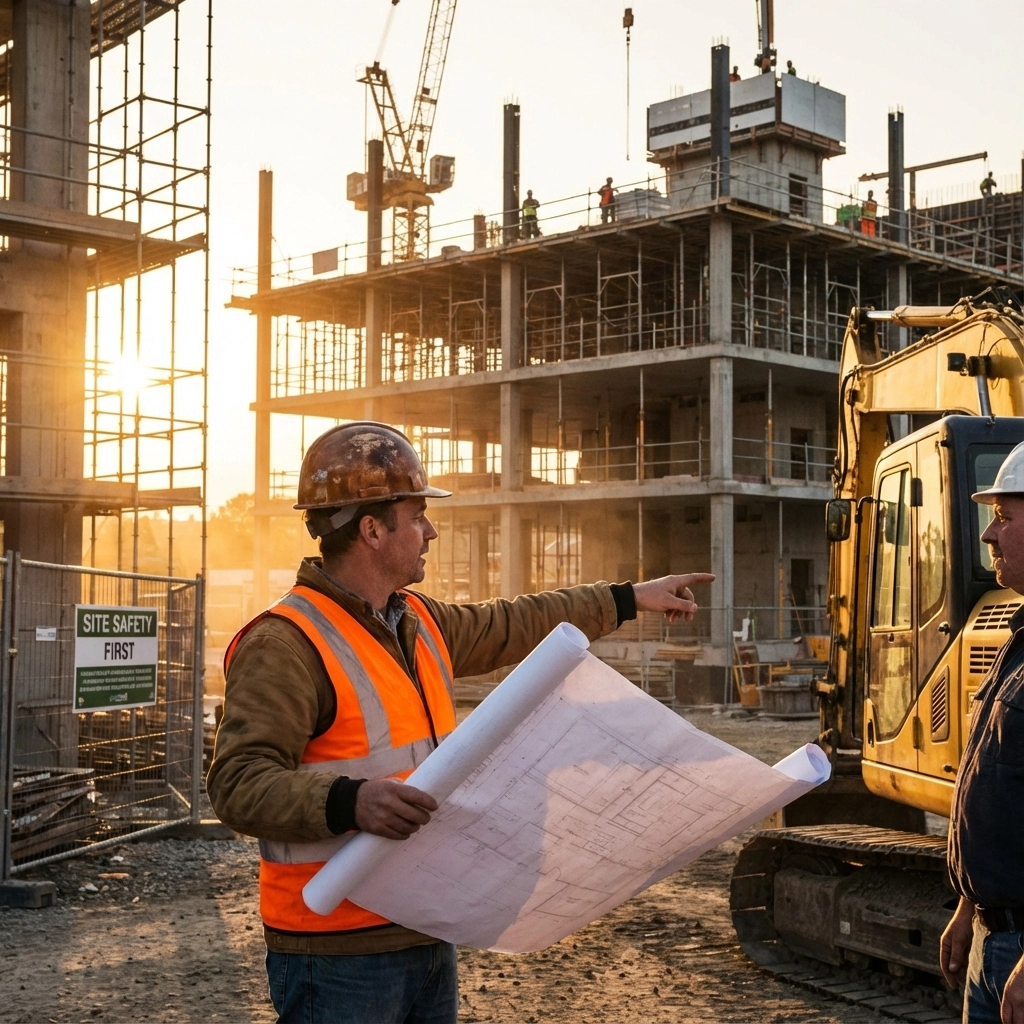
General liability insurance protects contractors when their work activities result in bodily injury to others or damage to client property. This coverage extends beyond your immediate work site to include protection for incidents occurring during project completion and after job delivery.
The policy covers legal defense costs when third parties file lawsuits against your contracting business. Coverage includes court fees, attorney expenses, and settlement payments when your company faces liability litigation. Professional legal representation becomes accessible through your insurance carrier when accidents occur during construction activities.
Essential Coverage Components
Bodily Injury Protection Third-party bodily injury coverage responds when individuals sustain injuries due to your contracting operations. This includes visitors, clients, subcontractors, and passersby who experience harm at your work sites. Medical expenses, rehabilitation costs, and pain and suffering settlements receive coverage under this protection component.
Property Damage Coverage Property damage protection covers destruction or harm to client property during construction activities. This includes damage to existing structures, landscaping, utilities, and neighboring properties affected by your work. Coverage extends to equipment damage and materials belonging to property owners.
Personal and Advertising Injury Personal injury coverage protects against non-physical harm allegations including libel, slander, false advertising, and copyright infringement. Contractors face these exposures through marketing materials, client communications, and business advertising activities.
Products and Completed Operations This coverage component addresses liability arising after project completion. Defects in materials, installation errors, and workmanship issues that surface months or years later receive protection through completed operations coverage.
Common Contractor Liability Scenarios
Construction Site Accidents Contractors face significant liability when third parties sustain injuries at work sites. Slip and fall incidents, falling object injuries, and equipment-related accidents create substantial liability exposures. General liability insurance responds to medical expenses and legal costs arising from these situations.
Property Damage During Operations Construction activities frequently impact surrounding property through vibrations, debris, and equipment operation. Water line breaks, foundation settling, and structural damage to neighboring buildings require liability protection. Coverage addresses repair costs and legal defense when property owners pursue compensation.
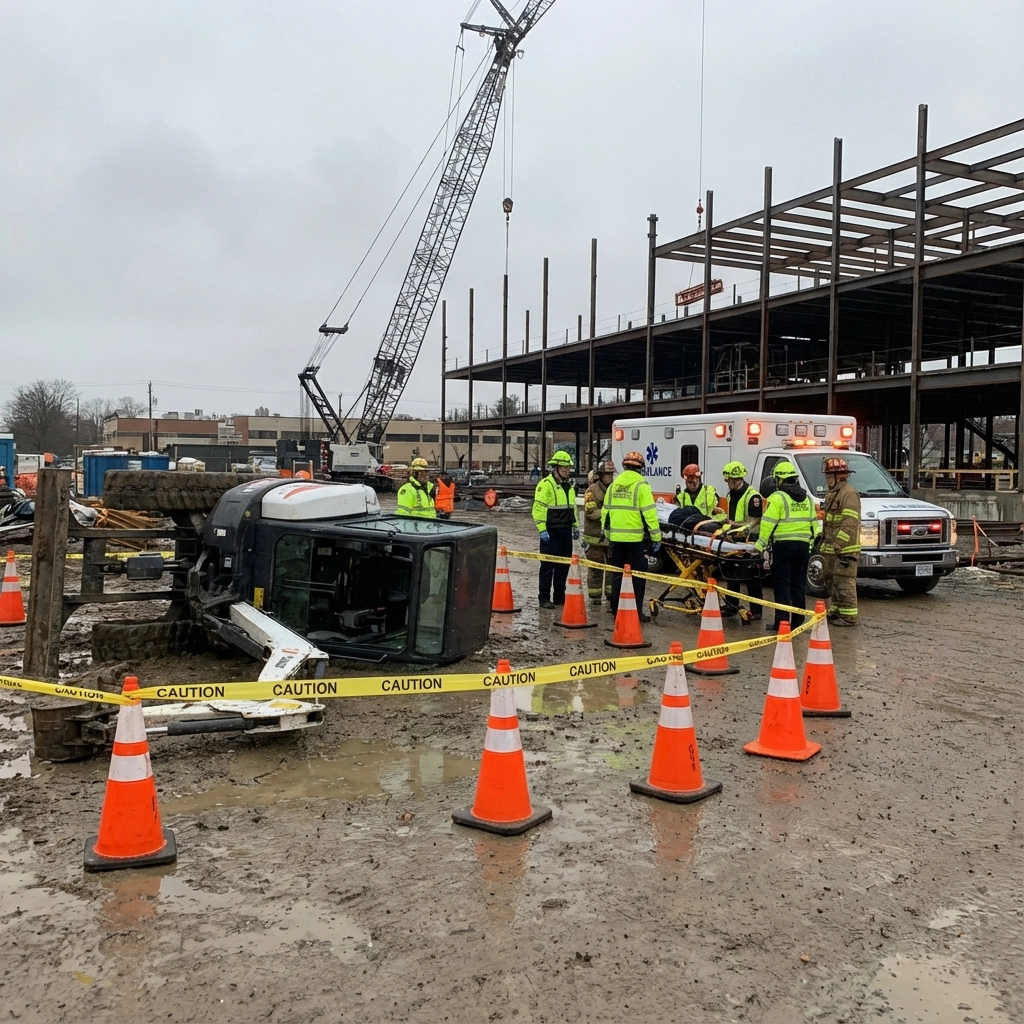
Subcontractor and Vendor Incidents General contractors bear liability responsibility for subcontractor actions during project execution. When subcontractors cause property damage or bodily injuries, primary contractors face legal exposure. General liability coverage protects against these downstream liability issues.
Tool and Equipment Damage Contractor tools and equipment create liability exposures when causing damage to client property or third-party assets. Power tool malfunctions, heavy equipment operation errors, and material handling incidents generate liability situations requiring insurance protection.
Industry-Specific Contractor Exposures
Residential Contractors Home improvement contractors face unique liability exposures including damage to personal belongings, injury to family members, and disruption of living spaces. Kitchen remodeling, bathroom renovations, and home additions create elevated liability risks requiring comprehensive coverage.
Commercial Construction Commercial contractors encounter complex liability exposures through large-scale projects involving multiple stakeholders. Business interruption liability, tenant displacement issues, and public access complications demand extensive general liability protection.
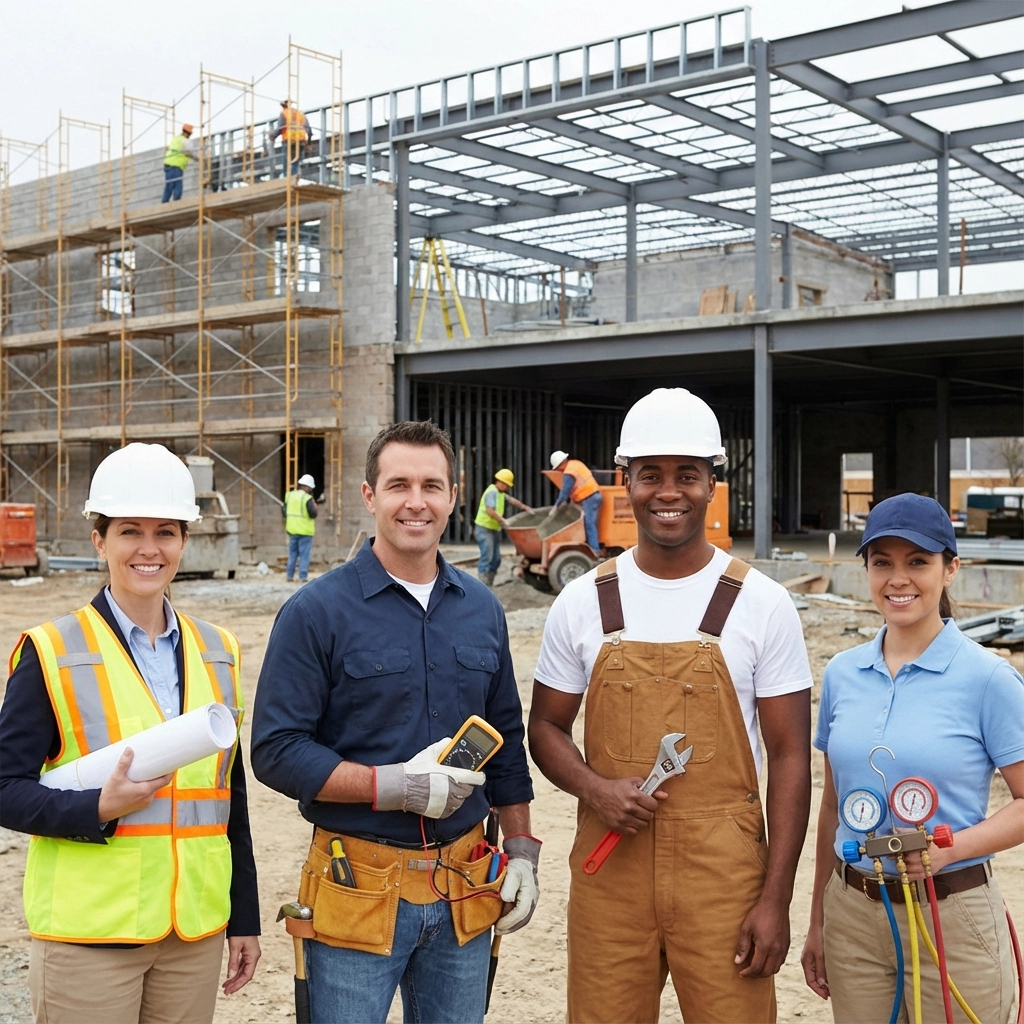
Specialty Trade Contractors Electrical, plumbing, and HVAC contractors face specific liability risks related to their specialized work. System failures, installation errors, and code violations create long-term liability exposures extending beyond project completion dates.
Meeting Client and Project Requirements
Contract Compliance Most construction contracts require contractors to maintain specific general liability coverage limits. Project owners demand proof of insurance before authorizing work commencement. Certificate of insurance documents demonstrate compliance with contractual insurance requirements.
Bonding and Surety Requirements General liability insurance often serves as a prerequisite for obtaining performance and payment bonds. Surety companies evaluate contractor insurance programs when underwriting bond applications. Adequate liability coverage strengthens bonding capacity and project qualification abilities.
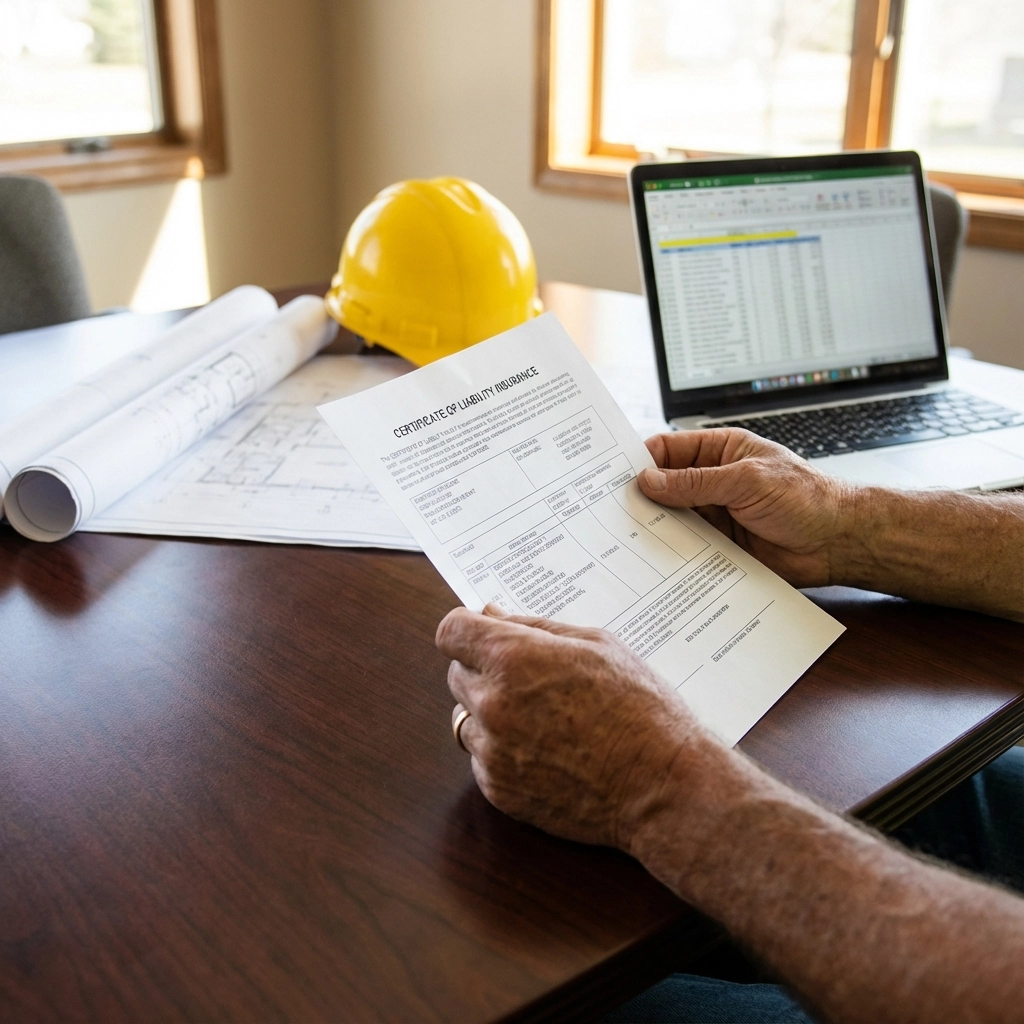
Lender and Financing Considerations Construction lenders frequently require contractors to maintain general liability coverage during project financing periods. Equipment financing agreements include insurance requirements protecting lender interests in contractor assets and operations.
Building Professional Credibility
Client Confidence Contractors with comprehensive general liability coverage demonstrate professional responsibility and financial stability. Clients prefer working with insured contractors who can address liability issues without disrupting project timelines or budgets.
Competitive Advantage Insurance coverage provides competitive advantages when bidding on projects requiring liability protection. Contractors with established insurance programs qualify for larger projects and more demanding clients seeking risk mitigation.
Industry Reputation Maintaining consistent general liability coverage builds long-term industry reputation and referral relationships. Insurance protection demonstrates commitment to professional standards and risk management best practices.
Coverage Limits and Policy Structure
Occurrence vs. Claims-Made General liability policies utilize occurrence-based coverage triggers providing protection for incidents happening during policy periods. This structure offers long-term protection for liability exposures that emerge years after project completion.
Aggregate Limits Annual aggregate limits cap total policy payouts during twelve-month periods. Per-occurrence limits establish maximum payments for individual incidents. Contractors must balance adequate limits with budget considerations when structuring coverage.
Defense Cost Coverage Legal defense expenses receive separate coverage outside policy limits through most general liability programs. This structure ensures adequate funds remain available for settlement payments while covering extensive legal costs.
Risk Management and Loss Prevention
Safety Program Implementation Comprehensive safety programs reduce liability exposures through accident prevention and hazard identification. Regular safety training, equipment maintenance, and site inspections minimize incidents generating liability situations.
Quality Control Measures Systematic quality control processes prevent defective work and installation errors that create long-term liability exposures. Material testing, inspection protocols, and workmanship standards reduce completed operations risks.
Documentation Practices Detailed project documentation including photographs, inspection reports, and change orders provides crucial evidence during liability disputes. Proper documentation supports legal defense efforts and claim resolution processes.
Contractor Insurance Program Integration
Commercial Auto Coverage General liability insurance coordinates with commercial auto policies covering vehicle-related incidents during construction activities. Comprehensive transportation insurance addresses liability gaps between coverage types.
Workers' Compensation Integration Workers' compensation and general liability coverage work together addressing different liability exposures. Employee injuries fall under workers' compensation while third-party injuries require general liability protection.
Professional Liability Considerations Design-build contractors and consultants may require professional liability coverage supplementing general liability protection. Professional errors and omissions create distinct exposures requiring specialized insurance coverage.
Insurance Alliance LLC provides comprehensive general liability insurance solutions for contractors throughout Florida, Texas, Arizona, Idaho, and Washington. Our experienced team understands contractor liability exposures and delivers tailored coverage protecting your business operations and professional reputation.
Comments