
General Contractor Insurance: What Every Business Needs to Know
- marketing676641
- Nov 27, 2025
- 5 min read
General contractors face unique risks that require comprehensive insurance protection. Construction projects involve expensive equipment, multiple workers, potential property damage, and significant liability exposure. Professional contractors operating in Florida, Texas, Arizona, Idaho, and Washington must understand essential coverage requirements and protection strategies.
Proper insurance coverage protects your business from financial devastation while ensuring compliance with licensing requirements and client expectations. Construction work creates multiple liability scenarios that can result in costly claims without adequate protection.
Essential General Liability Insurance
General liability insurance forms the foundation of contractor insurance protection. This coverage protects against third-party bodily injury, property damage, and personal injury claims arising from your business operations.
Construction sites present numerous hazards for visitors, passersby, and neighboring properties. General liability insurance covers medical expenses, legal defense costs, and settlement amounts when accidents occur during your work. Coverage extends to completed operations, protecting against claims that arise after project completion.
Product liability protection within general liability policies covers defects in materials or workmanship that cause injury or property damage. This protection becomes crucial when installing systems, fixtures, or structural components that could fail and cause harm.
Professional liability aspects of general liability insurance protect against claims of inadequate work performance, failure to meet building codes, or design-related issues. General contractors often coordinate multiple trades and bear responsibility for overall project quality and compliance.
Workers' Compensation Requirements
Workers' compensation insurance provides essential protection for construction employees. This coverage handles medical expenses, rehabilitation costs, and wage replacement for workers injured on job sites.
Construction work involves inherent dangers including falls, equipment accidents, electrical hazards, and exposure to hazardous materials. Workers' compensation insurance ensures injured employees receive proper medical care while protecting your business from costly lawsuits.
Most states require workers' compensation coverage for construction businesses with employees. Coverage requirements typically include all full-time and part-time workers, including family members in some cases. Independent contractors generally maintain their own coverage, but proper classification documentation becomes critical.
Experience modification factors influence workers' compensation premiums based on your safety record and claims history. Implementing comprehensive safety programs and maintaining detailed incident records helps control long-term insurance costs while protecting workers.
Commercial Auto Insurance Protection
Commercial auto insurance covers vehicles used for business purposes including trucks, vans, trailers, and specialized construction equipment. General contractors transport tools, materials, and equipment between job sites, creating significant liability exposure.
Vehicle liability coverage protects against bodily injury and property damage caused by accidents involving company vehicles. Coverage extends to hired and non-owned vehicles when employees use personal vehicles or rental equipment for business purposes.
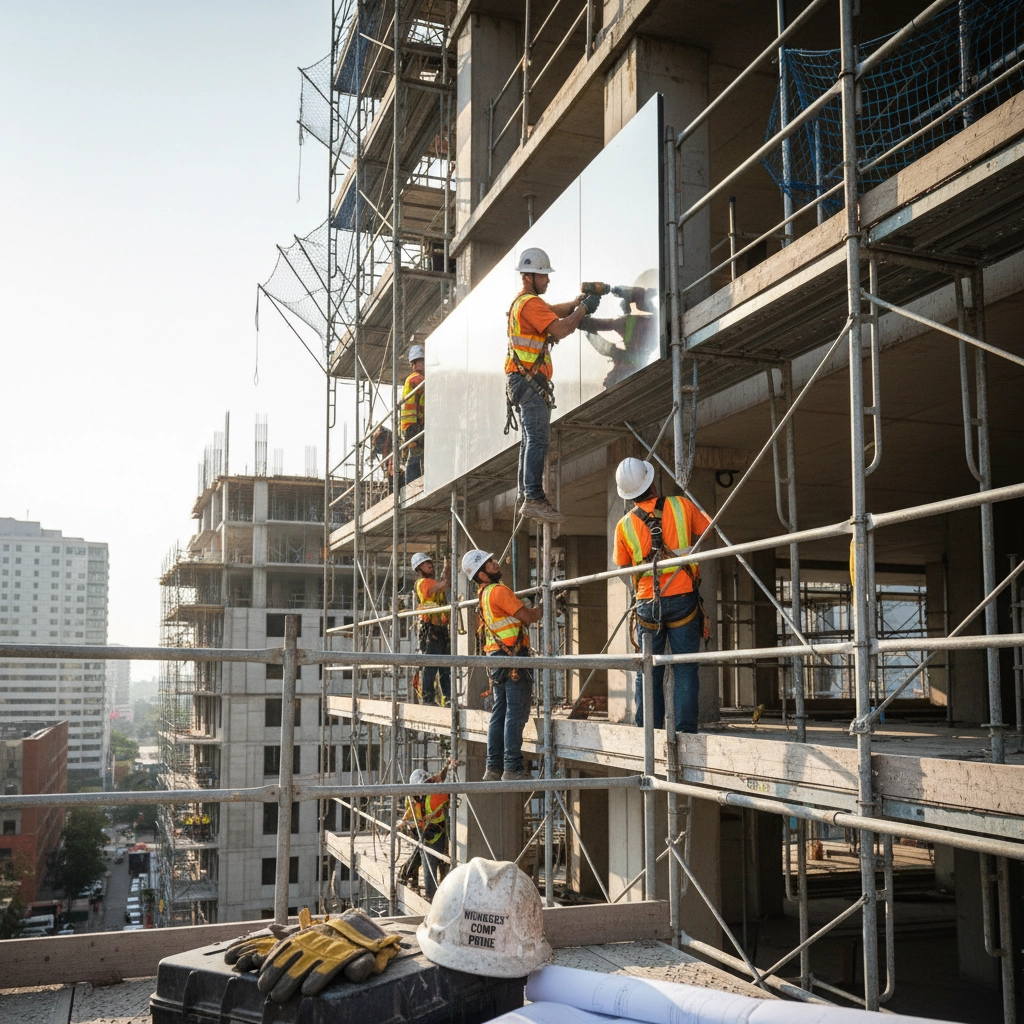
Physical damage coverage protects company vehicles against collision, comprehensive, and specified perils losses. Construction vehicles face increased risks from job site conditions, theft of expensive tools and equipment, and vandalism.
Contractor equipment coverage protects tools, equipment, and materials transported in vehicles. This coverage addresses theft, damage, and mysterious disappearance of valuable construction equipment and tools.
Surety Bonds and License Requirements
Surety bonds provide financial guarantees that contractors will complete projects according to contract specifications and pay subcontractors and suppliers. Most states require surety bonds for general contractor licensing.
License bonds guarantee compliance with state regulations and protect consumers against contractor violations. Bond amounts vary by jurisdiction and contractor classification, but typically range from several thousand to several hundred thousand dollars.
Performance bonds guarantee project completion according to contract terms. Payment bonds ensure subcontractors and material suppliers receive proper compensation. Bid bonds guarantee contractors will honor successful bid commitments.
Surety companies evaluate contractor financial strength, experience, and bonding capacity before issuing bonds. Strong financial statements, established credit relationships, and proven track records improve bonding availability and terms.
Specialized Coverage Considerations
Builder's risk insurance protects construction projects against fire, theft, vandalism, and weather damage during construction. This coverage applies to materials, fixtures, and work in progress at job sites.
Equipment and tool coverage protects owned and rented construction equipment against theft, damage, and mechanical breakdown. Construction equipment represents significant investments requiring dedicated protection.
Professional liability insurance protects against errors and omissions in design, planning, or project management services. General contractors providing design-build services or acting as construction managers need professional liability protection.
Environmental liability coverage protects against pollution claims arising from construction activities. Excavation, demolition, and renovation projects can disturb contaminated soil or release hazardous materials requiring specialized coverage.
Cyber liability insurance protects against data breaches, network security failures, and cyber extortion. Modern construction businesses rely heavily on digital systems for project management, financial transactions, and communication.
Commercial Property Insurance
Commercial property insurance protects business premises, equipment, and contents against fire, theft, vandalism, and weather damage. General contractors need coverage for offices, warehouses, equipment yards, and temporary job site structures.
Business personal property coverage protects tools, equipment, furniture, and inventory maintained at business locations. Coverage extends to property temporarily located at job sites or in transit between locations.
Extra expense coverage helps maintain business operations after covered property losses. This coverage pays for temporary office space, equipment rental, and expedited delivery of materials needed to continue operations.
Business interruption insurance compensates for lost income when covered property damage prevents normal business operations. Construction delays caused by covered property losses can result in significant financial impact requiring dedicated protection.
Umbrella Insurance Protection
Commercial umbrella insurance provides additional liability protection above underlying general liability, auto liability, and workers' compensation policies. Construction operations create potential for catastrophic liability claims exceeding standard policy limits.
Umbrella coverage activates when underlying policy limits are exhausted or when claims fall within umbrella coverage but outside underlying policies. This protection proves essential when serious accidents result in multiple injuries or significant property damage.
Large construction projects often require umbrella coverage to meet client insurance requirements. Project owners and general contractors frequently specify minimum umbrella limits for all project participants.
Umbrella insurance provides cost-effective liability protection compared to increasing limits on individual policies. Broad coverage terms typically include defense costs, settlement expenses, and judgment amounts within policy limits.
Risk Management and Documentation
Comprehensive risk management programs reduce claims frequency and severity while demonstrating commitment to safety. Regular safety training, equipment maintenance, and job site inspections help prevent accidents and improve insurance terms.
Proper documentation supports insurance claims and defends against frivolous lawsuits. Maintain detailed project records, safety meeting minutes, equipment maintenance logs, and incident reports for all construction activities.
Certificate of insurance management ensures compliance with client requirements and protects against coverage gaps. Monitor policy renewals, endorsement changes, and additional insured requirements throughout project lifecycles.
Subcontractor insurance verification protects against gaps in coverage that could create liability exposure. Require certificates of insurance, additional insured endorsements, and primary and non-contributory provisions from all subcontractors.
Insurance Alliance LLC Support
Insurance Alliance LLC provides comprehensive insurance solutions for general contractors throughout Florida, Texas, Arizona, Idaho, and Washington. Our experienced agents understand construction industry risks and regulatory requirements specific to your operations.
We help contractors evaluate coverage needs, compare policy terms, and maintain compliance with licensing and contractual requirements. Our risk management resources support safety programs and claims prevention strategies that protect your business and workers.
Contact Insurance Alliance LLC to review your current coverage and identify potential gaps in protection. Professional insurance guidance ensures adequate coverage while supporting long-term business success in competitive construction markets.

Comments