
General Contractor Insurance: Critical Coverages to Safeguard Your Business
- marketing676641
- Nov 27, 2025
- 5 min read
General contractors face unique risks that require comprehensive insurance protection. Construction sites present daily hazards that can result in serious injuries, property damage, and costly legal claims. Understanding the essential insurance coverages protects your business from financial losses and ensures compliance with licensing requirements and contractual obligations.
Why General Contractors Need Specialized Insurance Policies
Construction work involves multiple risk exposures that standard business insurance cannot adequately address. General contractors work with heavy equipment, hazardous materials, and complex job sites where accidents happen frequently. Third-party injuries, property damage, and employee accidents create significant liability exposure that can devastate an unprotected business.
Licensing boards require specific insurance coverages for contractor registration and renewal. Property owners and project managers mandate insurance requirements before allowing contractors to begin work. Meeting these obligations requires tailored coverage that addresses construction industry risks.
General Liability Insurance: Foundation Protection
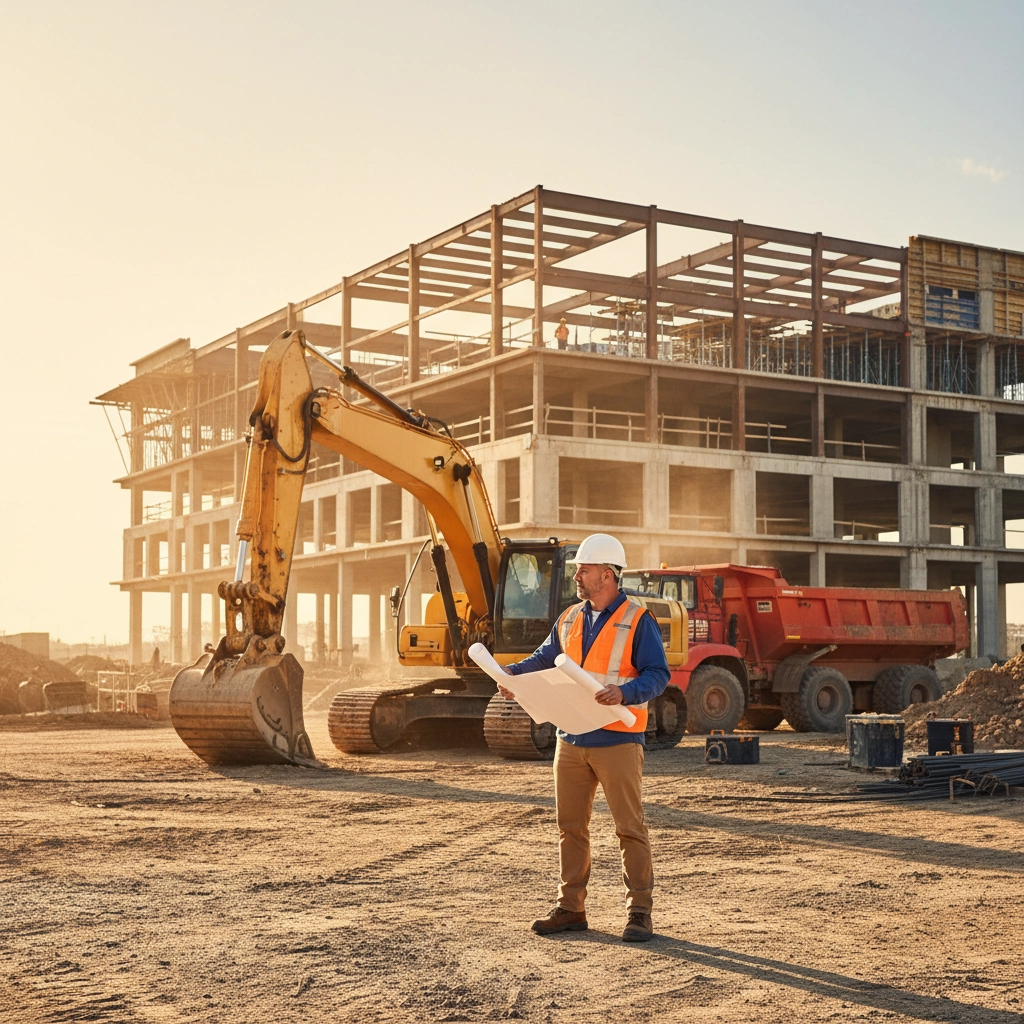
General liability insurance provides essential protection against third-party bodily injury and property damage claims. This coverage responds when clients, visitors, or members of the public suffer injuries on your job sites. Property damage protection covers accidental damage to client property during construction activities.
Medical payments coverage pays immediate medical expenses for injured third parties, regardless of fault. Personal and advertising injury protection covers claims involving libel, slander, or copyright infringement in your business communications.
Contractual liability coverage extends protection to indemnification agreements commonly found in construction contracts. Additional insured endorsements protect property owners and project managers as required by contractual agreements. These endorsements ensure your policy responds to claims involving work performed for covered parties.
Workers' Compensation: Employee Protection
Workers' compensation insurance provides mandatory protection for employees injured during work activities. This coverage pays medical expenses and wage replacement benefits for work-related injuries and illnesses. Coverage protects your business from employee lawsuits related to workplace injuries.
Construction workers face elevated injury risks from falls, equipment accidents, and exposure to hazardous materials. Workers' compensation ensures injured employees receive necessary medical care while protecting your business from costly litigation.
Even sole proprietors may need workers' compensation coverage when clients require it as a contractual condition. Subcontractor agreements often mandate workers' compensation requirements for all parties working on construction projects.
Commercial Auto Insurance: Vehicle Protection
General contractors rely on commercial vehicles for transporting equipment, materials, and personnel to job sites. Commercial auto insurance covers liability and physical damage for business-owned vehicles. This protection extends beyond personal auto coverage limits and exclusions.
Liability coverage protects against bodily injury and property damage claims resulting from vehicle accidents. Comprehensive and collision coverage pays for vehicle repairs or replacement following accidents, theft, or weather damage.
Hired and non-owned auto coverage protects against claims involving rental vehicles or employee-owned vehicles used for business purposes. This coverage fills gaps when personal auto policies exclude business use.
Contractors Tools and Equipment Insurance
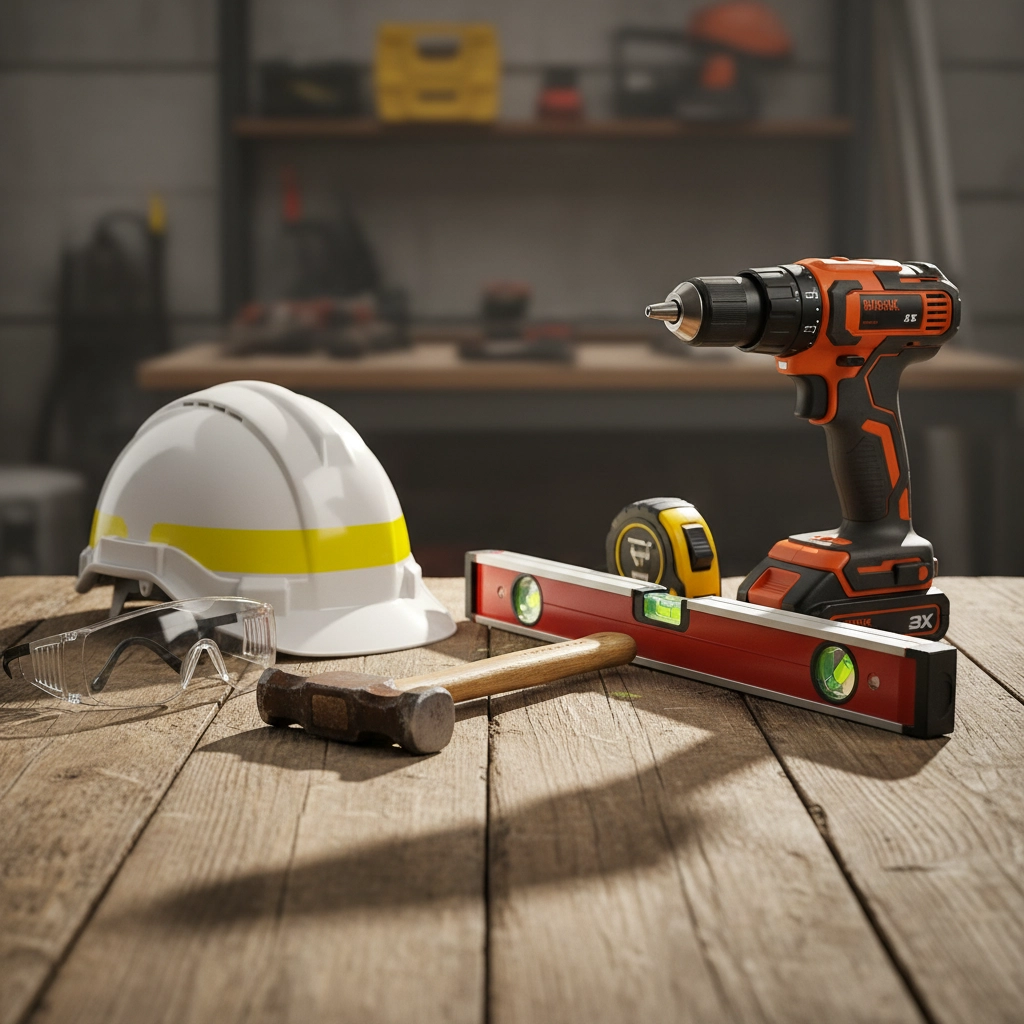
Construction businesses invest heavily in specialized tools and equipment essential for daily operations. Contractors tools and equipment insurance protects against theft, damage, and loss of business property. Coverage applies whether equipment is stored at your facility, transported to job sites, or temporarily left on construction sites.
Protection extends to hand tools, power tools, safety equipment, and smaller construction equipment. Coverage may include rented or borrowed equipment used for specific projects. Some policies provide coverage for equipment breakdown and mechanical failures.
Theft represents a significant risk for construction equipment left on unsecured job sites. Weather damage from storms, floods, or extreme temperatures can damage expensive equipment. This coverage ensures business continuity when essential tools become unavailable.
Builder's Risk Insurance: Project Protection
Builder's risk insurance covers buildings under construction and renovation projects. This coverage protects materials, fixtures, equipment, and labor costs against damage during construction. Protection applies from project commencement until completion or occupancy.
Coverage includes materials stored on-site and in transit to job sites. Temporary buildings, scaffolding, and construction equipment receive protection during active construction phases. Weather damage, theft, vandalism, and fire represent common covered perils.
Property owners, lenders, and developers frequently require builder's risk coverage for construction projects. This requirement protects their financial interests in projects under development. Contractors benefit from reduced liability exposure when builder's risk coverage responds to project damage claims.
Professional Liability Insurance: Design Errors Coverage
General contractors providing design-build services face professional liability exposure beyond traditional construction risks. Professional liability insurance covers claims involving design errors, omissions, or negligent professional services. This coverage protects against financial losses resulting from professional mistakes.
Design-build contractors assume responsibility for both design and construction phases of projects. Errors in planning, specifications, or design implementation can result in costly corrections and client damages. Professional liability coverage responds to these specialized risks.
Coverage includes legal defense costs for professional liability claims. Financial damages resulting from design errors receive protection under policy limits. This coverage fills gaps not addressed by general liability insurance.
Pollution Liability Insurance: Environmental Protection
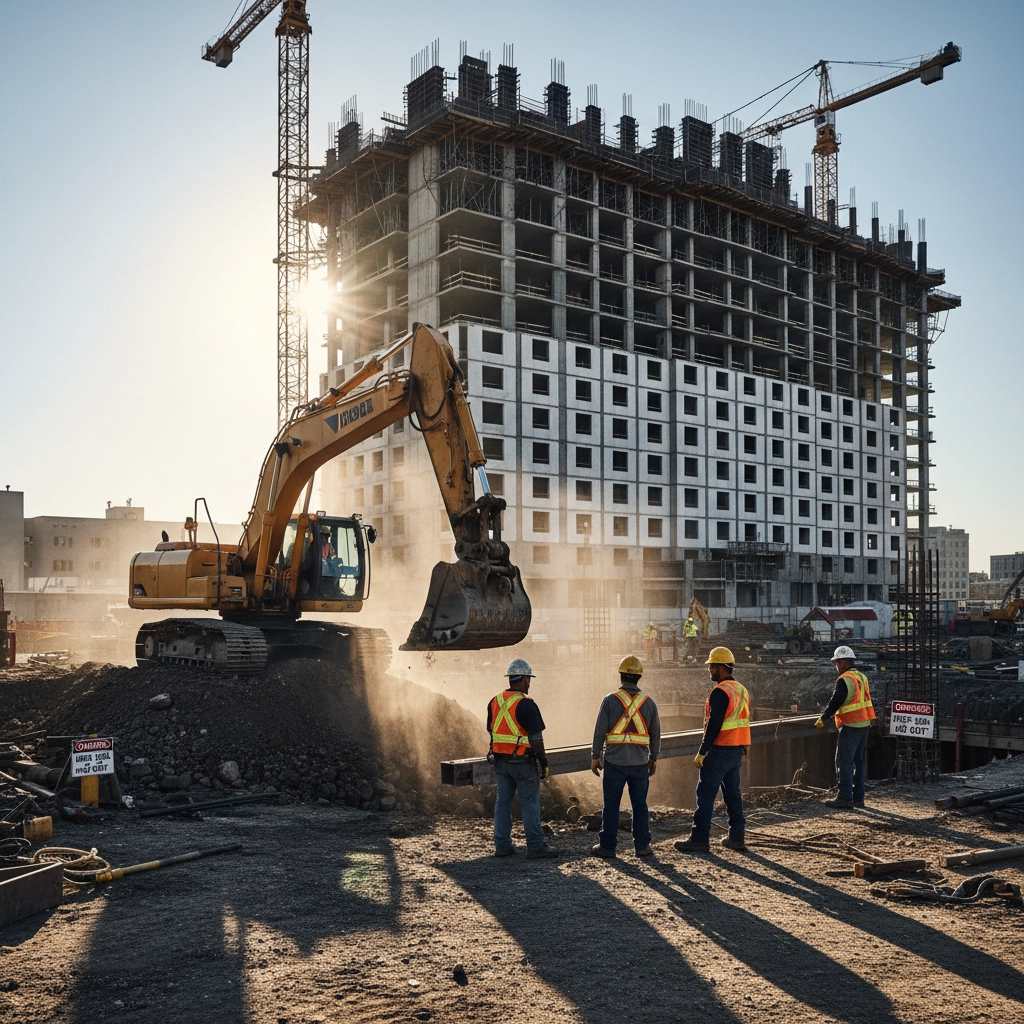
Construction activities can create pollution exposures that trigger significant cleanup costs and third-party claims. Pollution liability insurance covers bodily injury, property damage, and cleanup costs resulting from pollution conditions caused by your operations.
Mold exposure during renovation work represents a common pollution claim. Fuel spills from construction equipment can contaminate soil and groundwater. Asbestos disturbance during demolition activities creates serious health hazards requiring specialized cleanup.
Environmental regulations impose strict liability standards for pollution cleanup regardless of fault. Cleanup costs can quickly exceed general liability policy limits. Pollution liability coverage provides essential protection for these specialized exposures.
Commercial Property Insurance: Business Assets Protection
General contractors operating from fixed locations need commercial property coverage for buildings and business contents. This insurance protects office buildings, warehouses, and storage facilities against fire, theft, vandalism, and weather damage.
Business personal property coverage protects office equipment, computers, furniture, and stored materials. Business interruption coverage provides income replacement when covered property damage forces business closure. Additional living expenses coverage pays for temporary facilities during repair periods.
Equipment breakdown coverage protects against mechanical failures affecting HVAC systems, electrical equipment, and other building systems. This coverage includes repair costs and business interruption losses resulting from equipment failures.
Umbrella and Excess Liability: Additional Protection
Large construction projects often require liability limits exceeding standard policy limits. Umbrella and excess liability insurance provide additional coverage above underlying general liability, auto liability, and employers' liability policies.
Project owners and government agencies frequently mandate high liability limits for significant construction contracts. Umbrella coverage provides cost-effective protection for these requirements. Coverage responds after underlying policies reach their limits or when coverage gaps exist.
Excess liability follows the terms and conditions of underlying policies while providing additional limit protection. Umbrella coverage may provide broader protection than underlying policies for certain exposures.
Subcontractor Insurance Requirements
General contractors must verify that subcontractors maintain adequate insurance coverage before beginning work. Subcontractors need general liability, workers' compensation, auto liability, and tools coverage for most projects.
Additional insured endorsements from subcontractor policies protect general contractors from claims arising from subcontractor work. Waiver of subrogation endorsements prevent subcontractor insurers from seeking reimbursement from general contractors after claim payments.
Certificate holders should verify coverage limits, effective dates, and required endorsements before allowing subcontractors to begin work. Regular certificate monitoring ensures continuous coverage throughout project durations.
Working with experienced insurance professionals helps general contractors navigate complex coverage requirements and contractual obligations. Proper insurance planning protects your business while ensuring compliance with industry standards and client expectations.
Insurance Alliance LLC provides comprehensive coverage solutions for general contractors throughout Florida, Texas, Arizona, Idaho, and Washington. Our experienced agents understand construction industry risks and develop tailored insurance programs that protect your business and support your growth objectives.
Comments