
Florida Restaurant Insurance: Coverage Requirements & Cost-Saving Tips
- marketing676641
- Oct 16, 2025
- 5 min read
Running a restaurant in Florida requires comprehensive insurance protection to safeguard your business against diverse risks. Understanding state requirements and implementing cost-saving strategies helps restaurant owners maintain adequate coverage while controlling expenses.
Florida's Mandatory Restaurant Insurance Requirements
Workers' compensation insurance becomes legally required when your restaurant employs four or more workers, including full-time, part-time, and seasonal employees. Florida law imposes severe penalties for non-compliance, including immediate stop-work orders that shut down operations, fines reaching $1,000 per violation, and potential criminal charges for repeat offenses.
Restaurant owners without workers' compensation face personal liability for employee injuries, with medical costs and lost wages frequently exceeding tens of thousands of dollars per incident. The Florida Department of Financial Services actively monitors compliance and conducts regular audits of restaurant businesses.
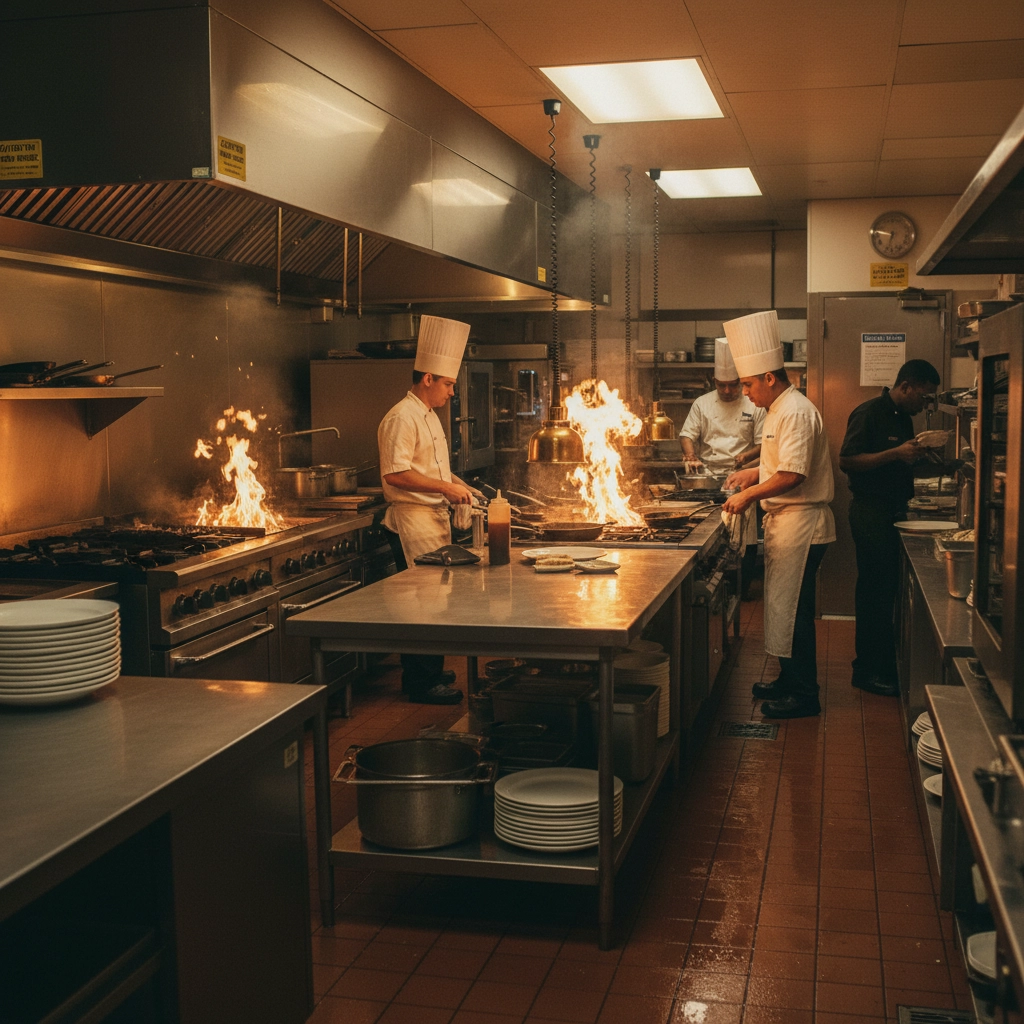
Liquor liability requirements vary by municipality and business circumstances rather than state mandate. Landlords commonly require this coverage in lease agreements, while banks often make it a loan condition. Local governments may demand proof of liquor liability insurance before issuing or renewing alcohol licenses.
Florida's dram shop laws hold restaurants accountable when serving alcohol to minors or individuals with known drinking problems. These liability exposures regularly result in claims exceeding one million dollars, making liquor liability protection essential for establishments serving alcohol.
Essential Coverage Types for Florida Restaurants
General liability insurance protects against customer injuries and property damage claims that occur on your premises. Standard industry coverage provides one million dollars per occurrence with a two million dollar aggregate limit. This protection covers slip-and-fall accidents, food poisoning claims, and damage to customer property.
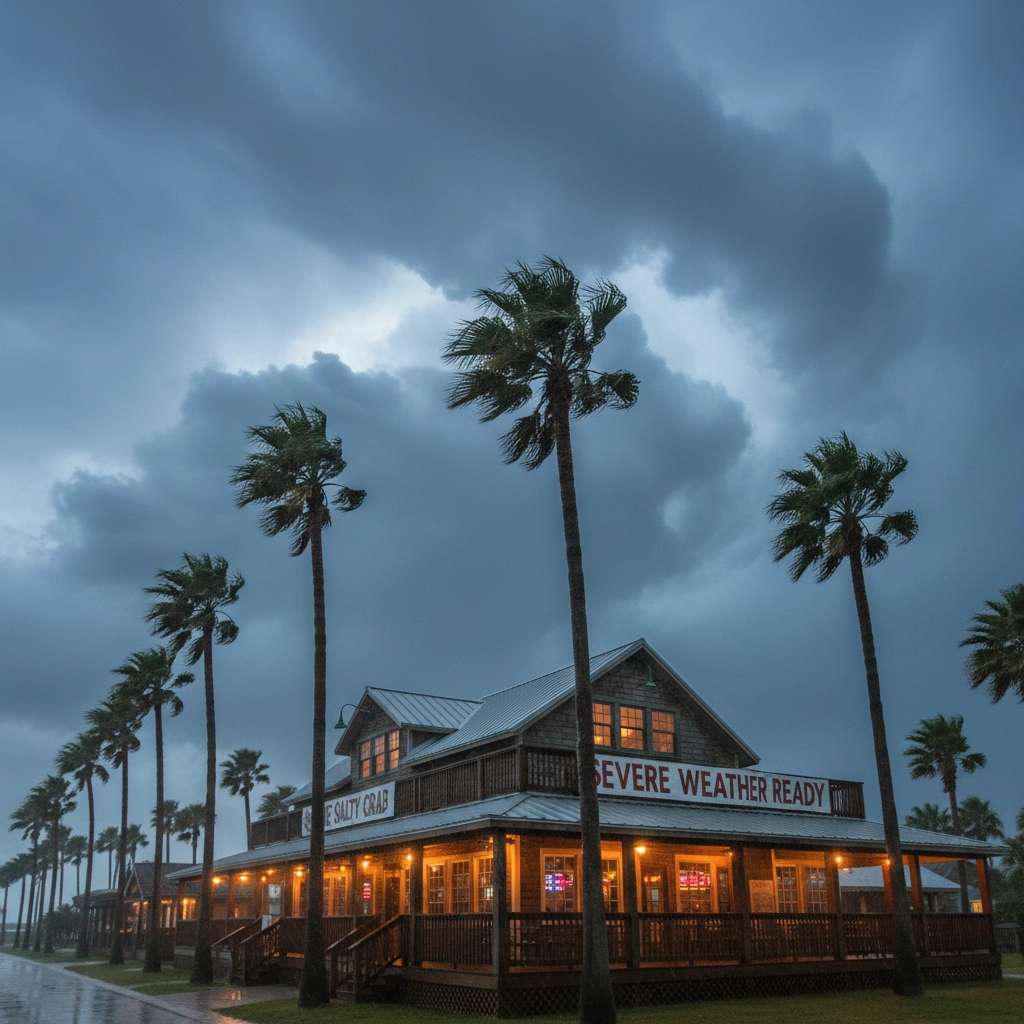
Commercial property insurance covers physical assets including buildings, kitchen equipment, furnishings, inventory, and décor against fire, theft, vandalism, and other covered perils. Florida restaurants face unique risks from hurricanes, flooding, and severe weather events that can cause extensive property damage.
Restaurant owners should secure replacement cost coverage rather than actual cash value policies. Replacement cost coverage pays the full amount needed to replace damaged items with new equivalents, while actual cash value deducts depreciation from claim payments.
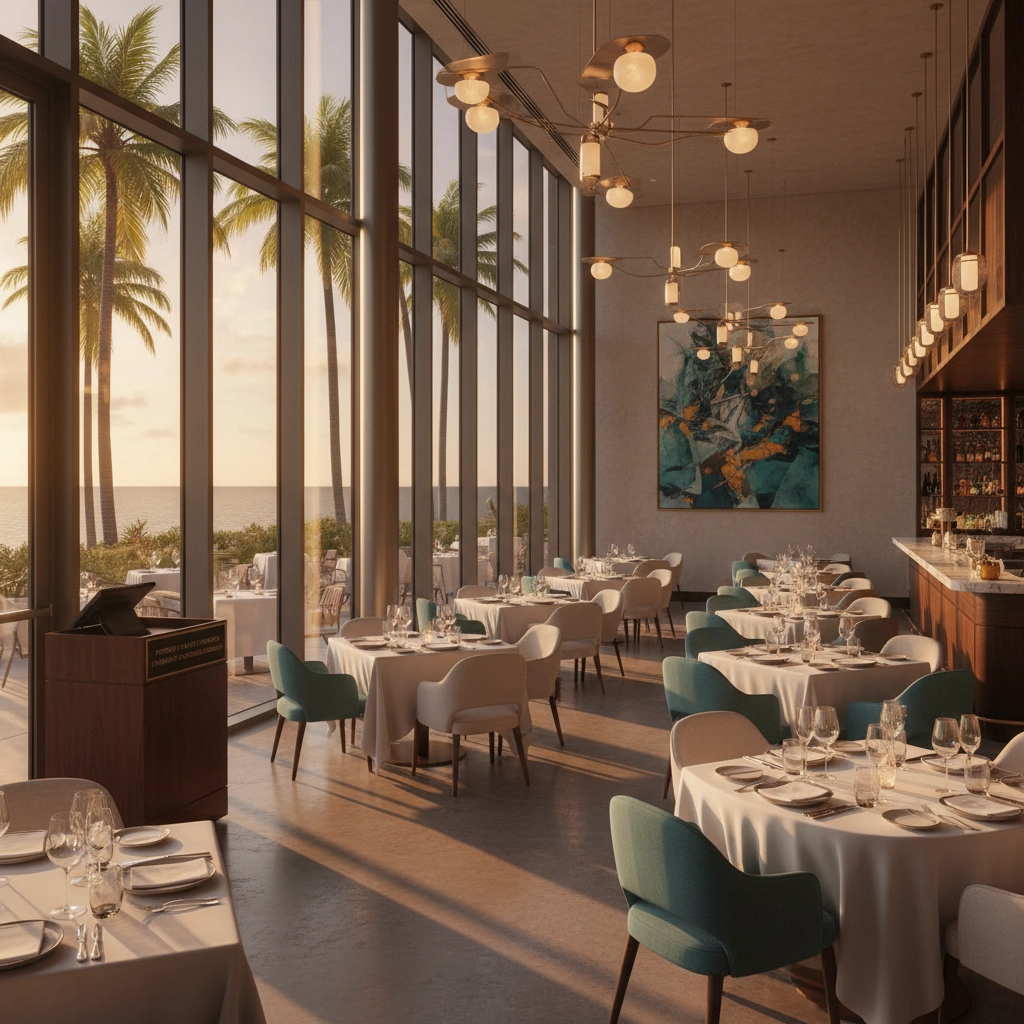
Food contamination insurance becomes critical for restaurants offering catering, delivery, or takeout services. This specialized coverage protects against losses when contaminated food causes customer illness or injury. Claims can include medical expenses, legal defense costs, and business interruption losses during health department investigations.
Commercial auto insurance applies to restaurants operating delivery vehicles or food trucks. Standard personal auto policies exclude commercial use, leaving restaurant owners exposed to significant liability gaps. Commercial auto coverage includes liability protection, physical damage coverage, and medical payments for delivery operations.
Cyber liability insurance addresses data breach risks as restaurants increasingly rely on digital payment systems, online ordering platforms, and customer databases. Coverage includes notification costs, credit monitoring services, legal expenses, and regulatory fines following data security incidents.
Cost Factors and Premium Expectations
Florida restaurant insurance costs typically range from $500 to $2,000 annually for basic coverage packages. Premium calculations consider multiple factors including restaurant size, cuisine type, alcohol service, delivery operations, and claims history.
Location significantly impacts insurance costs in Florida due to varying crime rates, weather exposure, and local claim frequencies. Restaurants in high-tourism areas like Miami Beach or Orlando often pay higher premiums due to increased foot traffic and associated liability risks.
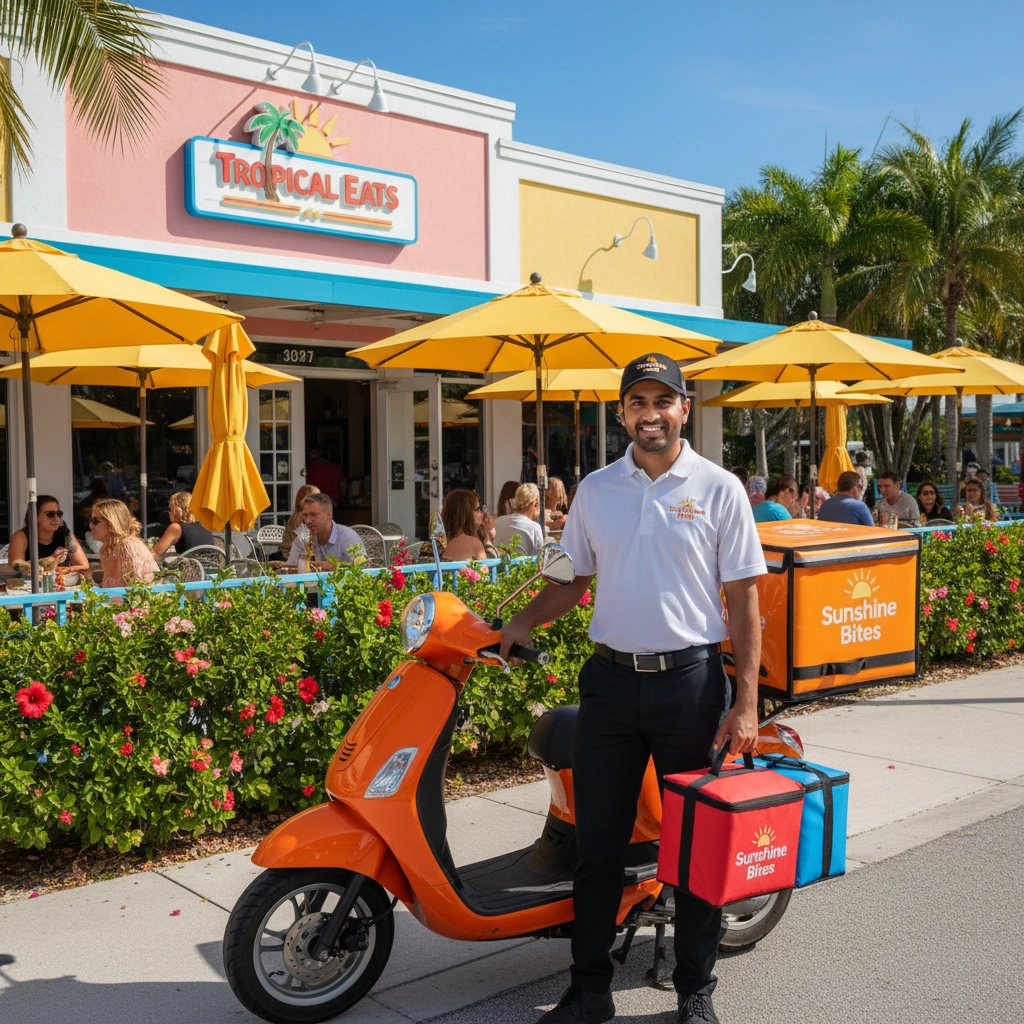
Deductible selections directly affect premium costs. Choosing a $2,500 deductible instead of $1,000 typically saves $300 to $450 annually. Restaurants with strong cash flow can optimize insurance costs by accepting higher deductibles while maintaining adequate reserves for potential claims.
Liquor liability insurance ranges from $400 to $3,000 per year depending on alcohol sales volume, establishment type, and operating hours. Sports bars and nightclubs pay higher premiums than family restaurants due to increased intoxication risks and later operating hours.
Umbrella liability coverage costs $500 to $1,500 for each additional million dollars of protection beyond standard policy limits. High-value beachfront locations or premium dining establishments benefit from umbrella coverage due to increased lawsuit exposure and asset values.
Proven Cost-Saving Strategies
Implement comprehensive safety programs to qualify for premium discounts. Insurance carriers offer reduced rates for restaurants maintaining fire suppression systems, security alarms, and employee safety training programs. These safety measures simultaneously reduce claim frequency and insurance costs.
Bundle coverage through Business Owner's Policies (BOP) that combine general liability and property insurance into single packages. BOPs typically cost 15-20% less than purchasing separate policies while providing streamlined coverage management and claims handling.
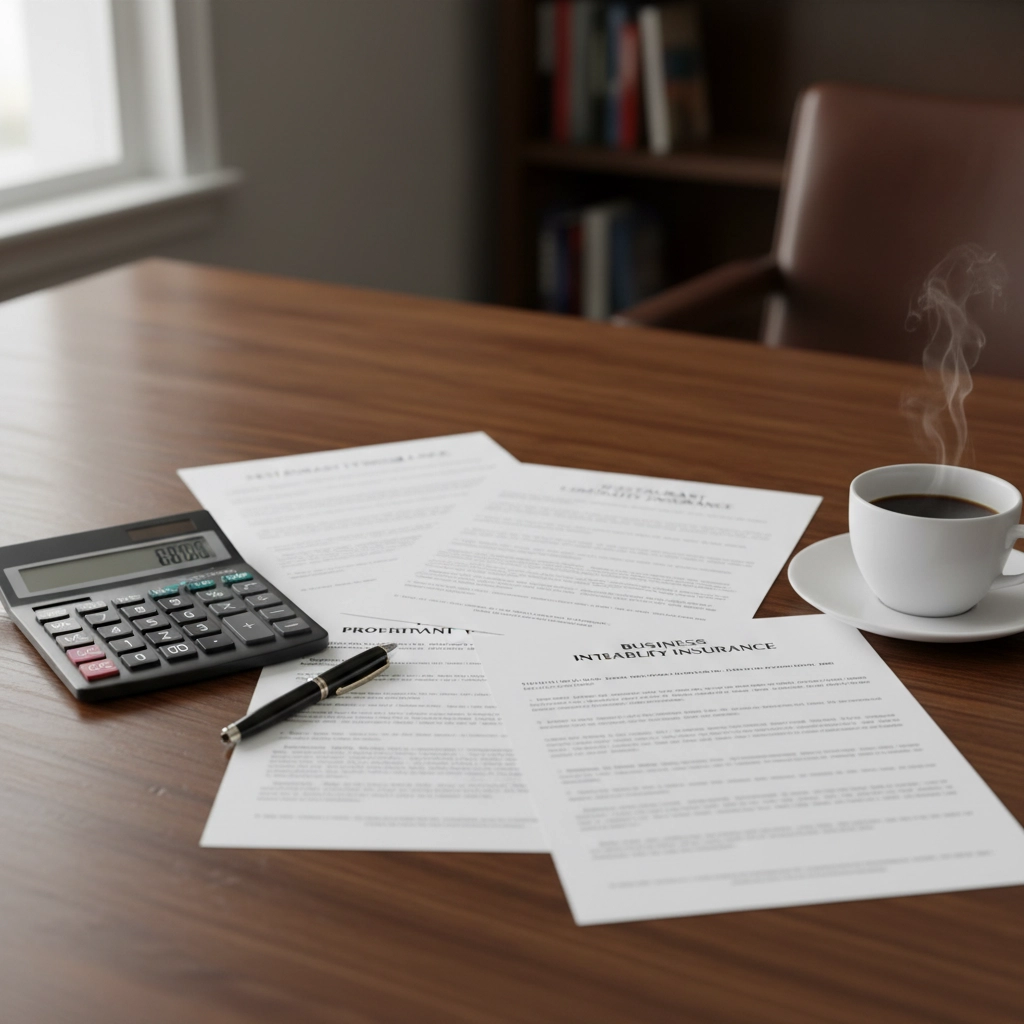
Maintain detailed maintenance records to demonstrate proactive risk management. Regular equipment servicing, cleaning schedules, and safety inspections help prevent accidents and may qualify for additional premium discounts with some insurance carriers.
Consider higher deductibles strategically based on your restaurant's financial capacity. Establishments with strong cash reserves can significantly reduce premiums by accepting $5,000 or $10,000 deductibles instead of standard $1,000 amounts.
Work with experienced restaurant insurance specialists who understand industry-specific risks and coverage needs. Specialized agents maintain relationships with carriers offering competitive restaurant rates and can identify coverage gaps that general agents might miss.
Florida-Specific Considerations
Hurricane and flood coverage requires special attention for Florida restaurant owners. Standard commercial property policies exclude flood damage, requiring separate flood insurance through the National Flood Insurance Program or private carriers. Wind damage from hurricanes may be subject to separate deductibles and coverage limitations.
Business interruption insurance becomes essential given Florida's hurricane season and potential for extended closures. This coverage pays ongoing expenses and lost income when covered perils prevent normal operations. Consider extended period endorsements that provide coverage beyond standard policy limits.
Employment practices liability insurance addresses wrongful termination, discrimination, and harassment claims that frequently affect restaurant businesses with high employee turnover. Florida's diverse workforce and competitive labor market increase exposure to employment-related lawsuits.
Product recall coverage protects against contaminated food incidents that require product removal from distribution chains. This specialized coverage pays recall costs, disposal expenses, and business interruption losses during recall periods.
Getting Started with Restaurant Insurance
Compare quotes from multiple insurance carriers to identify the best coverage value for your specific restaurant operation. Provide accurate information about your business including square footage, seating capacity, cuisine type, alcohol service, and delivery operations to ensure proper premium calculations.
Review coverage limits annually and adjust protection levels based on business growth, equipment additions, or operational changes. Regular policy reviews help maintain adequate coverage while identifying opportunities for premium savings.
Document all safety measures, training programs, and risk management activities to qualify for available discounts and demonstrate insurability to carriers. Proper documentation supports favorable underwriting decisions and claim handling when losses occur.
Insurance Alliance LLC helps Florida restaurant owners navigate complex insurance requirements and find cost-effective protection solutions. Contact our experienced team to review your current coverage and identify opportunities for improved protection and premium savings.
Comments