
Flooring Installer Insurance: What Coverage Do You Need?
Flooring installers face distinctive operational risks that require specialized insurance protection. Your business handles expensive materials, operates heavy equipment, and works in clients' properties across multiple locations. Comprehensive coverage protects against financial losses, legal liabilities, and operational disruptions that could threaten your business continuity.
Essential Coverage Requirements
Commercial General Liability Insurance
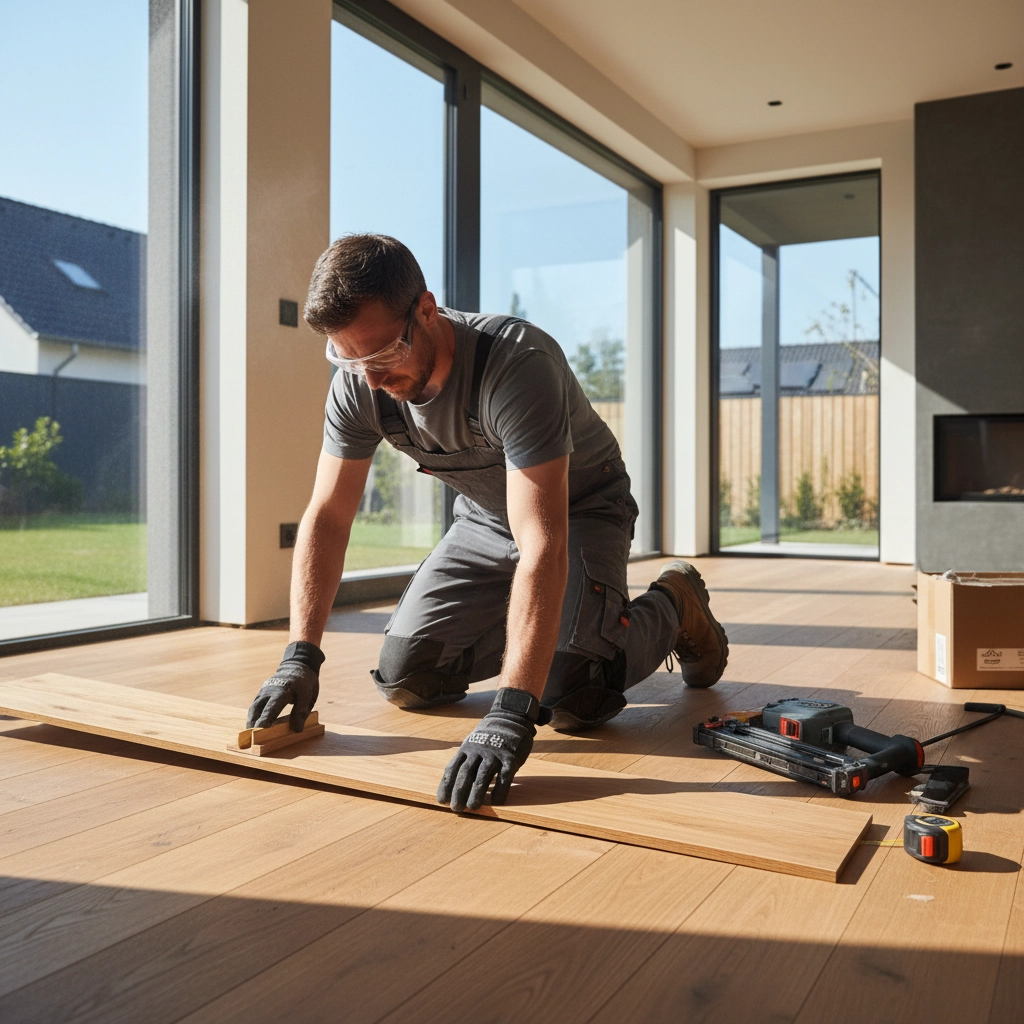
General liability insurance serves as the foundation of protection for flooring installation businesses. This coverage protects against third-party claims of bodily injury and property damage resulting from your business operations.
Coverage includes protection when clients or visitors suffer injuries at job sites, such as trips and falls over equipment or materials. Property damage coverage applies when your work accidentally damages client property, including flooring installation errors that harm surrounding structures or furnishings.
The policy extends to product liability claims arising from defective flooring materials or installation work that causes injury or property damage after project completion. Legal defense costs and settlement expenses are covered, protecting your business assets from potentially devastating lawsuit expenses.
Commercial Auto Insurance
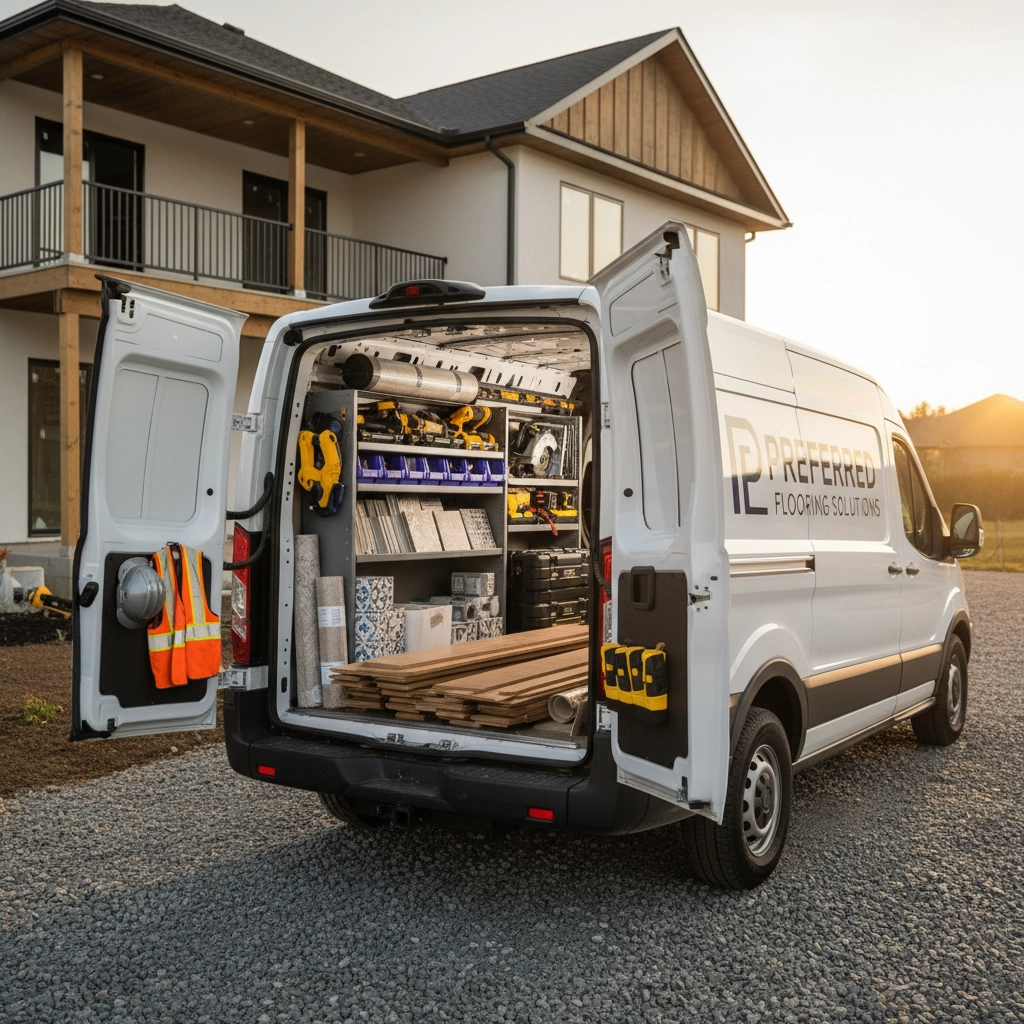
Flooring contractors rely heavily on vehicles to transport materials, equipment, and crews between job sites. Commercial auto insurance provides mandatory protection for business vehicles and operations.
Coverage protects against collision damage to company vehicles and trailers carrying flooring materials and installation equipment. Comprehensive coverage addresses theft, vandalism, and weather damage to vehicles and transported materials.
Liability protection covers bodily injury and property damage claims when company vehicles cause accidents. Medical payments coverage handles immediate medical expenses for vehicle occupants injured in covered accidents.
Contractor's Equipment Insurance
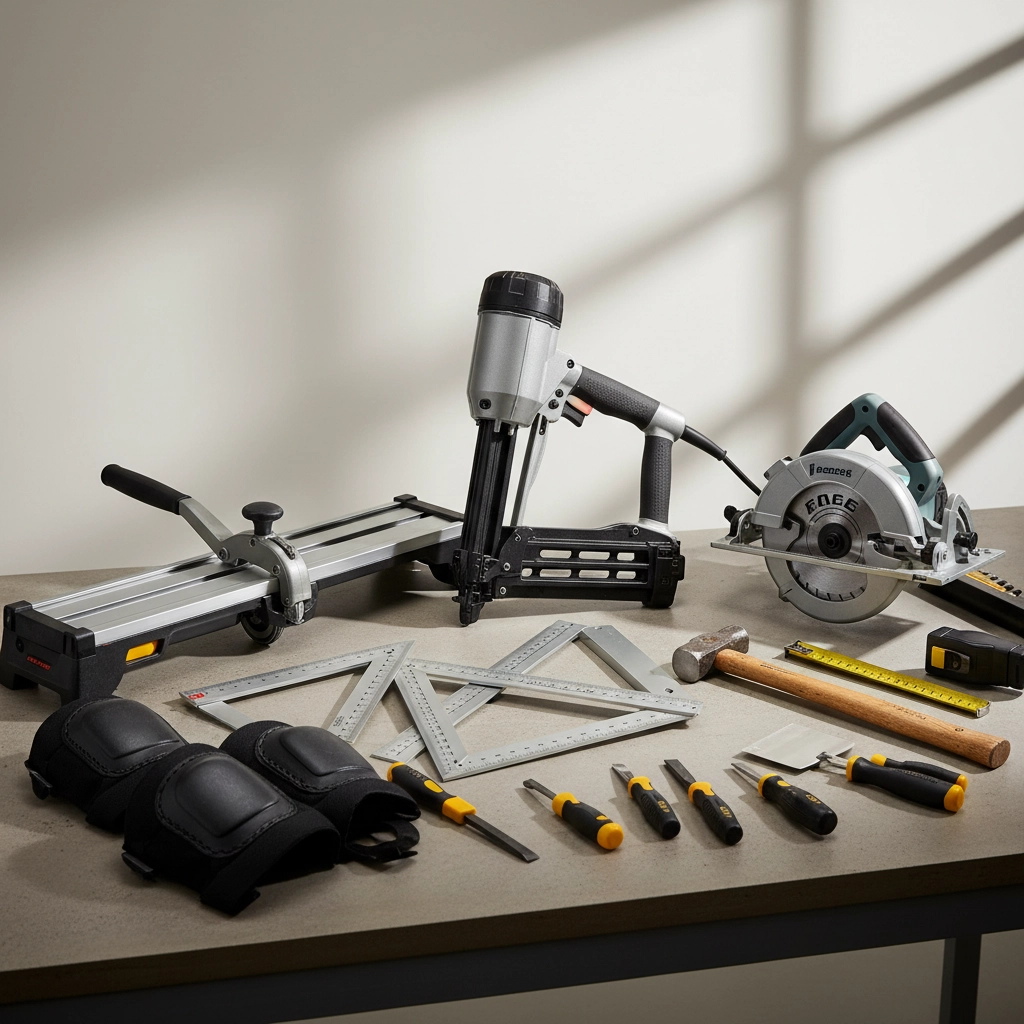
Flooring installers maintain substantial investments in specialized tools and equipment that require dedicated protection. Inland marine insurance, also called contractor's equipment coverage, protects these valuable business assets.
Coverage extends to flooring nailers, miter saws, sanders, tile cutters, and other installation tools. Protection applies whether equipment is stored at your business location, transported in vehicles, or used at client job sites.
The policy covers equipment theft, accidental damage, and loss during transit between locations. Installation floater coverage specifically protects flooring materials and products during installation, storage, and transportation.
Workers' Compensation Insurance
Workers' compensation insurance provides required protection for employees and business owners against work-related injuries and illnesses. Flooring installation involves physical demands and safety risks that make this coverage essential.
Coverage applies to injuries from lifting heavy materials, falls from elevated surfaces, and accidents involving power tools and equipment. The policy covers medical expenses, rehabilitation costs, and lost wages for injured employees.
Business owners can elect coverage to protect against work-related medical bills that standard health insurance might deny or exclude.
Additional Protection Options
Business Owners Policy (BOP)
A Business Owners Policy combines general liability and commercial property insurance into a comprehensive package designed for small to medium-sized businesses.
Property coverage protects your office, warehouse, and storage facilities against fire, theft, vandalism, and weather damage. Business personal property coverage extends to office equipment, furniture, and inventory stored at covered locations.
Business interruption coverage compensates for lost income when covered property damage forces temporary business closure. Equipment breakdown coverage addresses repair or replacement costs for essential business equipment and machinery.
Commercial Property Insurance
Standalone commercial property insurance protects business premises and contents at fixed locations. Coverage applies to buildings you own or lease for business operations.
The policy protects against fire, explosion, windstorm, hail, theft, and vandalism damage to business property. Coverage extends to improvements and betterments made to leased premises, including specialized storage and workshop modifications.
Business personal property coverage protects furniture, equipment, supplies, and inventory stored at covered locations. The policy excludes property in transit or at temporary work sites, making equipment floater coverage necessary.
Professional Liability Insurance
Professional liability insurance protects against claims of negligence, errors, or omissions in professional services provided to clients. Coverage applies when you provide design recommendations, material selection advice, or consultation services.
The policy covers legal defense costs and damages when clients claim your professional advice caused financial losses. Coverage extends to claims of failure to meet professional standards or inadequate work performance.
Commercial Umbrella Liability
Commercial umbrella insurance provides additional liability protection above underlying policy limits. This coverage protects business assets when claims exceed standard policy limits.
The policy activates when underlying general liability, commercial auto, or workers' compensation claims reach policy limits. Umbrella coverage provides broader protection and higher limits for catastrophic liability claims.
State-Specific Coverage Considerations
Florida Flooring Contractors
Florida's hurricane-prone climate creates unique risks for flooring installers. Property coverage must address windstorm and flood damage to business premises, equipment, and stored materials.
Workers' compensation requirements apply immediately upon hiring employees. The state requires coverage for all employees, including part-time and seasonal workers commonly used during busy installation seasons.
Commercial auto insurance must meet Florida's minimum liability requirements. The state's high accident rates and litigation environment make adequate liability limits essential for vehicle coverage.
Texas Operations
Texas requires workers' compensation coverage for most employees, with specific exemptions for certain business structures. Coverage protects against workplace injuries common in flooring installation work.
The state's extreme weather conditions, including hail storms and tornadoes, create property damage risks requiring comprehensive property coverage. Equipment protection must address weather-related losses at job sites and storage locations.
Commercial liability insurance should include adequate limits given Texas's significant litigation environment and large damage awards in construction-related lawsuits.
Arizona Coverage Needs
Arizona's intense heat and monsoon seasons create unique operational challenges for flooring contractors. Equipment coverage must address heat-related equipment failures and weather damage during monsoon season.
Workers' compensation requirements apply to most employees, protecting against heat-related illnesses and injuries common in Arizona's climate. Coverage should address seasonal employment patterns typical in construction trades.
Commercial property insurance should include wind and hail coverage for monsoon season damage to business premises and stored materials.
Idaho Considerations
Idaho's rural geography requires careful attention to commercial auto coverage limits and territory restrictions. Contractors working across large distances need adequate vehicle protection and coverage territory.
Workers' compensation requirements apply to most employees, with specific regulations for construction trades. Coverage must address seasonal employment patterns and work-related injury risks.
Equipment coverage should address theft risks in remote work locations and weather-related damage during winter months.
Washington State Requirements
Washington requires workers' compensation coverage for all employees from the first day of employment. The state operates a unique workers' compensation system requiring compliance with specific coverage requirements.
Commercial liability insurance should address slip-and-fall risks common in Washington's wet climate. Property coverage must include adequate protection against water damage and flooding.
Equipment protection should address rust and moisture damage common in Washington's humid climate conditions.
Implementation Strategy
Work with experienced insurance professionals who understand flooring contractor risks and coverage requirements. Proper coverage analysis ensures adequate protection without unnecessary coverage gaps or overlaps.
Review coverage annually to address business growth, new equipment purchases, and changing operational risks. Regular policy reviews ensure coverage keeps pace with business evolution and industry changes.
Maintain detailed equipment inventories and business records to support claims processing and coverage verification. Proper documentation facilitates claim resolution and coverage compliance.
Insurance Alliance LLC provides specialized coverage solutions for flooring contractors across Florida, Texas, Arizona, Idaho, and Washington. Our experienced team understands the unique risks facing flooring installation businesses and designs comprehensive protection programs tailored to your specific operational needs.

Comments