
Flood Insurance Requirements for Florida: Protecting Your Home and Business
Florida's flood insurance landscape has transformed with new state mandates and federal requirements that affect property owners across the state. Understanding these requirements protects your investment and ensures compliance with evolving regulations.
Federal Flood Insurance Mandates
Federal law requires flood insurance for properties located in Special Flood Hazard Areas when financed through federally-backed mortgages. These areas include zones A, AE, AH, AO, AR, A99, V, VE, and coastal barrier resource areas. Properties in these zones face at least a 1% annual chance of flooding, translating to a 26% probability over a typical 30-year mortgage period.
Federally-regulated lenders enforce this requirement as a condition of loan approval and maintenance. The mandate applies to both residential and commercial properties meeting the geographic and financing criteria.
Florida's Statewide Citizens Insurance Requirement
Senate Bill 2A established Florida as the first state requiring flood insurance for all policyholders of a major insurance carrier. Citizens Property Insurance customers with wind coverage must obtain and maintain flood insurance by January 1, 2027. This requirement applies regardless of flood zone designation or property location within Florida.
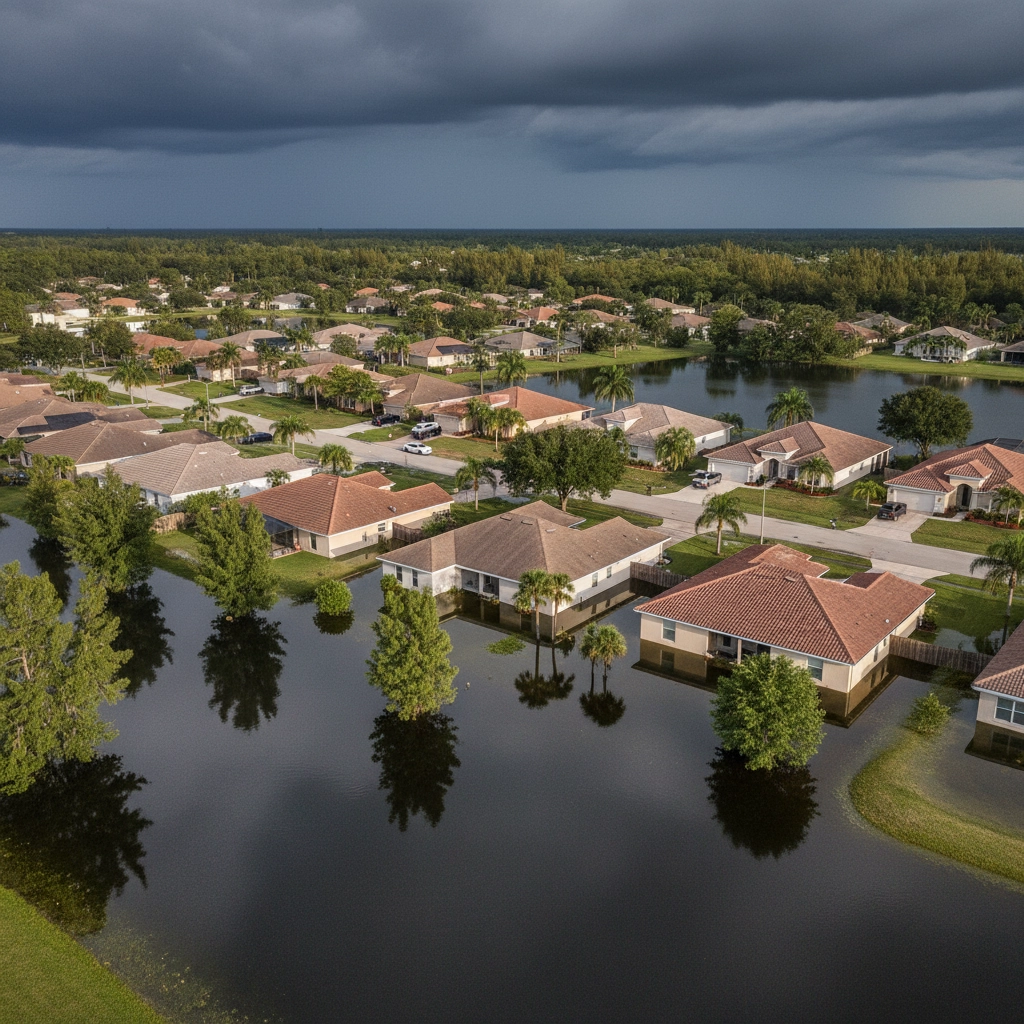
The mandate recognizes flooding risks throughout Florida from heavy rainfall, storm surge, and development patterns that affect drainage. Properties outside designated flood zones generate 25% of all flood insurance payments, demonstrating the widespread nature of flood risk.
Implementation Timeline by Property Value
The requirement phases in based on dwelling coverage limits:
January 1, 2024: Properties valued at $600,000 or higher January 1, 2025: Properties valued at $500,000 or higher January 1, 2026: Properties valued at $400,000 or higher January 1, 2027: All remaining Citizens policies
Properties located in Special Flood Hazard Areas must comply immediately upon policy renewal, regardless of property value or the general timeline.
Coverage Standards and Minimums
Florida law requires private flood insurance policies to provide coverage "at least as broad" as National Flood Insurance Program (NFIP) standards. The NFIP establishes baseline coverage limits that serve as minimum requirements:
Building Coverage: Maximum $250,000 for residential properties Contents Coverage: Maximum $100,000 for personal property
Commercial properties receive higher NFIP limits, with building coverage reaching $500,000 and contents coverage up to $500,000. Private insurers may offer coverage exceeding these federal limits.

Private Insurance vs. NFIP Coverage
Citizens policyholders can satisfy the requirement through either NFIP policies or private flood insurance. Private insurers must meet the "at least as broad" standard while potentially offering enhanced coverage options.
Private flood insurance benefits include:
Higher coverage limits than NFIP maximums
Expanded coverage definitions
Additional living expenses coverage
Business interruption protection
Shorter waiting periods for coverage activation
NFIP policies provide standardized coverage backed by federal authority with consistent terms nationwide.
Business Property Requirements
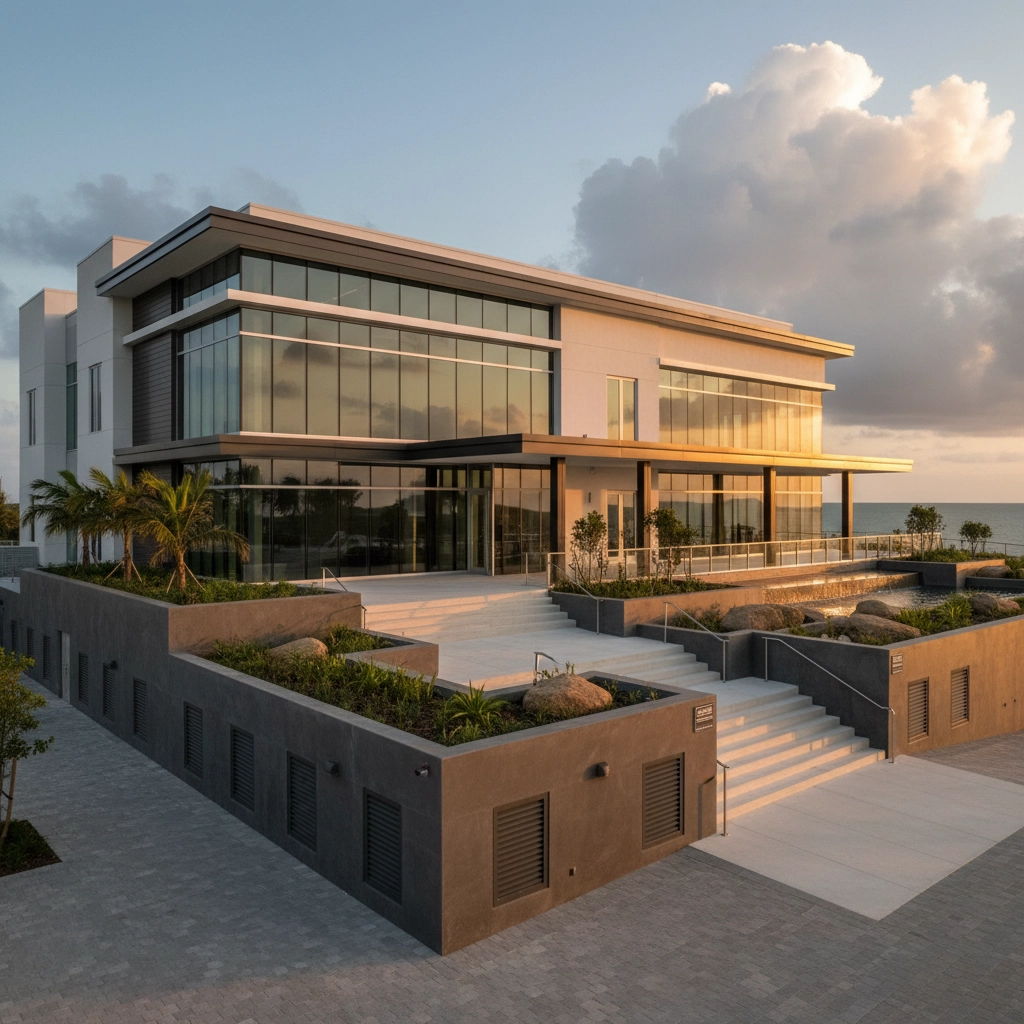
Commercial property owners face the same Citizens mandate timeline based on property values. Businesses operating in Special Flood Hazard Areas with federally-backed financing must maintain flood coverage regardless of the Citizens timeline.
Commercial flood insurance addresses unique business needs:
Building Systems: Coverage for HVAC, electrical, and plumbing systems Business Equipment: Protection for machinery, computers, and specialized equipment Inventory Protection: Coverage for stock, raw materials, and finished goods Additional Expenses: Costs for temporary relocation during repairs
Rental Properties and Tenant Considerations
Landlords with Citizens policies must comply with the flood insurance requirement for their rental properties. This requirement applies to the building structure and any landlord-owned contents.
Tenants should consider separate flood insurance for personal belongings. Standard renters insurance excludes flood damage, making NFIP contents coverage valuable protection. Contents policies protect up to $100,000 in personal property with coverage for clothing, furniture, electronics, and other belongings.
Mobile Homes and Manufactured Housing
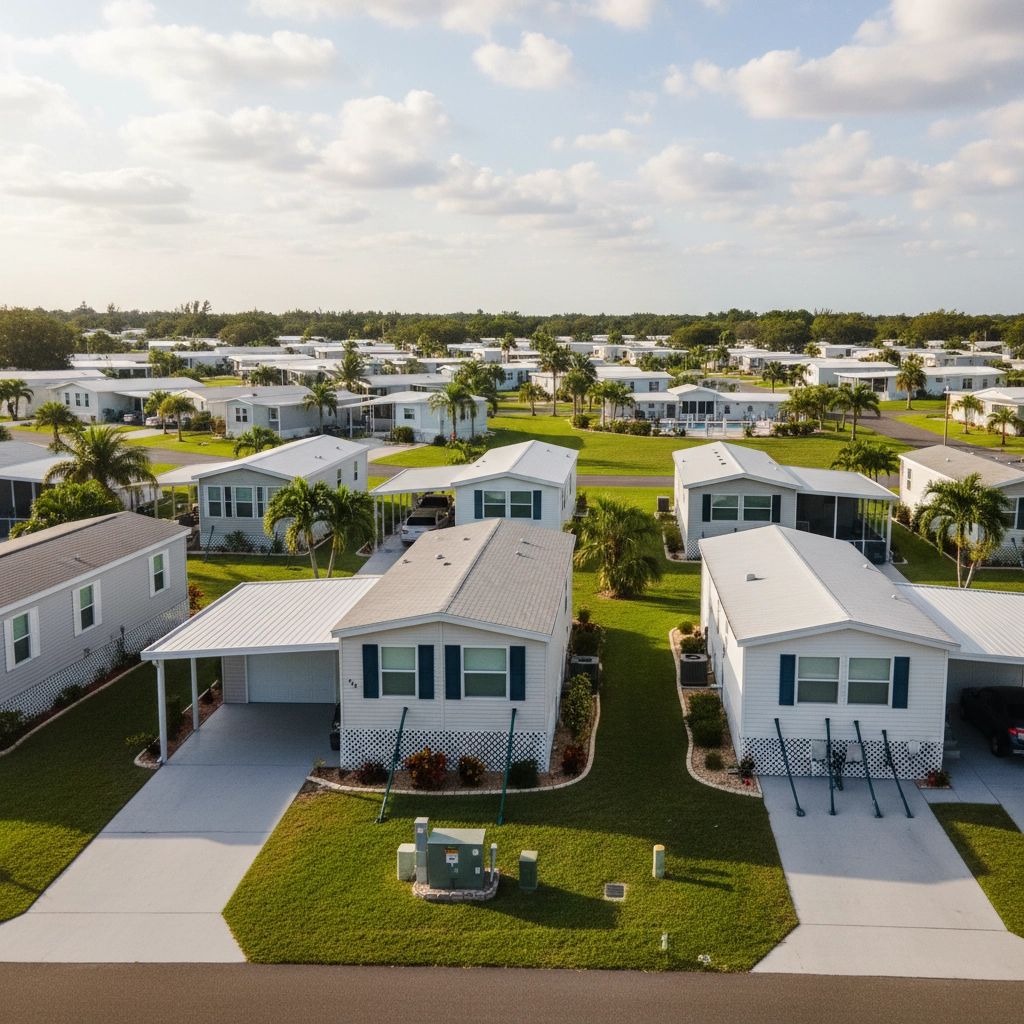
Mobile homes and manufactured housing require specific flood insurance considerations. NFIP provides coverage for mobile homes that meet foundation and anchoring requirements. The home must be on a permanent foundation and properly anchored to qualify for standard flood insurance rates.
Mobile homes not meeting foundation requirements may still obtain coverage through the NFIP's Preferred Risk Policy or standard rates depending on flood zone location.
Lender Requirements Beyond Legal Mandates
Many mortgage companies require flood coverage beyond federal and state mandates. Lenders may require flood insurance for properties outside Special Flood Hazard Areas or mandate coverage limits exceeding minimum legal requirements.
Lender requirements typically include:
Continuous coverage throughout the loan term
Coverage amounts matching the loan balance or property value
Specific policy terms and conditions
Timely premium payments and policy renewals
Coverage Waiting Periods
NFIP policies include a 30-day waiting period before coverage becomes effective. This waiting period applies to new policies and coverage increases. The waiting period prevents purchasing coverage immediately before anticipated flooding events.
Exceptions to the waiting period include:
Initial purchase for newly-required coverage
Policy transfers during property sales
Coverage obtained in connection with new loan closings
Private insurers may offer shorter waiting periods or immediate coverage in certain circumstances.
Policy Renewal and Maintenance
Flood insurance policies require annual renewal to maintain continuous protection. Citizens policyholders must demonstrate continuous flood coverage to comply with the state mandate.
Policy maintenance includes:
Timely premium payments
Accurate property information updates
Coverage limit adjustments for property improvements
Beneficiary updates for ownership changes
Lapses in coverage may trigger Citizens policy cancellation and difficulty obtaining replacement homeowners insurance in Florida's challenging market.
Compliance Documentation
Citizens Property Insurance monitors compliance through various methods including policy verification and renewal audits. Policyholders must provide proof of flood insurance coverage meeting state requirements.
Acceptable documentation includes:
NFIP policy declarations pages
Private insurer policy certificates
Insurance agent compliance letters
Coverage verification forms
Insurance Alliance LLC helps Florida property owners navigate these complex requirements and find appropriate flood coverage solutions. Our expertise in Florida's insurance market ensures compliance with both federal mandates and state requirements while protecting your property investment.
Contact Insurance Alliance LLC to review your flood insurance requirements and explore coverage options that meet Florida's evolving regulatory landscape.

Comments