
Flood Insurance: Protecting Your Home & Business from Rising Waters
Floods cause more damage to homes and businesses than any other natural disaster in the United States. Standard homeowners and commercial property insurance policies do not cover flood damage, leaving property owners financially vulnerable when rising waters strike.
Flood insurance provides essential protection for both residential and commercial properties. Understanding coverage options, requirements, and benefits helps property owners make informed decisions about protecting their most valuable assets.
Why Standard Insurance Policies Exclude Flood Coverage
Insurance companies exclude flood coverage from standard homeowners and business policies because flooding represents a catastrophic risk that affects large geographic areas simultaneously. Standard property insurance operates on the principle of spreading risk across many policyholders, with only a small percentage experiencing claims at any given time.
Floods impact entire communities, neighborhoods, and regions at once. This concentration of risk makes flood coverage financially unsustainable within standard policy structures. The potential for widespread, simultaneous claims would create overwhelming financial exposure for insurance companies.
The federal government established the National Flood Insurance Program (NFIP) in 1968 to address this coverage gap. The program provides flood insurance where private markets cannot offer affordable protection.
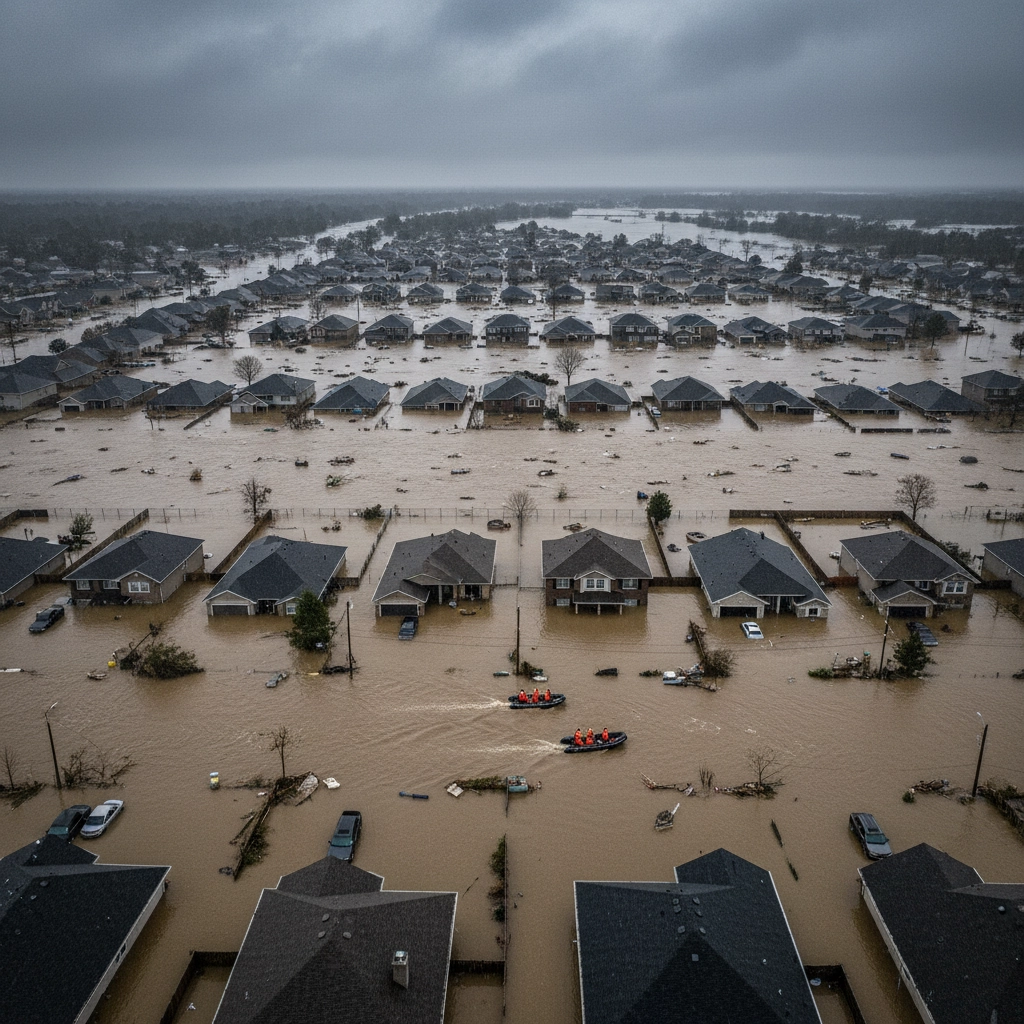
Who Needs Flood Insurance Protection
Property owners in high-risk flood zones with federally backed mortgages must purchase flood insurance. Lenders require this coverage to protect their investment in properties located in Special Flood Hazard Areas designated by FEMA.
However, flood risk extends beyond high-risk zones. Over 40% of flood insurance claims come from properties outside designated high-risk areas. Factors that increase flood risk include:
Geographic considerations affect flood exposure regardless of official designations. Properties near rivers, lakes, streams, or coastal areas face elevated risk. Urban areas with inadequate drainage systems experience flooding from heavy rainfall. Properties at the bottom of hills or in low-lying areas collect runoff water.
Weather patterns create flood conditions in unexpected locations. Heavy rainfall, rapid snowmelt, ice jams, and storm surges cause flooding in areas not traditionally considered high-risk. Climate change increases the frequency and severity of extreme weather events.
Infrastructure failures generate flood conditions when storm drains clog, levees fail, or dams break. Aging infrastructure increases the likelihood of system failures during severe weather events.
Business owners face additional considerations beyond property damage. Flood-related business interruption can continue for weeks or months while properties undergo repairs and restoration.
Understanding Flood Insurance Coverage Options
Flood insurance policies provide two distinct types of coverage: building coverage and contents coverage. Property owners can purchase these coverages separately or together based on their specific needs.
Building coverage protects the physical structure and permanently attached components. This includes the foundation, electrical systems, plumbing, HVAC equipment, built-in appliances, and permanently installed fixtures. Coverage extends to debris removal and necessary cleanup costs.
For residential properties, building coverage provides up to $250,000 through the NFIP. Commercial properties can obtain up to $500,000 in building coverage. The policy pays replacement cost for primary residences and actual cash value for secondary properties and commercial buildings.
Contents coverage protects personal belongings, business inventory, and movable property inside the structure. This includes furniture, electronics, clothing, appliances, inventory, and business equipment that is not permanently attached to the building.
Residential contents coverage provides up to $100,000 through the NFIP. Commercial contents coverage offers up to $500,000. Contents coverage requires a separate policy or endorsement with additional premium costs.
Coverage Limitations and Exclusions
Understanding what flood insurance does not cover helps property owners set appropriate expectations and consider additional protection options.
Living expenses and loss of use are not covered under standard flood insurance policies. If flood damage makes a property uninhabitable, policyholders must pay for temporary housing, meals, and other additional living expenses from their own resources.
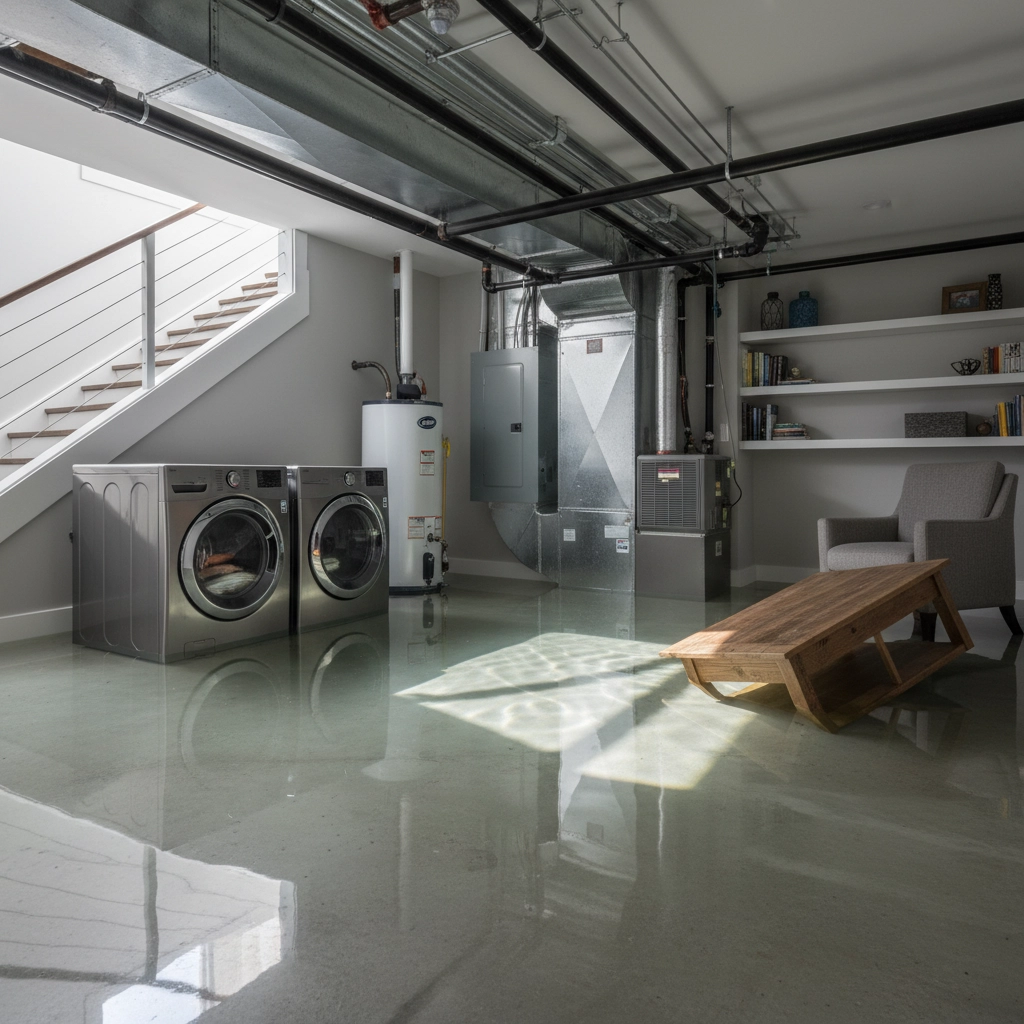
Basement coverage is limited to essential systems and structural elements. Personal property stored in basements receives minimal coverage. Business inventory in basements has restricted coverage limits.
Vehicles and landscaping are not covered under flood insurance policies. Auto insurance may provide flood coverage for vehicles. Landscaping, swimming pools, and other outdoor property require separate coverage consideration.
Currency, precious metals, and valuable documents have limited coverage or exclusions. Important papers should be stored in waterproof containers or safe deposit boxes.
Private Flood Insurance Alternatives
Private insurance companies offer flood coverage options that may provide broader protection than NFIP policies. Private flood insurance can offer higher coverage limits, additional living expenses, and more comprehensive protection options.
Private policies may include coverage for loss of use, landscaping, and other items excluded from NFIP coverage. Premium costs and coverage terms vary significantly between private insurers.
Property owners should compare NFIP and private flood insurance options to determine the best fit for their specific needs and risk exposure.
Waiting Periods and Planning Requirements
Flood insurance policies include a 30-day waiting period before coverage becomes effective. This prevents property owners from purchasing coverage immediately before predicted flood events.
The waiting period applies to new policies and coverage increases. Property owners cannot obtain flood insurance and expect immediate protection. Planning ahead ensures coverage is in place before flood season arrives.
Exceptions to the waiting period include newly purchased properties with mortgage requirements and certain policy renewals. Emergency flood insurance may be available in limited circumstances.
Getting Started with Flood Insurance
Property owners can obtain flood insurance through licensed insurance agents who sell NFIP policies or private flood insurance. The process begins with determining flood risk and coverage needs.
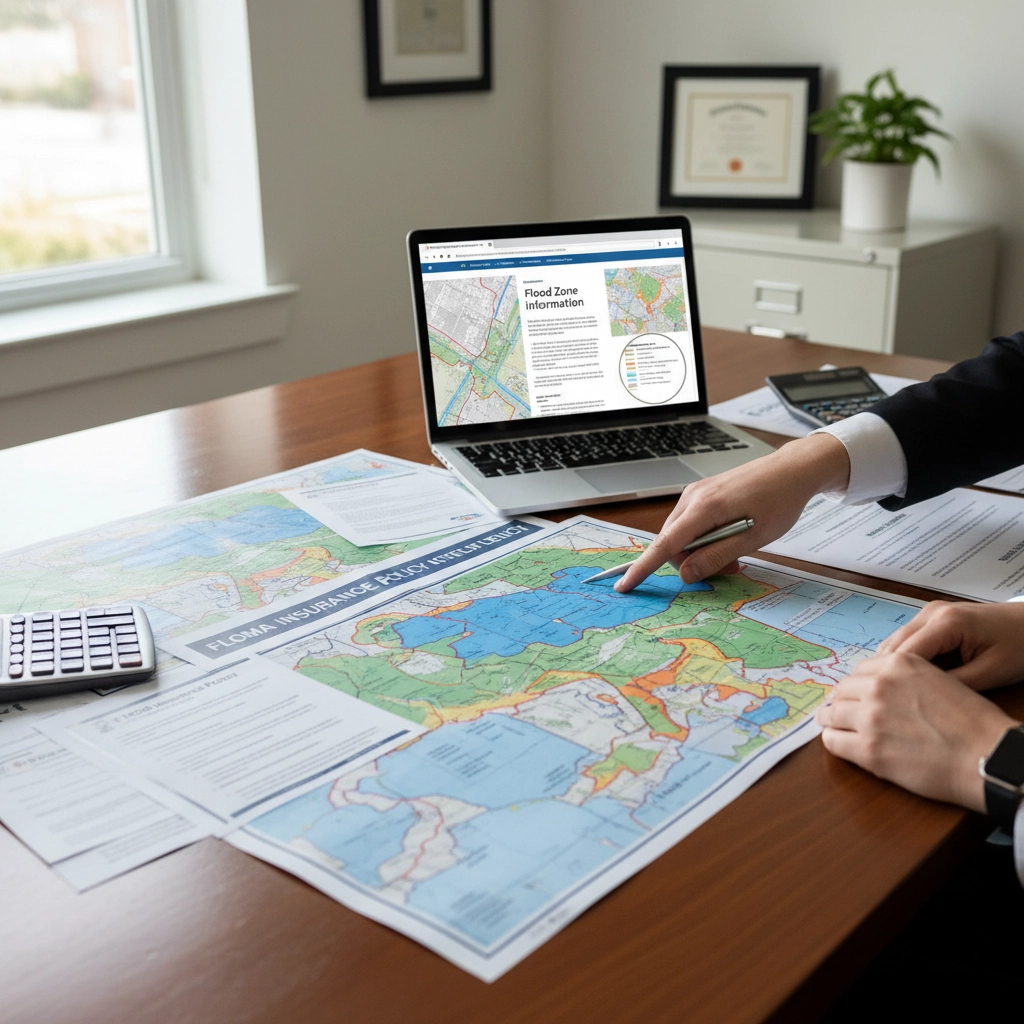
Risk assessment involves reviewing FEMA flood maps to understand the property's designated flood zone. Property owners can access flood maps through FEMA's website or consult with local emergency management offices.
Coverage evaluation requires determining appropriate coverage amounts for building and contents protection. Property owners should consider replacement costs, personal property values, and business inventory when selecting coverage limits.
Cost comparison involves obtaining quotes from NFIP and private insurers. Premium costs depend on flood zone designation, coverage amounts, deductible selections, and property characteristics.
Insurance Alliance LLC helps property owners navigate flood insurance options across all our licensed states. Our experienced agents provide personalized guidance on coverage selection, risk assessment, and policy management.
We work with both NFIP and private flood insurers to ensure clients receive comprehensive protection at competitive rates. Our team understands local flood risks and regulatory requirements in each state we serve.
Contact Insurance Alliance LLC to discuss your flood insurance needs and protect your property from rising waters. Our professional staff provides expert guidance on coverage options, premium costs, and policy features that best fit your specific situation.
Visit us at theinsalliance.com or schedule a consultation to review your flood insurance options. Protect your investment with comprehensive flood coverage designed for your unique needs.


Comments