
Flood Insurance for Florida Homeowners: What Every Resident Should Know
- marketing676641
- Nov 27, 2025
- 4 min read
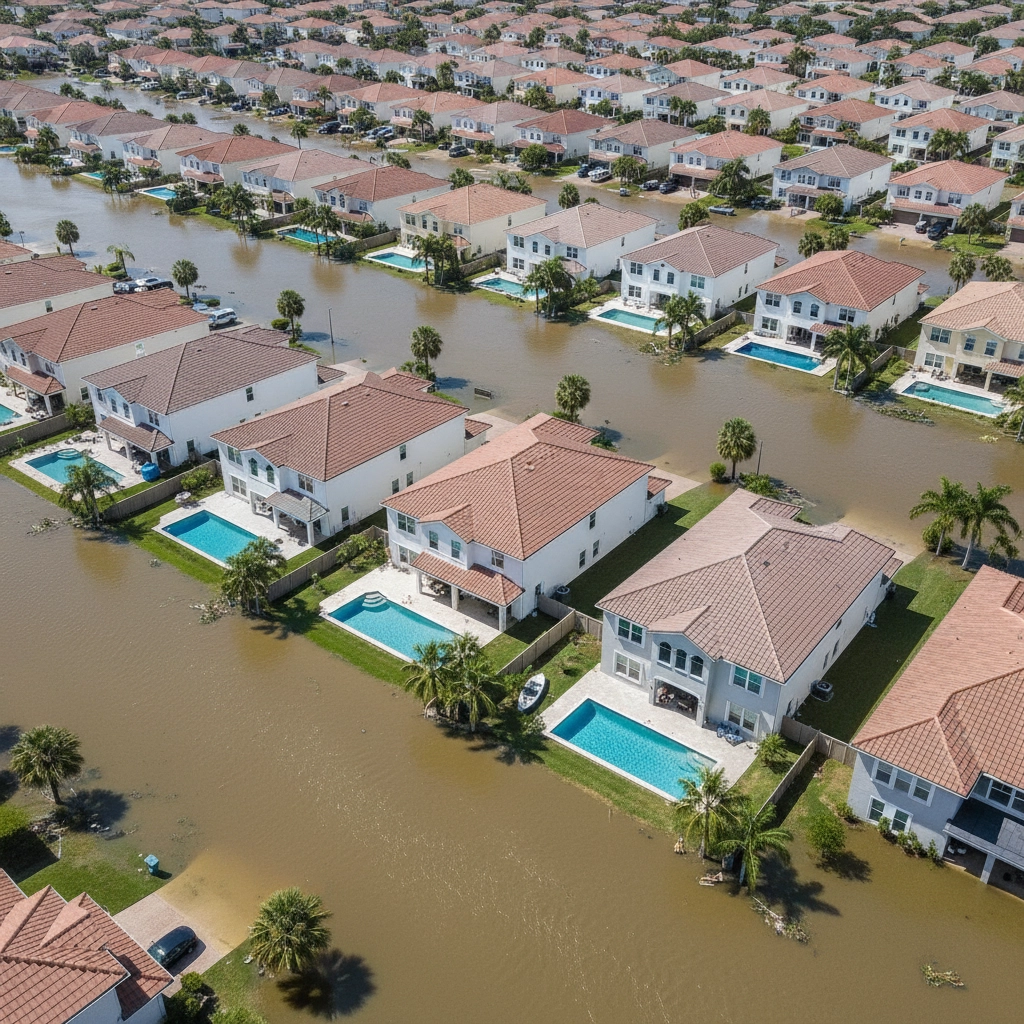
Florida homeowners face unique flood risks that standard homeowners insurance does not cover. Recent legislation has expanded flood insurance requirements, particularly for Citizens Property Insurance policyholders. Understanding these requirements helps protect your home and financial security.
Federal Flood Insurance Requirements
Federal law mandates flood insurance for properties with federally backed mortgages located in high-risk flood zones. High-risk areas, designated as Special Flood Hazard Areas, have at least a one percent annual chance of flooding each year. This translates to a 26 percent chance of flooding during a typical 30-year mortgage period.
Properties that have received federal disaster grants for previous flood losses must maintain flood insurance to qualify for future disaster assistance. Lenders enforce these requirements strictly, making compliance essential for mortgage approval and maintenance.
The National Flood Insurance Program (NFIP) provides the primary source of flood insurance coverage for most Florida homeowners. FEMA administers this program and sets coverage limits, rates, and requirements across participating communities.
Citizens Property Insurance Mandate
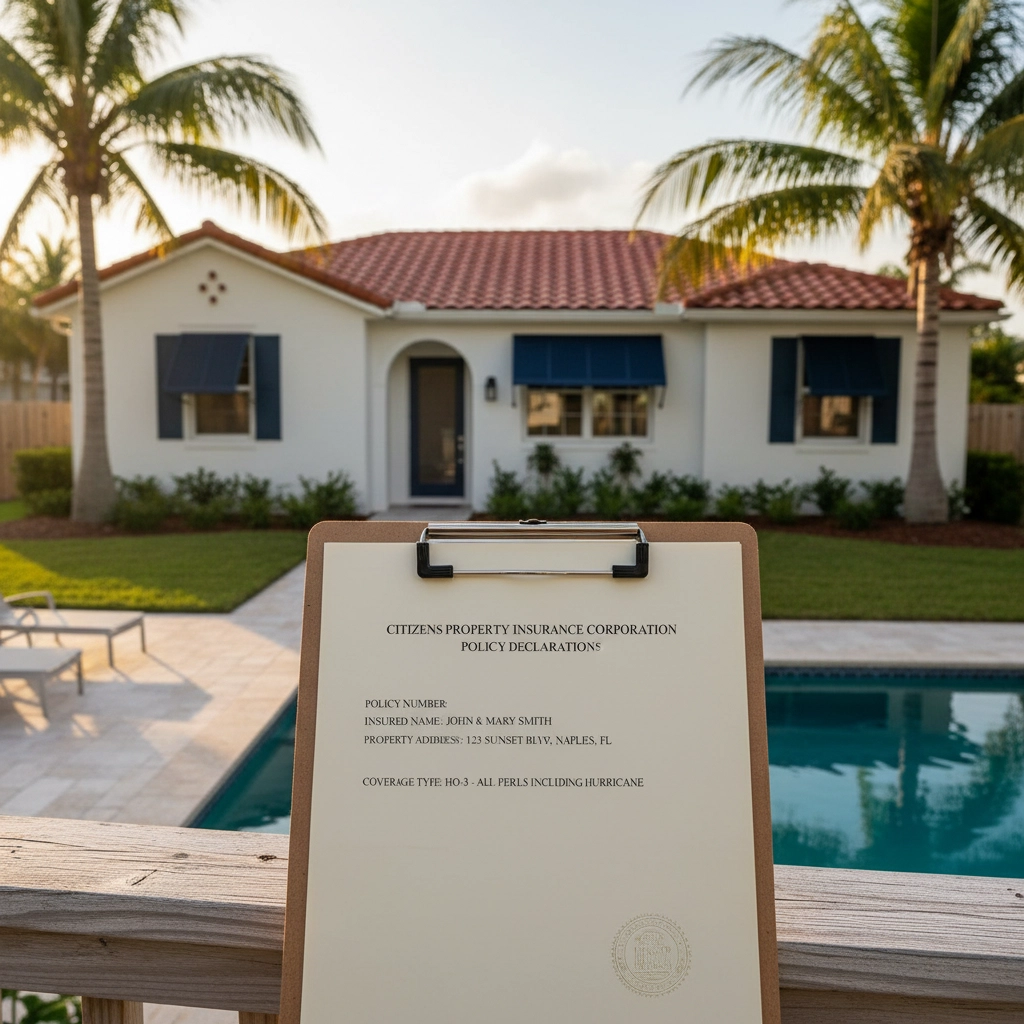
Florida's Senate Bill 2A created unprecedented statewide flood insurance requirements for Citizens Property Insurance policyholders. This phased mandate affects 1.2 million properties insured through Citizens, the state's largest property insurer.
The implementation schedule follows dwelling replacement values:
January 1, 2024: Properties valued at $600,000 or more January 1, 2025: Properties valued at $500,000 or more January 1, 2026: Properties valued at $400,000 or more January 1, 2027: All Citizens policies regardless of value
Citizens policyholders must provide proof of flood coverage that meets or exceeds their dwelling coverage limits. The flood insurance requirement applies at policy renewal or new application. Failure to comply results in policy cancellation.
Understanding Florida Flood Zones
FEMA flood maps classify areas based on flood risk probability. Zone designations determine insurance requirements and premium rates.
High-Risk Zones (A and V Zones) Areas with one percent or greater annual flood probability require mandatory flood insurance for federally backed mortgages. Coastal areas designated as V zones face additional wind-driven flood risks from storm surge.
Moderate-to-Low Risk Zones (B, C, and X Zones) Areas with less than one percent annual flood probability do not require mandatory coverage for most mortgages. However, approximately 20 percent of flood claims occur in these zones, making voluntary coverage valuable protection.
Undetermined Risk Zones (D Zones) Areas where flood risk remains undetermined due to insufficient data. Property owners should consult local authorities and consider coverage based on topography and drainage patterns.
Flood Insurance Coverage Details
Standard flood insurance policies provide two types of coverage through the National Flood Insurance Program.
Building Coverage Protects the structure of your home including foundation, electrical and plumbing systems, central air conditioning, furnace, water heater, and built-in appliances. Coverage extends to debris removal and reasonable living expenses during repairs.
Contents Coverage Covers personal belongings including furniture, clothing, electronics, and portable appliances. Contents coverage requires separate purchase and does not automatically include with building coverage.
Coverage Limits NFIP provides maximum building coverage of $250,000 for single-family homes and maximum contents coverage of $100,000. Properties requiring higher coverage limits need supplemental policies through private insurers.
Waiting Periods New flood insurance policies include a 30-day waiting period before coverage becomes effective. Emergency programs may provide immediate coverage with reduced limits during qualifying events.
Important Exemptions
Certain properties qualify for exemptions from Citizens Property Insurance flood requirements.
Upper-floor condominium units typically receive exemptions due to reduced flood exposure. Individual unit owners should verify exemption status with their association and Citizens representative.
Properties that switch from Citizens to private insurance companies avoid the flood insurance mandate. However, private insurers may impose their own flood coverage requirements as policy conditions.
Mobile homes and certain manufactured housing may qualify for different coverage requirements based on foundation types and elevation certificates.

Determining Your Flood Insurance Needs
Property owners should evaluate flood insurance needs based on multiple risk factors beyond legal requirements.
FEMA Flood Map Review Access current flood maps through FEMA's Map Service Center to determine your property's designated flood zone. Maps update periodically based on new flood studies and development patterns.
Elevation Certificate Obtain an elevation certificate from a licensed surveyor to determine your home's elevation relative to Base Flood Elevation. This document affects premium calculations and coverage requirements.
Local Drainage Assessment Consider local drainage systems, storm water management, and recent development that may affect flood patterns. Historical flood data provides insight into actual risk levels.
Mortgage Lender Requirements Verify specific requirements with your mortgage servicer, as some lenders mandate flood coverage in zones beyond federal requirements.
Cost Factors and Premium Considerations
Flood insurance premiums vary based on multiple factors that reflect actual flood risk.
Location and Zone Properties in high-risk zones typically pay higher premiums than those in moderate-to-low risk zones. Coastal properties may face additional surcharge for storm surge exposure.
Building Characteristics Foundation type, number of floors, and elevation relative to Base Flood Elevation directly impact premium calculations. Properly elevated homes receive significant premium reductions.
Coverage Amounts Higher coverage limits result in proportionally higher premiums. Property owners should balance adequate protection with budget considerations.
Deductibles Standard deductibles range from $1,000 to $10,000 for building coverage and $500 to $5,000 for contents coverage. Higher deductibles reduce annual premiums but increase out-of-pocket expenses during claims.

Filing Flood Insurance Claims
Proper claim procedures ensure prompt payment and full coverage benefits during flood events.
Immediate Steps Contact your insurance company immediately after flood damage occurs. Document damage with photographs and maintain receipts for emergency repairs and temporary living expenses.
Damage Assessment Insurance adjusters will inspect damage and determine coverage benefits. Provide complete access to damaged areas and maintain detailed records of all communications.
Proof of Loss Submit required Proof of Loss forms within 60 days of the flood event. Include detailed damage estimates, repair costs, and supporting documentation for all claimed items.
Claim Settlement NFIP typically settles claims within 30 days of receiving complete documentation. Advance payments may be available for immediate needs while final settlement processes.
Working with Insurance Alliance LLC
Insurance Alliance LLC helps Florida homeowners navigate flood insurance requirements and secure appropriate coverage. Our licensed agents understand federal requirements, Citizens Property Insurance mandates, and private market options.
We provide flood zone determination services, coverage recommendations based on your specific property characteristics, and assistance with elevation certificates and risk assessments. Our team handles policy applications, claim assistance, and ongoing coverage reviews.
Contact Insurance Alliance LLC to evaluate your flood insurance needs and ensure compliance with current requirements. We serve Florida homeowners with professional guidance and comprehensive coverage solutions that protect your property investment and financial security.

Comments