
Earthquake Insurance for Washington Homeowners: What Should You Know?
Washington State faces significant seismic activity, making earthquake insurance a critical consideration for homeowners. Standard homeowners insurance policies exclude earthquake damage, leaving property owners vulnerable to substantial financial losses. Understanding earthquake coverage options protects your home investment and provides peace of mind in this geologically active region.
Washington's Earthquake Risk Profile
Washington ranks among the highest earthquake risk states in the nation. The Cascadia Subduction Zone extends along the Pacific Northwest coast, creating the potential for major seismic events. Multiple fault systems throughout the state generate regular earthquake activity, though most remain too small to cause noticeable damage.
The Seattle Fault, Southern Whidbey Island Fault, and numerous other active geological features create ongoing seismic hazards. Historical records show significant earthquakes have impacted Washington communities, causing billions in property damage. These geological realities make earthquake insurance particularly relevant for Washington homeowners.

Standard Homeowners Insurance Limitations
Homeowners insurance policies specifically exclude earthquake damage coverage. This exclusion applies to structural damage, personal property losses, and additional living expenses resulting from seismic activity. Without separate earthquake coverage, homeowners bear full financial responsibility for earthquake-related repairs and replacements.
Fire damage resulting from earthquakes typically receives coverage under standard homeowners policies. However, the primary structural and content damage from ground shaking remains excluded. This coverage gap creates substantial financial exposure for Washington homeowners.
Comprehensive Earthquake Coverage Components
Earthquake insurance provides protection across multiple categories of potential losses. Coverage typically includes dwelling protection for structural repairs, personal property replacement, debris removal, and additional living expenses during displacement periods.
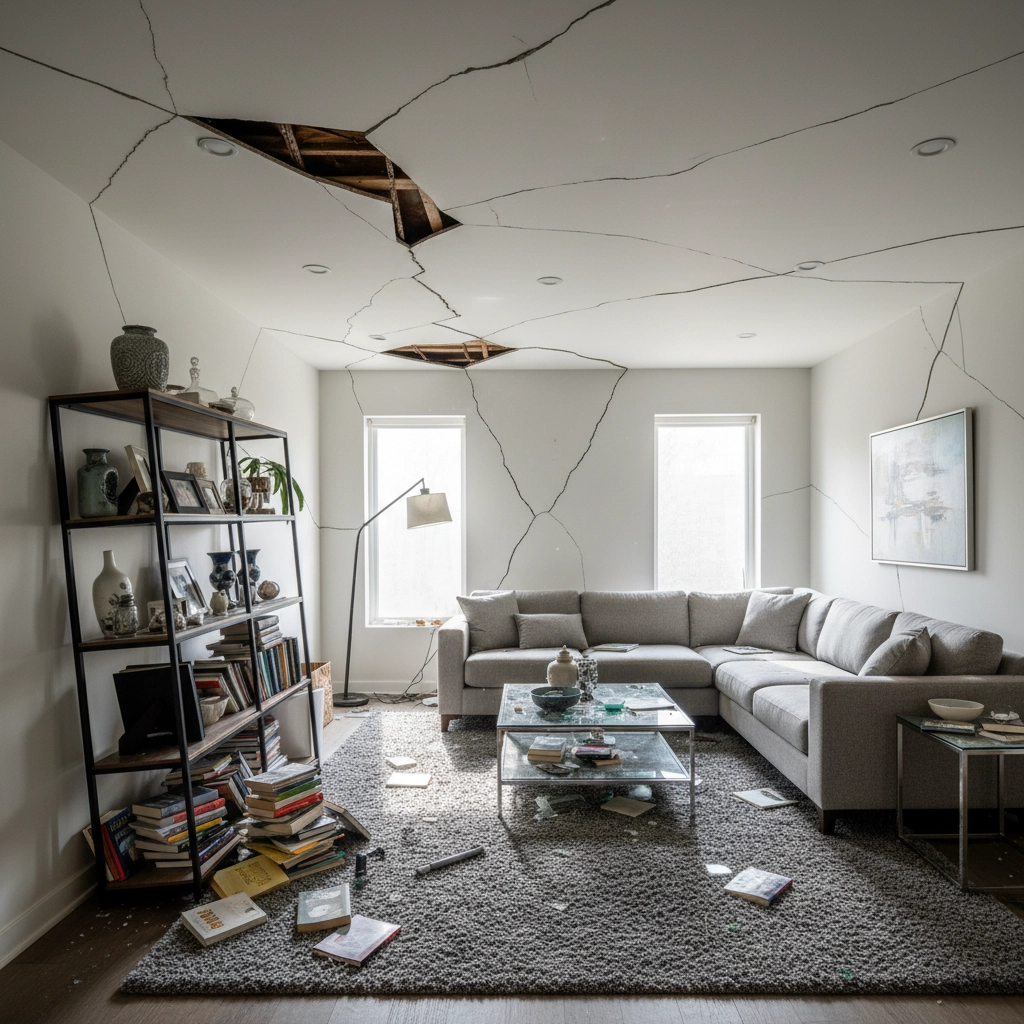
Dwelling Coverage protects the main structure of your home, including attached garages and permanently installed fixtures. This coverage addresses foundation damage, structural frame repairs, roof damage, and interior finishing restoration caused by seismic activity.
Personal Property Protection covers belongings inside your home damaged by earthquake activity. Furniture, appliances, electronics, clothing, and other personal items receive coverage up to policy limits. This protection extends to items stored in attached garages and other covered structures.
Additional Living Expenses provide reimbursement for temporary housing, increased food costs, and other necessary expenses when earthquake damage makes your home uninhabitable. This coverage maintains your standard of living during the repair process.
Debris Removal covers the cost of clearing earthquake-related debris from your property. This includes damaged building materials, fallen trees, and other debris requiring professional removal services.
Coverage Exclusions and Limitations
Earthquake insurance contains specific exclusions that homeowners must understand. Land damage, including ground settling or shifting, typically receives no coverage unless directly caused by earthquake activity. Landslides, mudflows, and ground movement from non-seismic causes remain excluded.
Flood damage resulting from earthquakes generally falls outside earthquake insurance coverage. Tsunamis triggered by seismic activity may require separate coverage through the National Flood Insurance Program. Pre-existing damage to your property receives no coverage under earthquake policies.
Vehicle damage from earthquakes remains excluded from earthquake insurance. Comprehensive auto insurance typically provides this protection. External water damage, including burst water mains or sewer backups, may not receive coverage unless directly caused by the earthquake itself.
Detached structures such as sheds, fences, or separate garages may require additional coverage or carry separate deductibles. Review policy terms carefully to understand protection levels for all property structures.
Deductible Structure and Claims Process
Earthquake insurance operates with percentage-based deductibles rather than fixed dollar amounts. Deductibles typically range from 10% to 25% of your dwelling coverage limit. This means you pay the first portion of any earthquake damage before insurance coverage begins.
A home insured for $500,000 with a 15% deductible requires the homeowner to pay the first $75,000 of earthquake damage. Insurance coverage applies only to damages exceeding this threshold. Higher deductibles generally result in lower premium costs, while lower deductibles increase annual premiums.
Some policies include separate deductibles for different coverage types. Personal property may carry different deductible percentages than dwelling coverage. Additional living expenses might operate under separate deductible structures or waiting periods.

Property Inspection and Structural Requirements
Insurance companies often require property inspections before approving earthquake coverage. These inspections assess your home's structural integrity and seismic retrofitting measures. Inspection results influence coverage availability, premium pricing, and required improvements.
Foundation anchoring represents a common requirement for earthquake insurance eligibility. Homes must demonstrate secure bolting to foundation systems to qualify for coverage. This retrofitting reduces potential damage during seismic events and lowers insurance risk.
Water heater strapping requirements ensure these appliances remain secured during earthquakes. Proper strapping prevents water heaters from tipping, reducing fire and flood risks. Many insurers require photographic evidence of proper water heater securing.
Chimney bracing, cripple wall reinforcement, and automatic gas shut-off valves may influence coverage availability or premium discounts. These seismic improvements demonstrate proactive risk reduction and may qualify for preferred pricing.
Soft story buildings or homes with significant structural vulnerabilities may face coverage limitations or require extensive retrofitting. Insurance companies assess structural risks carefully before providing earthquake coverage.
Coverage Limits and Policy Customization
Earthquake insurance allows customization of coverage limits based on property values and personal preferences. Dwelling coverage should reflect current replacement costs rather than market values. Reconstruction costs often exceed original building expenses due to updated building codes and material costs.
Personal property limits require careful consideration of belongings value. Inventory your possessions to determine appropriate coverage levels. High-value items may require separate scheduling or additional coverage endorsements.
Consider increased replacement cost coverage for homes in areas with strict building code requirements. Earthquake damage often triggers requirements for full code compliance during reconstruction, increasing rebuilding costs substantially.
Loss of use coverage duration varies between policies. Extended displacement periods during major earthquake recovery may require higher limits for temporary housing and living expense coverage.

Policy Purchase and Timing Considerations
Earthquake insurance typically includes waiting periods before coverage becomes effective. These waiting periods prevent immediate policy purchases following earthquake activity or when seismic risk increases. Plan ahead to ensure coverage remains in place before you need it.
Standalone earthquake policies provide comprehensive coverage but require separate premium payments and policy management. Endorsement options add earthquake coverage to existing homeowners policies, simplifying administration while providing integrated protection.
Review coverage annually to ensure limits reflect current property values and personal needs. Significant home improvements, property value changes, or acquisition of valuable personal property may require coverage adjustments.
Consider earthquake insurance early in your homeownership to avoid waiting periods and ensure continuous protection. Once earthquake activity increases in your region, obtaining new coverage becomes more difficult or impossible.
Working with Insurance Professionals
Insurance Alliance LLC provides expert guidance on earthquake insurance options for Washington homeowners. Professional agents help evaluate risk exposure, compare coverage options, and customize policies to meet specific needs. Expert advice ensures optimal protection while avoiding coverage gaps or unnecessary expenses.
Professional insurance guidance helps navigate complex policy terms, exclusions, and requirements. Agents assist with property inspection scheduling, retrofit requirement explanations, and claims process understanding. This professional support proves invaluable when selecting appropriate earthquake protection.
Review your current homeowners insurance to understand existing earthquake exclusions and protection gaps. Professional insurance consultation identifies specific coverage needs and recommends appropriate earthquake insurance solutions for your Washington property.

Comments