
Don't Let Tourist Data Breaches Sink Your Restaurant: Cyber Liability Tips for Central Florida
Central Florida restaurants face unique cybersecurity challenges. Tourist-heavy areas create additional data breach risks that standard security measures often fail to address. Understanding these vulnerabilities helps restaurant owners protect their businesses and customers effectively.
Tourist Data Creates Higher Risk Targets
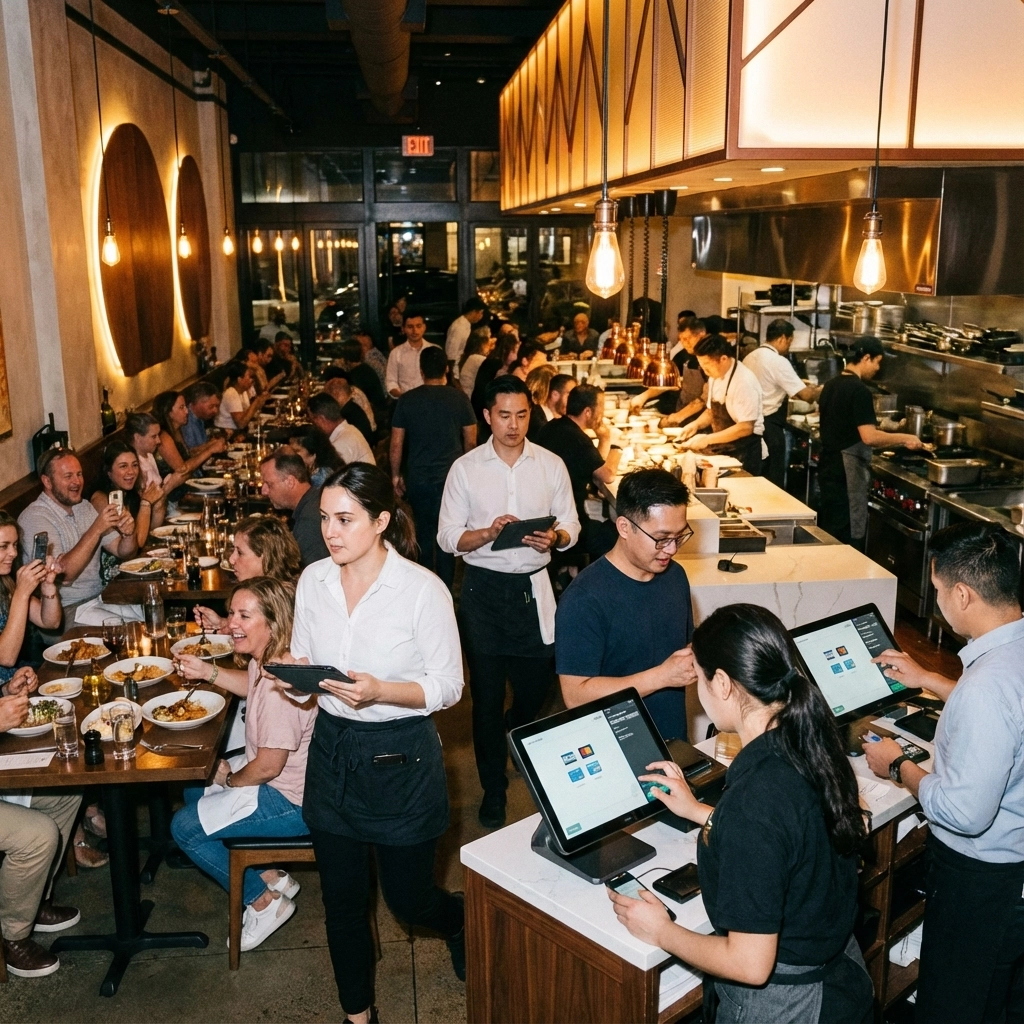
Restaurants in Central Florida's tourist corridors handle massive volumes of out-of-state credit card transactions daily. Visitors typically use multiple payment methods, store personal information for future visits, and provide contact details for reservations and loyalty programs.
Tourist data presents valuable targets for cybercriminals. Out-of-state credit cards often carry higher limits and less frequent monitoring. Visitors may not notice fraudulent charges immediately, giving criminals extended windows to exploit stolen information.
Seasonal volume fluctuations compound these risks. Peak tourist seasons overwhelm restaurant systems and staff, creating security gaps. Rushed payment processing and temporary staff increase the likelihood of data handling errors.
Common Cyber Threats Facing Tourist-Area Restaurants
Point-of-Sale System Attacks
Restaurants process thousands of credit card transactions during busy tourist seasons. Outdated POS systems become prime targets for skimming devices and malware installations. Criminals often target restaurants during peak hours when staff attention focuses on service rather than security monitoring.
Reservation System Vulnerabilities
Tourist restaurants rely heavily on online reservation platforms and booking systems. These platforms collect names, phone numbers, email addresses, and payment information. A single breach exposes comprehensive customer profiles that criminals can use for identity theft and fraud.
Email and Phishing Attacks
Restaurant staff receive constant communications from vendors, delivery services, and booking platforms. Cybercriminals exploit this communication volume through sophisticated phishing emails that appear legitimate. One successful phishing attack can compromise entire customer databases.
WiFi Network Exploitation
Tourist-area restaurants often provide guest WiFi networks. Unsecured or poorly configured networks allow cybercriminals to intercept payment data and customer communications. Shared networks between guest and business systems create additional entry points for attacks.
Understanding Cyber Liability Insurance Coverage
Cyber liability insurance provides essential protection against data breach costs and cyberattack damages. Florida restaurants need comprehensive coverage that addresses both first-party and third-party exposures.
First-Party Coverage Protection
Data recovery and system restoration costs can exceed thousands of dollars following a successful attack. Cyber liability insurance covers the technical expenses required to rebuild compromised systems and recover lost data.
Business interruption coverage compensates for lost revenue during system downtime. Tourist restaurants cannot afford extended closures during peak seasons when daily revenue reaches its highest levels.
Cyber extortion and ransomware coverage provides funds for ransom payments when attacks encrypt critical business data. This coverage also funds professional negotiation services that can reduce ransom demands.
Third-Party Coverage Benefits
Customer notification requirements following data breaches create significant costs. Florida law requires prompt notification to affected customers, and cyber liability insurance covers these notification expenses plus credit monitoring services.
Legal defense costs arise when customers file lawsuits following data breaches. Third-party coverage provides experienced cybersecurity attorneys who understand restaurant industry exposures and regulatory requirements.
Regulatory fines and penalties can result from data privacy violations. Cyber liability insurance helps cover these costs when restaurants face government enforcement actions.
Essential Data Protection Strategies
Employee Training Programs
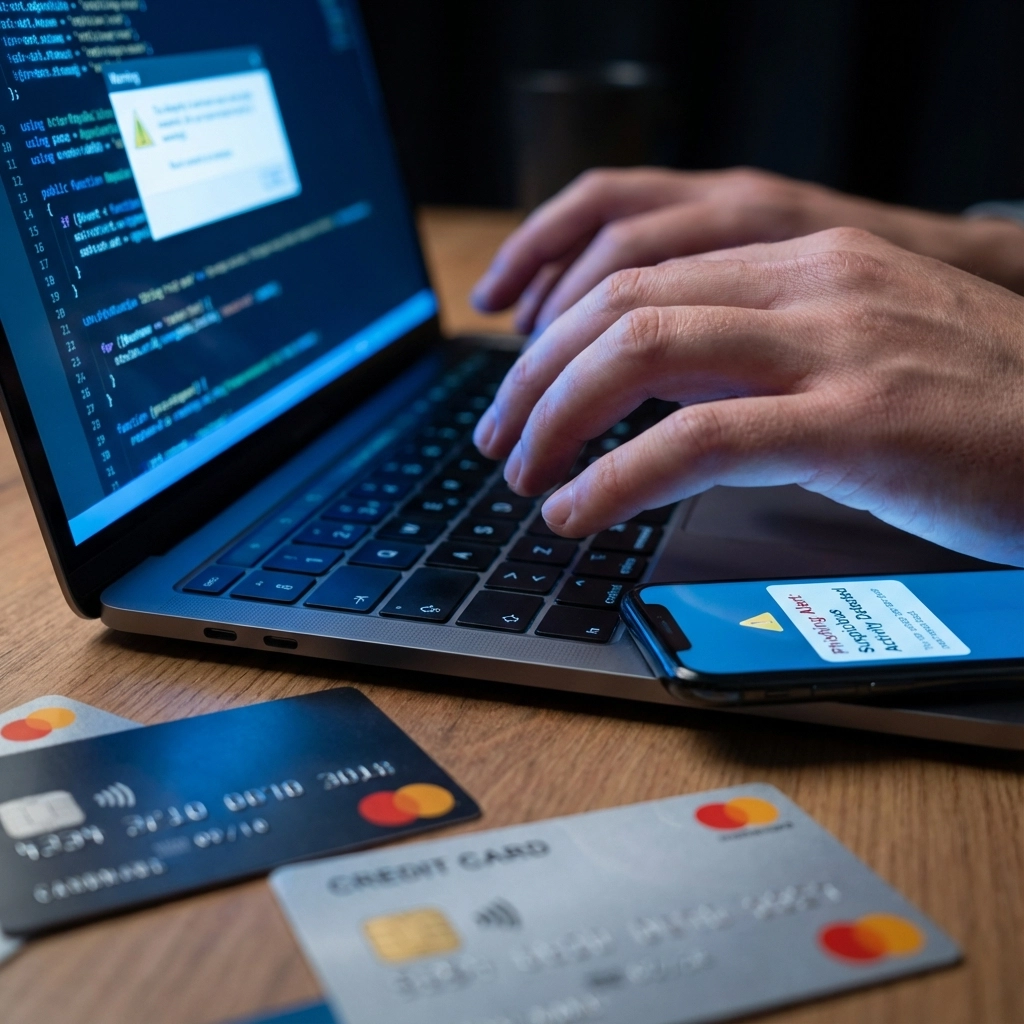
Staff education represents the most effective defense against cyber threats. Train employees to recognize phishing emails, suspicious payment cards, and unusual customer requests for personal information.
Create specific protocols for handling tourist customer data. Establish clear guidelines for collecting, storing, and disposing of customer information. Regular training sessions ensure all staff understand current cybersecurity threats.
Implement access controls that limit employee access to customer data based on job responsibilities. Servers need different data access levels than managers or administrative staff.
Payment Processing Security
Upgrade POS systems regularly to maintain current security standards. Modern systems include encryption, tokenization, and advanced fraud detection features that older systems lack.
Implement chip card processing technology that provides additional security layers compared to magnetic stripe transactions. Contactless payment options reduce physical card handling and associated risks.
Establish separate network segments for payment processing systems. Isolating payment networks from general business systems prevents lateral movement during cyberattacks.
Data Management Best Practices
Minimize customer data collection to essential business needs only. Avoid storing unnecessary personal information that creates additional liability without providing business value.
Implement data retention policies that automatically purge old customer information. Tourist restaurants should not maintain indefinite customer records from seasonal visitors who may never return.
Encrypt all stored customer data using current industry standards. Encryption makes stolen data useless to cybercriminals even when breaches occur.

Network Security Fundamentals
WiFi Network Configuration
Separate guest WiFi networks from business operations networks. Guest networks should have no access to payment processing systems, reservation platforms, or administrative functions.
Implement strong authentication protocols for business network access. Multi-factor authentication prevents unauthorized access even when employees share or lose login credentials.
Regular network monitoring identifies suspicious activity before major breaches occur. Automated monitoring systems can detect unusual data transfers or unauthorized access attempts.
System Maintenance Requirements
Update software and security patches promptly across all restaurant systems. Cybercriminals often exploit known vulnerabilities in outdated software to gain system access.
Backup critical business data regularly and store backups in secure, offline locations. Recent backups enable rapid recovery following ransomware attacks or system failures.
Conduct regular security assessments that identify potential vulnerabilities before criminals exploit them. Professional cybersecurity evaluations provide objective assessments of restaurant security postures.
Compliance and Legal Obligations
Florida restaurants must comply with multiple data protection regulations affecting customer information handling. Payment Card Industry Data Security Standards (PCI DSS) establish minimum requirements for businesses processing credit card transactions.
State breach notification laws require prompt customer notification following data security incidents. Failure to comply with notification requirements can result in significant fines and penalties.
Cyber liability insurance provides legal counsel experienced in restaurant industry compliance requirements. This expertise helps navigate complex regulatory obligations following security incidents.

Choosing Appropriate Coverage Levels
Restaurant cyber liability insurance needs vary based on business size, customer volume, and technology usage. Tourist-area restaurants typically require higher coverage limits due to increased exposure levels.
Consider seasonal volume fluctuations when determining coverage amounts. Peak tourist season revenues and customer volumes should influence policy limits to ensure adequate protection during high-risk periods.
Evaluate coverage options for business interruption, data restoration, and customer notification costs. Tourist restaurants cannot afford extended downtime during profitable seasons when cyberattacks occur.
Coverage Enhancement Options
Social engineering coverage protects against fraud schemes targeting restaurant employees. Criminals often impersonate vendors or corporate executives to trick staff into transferring funds or sharing sensitive information.
Reputation management coverage helps address negative publicity following data breaches. Tourist-dependent restaurants need professional crisis management to minimize long-term reputation damage.
Regulatory investigation coverage provides funds for compliance assessments and legal representation during government investigations following data breaches.
Professional Risk Assessment Benefits
Insurance Alliance LLC provides comprehensive cyber liability assessments for Central Florida restaurants. Professional evaluations identify specific vulnerabilities that tourist-area restaurants face and recommend appropriate coverage solutions.
Expert guidance helps restaurant owners understand complex policy terms and coverage options. Professional insurance advisors explain how different coverage types apply to specific restaurant operations and tourist-related risks.
Regular policy reviews ensure coverage keeps pace with changing business operations and evolving cyber threats. Tourist restaurants often modify operations seasonally, requiring corresponding insurance adjustments.

Cyber liability insurance provides essential protection for Central Florida restaurants serving tourist populations. The combination of high transaction volumes, out-of-state customer data, and seasonal operational pressures creates significant cybersecurity exposures that require professional risk management solutions.
Restaurant owners who invest in comprehensive cyber liability coverage and implement strong security practices protect their businesses against devastating financial losses while maintaining customer trust in an increasingly digital marketplace.


Comments