
Cyber Attacks on Restaurants: 7 Hidden Risks Your General Liability Policy Won't Cover
- marketing676641
- Dec 21, 2025
- 6 min read
Restaurant owners face increasing cyber threats that traditional general liability insurance cannot address. Modern dining establishments process digital payments, store customer data, and rely on connected systems that create multiple attack vectors for cybercriminals.
General liability policies protect against bodily injury and property damage claims. These policies do not cover cyber incidents, data breaches, or technology-related business interruptions. Restaurant operators need dedicated cyber liability coverage to address digital-age risks.
1. Point-of-Sale System Breaches
Restaurant POS systems represent prime targets for cybercriminals seeking credit card information and payment data. Hackers install malware directly onto payment terminals or exploit network vulnerabilities to access transaction records.
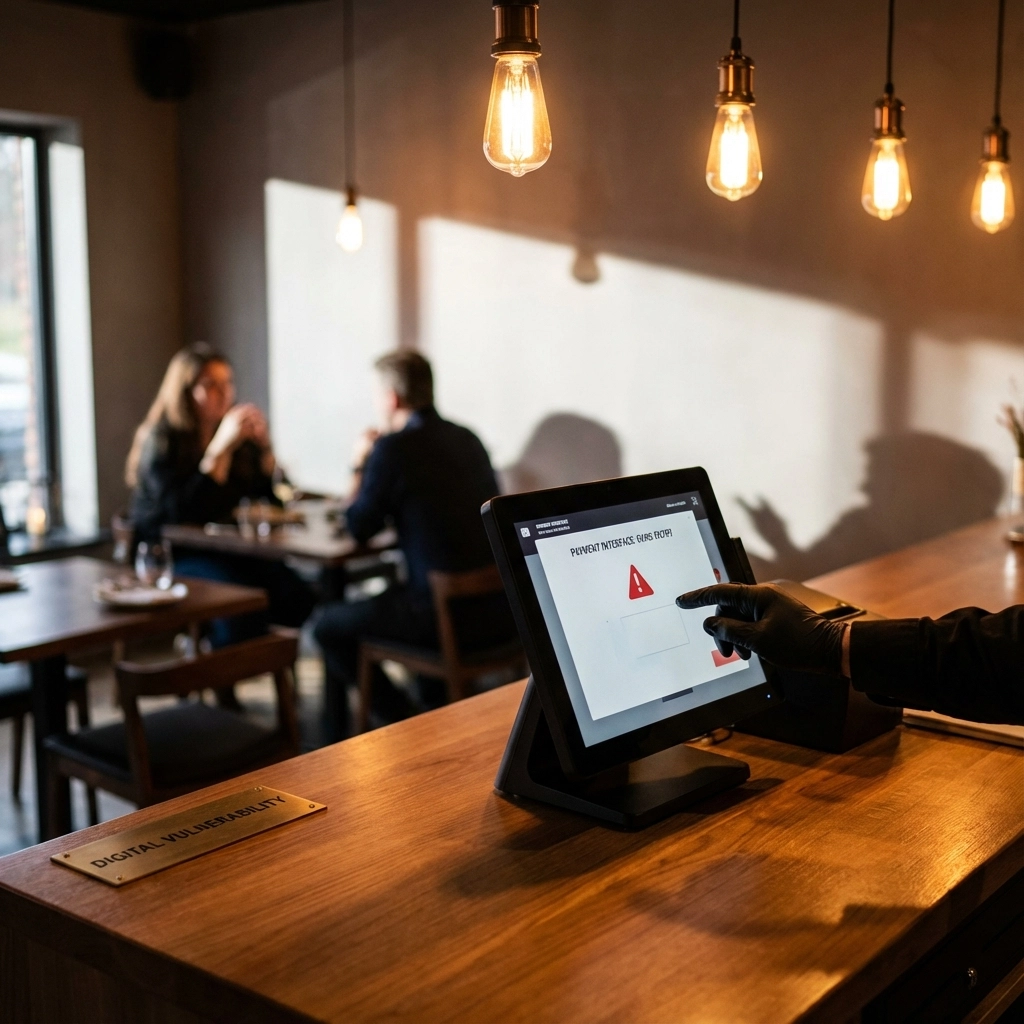
The 2023 NCR Aloha attack affected thousands of restaurants nationwide. The breach prevented establishments from processing administrative functions and managing daily operations. Affected restaurants lost revenue during system downtime and faced potential liability for compromised customer payment information.
General liability policies exclude coverage for technology failures and data compromises. Restaurant owners need cyber insurance to cover forensic investigations, system restoration, and customer notification requirements following POS breaches.
POS vulnerabilities increase when restaurants use outdated software or fail to implement proper network security. Cybercriminals exploit these weaknesses to steal payment card data and sell information on dark web marketplaces.
2. Ransomware Attacks That Shut Down Operations
Ransomware attacks encrypt critical business systems and demand payment for data restoration. Restaurant chains and independent establishments face operational shutdowns when attackers target management software, inventory systems, and communication networks.
The 2023 Yum! Brands attack temporarily closed approximately 300 restaurants across the United Kingdom. KFC, Pizza Hut, and Taco Bell locations could not operate normally until systems were restored. The LockBit group targeted Subway in 2024, setting public ransom deadlines that created additional reputational pressure.
Ransomware incidents create multiple financial exposures beyond ransom demands. Restaurants lose revenue during forced closures and may face regulatory fines for data protection violations. Recovery costs include system rebuilding, data restoration, and forensic analysis to determine breach scope.
General liability coverage does not address business interruption from cyber attacks. Cyber liability policies provide coverage for lost revenue, extra expenses during recovery, and professional services needed to restore normal operations.
3. Employee Phishing Scams and Credential Theft
Restaurant staff receive targeted phishing emails designed to steal login credentials and access business systems. Cybercriminals impersonate vendors, corporate management, or technology providers to trick employees into sharing sensitive information.
Successful phishing attacks provide unauthorized access to payroll systems, customer databases, and financial accounts. Attackers use stolen credentials to conduct wire fraud, alter employee information, or download customer data for resale.
Restaurant employees often lack cybersecurity training and may respond to urgent-seeming requests without verification. High turnover rates in the restaurant industry compound this vulnerability as new staff members have limited security awareness.
Email account compromises allow attackers to monitor business communications and launch additional attacks against customers, vendors, or partner organizations. The resulting damage extends beyond immediate financial losses to include long-term reputational harm.
General liability policies do not cover losses from social engineering attacks or credential theft. Cyber insurance addresses the full scope of phishing-related damages including fraudulent transfers, system restoration, and legal expenses.
4. Customer Database Breaches
Restaurants collect extensive customer information through loyalty programs, online ordering platforms, and reservation systems. Data breaches expose names, contact information, payment details, and dining preferences to unauthorized access.
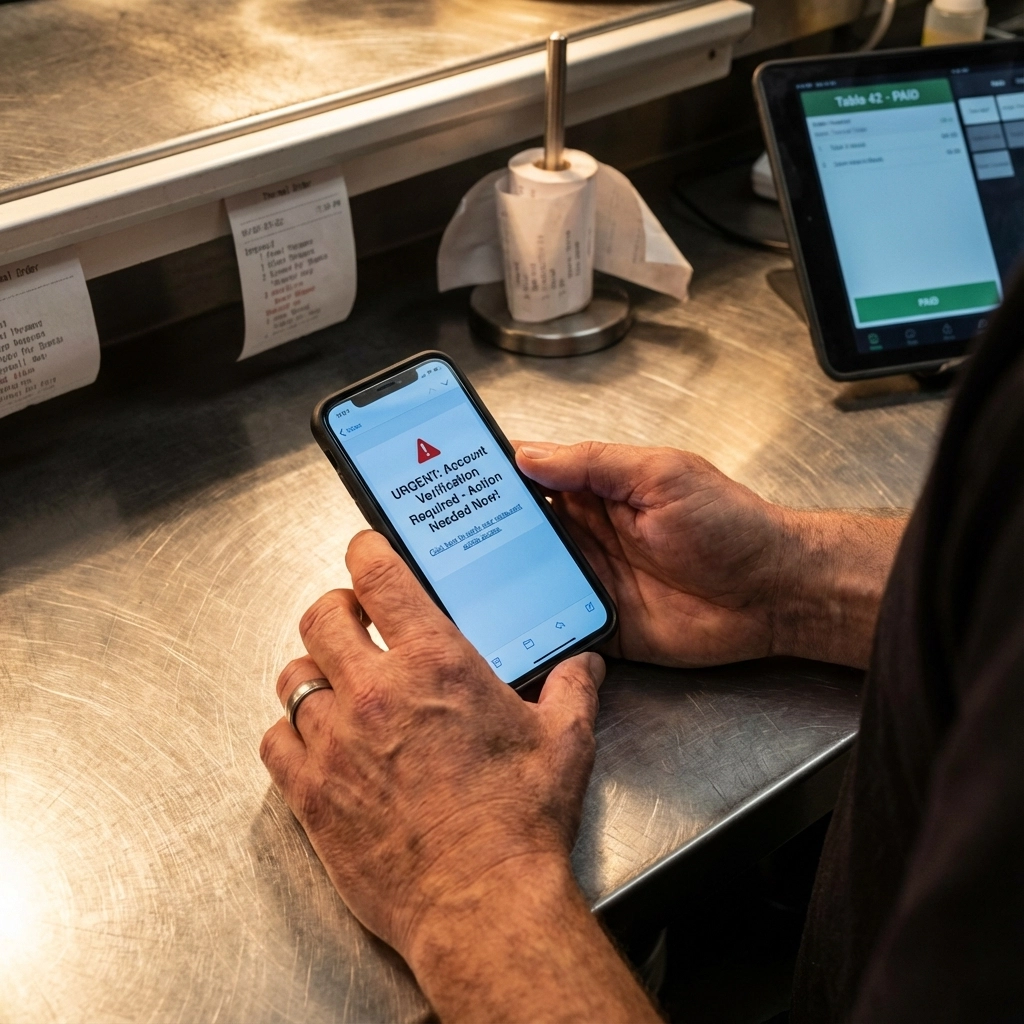
Major restaurant breaches have compromised hundreds of thousands of customer records. Exposed information includes Social Security numbers, driver's license details, and financial account information. Restaurants face regulatory notification requirements and potential lawsuits following data exposures.
Customer data breaches create ongoing liability as affected individuals may experience identity theft or financial fraud using compromised information. Restaurants must provide credit monitoring services and may face class action litigation from data breach victims.
State data breach notification laws require specific response procedures within defined timeframes. Restaurant owners must engage forensic investigators, legal counsel, and notification services to comply with regulatory requirements across multiple jurisdictions.
General liability coverage excludes privacy violations and data breach response costs. Cyber liability insurance provides dedicated coverage for breach investigation, customer notification, credit monitoring, and legal defense against privacy-related lawsuits.
5. Insider Threats and Employee Data Misuse
Restaurant employees with system access may deliberately or accidentally compromise customer information and business data. Insider threats include disgruntled workers who steal data before termination and careless staff members who mishandle sensitive information.
Employee data theft often goes undetected for extended periods as authorized users have legitimate system access. Malicious insiders may gradually extract customer lists, financial records, or operational data to sell to competitors or criminal organizations.
Negligent employees create data exposure through poor security practices such as sharing passwords, accessing systems from unsecured networks, or storing sensitive information on personal devices. These actions increase vulnerability to external attacks and accidental data losses.
Restaurant management faces challenges monitoring employee system usage without creating excessive surveillance that impacts workplace culture. Balancing security needs with operational efficiency requires sophisticated access controls and monitoring systems.
General liability policies do not address employee data theft or insider misconduct involving customer information. Cyber insurance covers investigation costs, legal expenses, and regulatory fines resulting from insider data breaches.
6. Account Takeover and Loyalty Program Fraud
Cybercriminals target restaurant customer accounts through credential stuffing attacks and social engineering schemes. Account takeovers allow unauthorized access to loyalty program benefits, stored payment methods, and personal information.
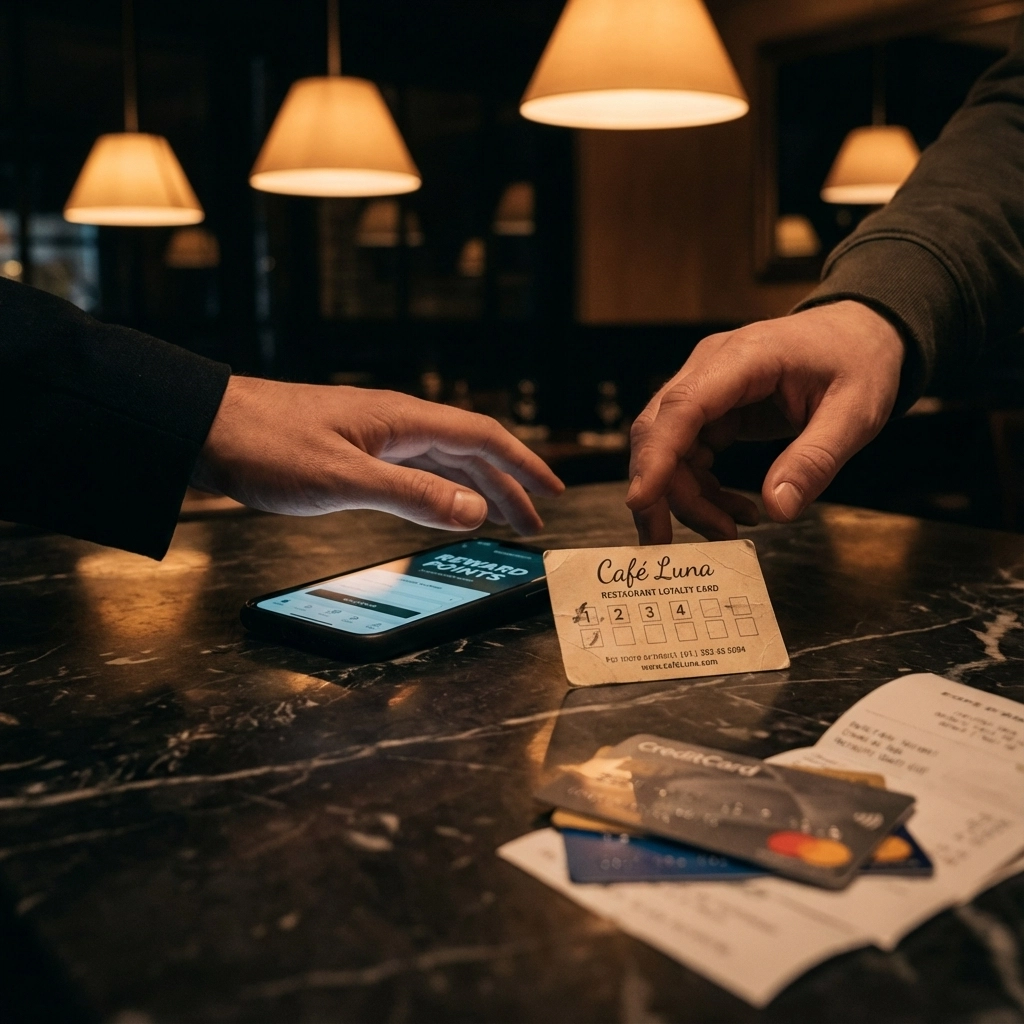
Peak dining seasons create increased opportunities for account takeover attempts as restaurants promote special offers and loyalty program bonuses. Attackers exploit weak customer passwords and use automated tools to test stolen credentials across multiple restaurant platforms.
Successful account takeovers enable fraudulent purchases, point redemption, and gift card theft. Customers may not discover unauthorized account activity until reviewing monthly statements or attempting to use loyalty benefits.
Restaurant loyalty programs often lack sophisticated fraud detection systems and may not require strong authentication for account changes. Limited security measures make customer accounts attractive targets for organized cybercrime groups.
Account takeover incidents create customer service burdens as affected individuals require account restoration and fraud remediation assistance. Restaurants may face chargebacks and refund requests for unauthorized transactions conducted through compromised accounts.
General liability insurance does not cover losses from customer account fraud or loyalty program theft. Cyber liability policies address fraudulent transactions, account restoration costs, and customer notification requirements following account compromise incidents.
7. Gift Card Theft and Digital Fraud
Restaurant gift card programs face targeted attacks during holiday seasons and promotional periods when sales volumes increase. Cybercriminals exploit gift card activation systems, conduct balance theft, and create fraudulent cards using stolen data.
Digital gift card platforms present multiple attack vectors including account takeovers, activation system breaches, and unauthorized balance transfers. Criminals may purchase small-value gift cards to test stolen payment information before conducting larger fraudulent transactions.
Gift card fraud creates complex financial exposures as restaurants must honor legitimate cards while preventing losses from fraudulent redemptions. Fraudulent gift card activity may not be discovered until customers attempt to use legitimate cards with depleted balances.
Restaurant gift card systems often integrate with multiple third-party platforms and payment processors, creating additional security vulnerabilities. Each integration point requires proper security controls to prevent unauthorized access and fraud.
Peak promotional periods increase gift card fraud risk as higher transaction volumes make fraudulent activity more difficult to detect. Cybercriminals time attacks to coincide with busy seasons when security monitoring may be less effective.
General liability coverage excludes digital fraud and electronic theft involving gift card programs. Cyber insurance provides coverage for fraudulent gift card losses, investigation costs, and system security improvements needed to prevent future incidents.
Why General Liability Falls Short
Traditional general liability policies were designed for physical risks such as customer injuries and property damage. These policies explicitly exclude cyber incidents, technology failures, and data-related losses that characterize modern restaurant operations.
Cyber attacks create financial exposures that extend far beyond physical damage. Business interruption from system failures, regulatory fines for data breaches, and legal costs from privacy violations require specialized insurance coverage that addresses digital-age risks.
Protecting Your Restaurant Investment
Cyber liability insurance provides essential protection for restaurant operations in Florida, Texas, Arizona, Idaho, and Washington. This coverage addresses the growing cyber threat landscape that traditional policies cannot handle.
Insurance Alliance LLC helps restaurant owners understand cyber liability options and develop comprehensive protection strategies. Contact our team to assess your restaurant's cyber risk exposure and explore coverage solutions that protect your business investment.
Your restaurant's digital systems and customer data represent valuable assets that require proper insurance protection. Cyber liability coverage ensures your establishment can recover from attacks and maintain customer trust following security incidents.

Comments