
Contractors & Commercial Auto Insurance: What You Need to Know
Commercial auto insurance represents one of the most essential protections for contractors operating vehicles in their daily business activities. Whether you're driving to job sites, transporting tools and equipment, or hauling materials, your personal auto policy won't cover business-related incidents.
Most contractors underestimate the financial risks they face on the road. A single accident can result in claims exceeding $50,000, and without proper commercial coverage, your business could face bankruptcy. Personal auto policies explicitly exclude business use, creating dangerous coverage gaps that leave contractors completely exposed.
Why Personal Auto Insurance Falls Short
Personal auto insurance policies contain clear exclusions for business activities. If you use your truck to haul equipment to a job site and cause an accident, your personal policy will deny the claim entirely. This exclusion applies even if the vehicle is registered in your personal name.
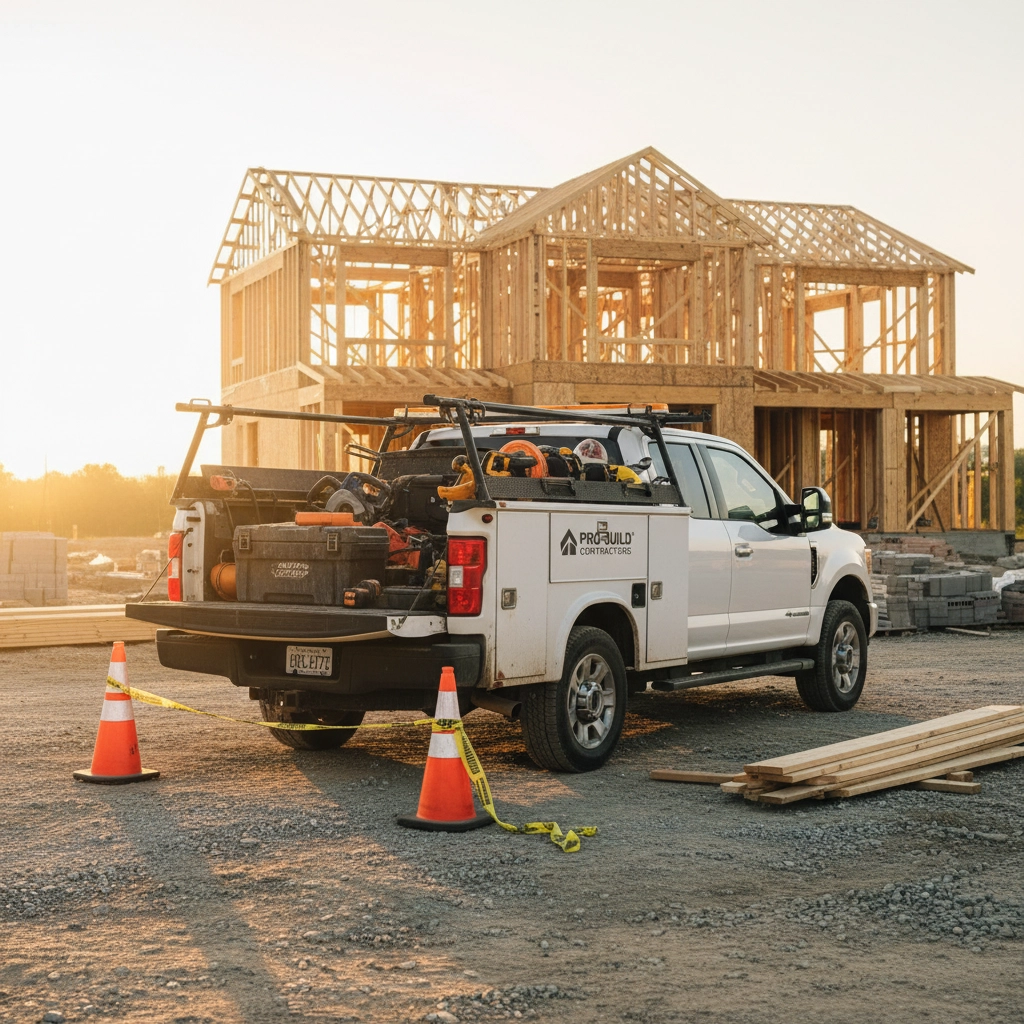
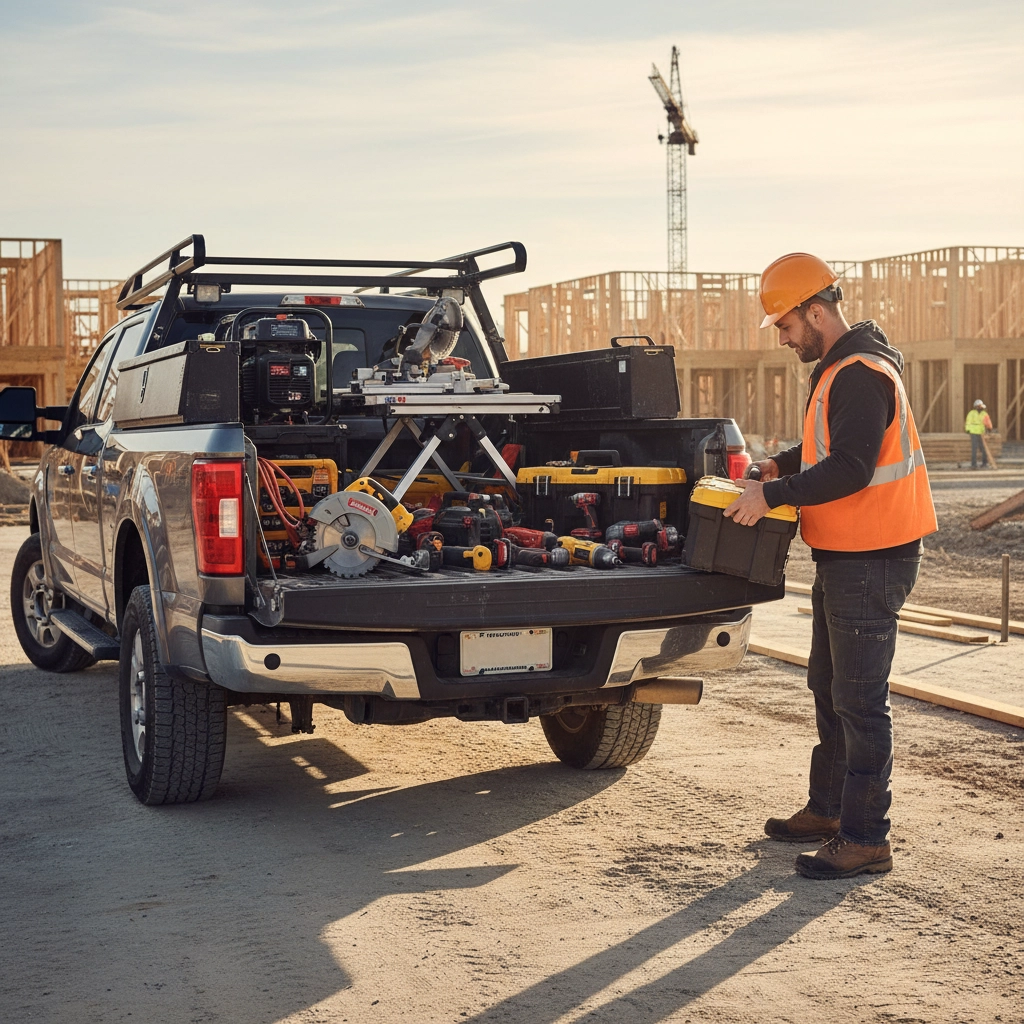
Personal policies also fail to cover tools, equipment, and materials stored in your vehicle. Contractors routinely transport thousands of dollars in specialized tools, which remain completely unprotected under personal auto coverage.
The liability limits on personal policies typically range from $25,000 to $100,000 per accident. Commercial activities require much higher protection levels, often $1 million or more, to adequately shield your business assets from major claims.
Essential Coverage Components for Contractors
Commercial auto insurance provides comprehensive protection through several key coverage types. Liability coverage protects your business when your vehicle causes bodily injury or property damage to others. This coverage handles medical expenses, property repairs, and legal defense costs.
Collision coverage pays for damage to your business vehicle from accidents, regardless of fault. This protection helps repair or replace vehicles up to their actual cash value, keeping your operations running smoothly.
Comprehensive coverage protects against non-collision incidents including theft, vandalism, fire, and weather damage. For contractors working in various locations, this coverage proves invaluable against unpredictable risks.
Uninsured/underinsured motorist coverage provides financial protection when other drivers lack adequate insurance. This coverage becomes especially important given the high number of uninsured drivers in many areas.
Medical payments coverage handles medical expenses for drivers and passengers in your commercial vehicles, regardless of who caused the accident. This immediate protection helps avoid delays in medical treatment.
Legal Requirements Contractors Must Meet
Commercial auto insurance is legally required in all states for vehicles used in business purposes. Each state sets minimum coverage levels that contractors must maintain to operate legally.
Most jurisdictions require commercial automobile liability insurance with minimum per-accident limits of $1 million combined single limit for bodily injury and property damage. Some areas mandate even higher requirements, particularly for certain types of contractor work.
The requirement applies to any vehicle used for business purposes, even if registered in your personal name. Using a personal vehicle to transport tools or travel to job sites triggers the commercial insurance requirement.
Common Contractor Risks on the Road
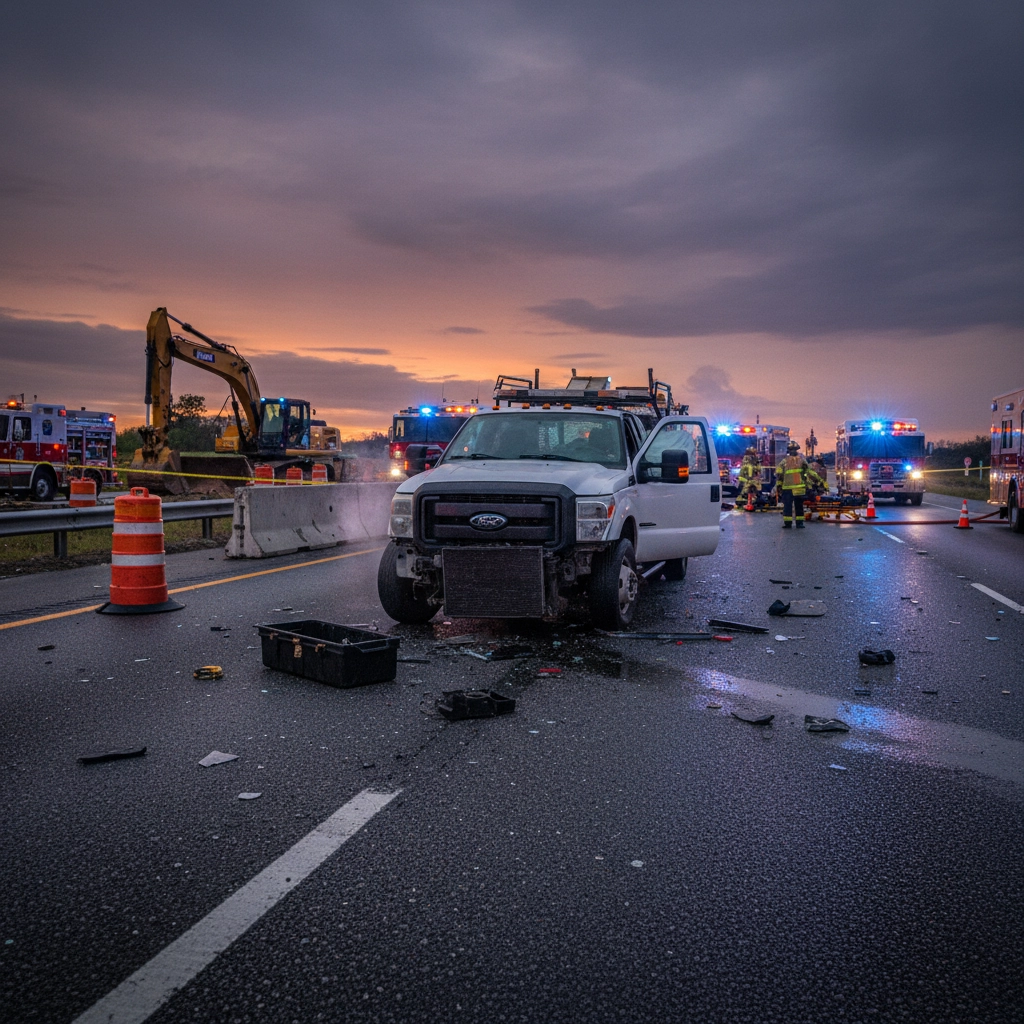
Contractors face unique driving risks that increase accident likelihood and claim severity. Heavy equipment and tools create additional weight and change vehicle handling characteristics, requiring specialized driving skills and increasing stopping distances.
Frequent loading and unloading activities expose contractors to additional liability risks. Loading zones often require stopping in traffic or awkward positions, increasing accident potential.
Multiple job sites mean contractors spend more time driving than typical businesses, increasing exposure to accidents through higher mileage and varied driving conditions.
Specialized vehicles like boom trucks, dump trucks, and equipment trailers require additional skill and present greater risks to other motorists. These vehicles also cost significantly more to repair or replace after accidents.
Tool and equipment theft represents a major financial risk for contractors. Vehicles parked at job sites or overnight contain valuable tools that attract thieves.
Cost Factors and Premium Considerations
Commercial auto insurance premiums vary significantly based on multiple factors specific to contractor operations. Vehicle type and value directly impact costs, with specialized contractor vehicles typically costing more to insure than standard commercial vehicles.
Driver records and experience heavily influence premiums. Companies with clean driving records receive better rates, while businesses with multiple violations or accidents face higher costs.
Geographic location affects pricing based on local accident rates, theft statistics, and state insurance requirements. Urban areas typically cost more than rural locations due to higher traffic density and accident rates.
Annual mileage and usage patterns impact pricing, with higher mileage operations facing increased premiums. Companies that accurately track and report mileage often receive better rates.
Coverage limits and deductibles allow contractors to balance protection levels with premium costs. Higher deductibles reduce premiums but increase out-of-pocket costs after claims.
Industry-Specific Coverage Needs
Different contractor specialties face unique risks requiring tailored coverage approaches. General contractors need coverage for multiple vehicle types and varied job site conditions, often requiring higher liability limits due to project complexity.
Electrical contractors transport expensive specialized tools and work in hazardous conditions, making tool coverage and high liability limits essential.
Plumbing contractors face water damage risks and emergency response situations, requiring coverage for urgent travel and potential property damage claims.
HVAC contractors transport heavy equipment and work in residential areas, creating needs for specialized equipment coverage and customer property protection.
Selecting Appropriate Coverage Limits
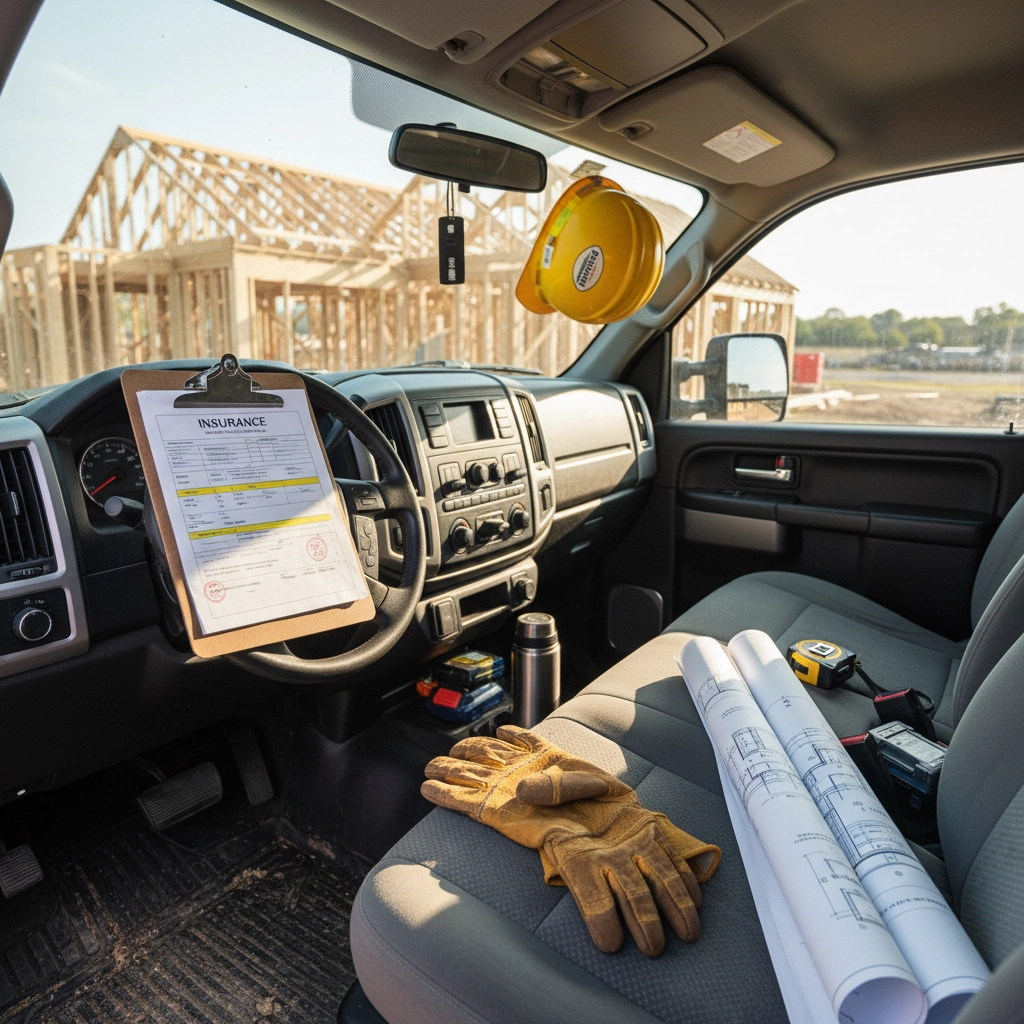
Contractors should choose coverage limits based on their specific business risks and asset protection needs. Liability limits should reflect the maximum potential claim size, considering both property damage and bodily injury scenarios.
Asset protection requirements depend on business and personal assets that creditors could pursue after major claims. Higher net worth contractors need correspondingly higher coverage limits.
Contract requirements often dictate minimum coverage levels for specific projects. Contractors should maintain coverage levels that allow bidding on their target project types.
Industry standards provide guidance for appropriate coverage levels within specific contractor specialties. Insurance professionals familiar with contractor risks can recommend appropriate limits.
Understanding Coverage Exclusions
Commercial auto policies contain important exclusions contractors should understand. Tools and equipment stored in vehicles typically require separate coverage through contractors equipment or inland marine policies.
Personal use of commercial vehicles may be excluded or limited under commercial policies. Contractors should clarify personal use allowances with their insurance provider.
Racing or competitive events are excluded from commercial auto coverage. Contractors participating in such activities need separate specialized coverage.
Intentional acts and criminal activities void coverage entirely. Maintaining proper driver training and oversight helps prevent these exclusions from applying.
Claims Process and Business Continuity
Effective claims handling proves crucial for contractor business continuity after accidents. Immediate reporting requirements typically mandate notification within 24 hours of accidents or losses.
Documentation needs include police reports, witness information, photos, and detailed descriptions of circumstances surrounding the loss.
Rental vehicle coverage helps maintain business operations while damaged vehicles undergo repairs. Contractors should ensure their policies include adequate rental coverage for their operational needs.
Repair facility networks offered by insurance companies can expedite repairs and ensure quality workmanship on commercial vehicles.
Working with Insurance Alliance LLC
Insurance Alliance LLC specializes in commercial auto coverage for contractors throughout our service areas. Our team understands the unique risks contractors face and designs coverage programs that protect both business assets and operational continuity.
We work with multiple commercial insurance carriers to find competitive rates while maintaining comprehensive protection. Our experience with contractor risks allows us to identify coverage gaps and recommend appropriate solutions.
Our claims support helps contractors navigate the claims process efficiently, minimizing business disruption and ensuring fair claim resolution. We advocate for our clients throughout the claims process, leveraging our carrier relationships to achieve optimal outcomes.
Commercial auto insurance represents a critical business protection that no contractor can afford to overlook. The combination of legal requirements, financial risks, and operational needs makes proper coverage essential for sustainable contractor operations.
Insurance Alliance LLC provides the expertise and carrier relationships necessary to secure appropriate commercial auto coverage at competitive rates. Contact us to review your current coverage and ensure your business receives proper protection on the road.


Comments