
Condo Rentals & Landlord Insurance: The Basics for Property Owners
- marketing676641
- Nov 5, 2025
- 5 min read
Property owners who rent out condominiums face unique insurance requirements that differ significantly from traditional homeowners coverage. Landlord insurance provides essential protection for rental property investments while addressing the specific risks associated with tenant-occupied units.
Understanding these insurance fundamentals helps property owners make informed decisions about protecting their rental investments across Florida, Texas, Arizona, Idaho, and Washington.
Understanding Landlord Insurance for Condos
Landlord insurance serves as specialized coverage designed specifically for property owners who rent units to tenants. This insurance type recognizes that rental properties operate as business ventures with distinct liability exposures and property risks.
Standard homeowners insurance policies typically exclude coverage when properties are used for rental purposes. Property owners must transition to landlord insurance to maintain proper protection once tenants occupy their units.
The insurance structure for rental condos involves coordination between individual unit coverage and condominium association master policies. Unit owners remain responsible for protecting their interior improvements, personal property, and liability exposures related to rental activities.
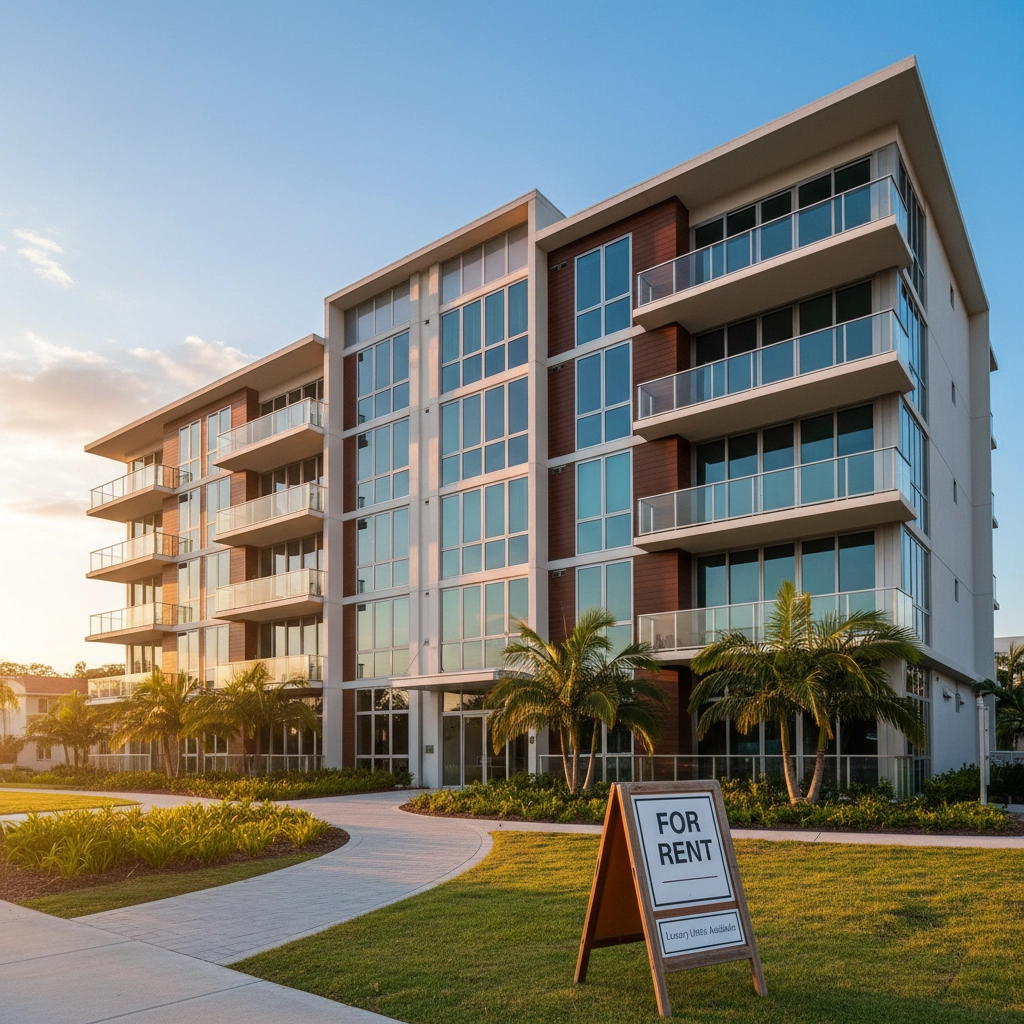
Essential Coverage Components
Dwelling Protection Dwelling coverage protects the physical structure of your rental unit including walls, floors, ceilings, built-in appliances, and permanently installed fixtures. This protection extends to cabinets, countertops, flooring materials, and interior improvements you have made to the unit.
Coverage applies when covered perils such as fire, windstorm, hail, lightning, or vandalism damage your rental property. The policy responds to repair or replace damaged property up to the coverage limits you select.
Personal Property Coverage Personal property protection covers items you own within the rental unit such as appliances you provide, furniture in furnished rentals, maintenance equipment, and decorating materials. This coverage does not protect tenant belongings, which require separate renters insurance.
Property owners can adjust personal property limits based on the value of items they maintain in rental units. Furnished rentals typically require higher personal property limits than unfurnished units.
Liability Protection Liability coverage protects property owners when tenants or visitors suffer injuries on rental property. This protection responds to medical expenses, legal fees, and settlement costs when accidents occur due to property conditions or maintenance issues.
Common liability claims include slip and fall accidents, injuries from structural problems, or accidents involving property amenities. Liability coverage also protects against claims related to discrimination allegations or wrongful eviction lawsuits.
Loss of Rental Income Loss of rental income coverage reimburses property owners for lost rental payments when covered perils make units uninhabitable. This protection maintains cash flow during repair periods and helps property owners meet mortgage obligations and other expenses.
Coverage typically applies until repairs are completed or tenants can return to the unit. Policy terms specify the maximum period for loss of rental income benefits, commonly ranging from six to twelve months.
Condo-Specific Insurance Considerations
Condominium properties involve shared ownership structures that affect insurance coverage arrangements. Condo associations maintain master policies covering building exteriors, common areas, and shared property elements.
Individual unit owners must coordinate their landlord insurance with association master policies to avoid coverage gaps. Understanding master policy terms helps determine appropriate coverage limits for individual unit policies.
Master Policy Coordination Association master policies typically cover building structures up to the original specifications. Unit owners remain responsible for interior improvements, upgrades, and betterments they install beyond original construction standards.
Landlord insurance for condos focuses on interior protection including flooring upgrades, kitchen improvements, bathroom renovations, and custom installations. Coverage extends to personal property and liability exposures not addressed by association policies.
Assessment Coverage Special assessments occur when associations require unit owners to contribute toward major repairs, improvements, or legal settlements. Assessment coverage helps protect property owners from unexpected financial obligations related to association decisions.
This optional coverage pays your share of covered assessments up to policy limits. Property owners should evaluate their association's financial stability and reserve funding when determining assessment coverage needs.
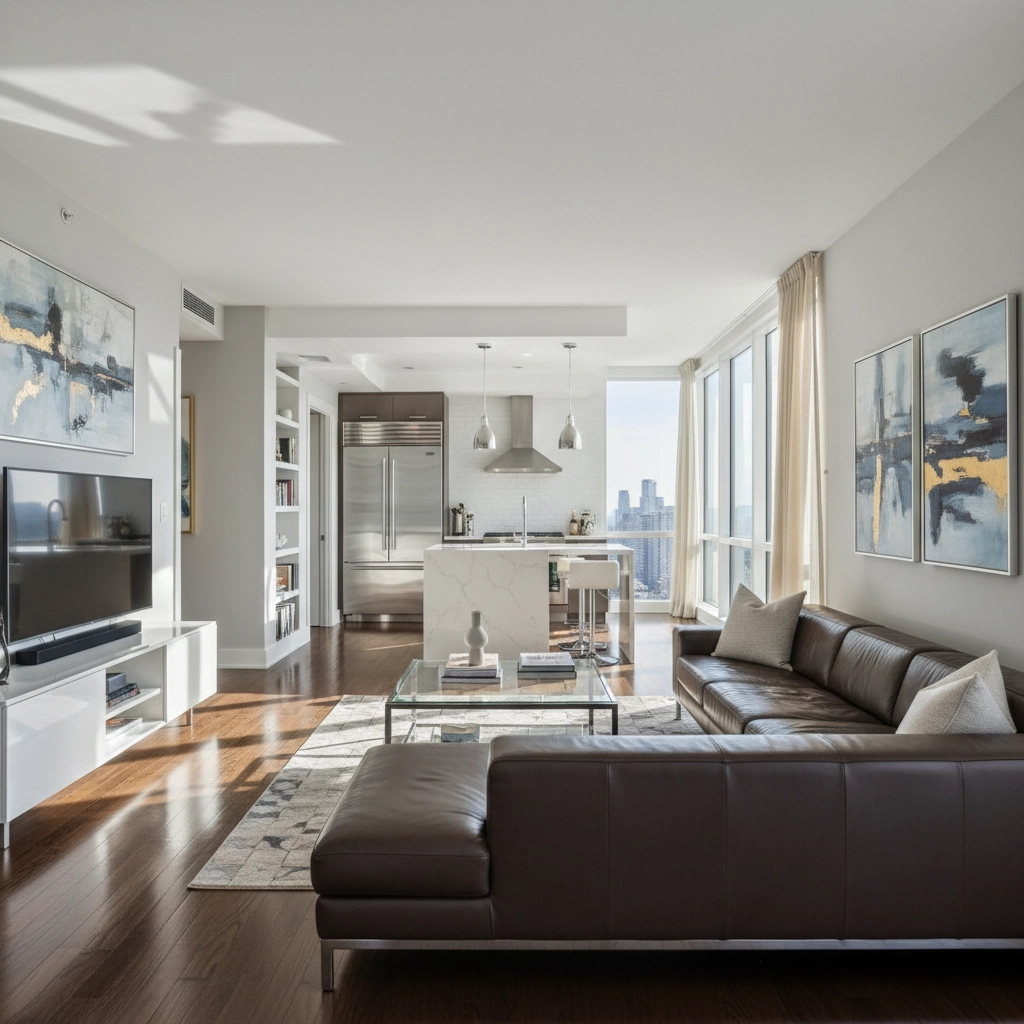
Required vs Optional Coverages
Mandatory Coverages Mortgage lenders typically require landlord insurance when properties are financed. Lender requirements focus on dwelling protection sufficient to cover outstanding loan balances and liability coverage meeting minimum standards.
Condo associations may establish insurance requirements for rental units through governing documents or rental policies. These requirements often specify minimum liability limits and may require additional endorsements.
Optional Enhancements Building code upgrade coverage pays additional reconstruction costs when local codes require upgrades during repairs. This protection helps address situations where current building standards exceed original construction specifications.
Equipment breakdown coverage protects against mechanical failures of heating, cooling, and electrical systems. This coverage addresses repair or replacement needs when equipment fails due to mechanical breakdown rather than covered perils.
Water backup coverage provides protection against damages from sewer or drain backups. Standard policies typically exclude these water damages, making this endorsement valuable for properties in areas prone to drainage issues.
Risk Management Strategies
Effective risk management reduces claim frequency and helps maintain favorable insurance standing. Property owners should implement preventive maintenance programs and document all maintenance activities.
Tenant Screening Thorough tenant screening helps identify reliable renters who are less likely to cause property damage or create liability exposures. Screening should include credit checks, employment verification, rental history review, and criminal background checks.
Clear lease agreements should specify tenant responsibilities for property care, maintenance reporting, and compliance with safety regulations. Written documentation protects both parties and helps resolve disputes.
Property Maintenance Regular maintenance inspections help identify potential problems before they create insurance claims. Focus areas include plumbing systems, electrical components, heating and cooling equipment, and safety devices.
Document all maintenance activities and repairs to demonstrate proper property care. This documentation supports insurance claims and helps defend against liability allegations.
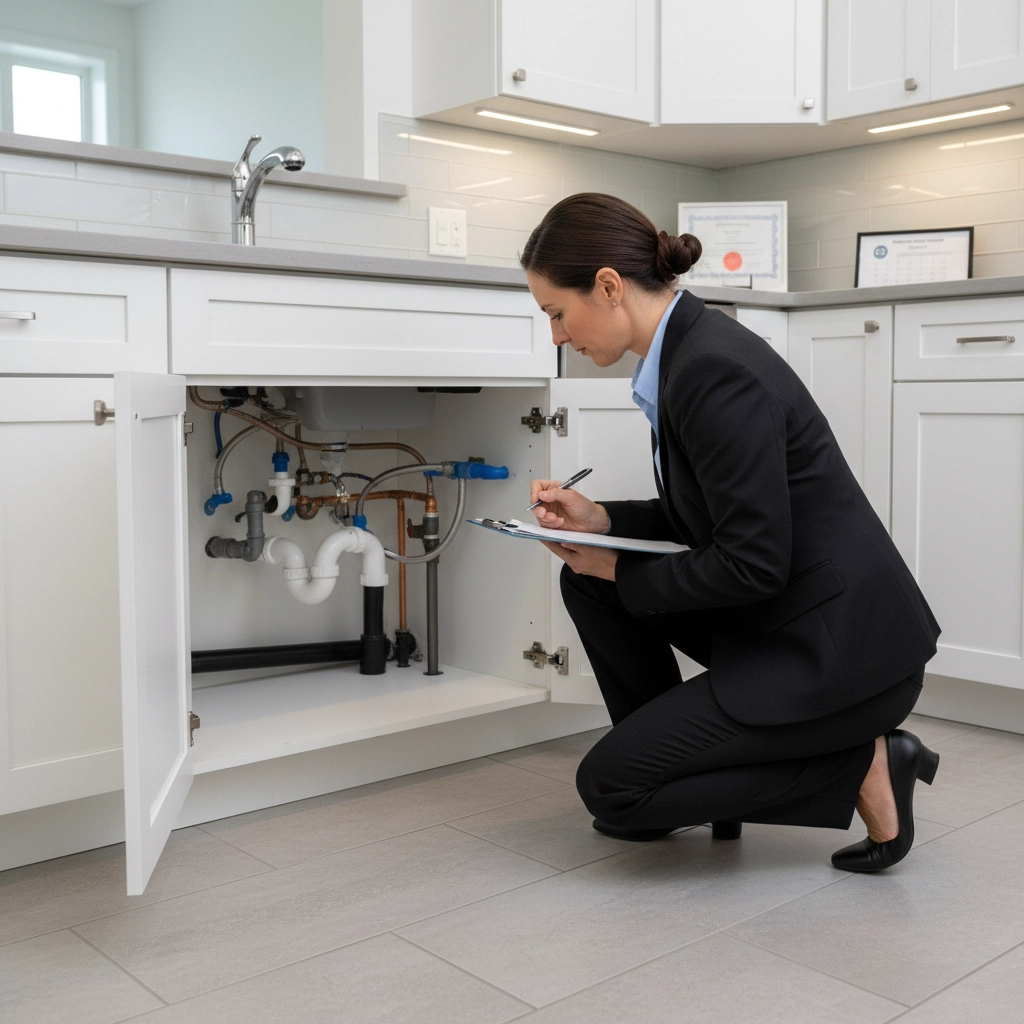
Emergency Procedures Establish clear procedures for tenants to report emergencies and maintenance issues. Provide tenants with contact information for after-hours emergencies and preferred contractors for urgent repairs.
Quick response to maintenance issues prevents minor problems from developing into major damages. Prompt attention to tenant concerns also helps maintain positive relationships and reduce turnover.
Claims Process Understanding
Understanding the claims process helps property owners respond effectively when losses occur. Prompt reporting and proper documentation support successful claim resolution.
Immediate Actions Contact your insurance company immediately when covered losses occur. Most insurers provide 24-hour claim reporting services to initiate the claims process quickly.
Document damage thoroughly with photographs and written descriptions. Preserve damaged items when possible and avoid making permanent repairs until insurance adjusters complete their evaluations.
Working with Adjusters Insurance adjusters evaluate damages and determine coverage applicability under policy terms. Provide adjusters with complete documentation including maintenance records, receipts, and improvement documentation.
Understand your policy terms and coverage limits before meeting with adjusters. Ask questions about coverage decisions and request written explanations for any coverage limitations or exclusions.
Temporary Repairs Make necessary temporary repairs to prevent additional damages while awaiting permanent repairs. Document temporary repair expenses and retain receipts for reimbursement consideration.
Coordinate with tenants regarding temporary housing arrangements when units become uninhabitable. Clear communication helps maintain tenant relationships during the recovery process.
Working with Insurance Professionals
Insurance professionals help property owners navigate complex coverage requirements and ensure adequate protection for rental investments. Regular policy reviews help maintain appropriate coverage as property values and rental markets change.
Professional guidance becomes particularly valuable when managing multiple rental properties or dealing with unique property characteristics. Experienced agents understand landlord insurance requirements and can recommend appropriate coverage enhancements.
Insurance Alliance LLC provides comprehensive landlord insurance solutions for property owners throughout Florida, Texas, Arizona, Idaho, and Washington. Our experienced team helps property owners understand coverage options and develop protection strategies that address their specific rental property risks.
Contact our professionals to review your condo rental insurance needs and ensure your investment receives proper protection. We provide personalized guidance to help you make informed insurance decisions that support your property investment goals.
Comments