
Condo Rental Insurance for Landlords: Coverage Explained
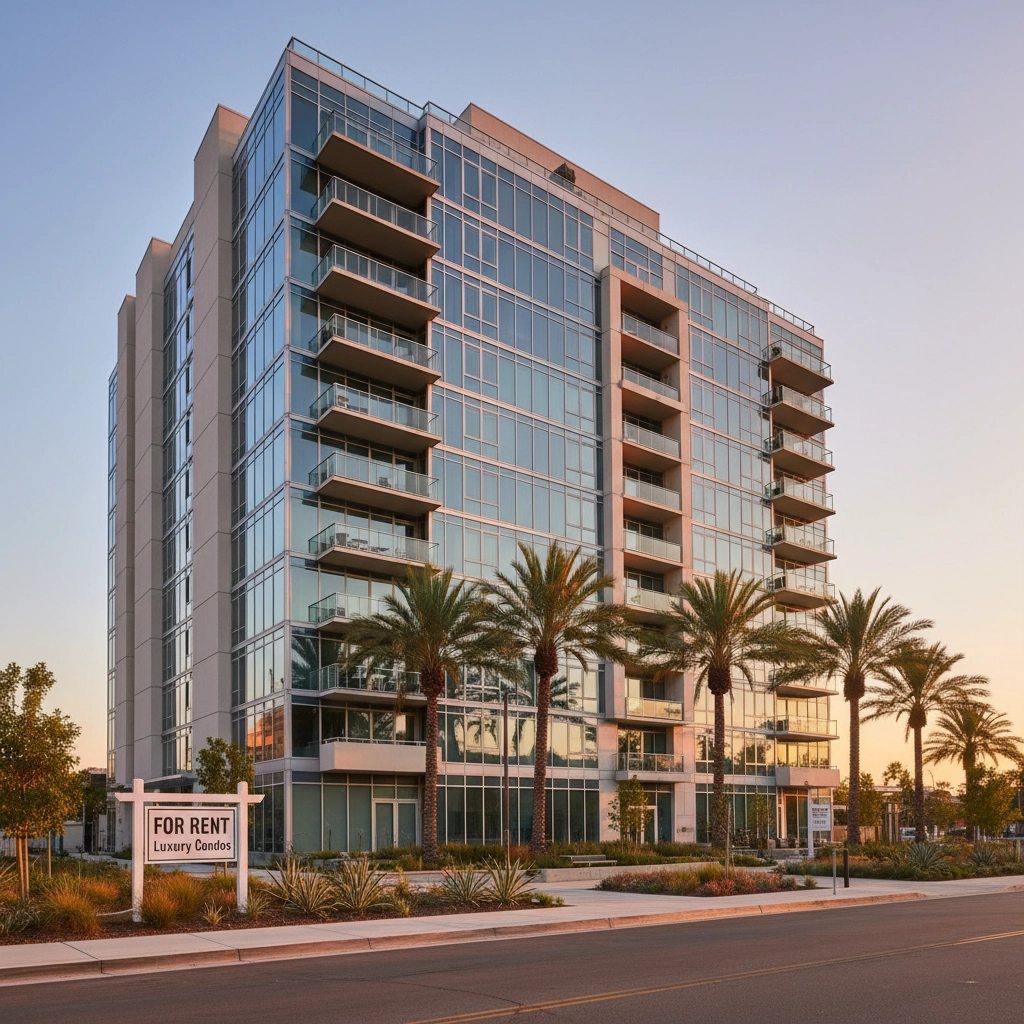
Condo rental insurance provides essential protection for landlords who rent out condominium units to tenants. This specialized coverage addresses unique risks that standard homeowners insurance cannot adequately protect against when you transition from owner-occupied to rental property status.
Understanding Condo Rental Insurance vs. Standard Policies
Standard homeowners insurance policies exclude coverage for rental activities or impose significant restrictions on landlord operations. When insurers discover undisclosed rental activity, they can deny entire claims, leaving property owners financially exposed during critical situations.
Your tenant's renters insurance protects only their personal belongings and personal liability. This coverage provides no protection for your investment in the property structure, fixtures, or your liability as the property owner.
Condo rental insurance bridges this coverage gap by specifically addressing landlord-tenant business relationships and the associated risks of managing rental properties.
Core Coverage Components
Dwelling Protection
Dwelling coverage protects the interior structure of your condominium unit, including walls, floors, built-in cabinets, and permanently installed fixtures. This protection covers damage from fire, storms, vandalism, and other covered perils specific to the unit's interior.
The condo association's master policy typically covers building exteriors and common areas. Your dwelling coverage complements this by protecting the portions of the property you own and maintain.
Liability Coverage
Liability protection covers legal defense costs and damages when tenants or their guests sustain injuries on your property and hold you legally responsible. This coverage extends to incidents occurring within your rental unit and immediate property areas under your control.
Landlords face unique liability exposure from tenant-related incidents, maintenance issues, and property condition claims. Adequate liability limits protect your personal assets from potential lawsuits.
Loss of Rental Income
Loss of rental income coverage reimburses lost rent when your unit becomes uninhabitable due to covered damage. This protection maintains your investment income stream while repairs restore the property to rentable condition.
Coverage typically includes additional living expenses you incur to secure temporary housing for displaced tenants, depending on your policy terms and local regulations.
Personal Property Coverage
Personal property coverage protects appliances, furniture, maintenance equipment, and other items you provide for tenant use. This includes refrigerators, washers, dryers, and any furnishings remaining in the rental unit.
Coverage applies specifically to landlord-owned property, not tenant belongings, which remain the tenant's responsibility to insure separately.
Additional Coverage Options
Ordinance or Law Coverage
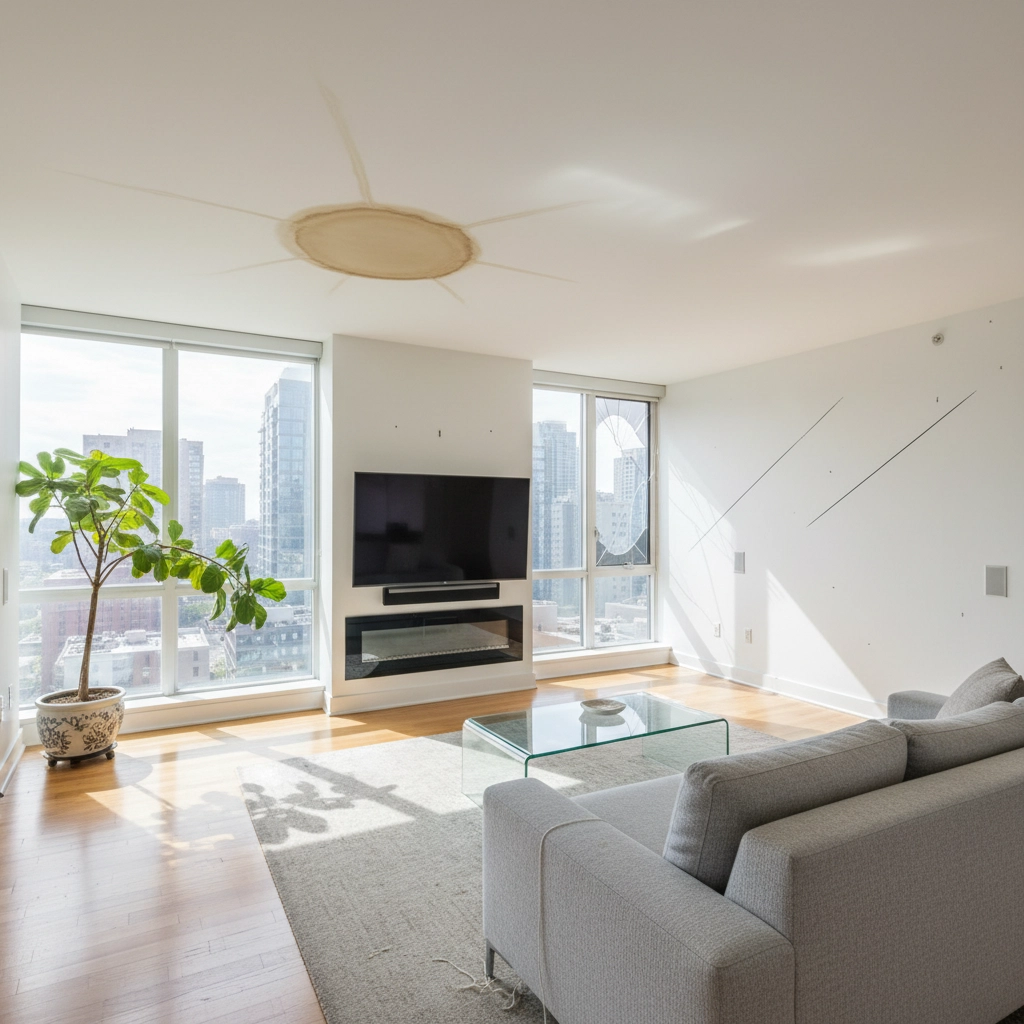
Ordinance or law coverage pays for additional costs to bring damaged property up to current building codes during repairs or reconstruction. Building codes frequently change, and older condominiums may require expensive upgrades when damage occurs.
Equipment Breakdown
Equipment breakdown coverage protects against sudden mechanical or electrical failure of covered systems like HVAC units, water heaters, and built-in appliances. Standard policies typically exclude these failures unless caused by covered perils.
Vandalism and Malicious Mischief
Enhanced vandalism coverage protects against intentional damage caused by tenants or third parties. This coverage becomes particularly valuable when dealing with problem tenants or properties in higher-risk areas.
Coverage Exclusions and Limitations
Normal Wear and Tear
Condo rental insurance excludes damage from normal wear and tear, which landlords must address through regular maintenance and capital improvements. Gradual deterioration, aging systems, and cosmetic issues require landlord funding rather than insurance claims.
Tenant Negligence
While policies may cover damage resulting from tenant negligence, recovery typically comes through tenant liability or separate legal action rather than direct insurance payment.
Flood and Earthquake
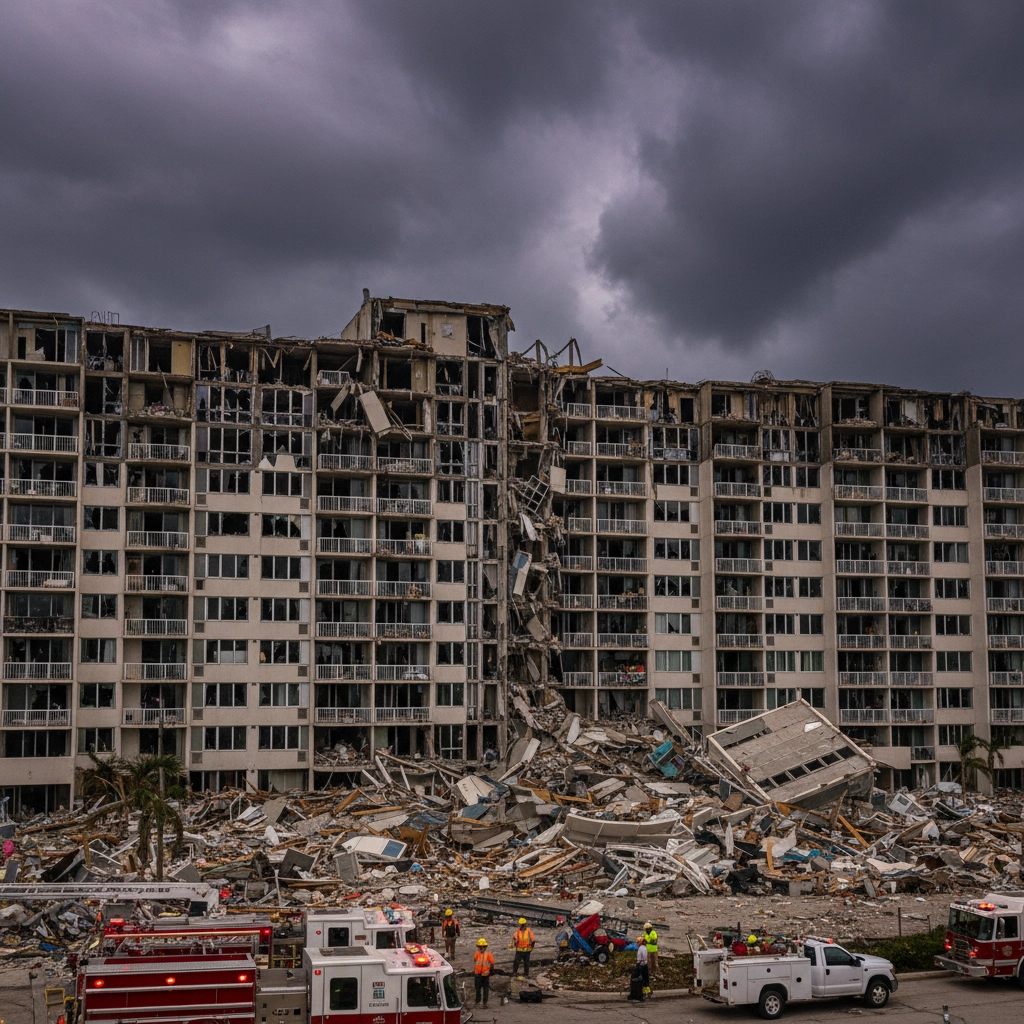
Standard policies exclude flood and earthquake damage. Landlords in Florida, Texas, Arizona, Idaho, and Washington should evaluate separate flood and earthquake coverage based on regional risk factors.
State-Specific Considerations
Florida Considerations
Florida landlords must navigate hurricane and flood risks that significantly impact condo rental insurance needs. Windstorm coverage becomes essential, and separate flood insurance protects against storm surge and rising water damage.
Florida's high humidity and severe weather patterns increase claims frequency, making comprehensive coverage particularly important for maintaining rental income.
Texas Requirements
Texas landlords benefit from strong property rights laws but face tornado, hail, and flood risks across different regions. Wind and hail coverage protects against common weather-related damage.
Urban markets like Dallas, Houston, and Austin present different risk profiles than rural areas, affecting coverage needs and premium calculations.
Arizona Considerations
Arizona's dry climate reduces certain risks but increases fire danger and creates unique challenges like dust storm damage. Monsoon seasons bring sudden flooding risks despite the generally arid environment.
Property values in Arizona markets require adequate dwelling coverage limits to match reconstruction costs in case of total loss.
Idaho and Washington Factors
Idaho and Washington landlords must consider earthquake risks, particularly in western regions near fault lines. Winter weather creates ice dam and freezing pipe risks that require specific coverage attention.
These states' growing rental markets increase competition and tenant expectations, making property protection increasingly important for maintaining competitive rental units.
Best Practices for Condo Rental Protection
Regular Property Inspections
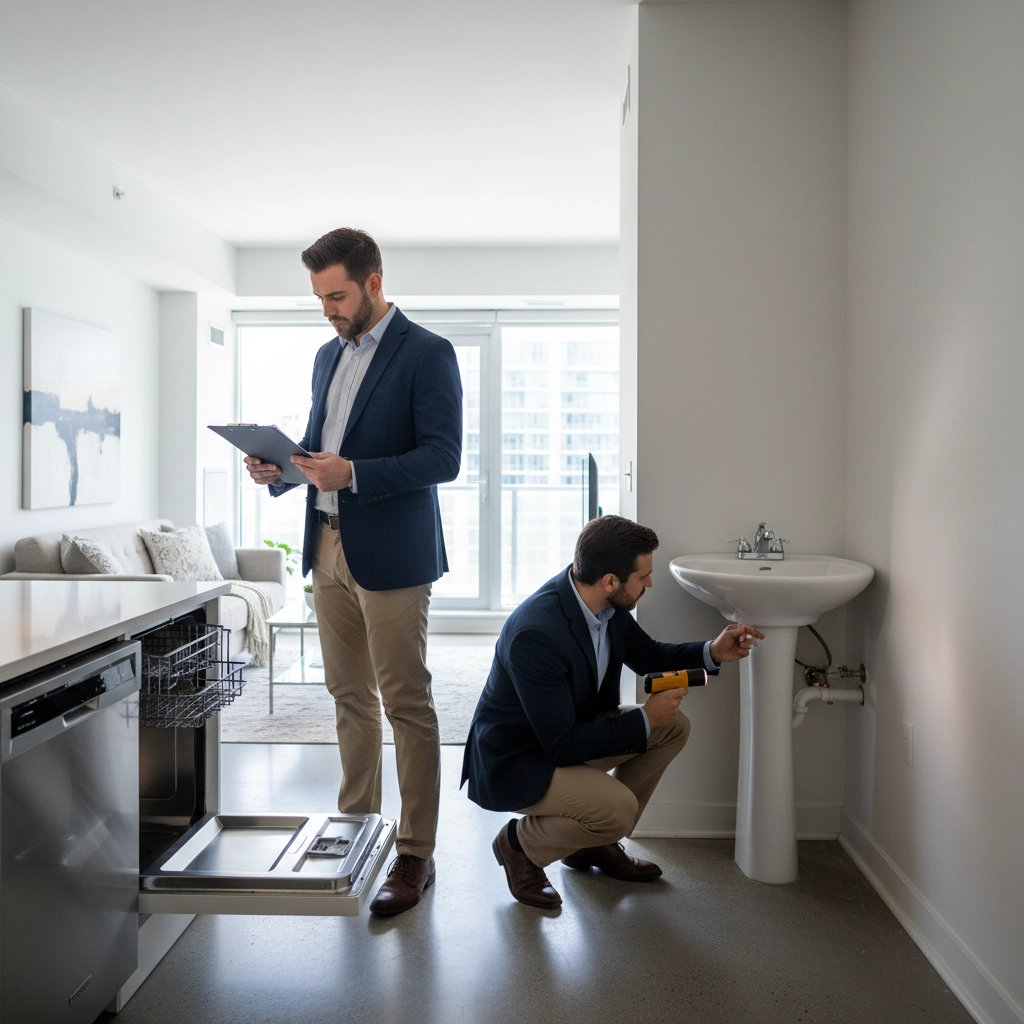
Conduct quarterly property inspections to identify maintenance issues before they become insurance claims. Document property conditions with photographs and maintain repair records for insurance purposes.
Early detection of problems like plumbing leaks, electrical issues, or HVAC problems prevents minor issues from becoming major damage events.
Tenant Screening and Communication
Implement thorough tenant screening processes to reduce risk of property damage and liability claims. Require renters insurance and verify coverage remains active throughout lease terms.
Establish clear communication channels for maintenance requests and emergency situations to address problems quickly.
Adequate Coverage Limits
Review dwelling coverage limits annually to ensure they reflect current reconstruction costs. Property values and construction costs change, requiring coverage adjustments to maintain adequate protection.
Liability limits should reflect your personal asset exposure and local market conditions where lawsuits occur.
Documentation and Record Keeping
Maintain detailed records of property improvements, maintenance expenses, and tenant interactions. This documentation supports insurance claims and provides evidence of proper property management.
Photograph property conditions before tenant occupancy and after lease termination to document any changes or damage.
Working with Insurance Professionals
Insurance Alliance LLC provides specialized expertise in condo rental insurance across Florida, Texas, Arizona, Idaho, and Washington. Our team understands regional risk factors and regulatory requirements affecting landlord insurance needs.
We help landlords evaluate coverage options, determine appropriate limits, and structure policies that protect both current income and long-term investment value. Contact our professionals to review your condo rental insurance needs and ensure comprehensive protection for your rental property investments.
Professional guidance becomes particularly valuable when managing multiple properties, dealing with complex ownership structures, or operating in markets with changing regulations affecting landlord responsibilities.


Comments