
Commercial Property Insurance for Professional Offices: Key Considerations by State
Professional office properties face unique insurance challenges that vary significantly across states. Commercial property insurance protects your office building, equipment, and business operations against property damage, liability claims, and unexpected interruptions. Understanding state-specific requirements and regional risks helps you secure comprehensive coverage that meets your professional office needs.
Essential Coverage Types for Professional Office Properties
Professional offices require multiple insurance coverage types to protect against diverse risks. Building structure coverage protects the physical office structure including walls, roof, foundation, and attached fixtures. This coverage becomes critical when fire, storm damage, or other covered perils damage your office building.
Contents coverage protects office equipment, furniture, computers, and business documents. Professional offices typically house expensive technology and important client files that require adequate protection. Business personal property coverage extends to tenant improvements and betterments you've made to leased office spaces.

Liability protection addresses legal expenses and damages when injuries occur on your office property. Professional offices experience high foot traffic from clients, vendors, and employees, creating elevated liability exposure. General liability coverage handles slip-and-fall accidents, while professional liability insurance protects against errors and omissions in your professional services.
Business interruption insurance provides income replacement when covered events make your office uninhabitable. This coverage pays for lost revenue and continuing expenses during the restoration period, helping your professional practice maintain financial stability.
State-Specific Requirements and Considerations
Florida Professional Office Insurance
Florida professional offices face hurricane, tropical storm, and flood risks that significantly impact insurance requirements. Commercial property insurance in Florida operates under Basic form covering 11 specific perils, Broad form adding 6 additional perils, or Special form providing comprehensive "all risk" coverage.
Florida insurers require thorough flood risk assessments, even for properties outside FEMA-designated flood zones. Hurricane deductibles apply separately from standard deductibles, often calculated as a percentage of your building's insured value. Wind and hail coverage requires specific endorsements in many Florida markets.
Florida professional offices must consider business interruption coverage for hurricane season evacuations and extended power outages. The state's insurance market emphasizes conducting comprehensive insurance audits to identify coverage gaps before claims occur.
Texas Commercial Property Considerations
Texas professional offices encounter hail damage, tornado risks, and extreme weather events that influence coverage needs. The state's diverse climate zones create varying risk profiles from coastal hurricane exposure to inland severe storm risks.
Texas insurers often require specific wind and hail endorsements for office properties. Tornado coverage becomes essential for offices located in high-risk corridors. Professional offices in Texas benefit from comprehensive property coverage that addresses both building damage and extended business interruption periods.

Arizona Office Insurance Requirements
Arizona professional offices face unique risks from extreme heat, monsoon storms, and flash flooding in desert regions. Commercial property insurance in Arizona must address HVAC system failures during extreme temperature periods and potential water damage from sudden monsoon storms.
Desert environments create specific challenges for office properties including UV damage to roofing materials and building exteriors. Professional offices in Arizona require coverage for temperature-related equipment failures and potential flood damage in low-lying areas.
Idaho Professional Office Coverage
Idaho professional offices need coverage for winter weather risks, including snow load damage, ice dams, and frozen pipe incidents. The state's mountainous regions create varied risk profiles requiring localized coverage approaches.
Professional offices in Idaho benefit from comprehensive building coverage that addresses seasonal weather patterns and potential earthquake exposure in certain regions. Business interruption coverage becomes important for weather-related closures during severe winter storms.
Washington State Office Insurance
Washington professional offices require earthquake coverage and protection against Pacific Northwest weather patterns. The state's seismic activity creates specific insurance considerations for office buildings, particularly older structures requiring retrofitting.
Professional offices in Washington face rain-related risks including roof leaks, water damage, and potential landslide exposure in hilly areas. Commercial property coverage must address both earthquake risks and extended weather-related business interruptions.
Property Valuation and Coverage Limits
Commercial property insurance rates depend on accurate property valuations and appropriate coverage limits. Insurance value reflects reconstruction costs rather than market value, accounting for current contractor costs to rebuild your office from the ground up.
Construction costs have increased significantly, making regular property valuations essential for adequate coverage. Professional offices require appraisals that consider specialized improvements, technology infrastructure, and tenant modifications that increase reconstruction expenses.
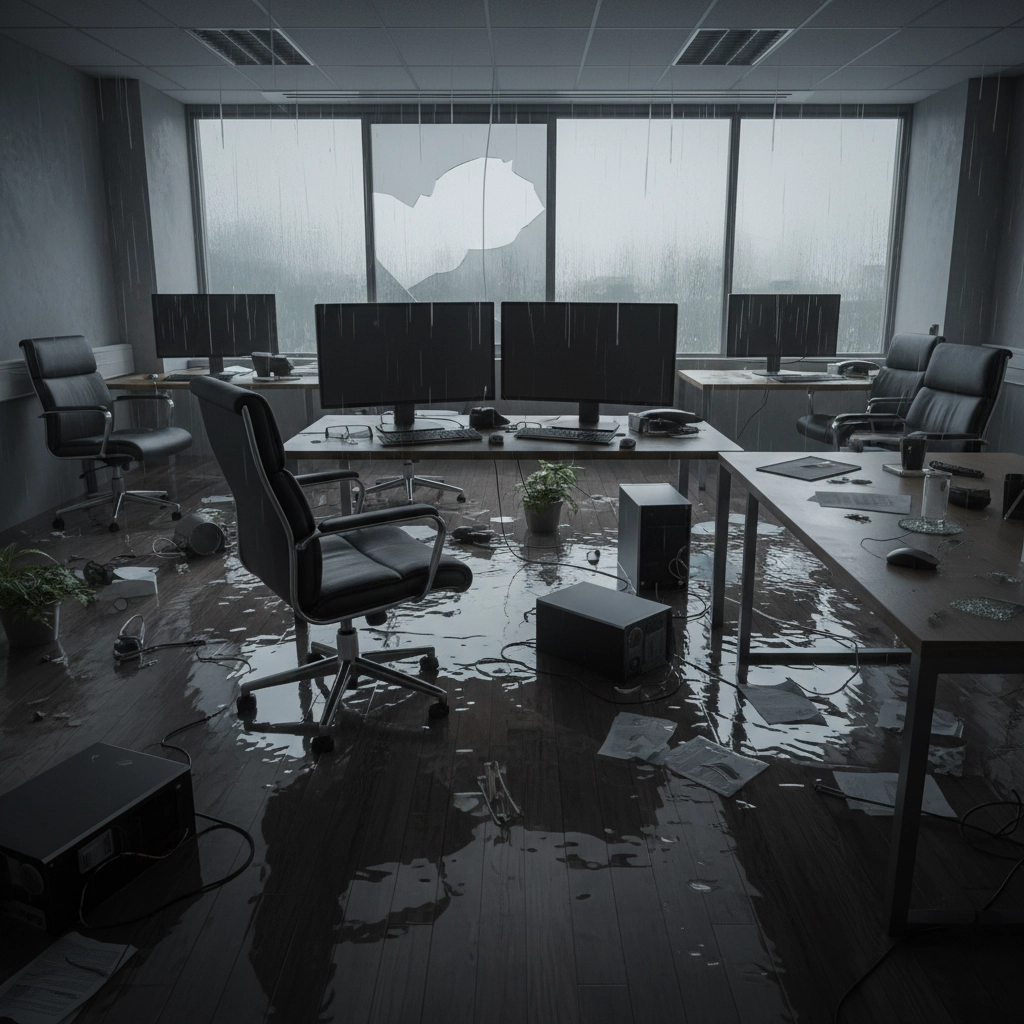
Coinsurance clauses require properties to be insured for specific percentages of their actual value to avoid claim penalties. Most commercial policies include 80% coinsurance requirements, meaning you must carry coverage equal to 80% of your property's full replacement value.
Understanding replacement cost versus actual cash value coverage affects claim settlements significantly. Replacement cost coverage pays current rebuilding expenses while actual cash value coverage deducts depreciation from claim payments.
Risk Assessment and Loss Prevention
Professional offices benefit from comprehensive risk assessments that identify potential exposures and loss prevention opportunities. Fire suppression systems, security measures, and maintenance programs can reduce insurance premiums while improving property protection.
Technology protection becomes crucial for professional offices housing sensitive client information and expensive computer systems. Cyber liability coverage complements property insurance by addressing data breaches and electronic asset protection.
Regular building maintenance and safety improvements demonstrate risk management efforts to insurance carriers. Professional offices implementing loss prevention measures often qualify for premium discounts and enhanced coverage options.
Claims Considerations and Documentation
Proper documentation supports efficient claims processing when losses occur. Professional offices should maintain detailed property inventories, including equipment serial numbers, purchase dates, and replacement values.
Photographing office interiors, equipment, and building conditions creates valuable documentation for potential claims. Digital records stored off-site ensure access to critical information when office properties suffer damage.
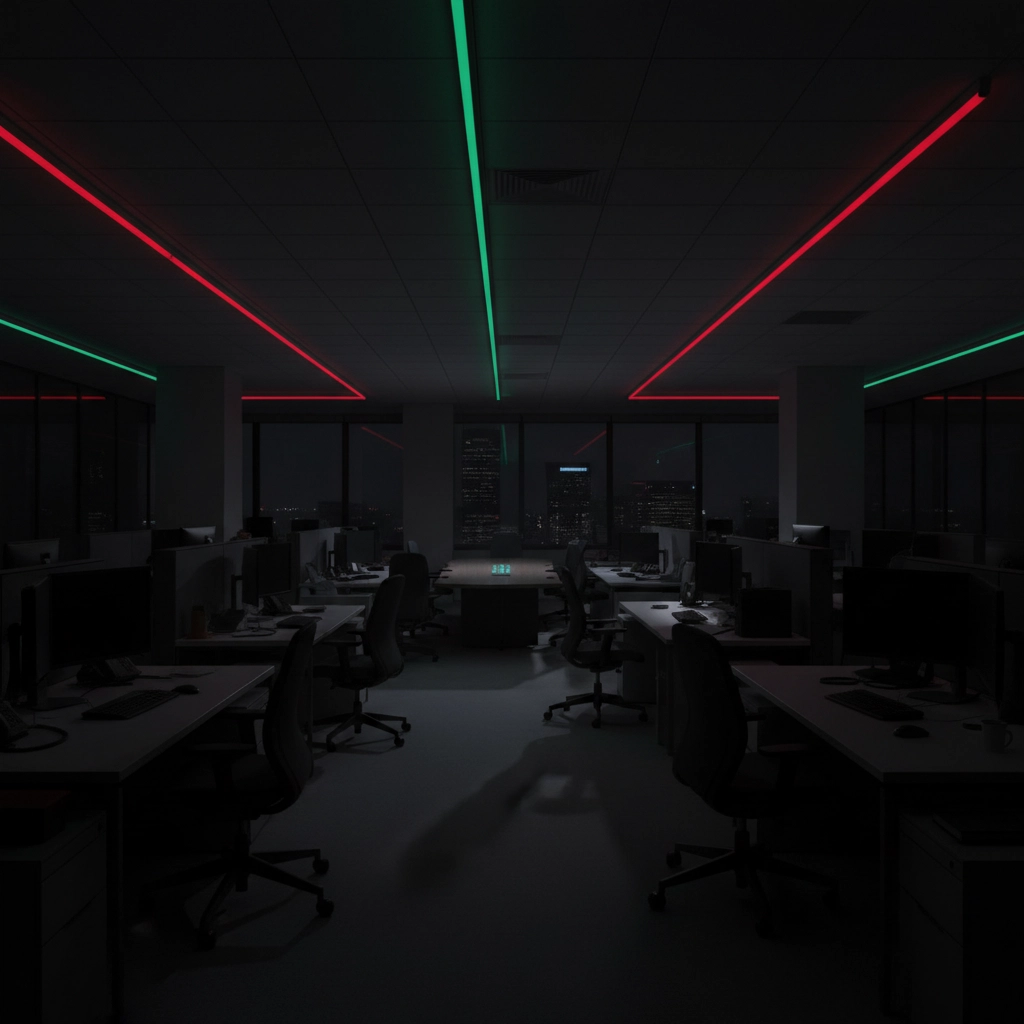
Business interruption claims require detailed financial records demonstrating lost income and continuing expenses. Professional offices benefit from maintaining organized financial documentation that supports business interruption calculations.
Selecting Appropriate Coverage Limits
Professional office insurance requires balancing adequate protection with reasonable premium costs. Coverage limits should reflect current property values, business income potential, and liability exposure levels.
Building coverage limits must account for current construction costs and any improvements made to the property. Contents limits should reflect actual equipment and furnishing values, including technology upgrades and specialized professional equipment.
Liability limits depend on your office's exposure level, considering client traffic, public access, and professional service risks. Professional offices typically require higher liability limits than standard commercial properties due to increased exposure.
Working with Insurance Professionals
Professional office insurance involves complex coverage decisions that benefit from expert guidance. Independent insurance agents can compare multiple carriers and coverage options to identify optimal solutions for your specific needs.
Insurance professionals help navigate state-specific requirements and ensure compliance with local regulations. They provide ongoing support for coverage reviews, claims assistance, and risk management recommendations.
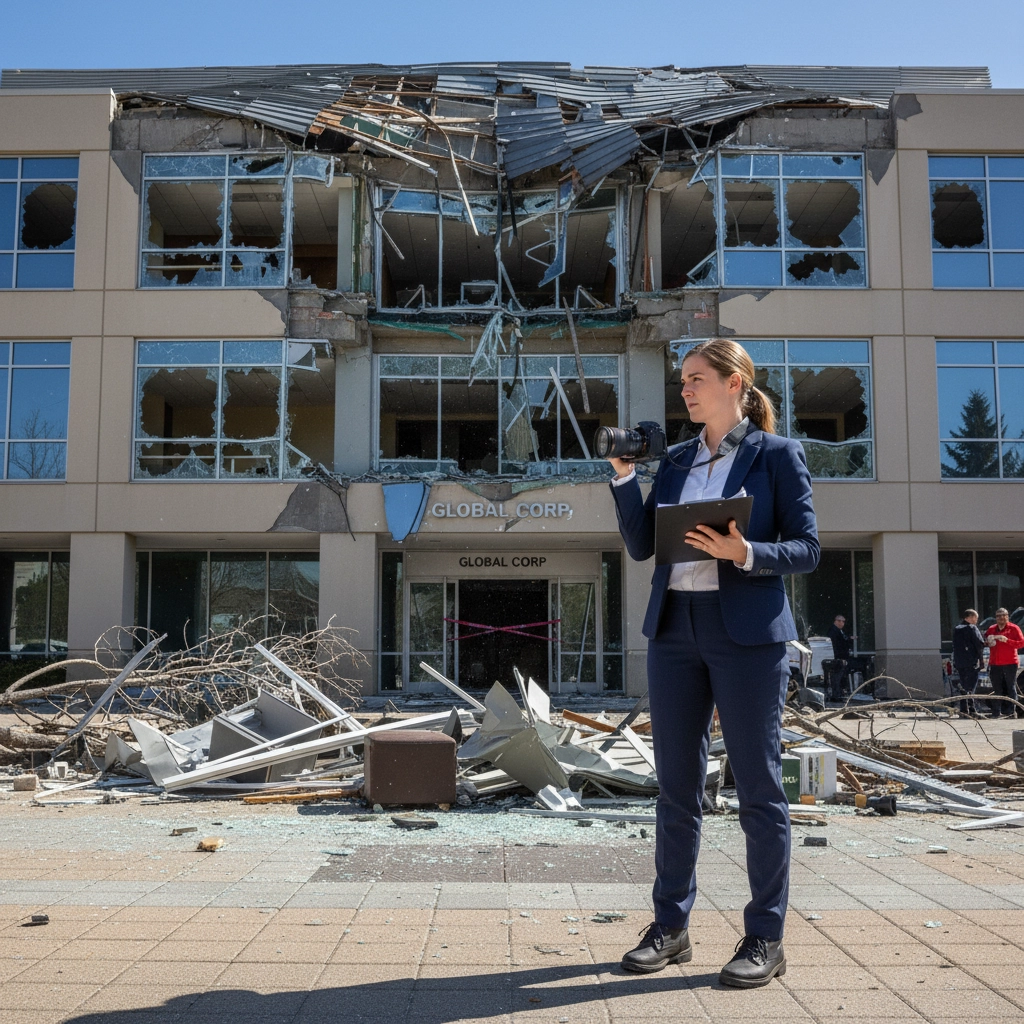
Specialized commercial insurance advisors understand professional office risks and can recommend appropriate coverage enhancements. Regular policy reviews ensure your coverage keeps pace with changing business needs and property values.
Professional offices across Florida, Texas, Arizona, Idaho, and Washington require tailored insurance approaches that address regional risks and state-specific requirements. Comprehensive commercial property insurance protects your office investment while supporting business continuity when unexpected events occur.
Insurance Alliance LLC provides expert guidance for professional office insurance needs across multiple states. Our experienced team helps identify coverage gaps and secure comprehensive protection that meets your specific business requirements. Contact us today to review your professional office insurance coverage and ensure adequate protection for your property and operations.


Comments