
Commercial Auto Insurance Secrets Revealed: What Washington Restaurant Delivery Operations Don't Want You to Know About Rising Costs
- marketing676641
- Jan 1
- 4 min read
Restaurant delivery operations face complex insurance requirements that extend far beyond basic commercial auto coverage. Understanding these requirements helps protect your business from significant liability exposure and ensures proper compliance with delivery platform policies.
Understanding Delivery Operation Insurance Requirements
Commercial auto insurance for delivery operations requires specific coverage types that address unique risks. Delivery drivers operate in a hybrid capacity, using personal vehicles for commercial purposes, which creates coverage gaps that standard personal auto policies cannot address.
Delivery operations must maintain primary commercial auto liability coverage that protects against third-party bodily injury and property damage claims. This coverage activates when drivers operate vehicles for business purposes, including traveling to restaurants, picking up orders, and delivering to customers.
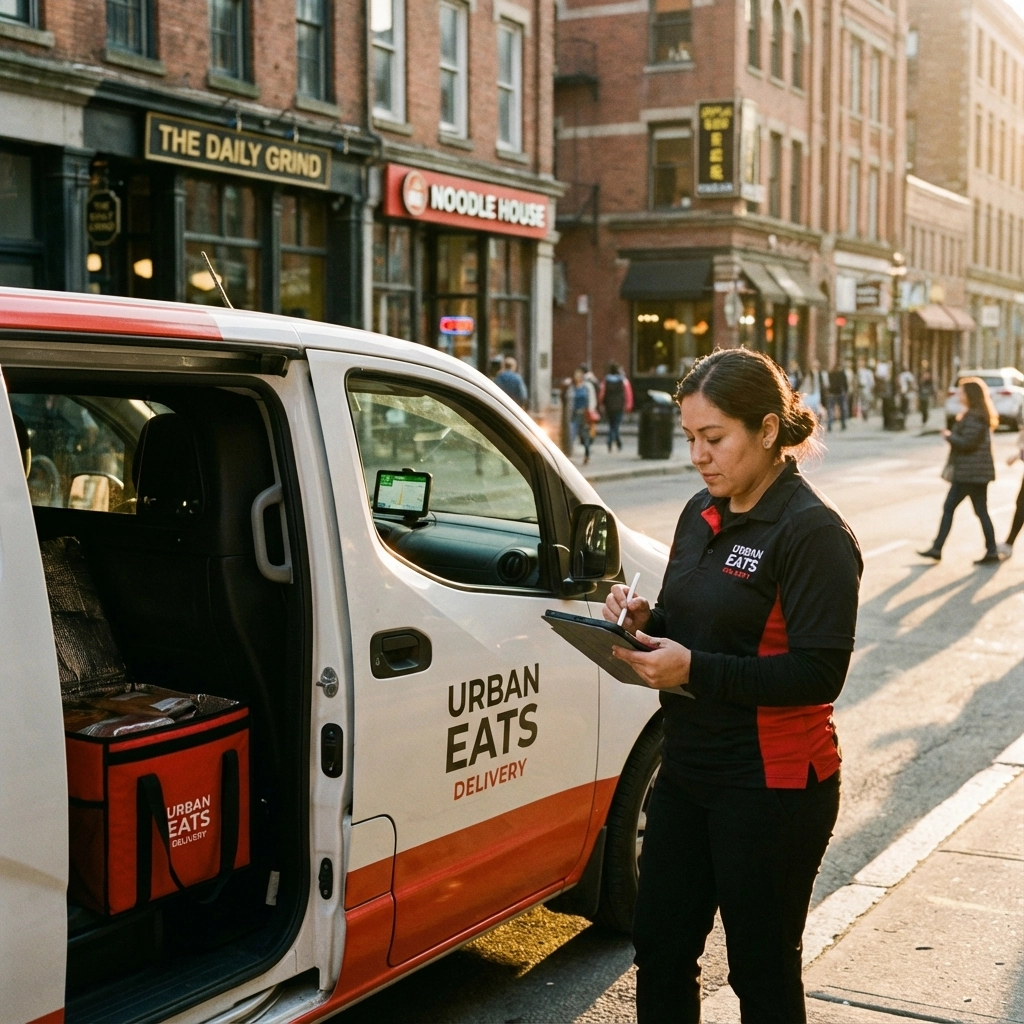
Most delivery platforms require drivers to maintain personal auto insurance that meets state minimum requirements. However, personal policies typically exclude coverage during commercial activities, creating potential gaps in protection that commercial coverage must address.
Professional liability coverage protects delivery operations against claims related to food safety, late deliveries, or customer service issues. This coverage addresses risks that standard commercial auto policies do not cover.
Coverage Gaps That Impact Delivery Operations
Personal auto insurance policies contain commercial use exclusions that void coverage when vehicles are used for business purposes. This exclusion applies regardless of whether drivers are actively delivering orders or simply logged into delivery apps.
Period coverage gaps occur during specific phases of delivery operations. These periods include when drivers are waiting for orders, traveling to pickup locations, and returning home after completing deliveries. Standard personal policies may not provide adequate protection during these periods.
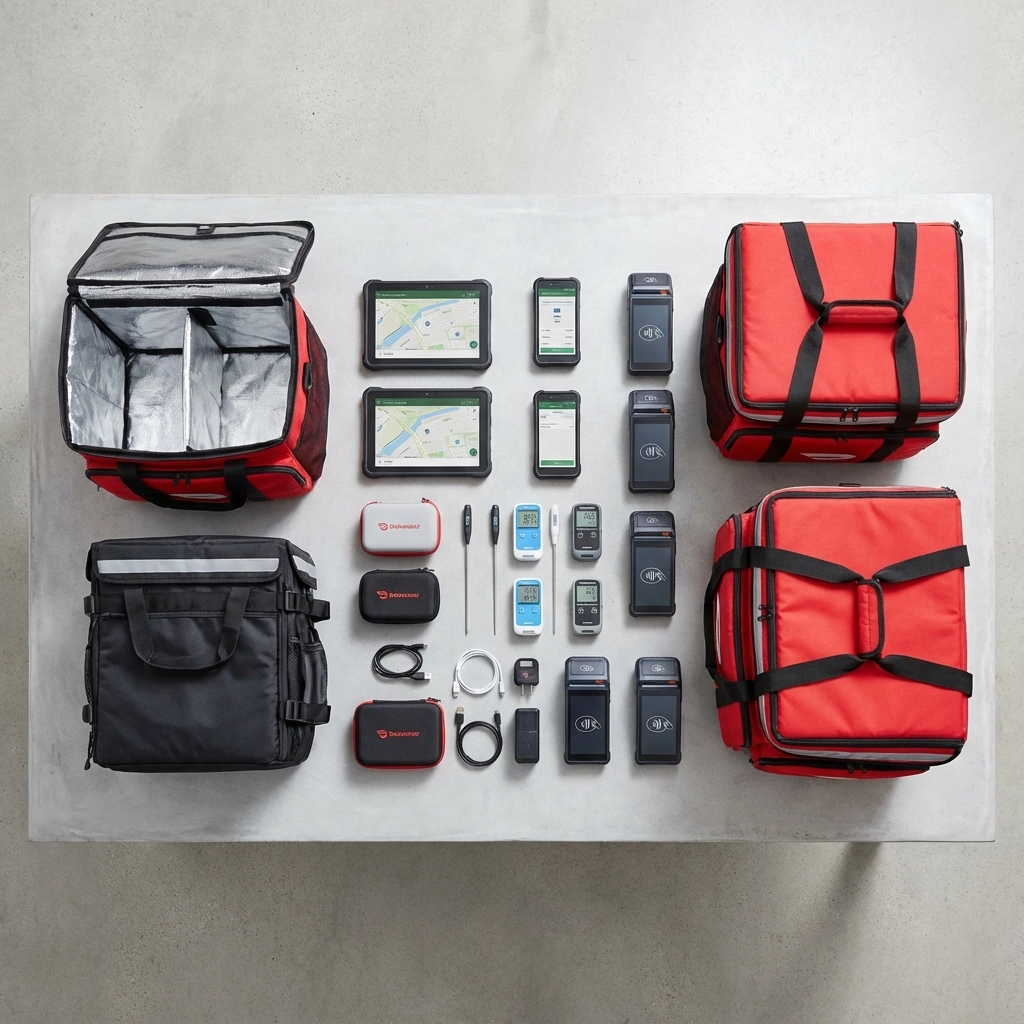
Vehicle modifications for delivery operations can affect coverage. Custom equipment such as food warming bags, GPS systems, and delivery signage may require additional coverage to protect against theft or damage.
Hired and non-owned auto liability becomes critical when delivery operations use vehicles not owned by the business. This coverage protects against liability claims involving employee-owned vehicles used for business purposes.
Essential Coverage Types for Delivery Operations
General liability insurance protects delivery operations against slip-and-fall claims, customer injuries, and property damage that occurs during deliveries. This coverage extends beyond vehicle-related incidents to address premises and operations risks.
Commercial umbrella insurance provides additional liability protection above underlying commercial auto and general liability limits. Umbrella coverage protects against catastrophic claims that could exceed primary policy limits.
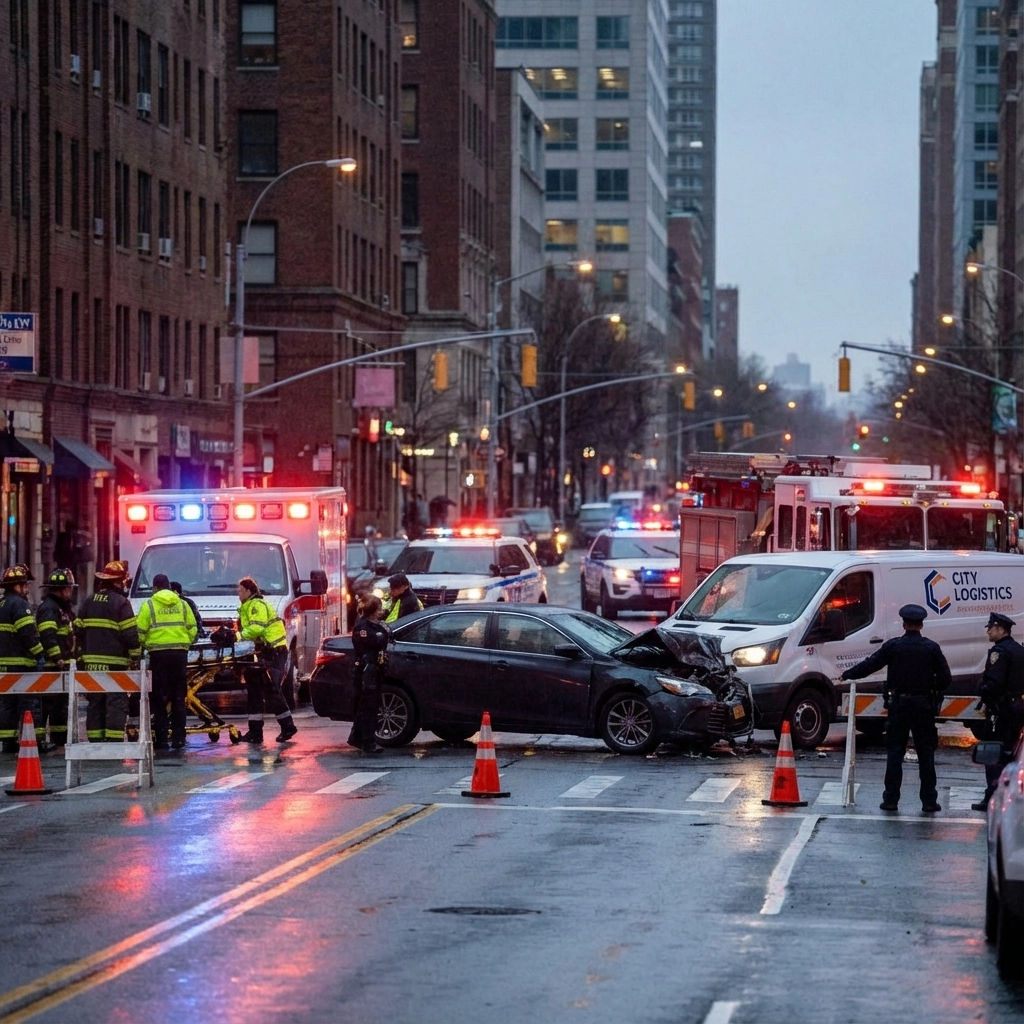
Workers compensation insurance becomes mandatory when delivery operations employ drivers rather than using independent contractors. This coverage protects against employee injuries that occur during delivery activities.
Cyber liability coverage addresses data breach risks associated with mobile ordering platforms, customer payment information, and delivery tracking systems. This coverage protects against claims related to data theft or privacy violations.
Commercial property insurance protects business equipment used in delivery operations, including delivery vehicles, mobile point-of-sale systems, and specialized delivery equipment.
Risk Management Strategies for Delivery Operations
Driver qualification programs help reduce liability exposure by ensuring delivery drivers meet specific standards. These programs typically include background checks, driving record reviews, and ongoing monitoring of driver performance.
Vehicle maintenance protocols protect against accidents caused by mechanical failures or equipment defects. Regular maintenance schedules help identify potential issues before they result in claims.
Safety training programs educate drivers about defensive driving techniques, customer interaction protocols, and emergency response procedures. Comprehensive training reduces the likelihood of accidents and liability claims.
Technology integration helps manage delivery operations while reducing risks. GPS tracking, route optimization, and real-time monitoring systems provide valuable data for risk management and claims investigation.
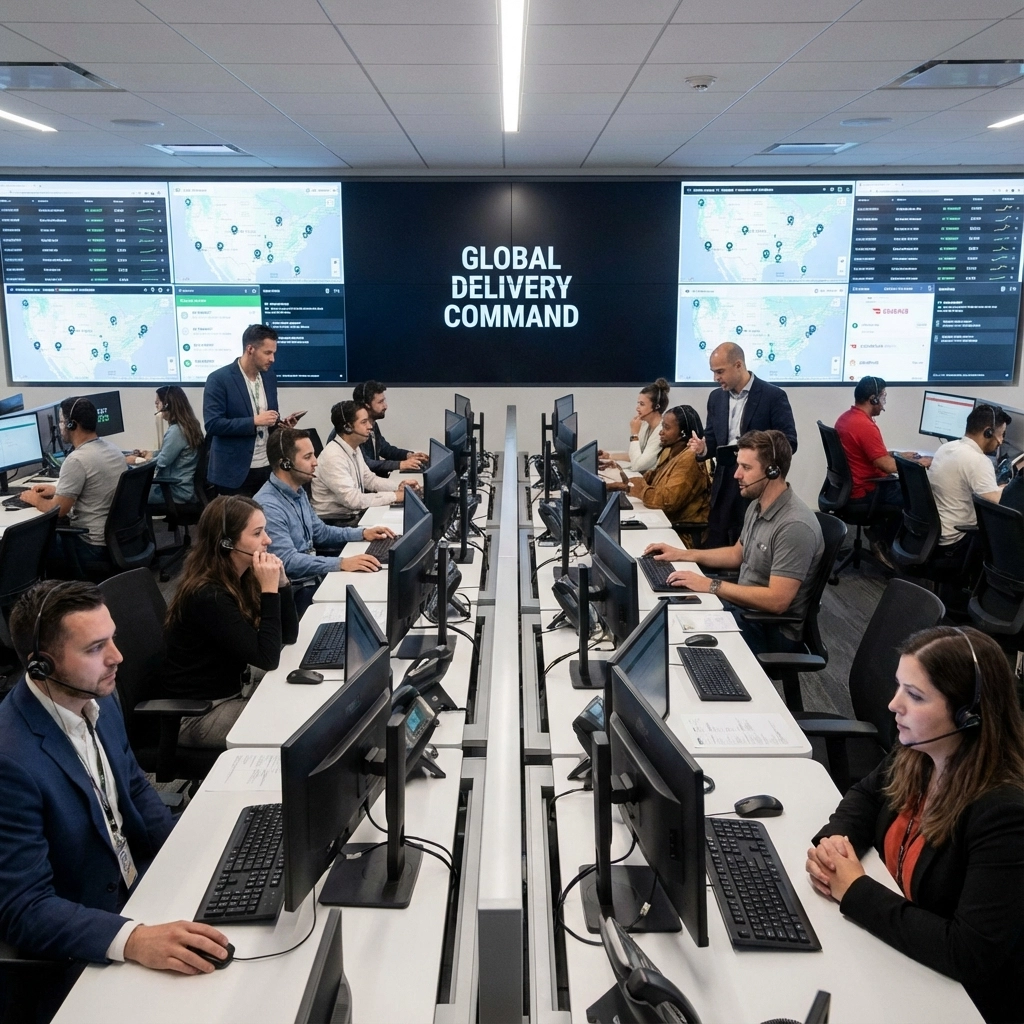
Documentation procedures ensure proper record-keeping for insurance purposes. Maintaining detailed records of driver qualifications, vehicle maintenance, and incident reports supports claims handling and risk management efforts.
Platform-Specific Coverage Considerations
Third-party delivery platforms provide varying levels of insurance protection that may supplement or conflict with commercial coverage. Understanding platform coverage helps identify gaps and avoid duplication of benefits.
Independent contractor classifications affect insurance requirements and coverage responsibilities. Operations using independent contractors must ensure proper coverage coordination between business policies and contractor coverage.
Multi-platform operations face additional complexity when drivers work for multiple delivery services. Coverage coordination becomes critical to ensure adequate protection across all platforms and activities.
Platform deactivation policies can affect coverage availability and business operations. Understanding these policies helps delivery operations maintain consistent coverage and avoid interruptions in service.
Compliance and Regulatory Considerations
Commercial vehicle registration requirements vary based on vehicle type, weight, and usage patterns. Delivery operations must ensure proper registration to maintain coverage validity and legal compliance.
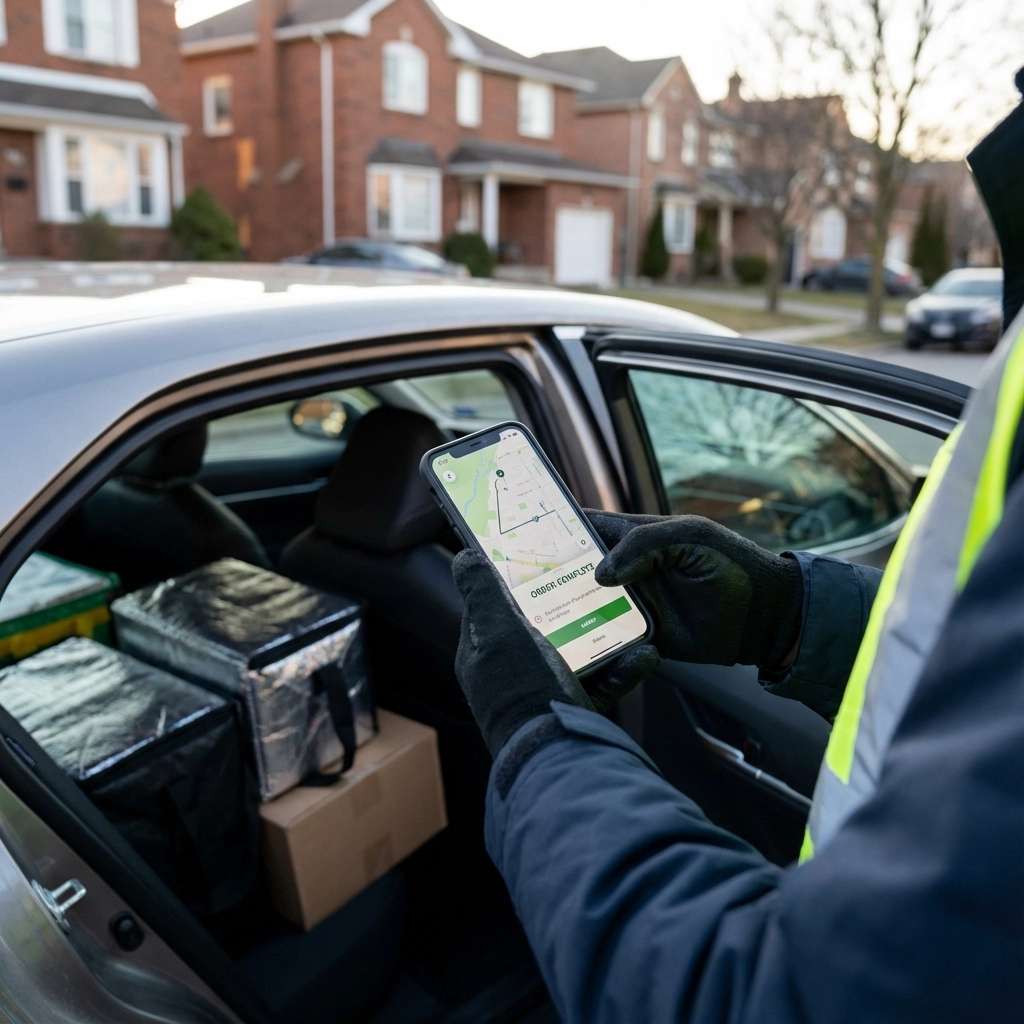
Department of Transportation regulations may apply to larger delivery operations or those using commercial-grade vehicles. Compliance with these regulations affects insurance requirements and coverage availability.
Business licensing requirements often include insurance mandates that exceed standard commercial auto coverage. Understanding these requirements helps ensure comprehensive protection and regulatory compliance.
Tax implications related to commercial vehicle use affect business operations and insurance classifications. Proper documentation of business use supports coverage classifications and compliance requirements.
Technology and Equipment Protection
Mobile technology used in delivery operations requires specialized coverage consideration. Smartphones, tablets, and GPS devices face unique risks including theft, damage, and data security issues.
Point-of-sale systems used for mobile transactions need protection against equipment failure and data breaches. This coverage addresses both physical equipment and electronic data risks.
Delivery bags, insulated containers, and specialized equipment represent significant investments that require proper protection. Equipment coverage ensures replacement capability for essential delivery tools.
Vehicle modifications and signage used for delivery operations may require additional coverage or policy endorsements. These modifications can affect vehicle values and replacement requirements.
Claims Management for Delivery Operations
Incident reporting procedures help ensure timely claims reporting and proper documentation. Clear protocols for drivers and management support effective claims handling and coverage protection.
Multi-party claims involving customers, third parties, and delivery platforms require careful coordination between insurance carriers. Understanding coverage responsibilities helps navigate complex claim scenarios.
Subrogation opportunities may exist when accidents involve multiple parties or platforms with overlapping coverage. Proper coordination helps recover costs and minimize claim impact.
Coverage coordination between multiple policies ensures maximum protection and appropriate claim handling. Understanding policy interactions helps optimize coverage benefits and minimize gaps.
Insurance Alliance LLC provides comprehensive commercial auto insurance solutions designed specifically for delivery operations. Our experienced team understands the unique risks facing restaurant delivery services and develops customized coverage programs that address specific operational needs.
Contact Insurance Alliance LLC to discuss your delivery operation insurance requirements and develop a comprehensive protection strategy that supports your business growth while managing liability exposure effectively.


Comments