
Commercial Auto Insurance: Protecting Your Business on the Road
Commercial auto insurance provides essential protection for businesses that use vehicles in their daily operations. Whether you operate a single company car or manage a fleet of delivery trucks, this coverage protects your business from financial losses related to vehicle accidents, theft, and other road-related incidents.
Unlike personal auto insurance, commercial policies are designed to handle the unique risks businesses face when vehicles are used for work purposes. These policies offer higher coverage limits and specialized protections that personal insurance simply cannot provide.
Who Needs Commercial Auto Insurance
Any business that owns, leases, or uses vehicles for work-related activities requires commercial auto insurance. This requirement applies across all states where Insurance Alliance LLC operates, including Florida, Texas, Arizona, Idaho, and Washington.
Businesses with Company-Owned Vehicles must carry commercial auto insurance for all vehicles registered under the business name. This includes cars, trucks, vans, and specialized vehicles used for business operations.
Service-Based Businesses that travel to client locations need this coverage. Contractors, consultants, repair technicians, and other mobile service providers rely on vehicles to reach customers and transport equipment.
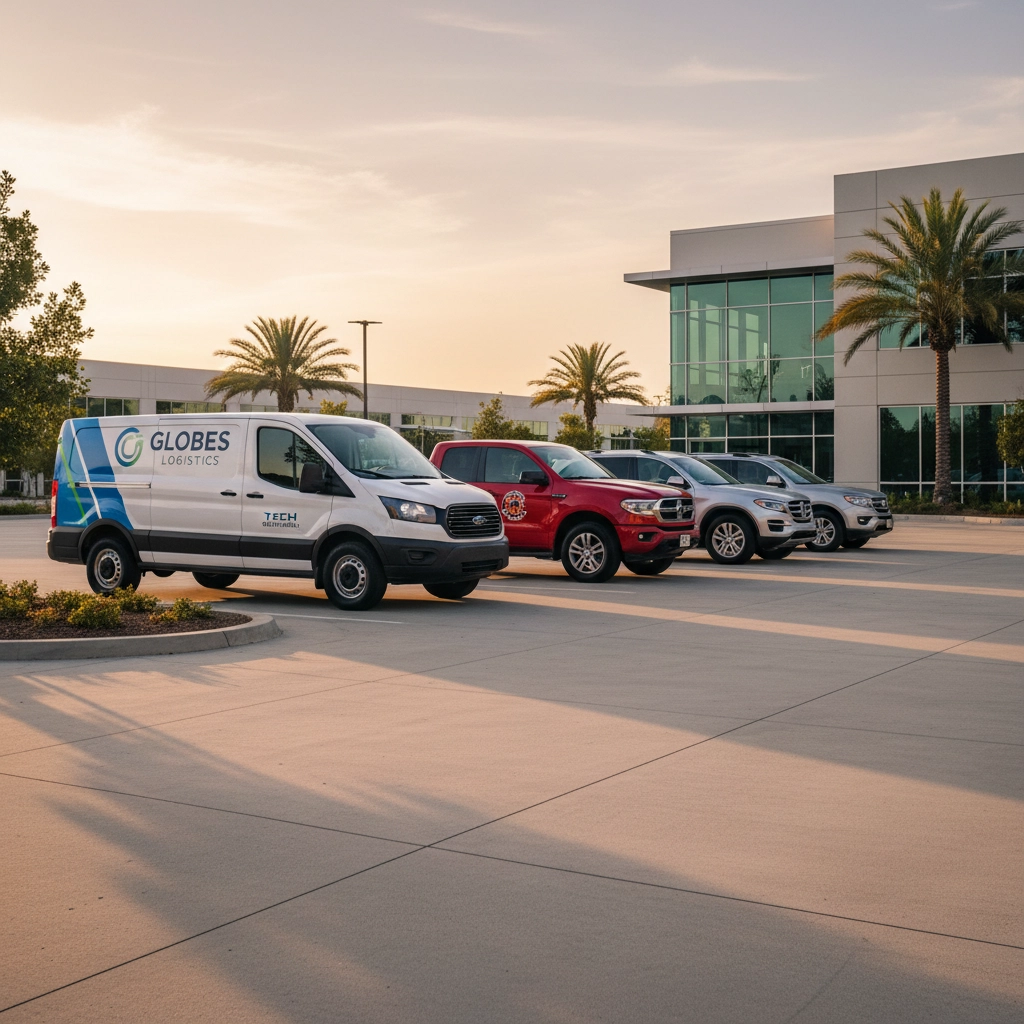
Delivery and Transportation Companies face constant road exposure and require comprehensive commercial auto protection. This includes food delivery services, courier companies, and logistics businesses that transport goods.
Businesses Using Employee Vehicles may need hired and non-owned coverage when employees use personal vehicles for business tasks. This protection covers gaps that personal insurance policies exclude for work-related activities.
Most states require commercial auto insurance as a legal mandate for businesses operating vehicles. Failure to maintain adequate coverage results in fines, license suspension, and potential criminal charges depending on the jurisdiction.
Essential Coverage Components
Commercial auto insurance policies include several types of protection that work together to provide comprehensive coverage for business vehicles and operations.
Liability Protection
Liability coverage forms the foundation of commercial auto insurance. This protection covers bodily injury and property damage that your business causes to others in an accident.
Bodily Injury Liability pays for medical expenses, lost wages, and pain and suffering when your business vehicle injures someone in an accident. Coverage limits typically range from $100,000 to $1 million per person, with higher aggregate limits for multiple injuries in a single incident.
Property Damage Liability covers repairs or replacement of other vehicles and property damaged in accidents caused by your business vehicles. This includes other cars, buildings, fences, and roadway infrastructure.

Physical Damage Coverage
Physical damage protection covers repairs and replacement of your business vehicles when they are damaged or destroyed.
Collision Coverage pays for vehicle repairs after accidents, regardless of who caused the incident. This protection applies whether your vehicle hits another car, strikes a fixed object, or overturns.
Comprehensive Coverage protects against non-collision damage including theft, vandalism, weather damage, fire, and falling objects. This coverage ensures your business vehicles are protected from a wide range of potential losses.
Hired and Non-Owned Vehicle Coverage
This specialized protection covers situations where your business uses vehicles it does not own.
Hired Vehicle Coverage applies when your business rents or borrows vehicles for work purposes. This includes rental cars for business trips, temporary vehicle rentals, and leased vehicles not covered under the primary policy.
Non-Owned Vehicle Coverage protects your business when employees use personal vehicles for work-related tasks. This coverage fills gaps in personal insurance policies that typically exclude business use.
Additional Protection Options
Commercial auto policies can include several supplementary coverages that provide extra protection and convenience.
Medical Payments Coverage pays for immediate medical expenses for drivers and passengers in your business vehicles, regardless of who caused an accident. This coverage provides quick access to medical care without waiting for liability determinations.
Uninsured/Underinsured Motorist Protection covers your business when accidents involve drivers with inadequate insurance coverage. This protection ensures your business receives compensation even when other drivers cannot pay for damages they cause.

Practical Benefits of Commercial Auto Coverage
Commercial auto insurance provides tangible benefits that protect your business operations and financial stability.
Financial Security
Vehicle accidents can result in substantial costs that threaten business survival. Medical expenses from serious injuries often exceed $100,000, while property damage claims can reach similar amounts. Commercial auto insurance absorbs these costs, preventing catastrophic financial losses.
Legal defense costs add another layer of expense when accidents result in lawsuits. Commercial policies include legal defense coverage that pays attorney fees, court costs, and settlement expenses without reducing your liability limits.
Business Continuity
Commercial auto insurance helps maintain business operations when vehicles are damaged or destroyed. Rental reimbursement coverage pays for temporary replacement vehicles, allowing your business to continue serving customers while permanent repairs are completed.
Gap coverage protects businesses with financed or leased vehicles by covering the difference between the vehicle's actual cash value and the outstanding loan balance. This protection prevents businesses from paying for vehicles they can no longer use.
Regulatory Compliance
Commercial auto insurance ensures your business meets state insurance requirements and maintains good standing with regulatory agencies. Proper coverage prevents license suspension, registration problems, and other compliance issues that could disrupt operations.
Many business licenses and permits require proof of adequate insurance coverage. Commercial auto insurance satisfies these requirements and supports your ability to maintain necessary business credentials.
Employee Protection
Commercial auto insurance protects employees who drive for work, providing peace of mind and reducing personal liability exposure. This protection makes employees more comfortable performing driving duties and reduces potential conflicts over insurance coverage.
Workers' compensation integration ensures seamless coverage when employees are injured in work-related vehicle accidents. This coordination prevents coverage gaps and ensures employees receive appropriate medical care and compensation.
Coverage Considerations by Business Type
Different types of businesses face unique risks that influence commercial auto insurance needs and coverage selections.
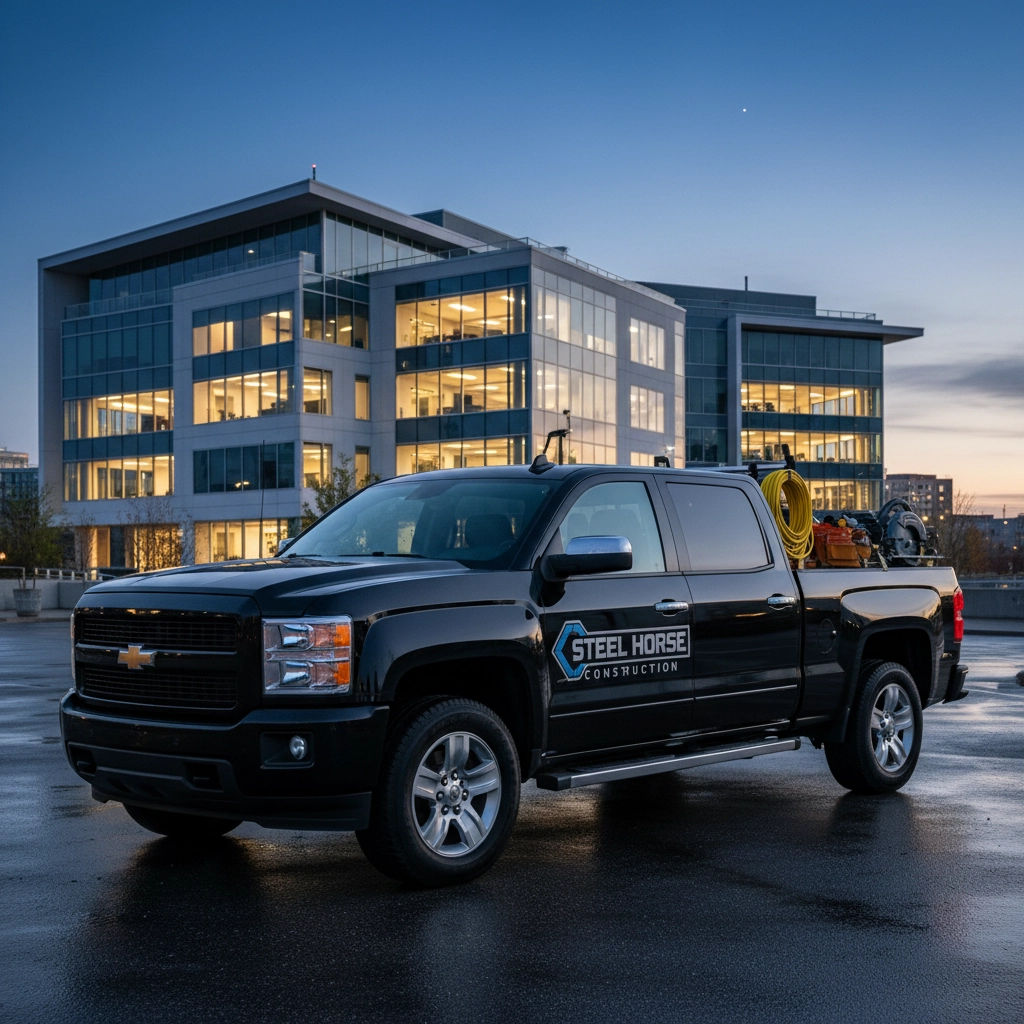
Construction and Contracting Businesses typically need higher liability limits due to the valuable equipment and materials they transport. These businesses also benefit from comprehensive coverage to protect against theft of expensive tools and supplies.
Professional Service Firms may focus on hired and non-owned coverage when employees frequently use personal vehicles for client visits. These businesses often carry higher liability limits to protect professional reputations and client relationships.
Retail and E-commerce Businesses with delivery operations need comprehensive fleet coverage including cargo protection for merchandise in transit. These businesses also require coverage for seasonal fluctuations in vehicle usage.
Getting Started with Commercial Auto Insurance
Selecting appropriate commercial auto insurance begins with accurately assessing your business's vehicle-related risks and coverage needs.
Document all business vehicles including make, model, year, and usage patterns. Include information about employee drivers, annual mileage, and typical cargo or equipment transported.

Consider your business's growth plans and how vehicle usage might change over time. Insurance policies should accommodate expansion without requiring complete restructuring.
Work with experienced insurance professionals who understand commercial auto coverage and can recommend appropriate limits and coverage options for your specific business type and risk profile.
Insurance Alliance LLC provides comprehensive commercial auto insurance solutions for businesses across Florida, Texas, Arizona, Idaho, and Washington. Our experienced team helps businesses select appropriate coverage levels and policy features that provide robust protection while managing insurance costs effectively.
Contact our office today to discuss your commercial auto insurance needs and receive customized coverage recommendations that protect your business on the road.


Comments