
Commercial Auto Insurance for Restaurants in Florida, Texas, Arizona, Idaho, and Washington
- marketing676641
- Dec 17, 2025
- 4 min read
Restaurant owners operating delivery services, catering businesses, or food trucks across Florida, Texas, Arizona, Idaho, and Washington require specialized commercial auto insurance coverage. Commercial auto insurance protects restaurant vehicles from financial losses due to accidents, theft, and liability claims while ensuring compliance with state requirements.
Understanding Commercial Auto Insurance for Food Service Operations
Commercial auto insurance provides essential protection for restaurant vehicles used in business operations. This coverage applies to delivery cars, catering vans, food trucks, and any vehicle owned, leased, or rented for restaurant business purposes.
Restaurant owners face unique vehicle-related risks that personal auto insurance cannot adequately address. Commercial policies offer higher coverage limits, broader protection, and specific coverage for business-related vehicle use.
Essential Coverage Components
Liability Protection
Commercial auto liability coverage protects restaurants from claims when their vehicles cause property damage or bodily injury to others. This coverage handles legal defense costs, settlement payments, and court-ordered damages resulting from accidents involving restaurant vehicles.
Physical Damage Coverage
Comprehensive and collision coverage protects the restaurant's investment in vehicles. Comprehensive coverage handles damage from theft, vandalism, weather events, and other non-collision incidents. Collision coverage pays for vehicle repairs or replacement following accidents.
Uninsured Motorist Protection
Uninsured motorist coverage provides protection when restaurant vehicles are involved in accidents with drivers who lack adequate insurance coverage. This protection ensures restaurants can recover damages and medical expenses regardless of the other party's insurance status.
Restaurant Vehicle Operations and Coverage Needs
Delivery Services
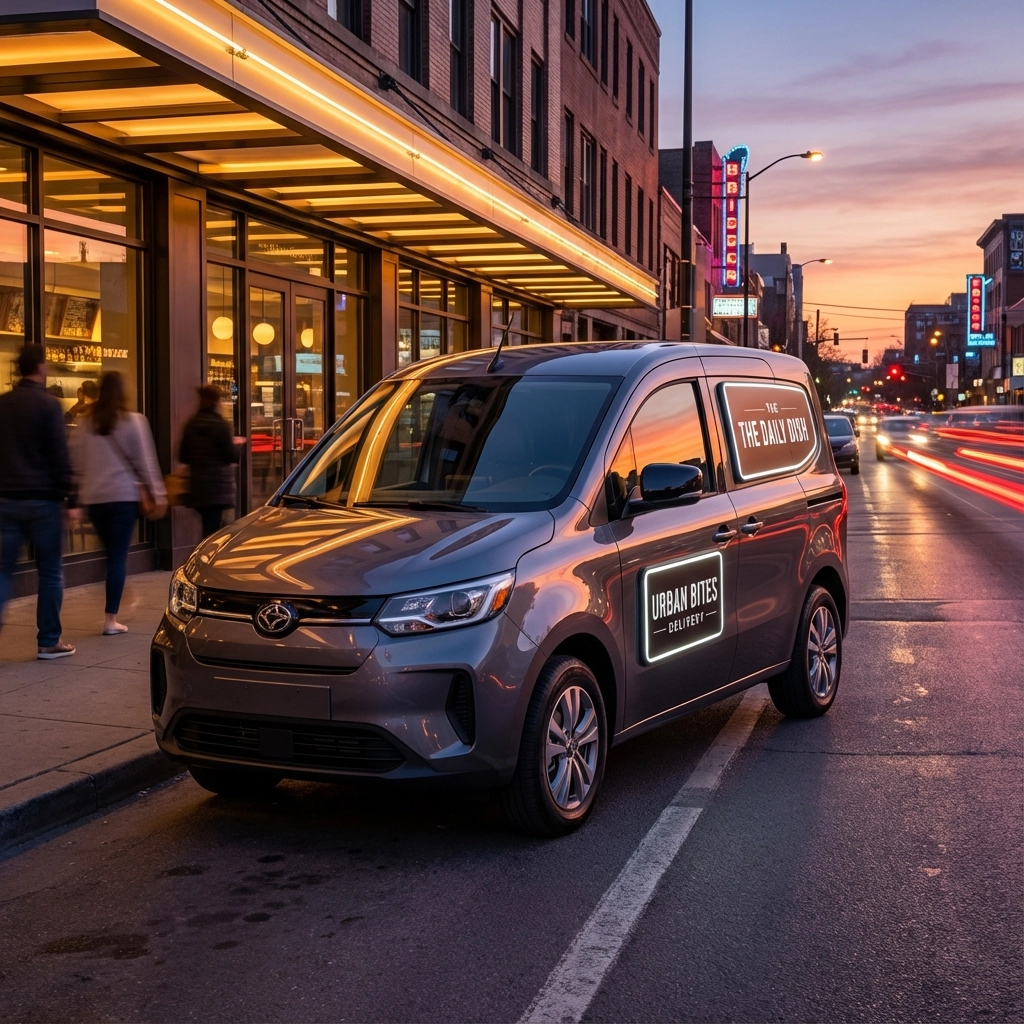
Restaurants offering delivery services face increased vehicle exposure through frequent stops, urban driving conditions, and extended operating hours. Delivery vehicles require coverage for food products, equipment, and liability exposure from frequent customer interactions.
Catering Operations
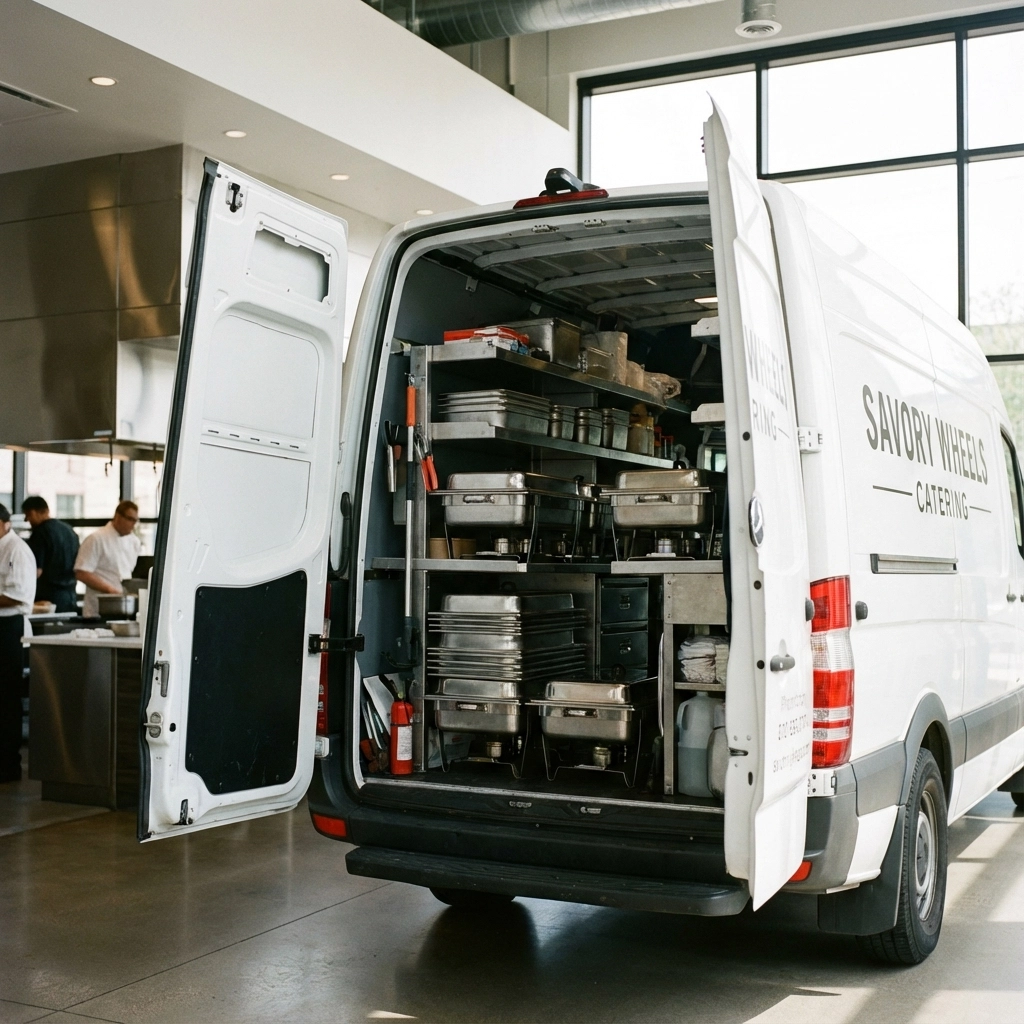
Catering businesses transport valuable equipment, prepared foods, and service materials to various locations. Commercial auto insurance for catering operations must address equipment protection, food spoilage, and liability risks at different venues.
Food Truck Coverage
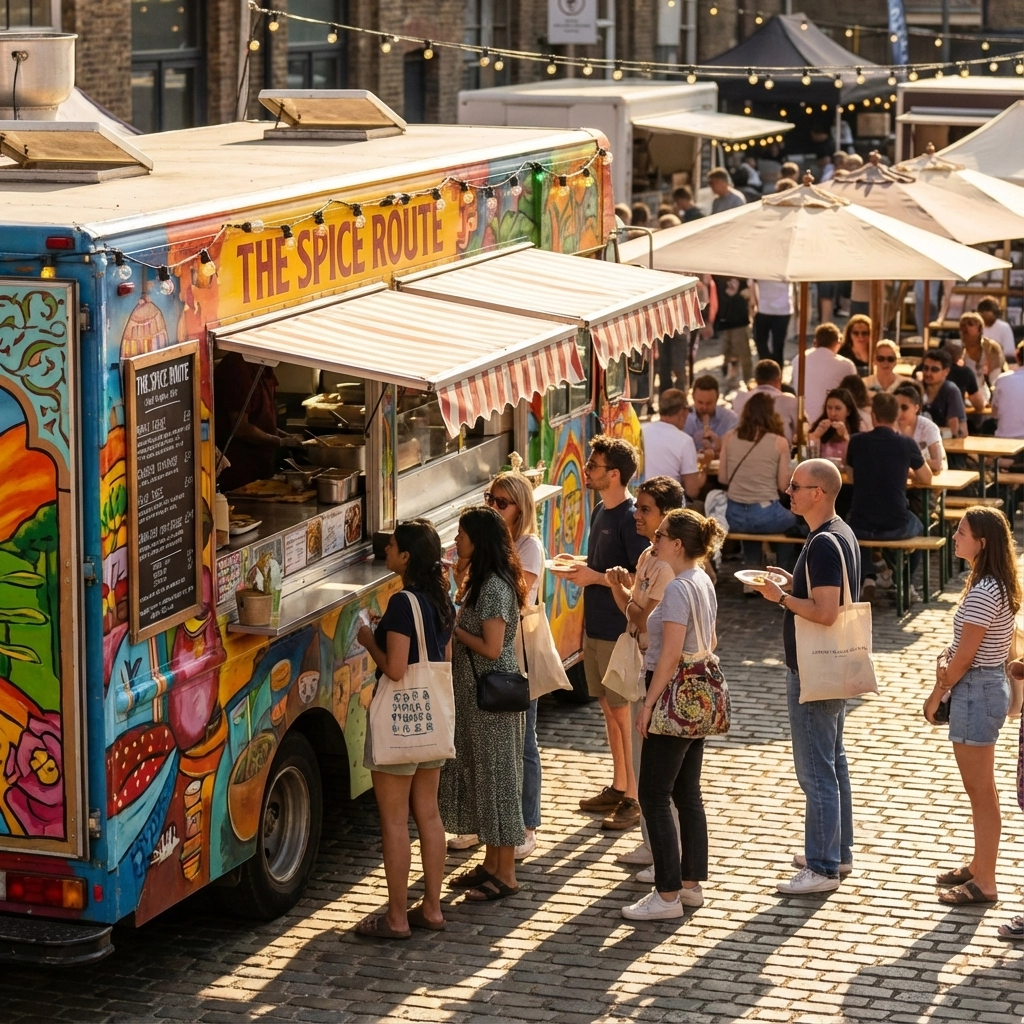
Food trucks combine vehicle and restaurant operations, requiring specialized coverage addressing mobile food service risks. Insurance must protect the vehicle, cooking equipment, inventory, and liability exposure from serving customers at multiple locations.
Key Risk Factors for Restaurant Vehicles
High-Traffic Areas
Restaurant vehicles frequently operate in busy commercial districts, shopping centers, and residential neighborhoods with heavy pedestrian traffic. These conditions increase accident risks and liability exposure requiring adequate coverage limits.
Weather-Related Risks
Seasonal weather conditions across Florida, Texas, Arizona, Idaho, and Washington create varying driving hazards. Commercial auto insurance must address risks from tropical storms, extreme heat, winter conditions, and regional weather patterns affecting vehicle operations.
Extended Operating Hours
Many restaurants operate during evening hours, weekends, and holidays when traffic patterns and road conditions present increased risks. Commercial auto coverage must account for operations outside standard business hours.
Coverage Limits and Policy Considerations
Determining Adequate Limits
Restaurant owners must evaluate their vehicle values, potential liability exposure, and operational risks when selecting coverage limits. Higher limits provide greater protection but require balancing coverage needs with business budgets.
Fleet Considerations
Restaurants operating multiple vehicles benefit from fleet policies that streamline coverage management and provide consistent protection across all vehicles. Fleet policies simplify administration while ensuring comprehensive coverage.
Additional Coverage Options
Commercial auto policies offer optional coverages including hired auto protection, non-owned vehicle coverage, and gap insurance. These options address specific restaurant operational needs and provide enhanced protection.
State Compliance Requirements
Legal Requirements
Each state mandates minimum commercial auto insurance requirements for businesses operating vehicles. Restaurant owners must maintain coverage meeting or exceeding state minimums while ensuring adequate protection for their specific operations.
Registration and Documentation
Commercial vehicles require proper registration and insurance documentation maintained in each vehicle. Restaurant owners must ensure drivers carry current proof of insurance and understand policy coverage details.

Industry-Specific Considerations
Equipment and Cargo Protection
Restaurant vehicles often transport valuable equipment, food products, and supplies requiring specialized coverage. Commercial auto policies can include cargo coverage protecting inventory and equipment during transport.
Driver Requirements
Commercial auto insurance considers driver qualifications, training, and safety records when providing coverage. Restaurant owners should implement driver safety programs and maintain current driver records to support coverage eligibility.
Seasonal Operations
Some restaurant operations experience seasonal variations affecting vehicle usage patterns. Commercial auto policies must accommodate changing operational needs while maintaining consistent protection throughout the year.
Working with Insurance Alliance LLC
Insurance Alliance LLC provides comprehensive commercial auto insurance solutions for restaurant owners across Florida, Texas, Arizona, Idaho, and Washington. Our experienced team understands the unique challenges facing food service businesses and develops customized coverage addressing specific operational risks.
Our commercial auto insurance programs for restaurants include liability protection, physical damage coverage, and additional options ensuring complete protection. We work directly with restaurant owners to assess their vehicle risks, operational requirements, and coverage needs.

Restaurant owners benefit from our multi-state expertise and understanding of regional business conditions. Insurance Alliance LLC maintains relationships with leading commercial auto insurers providing competitive coverage options for food service operations.
Implementation and Management
Policy Setup
Restaurant owners should work with insurance professionals to properly structure commercial auto coverage addressing their specific vehicle operations. Proper policy setup ensures coverage aligns with business needs and provides adequate protection.
Ongoing Management
Commercial auto insurance requires regular review and updates reflecting changes in vehicle fleets, operations, and business growth. Restaurant owners should maintain current vehicle information and communicate operational changes to their insurance provider.
Claims Support
Effective claims handling minimizes business disruption following vehicle incidents. Restaurant owners should understand their policy claims procedures and maintain relationships with service providers supporting quick vehicle repairs and replacements.
Insurance Alliance LLC provides ongoing support helping restaurant owners manage their commercial auto coverage and address changing business needs. Our team assists with policy updates, claims support, and coverage optimization ensuring continuous protection for restaurant vehicle operations.
Commercial auto insurance represents a critical investment in restaurant business protection. Restaurant owners operating delivery services, catering operations, or food trucks across Florida, Texas, Arizona, Idaho, and Washington require specialized coverage addressing their unique operational risks and state compliance requirements.
Comments