
Commercial Auto Insurance for Restaurants: 5 Coverage Steps for Delivery Operations
- marketing676641
- Nov 12, 2025
- 4 min read
Restaurant delivery operations face unique insurance challenges across Florida, Texas, Arizona, Idaho, and Washington. Commercial auto insurance requirements vary significantly when your business involves vehicle operations, employee drivers, and food delivery services.
Understanding proper coverage protects your restaurant from liability gaps that could devastate your business operations. These five essential steps ensure comprehensive protection for your delivery operations.
Step 1: Secure Comprehensive Vehicle Coverage
Commercial auto insurance differs fundamentally from personal vehicle policies. Your restaurant needs specific coverage types that address business vehicle operations.
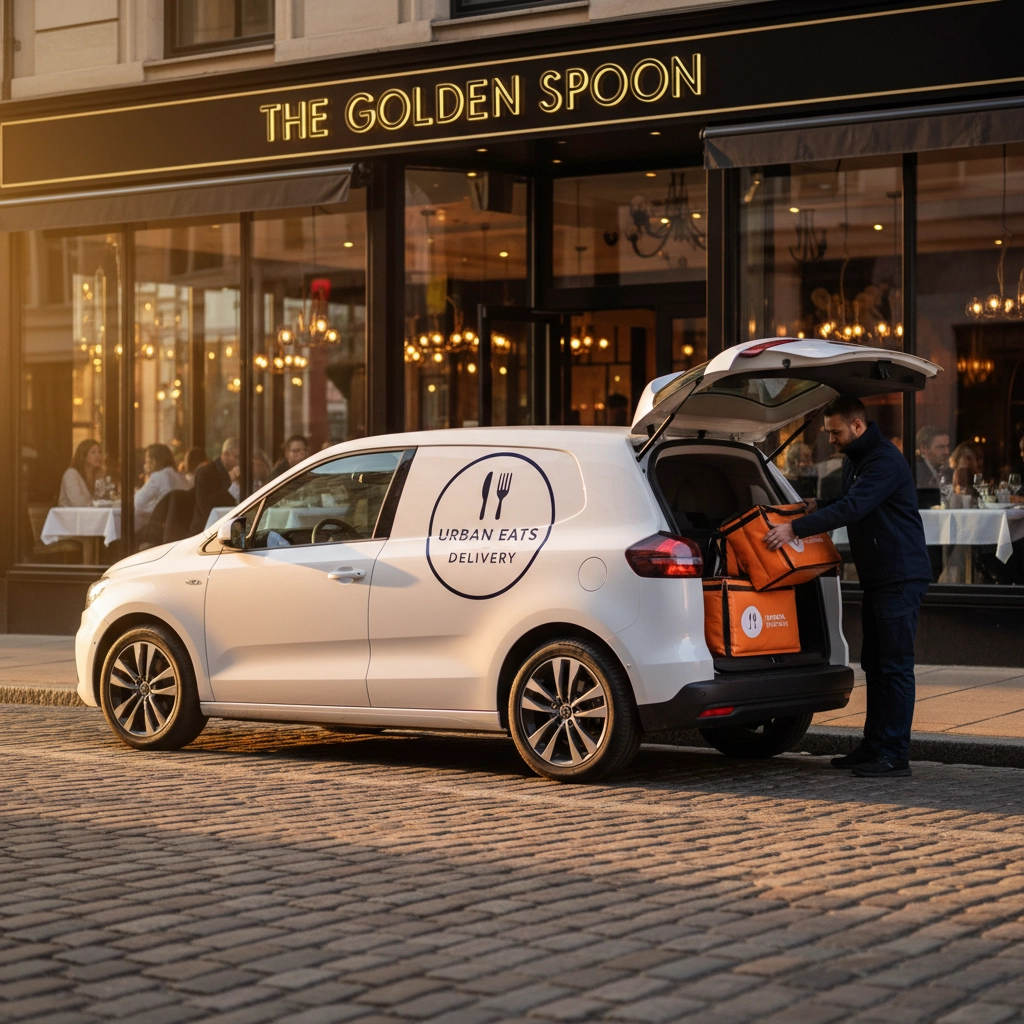
Liability coverage protects against bodily injury and property damage claims when your drivers cause accidents. This coverage becomes critical during delivery operations when drivers navigate heavy traffic conditions common in major cities across these five states.
Comprehensive coverage protects against non-collision incidents including theft, vandalism, weather damage, and fire. It addresses severe weather, temperature extremes, and environmental events that can damage delivery vehicles.
Collision coverage applies when your delivery vehicles collide with other vehicles or objects. This protection remains essential given the frequent stops and tight parking situations delivery drivers encounter.
Uninsured motorist coverage becomes particularly important in areas with high percentages of uninsured drivers. This protection ensures your business remains covered even when other drivers lack adequate insurance.
Step 2: Understand Hired and Non-Owned Auto Liability
Many restaurants use a combination of company-owned vehicles and employee personal vehicles for deliveries. This mixed approach requires specific coverage considerations.
Hired auto liability covers vehicles your restaurant rents or leases for business purposes. This includes situations where you temporarily rent additional delivery vehicles during busy periods or special events.
Non-owned auto liability protects your restaurant when employees use their personal vehicles for business deliveries. This coverage fills gaps between your commercial policy and employee personal auto insurance.
Employee personal auto policies typically exclude coverage during commercial activities. Your restaurant becomes liable for accidents occurring during delivery operations, making non-owned coverage essential for protecting business assets.
Consider the frequency of personal vehicle use in your delivery operations. Restaurants relying heavily on employee personal vehicles need robust non-owned coverage limits to protect against significant liability exposures.
Step 3: Add Specialized Restaurant Coverage Features
Standard commercial auto policies may not address unique restaurant delivery risks. Specialized coverage endorsements provide additional protection for food service operations.
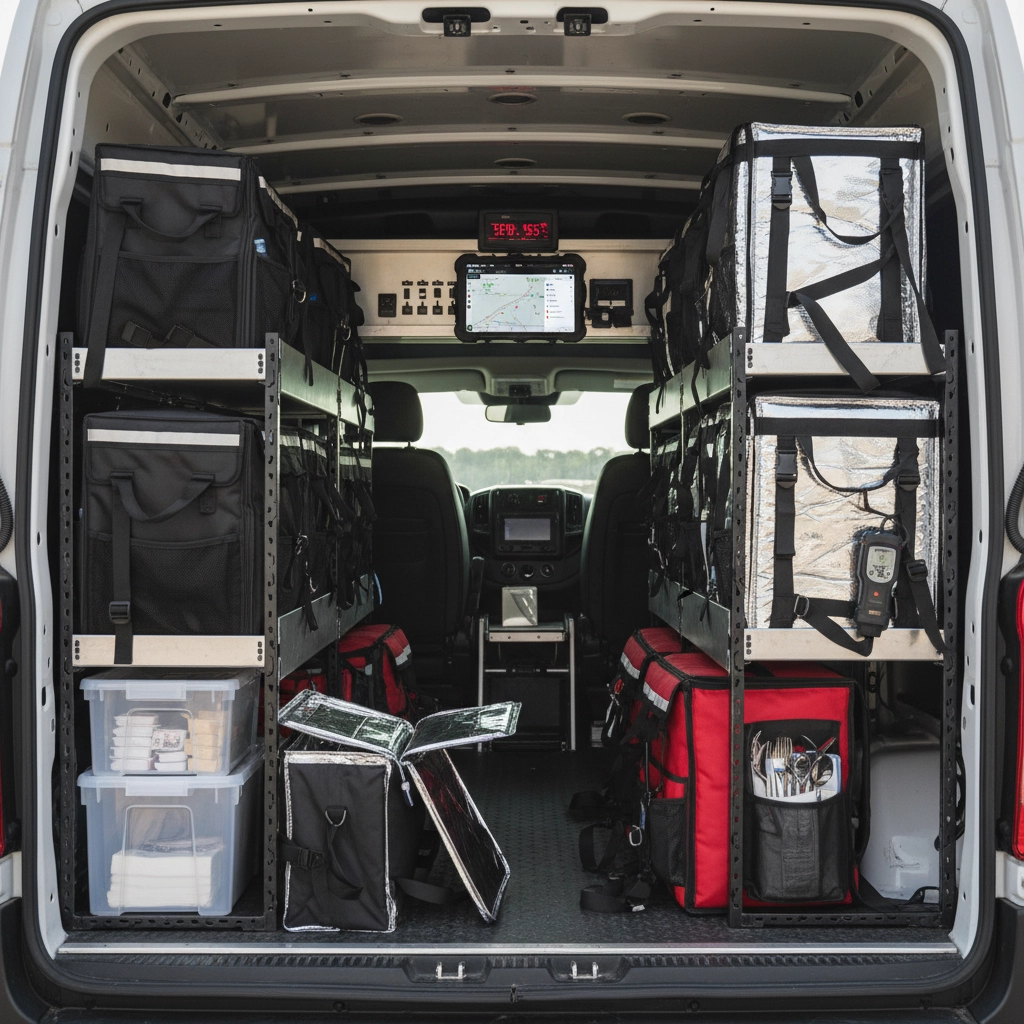
Food spoilage coverage applies when refrigerated delivery vehicles break down or lose power. This coverage protects temperature-sensitive items during transit.
Equipment coverage protects specialized delivery equipment including insulated bags, GPS devices, payment processing equipment, and temperature monitoring systems. This coverage ensures you can quickly replace essential delivery tools.
Business interruption coverage addresses operational downtime when delivery vehicles become unavailable due to covered accidents or damage. This protection supports continuity during vehicle repair periods.
Key coverage applies when delivery vehicle keys are lost or stolen. This seemingly minor coverage prevents significant business disruption when drivers cannot access delivery vehicles.
Step 4: Implement Driver Requirements and Documentation
Proper driver management directly impacts your commercial auto insurance coverage effectiveness. Insurance carriers expect restaurants to maintain specific driver standards and documentation.
Driver qualification requirements include valid driver's licenses, acceptable driving records, and minimum age requirements. Document these qualifications for all drivers operating delivery vehicles.
Motor vehicle record checks should occur before hiring and annually thereafter. Regular MVR monitoring identifies drivers who develop traffic violations or license suspensions that could affect coverage.
Driver training documentation demonstrates your restaurant's commitment to safe operations. Maintain records of safety training, defensive driving courses, and company-specific delivery protocols.
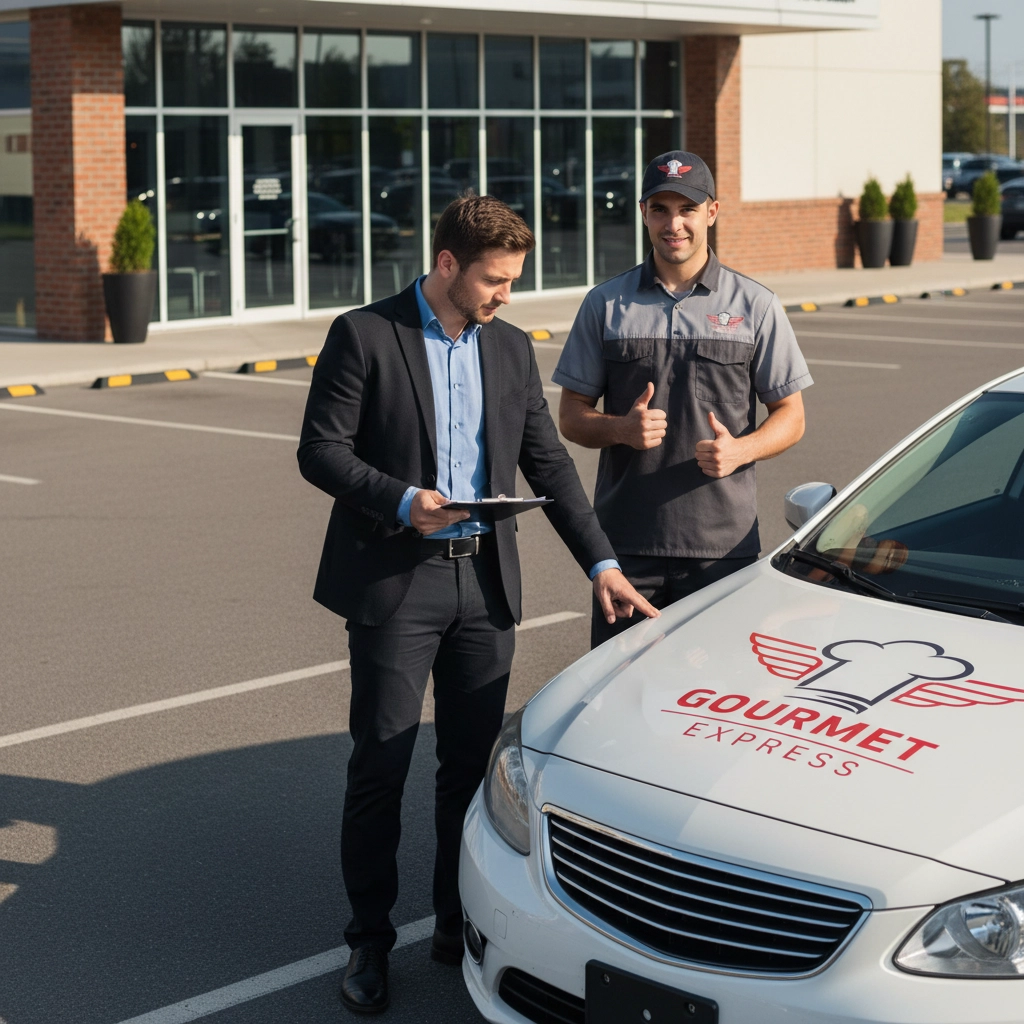
Vehicle inspection records prove regular maintenance and safety compliance. Document routine maintenance, safety inspections, and any repairs needed to maintain vehicle safety standards.
Driver scheduling policies should address maximum hours and rest requirements. Fatigued drivers pose increased accident risks that could affect coverage claims and renewals.
Step 5: Coordinate Coverage Across Multiple Locations
Restaurants operating delivery services across Florida, Texas, Arizona, Idaho, and Washington must coordinate coverage across different jurisdictions and risk exposures.
Confirm required liability limits and coverage forms for all operating locations in Florida, Texas, Arizona, Idaho, and Washington.
Multi-location coordination ensures consistent coverage levels across all restaurant locations. This coordination prevents coverage gaps that could expose individual locations to inadequate protection.
Fleet management becomes more complex across multiple states. Consider centralized vehicle management policies that maintain consistent safety standards and coverage requirements regardless of location.
Claims reporting procedures should account for multi-state operations. Establish clear protocols for reporting accidents and claims across different time zones and jurisdictions.
Maintain certificates of insurance for commercial customers and special events. Ensure they meet requirements in all operating states.
Additional Coverage Considerations
Commercial auto insurance integrates with other restaurant insurance coverages to provide comprehensive protection. General liability insurance works alongside auto coverage to protect against customer injuries and property damage claims.
Workers' compensation insurance coordinates with auto coverage when delivery drivers sustain injuries during vehicle accidents. This coordination ensures proper coverage without gaps or overlaps.
Cyber liability protection becomes relevant when delivery vehicles contain payment processing equipment or customer data. Consider how vehicle-based technology exposures interact with your commercial auto coverage.
Commercial property insurance may include coverage for contents stored in delivery vehicles. Review policy terms to understand what business property receives coverage while in transit.
Implementation Strategy
Begin by reviewing your current commercial auto coverage against these five steps. Identify gaps in coverage that could expose your restaurant to exposures during delivery operations.
Work with experienced insurance professionals who understand restaurant delivery operations across Florida, Texas, Arizona, Idaho, and Washington. Local market knowledge helps structure appropriate coverage for your specific operating environment.
Document all coverage decisions and maintain organized records of driver qualifications, vehicle maintenance, and safety procedures. This documentation supports coverage effectiveness and claims handling.
Regular coverage reviews ensure your commercial auto insurance adapts to changing business needs. Schedule annual reviews to address new vehicles, additional drivers, or expanded delivery territories.
Protecting Your Restaurant's Future
Commercial auto insurance for restaurant delivery operations requires careful attention to coverage details and operational procedures. These five steps provide the foundation for comprehensive protection across your delivery operations.
Focus on building robust coverage that addresses the specific risks your restaurant faces in Florida, Texas, Arizona, Idaho, and Washington. Proper commercial auto insurance protects your investment and ensures continued operations despite vehicle-related incidents.
Insurance Alliance LLC specializes in commercial auto coverage for restaurants operating across these five states. Contact our experienced team to review your delivery operation coverage needs and ensure comprehensive protection for your business.
Comments