
Commercial Auto Insurance for Dentists: Do You Need It?
- marketing676641
- Oct 27, 2025
- 4 min read
Most dental practices require commercial auto insurance coverage for vehicles used in business operations. The answer depends on how your practice uses vehicles and the ownership structure of those vehicles.
Dental practices face unique transportation needs that standard personal auto insurance policies cannot address. Understanding when commercial auto coverage becomes necessary protects your practice from significant financial exposure and ensures compliance with insurance regulations.
When Dentists Need Commercial Auto Insurance
Commercial auto insurance becomes mandatory when your dental practice owns vehicles registered under the business name. This requirement applies regardless of how frequently you use these vehicles for practice-related activities.
The coverage requirement extends beyond practice-owned vehicles. Dentists who use personal vehicles for business purposes create insurance gaps that personal auto policies typically exclude. These business-related activities fall outside standard personal coverage terms.
State regulations mandate commercial auto insurance for business-owned vehicles. Dental practices cannot legally operate business-registered vehicles without appropriate commercial coverage in place.
Mobile Dental Practice Operations
Mobile dental practices represent the most obvious scenario requiring commercial auto insurance. These practices operate specialized vehicles equipped with dental equipment and treatment facilities that travel to patient locations.
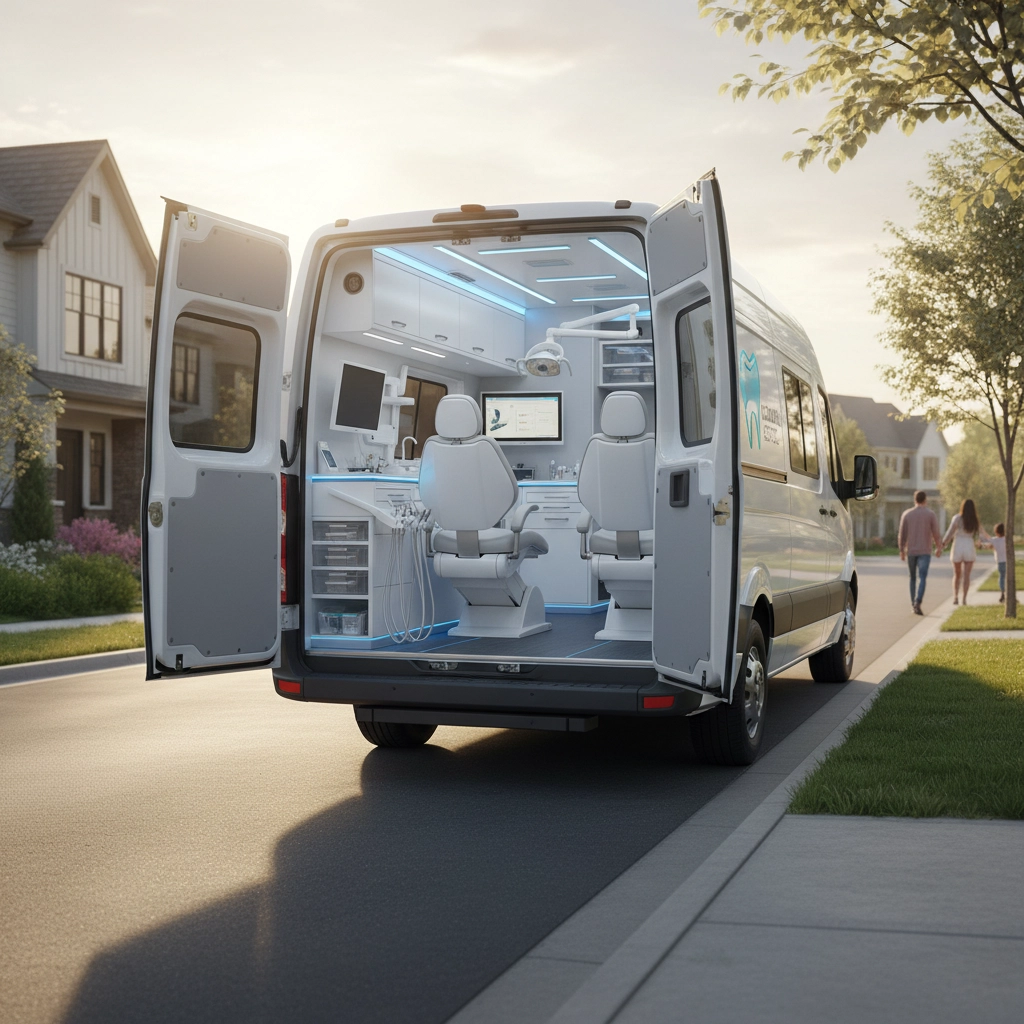
Mobile dental units require comprehensive coverage addressing both the vehicle and the specialized equipment inside. Standard commercial auto policies may need endorsements to cover expensive dental equipment mounted in mobile units.
The liability exposure for mobile practices extends beyond typical vehicle accidents. Mobile dental operations face unique risks related to equipment failure, patient treatment in non-traditional settings, and transportation of sensitive medical equipment.
Delivery and Transportation Scenarios
Dental practices frequently transport materials, equipment, and supplies between locations. These activities trigger commercial auto insurance requirements even when using personal vehicles for occasional business transportation.
Common delivery scenarios include transporting laboratory work to dental labs, moving equipment between practice locations, and delivering supplies to satellite offices. Each of these activities creates business use that personal auto insurance excludes.
Dental practices with multiple locations face increased transportation needs. Staff members traveling between offices for administrative meetings, equipment transfers, or patient consultations require appropriate commercial coverage.
Equipment and Supply Transportation
Dental practices transport valuable and specialized equipment requiring specific coverage considerations. Standard commercial auto policies may not adequately protect expensive dental equipment during transportation.
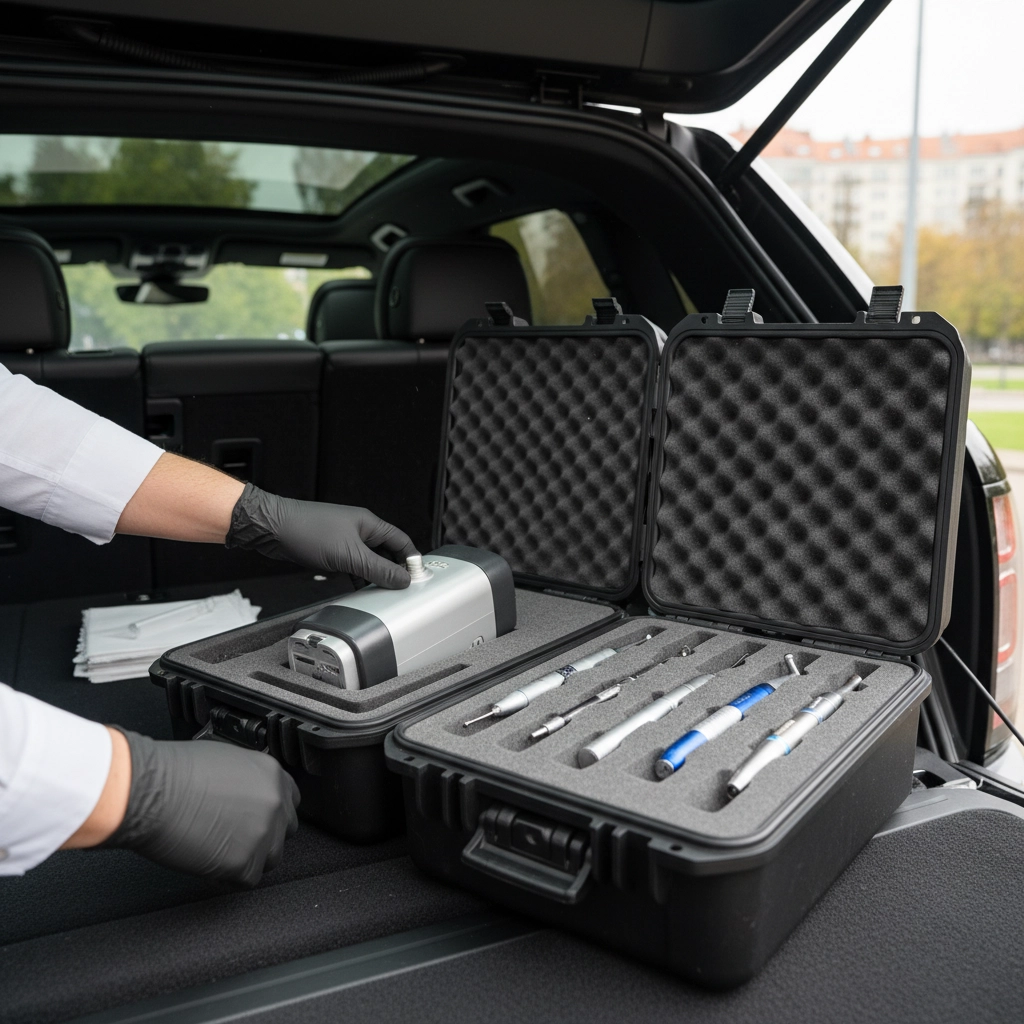
Portable dental equipment, laboratory materials, and patient records require protection during transport. These items represent significant financial investments that general commercial auto coverage may not fully address without specific endorsements.
Emergency equipment transportation creates additional coverage needs. Dental practices may need to quickly transport replacement equipment or emergency supplies, requiring immediate access to covered vehicles.
Employee Vehicle Use for Business
Dental practices must address coverage gaps when employees use personal vehicles for business activities. Standard personal auto insurance excludes business use, creating potential liability exposure for the practice.
Hired and non-owned auto coverage addresses these scenarios by providing liability protection when employees use personal vehicles for practice business. This coverage protects both the employee and the dental practice from accident-related claims.
Employee vehicle use includes activities such as bank deposits, supply pickups, continuing education travel, and emergency patient visits. Each activity requires appropriate coverage consideration.
Commercial Auto Coverage Components
Commercial auto insurance for dental practices includes several essential coverage components. Liability coverage protects against bodily injury and property damage claims arising from vehicle accidents during business operations.
Physical damage coverage protects practice-owned vehicles against collision, comprehensive, and other physical losses. This coverage applies regardless of fault determination in accident scenarios.
Medical payments coverage provides immediate medical expense coverage for injured parties, including practice employees and passengers. This coverage operates independently of liability determinations.
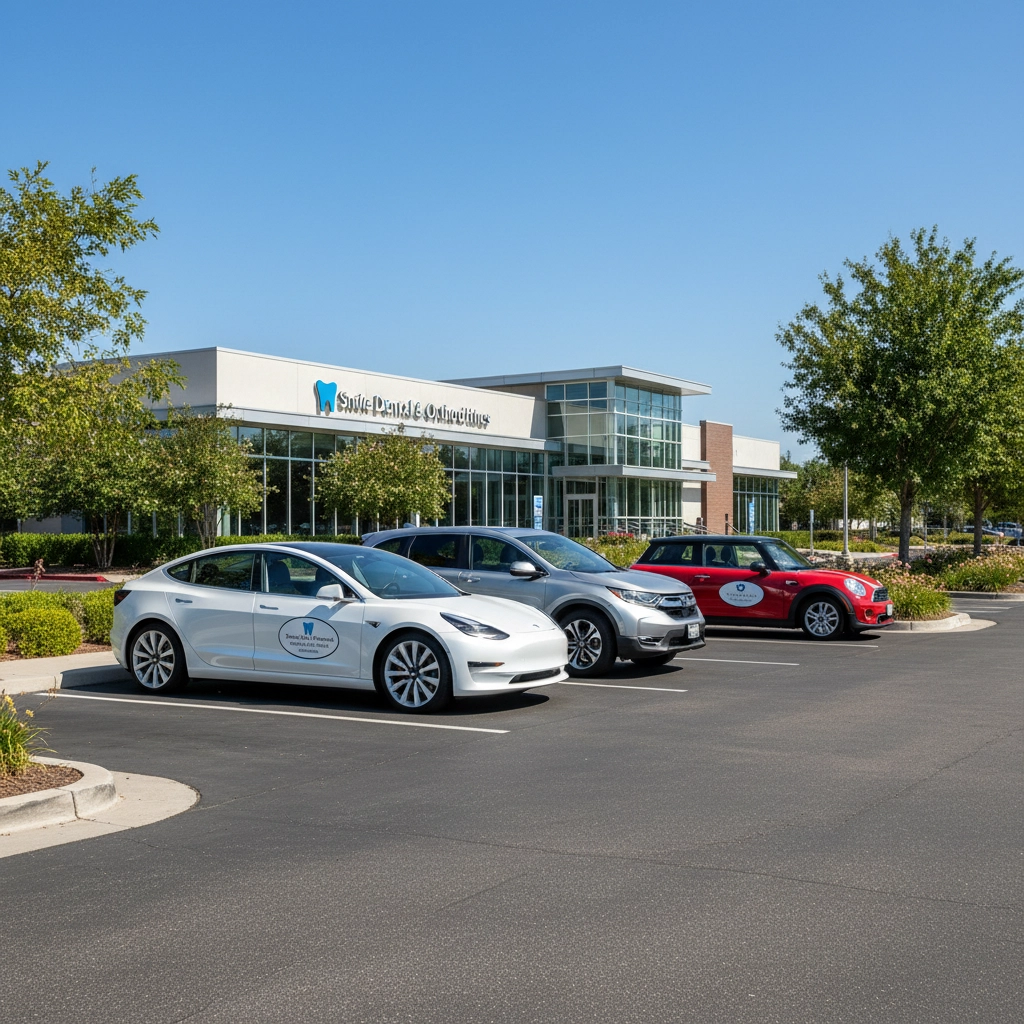
Uninsured and underinsured motorist coverage protects your practice when accidents involve drivers with insufficient insurance coverage. This protection becomes especially important for practices operating in areas with high rates of uninsured drivers.
Specialized Coverage Considerations
Dental practices require coverage modifications addressing their unique operational needs. Standard commercial auto policies may not adequately address specialized dental equipment transportation or mobile practice operations.
Equipment coverage endorsements protect valuable dental equipment during transportation. These endorsements specify coverage limits and conditions for portable dental equipment moved between locations.
Business interruption coverage related to vehicle accidents helps dental practices maintain operations when transportation disruptions affect patient care or business activities.
Compliance and Legal Requirements
Commercial auto insurance compliance varies by state, but the fundamental requirement remains consistent: business-owned vehicles require commercial coverage. Dental practices cannot legally operate without appropriate insurance in place.
Non-compliance creates significant financial and legal risks. Operating without required coverage can result in fines, license suspension, and increased insurance costs when coverage is eventually secured.
Documentation requirements mandate maintaining proof of commercial auto insurance coverage. Dental practices must provide evidence of coverage to licensing boards, landlords, and other business partners.

Working with Insurance Professionals
Commercial auto insurance for dental practices requires specialized knowledge and experience. Insurance professionals familiar with dental practice operations understand the unique coverage needs and compliance requirements.
Experienced agents help dental practices navigate coverage options and identify appropriate limits for their specific operational needs. This expertise ensures comprehensive protection without unnecessary coverage gaps.
Regular coverage reviews help dental practices maintain appropriate protection as their operations evolve. Changes in practice size, locations, or service offerings may require coverage adjustments.
Risk Management Strategies
Dental practices can implement risk management strategies to support their commercial auto insurance coverage. Driver training programs help ensure employees understand safe driving practices when operating practice vehicles.
Vehicle maintenance programs reduce the likelihood of accidents caused by mechanical failures. Regular maintenance schedules help identify potential problems before they create safety risks.
Documentation procedures for business vehicle use help establish clear policies for employee vehicle use and ensure appropriate coverage application.
Integration with Other Insurance Coverage
Commercial auto insurance works alongside other dental practice insurance policies to provide comprehensive protection. Professional liability, general liability, and property insurance policies complement commercial auto coverage.
Understanding how different insurance policies interact helps dental practices avoid coverage gaps and ensure comprehensive protection across all operational activities.
Claims coordination between different insurance policies requires careful management to ensure appropriate coverage application and claim resolution.
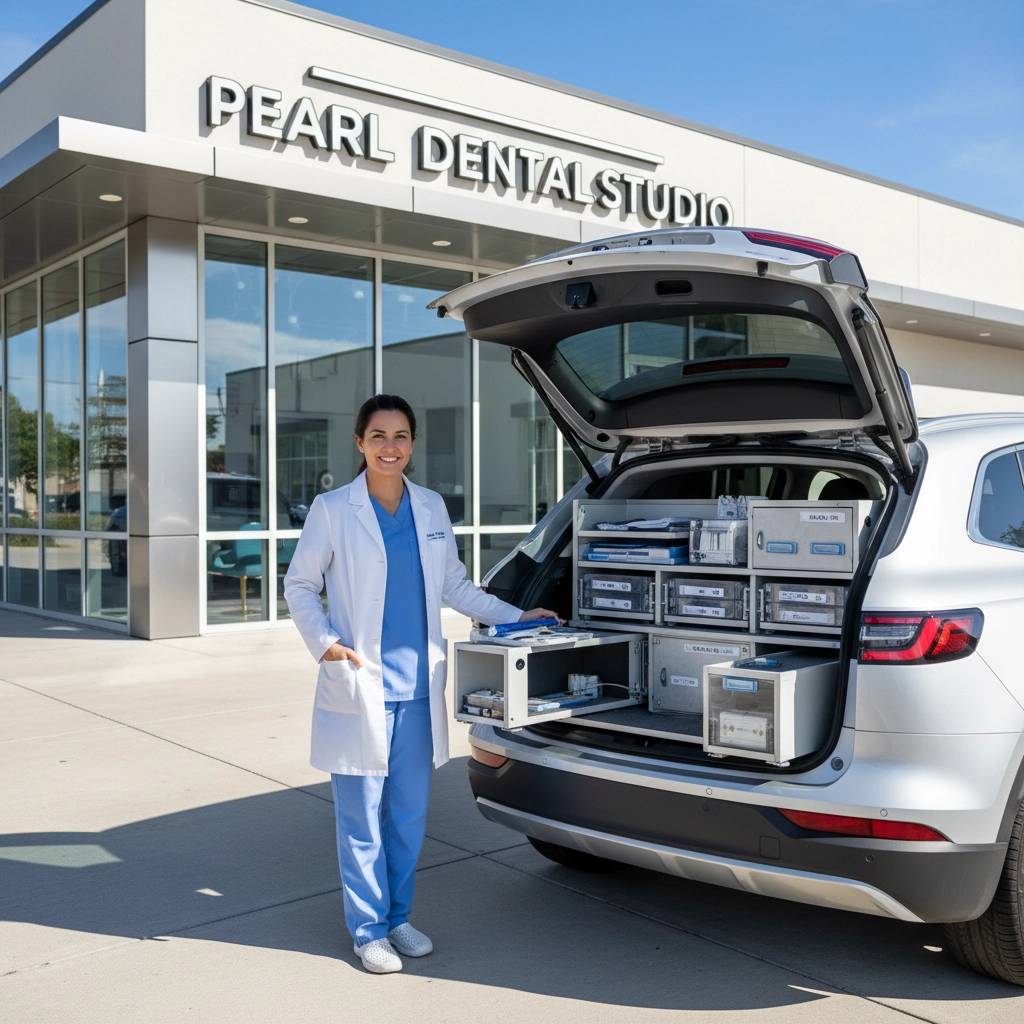
Commercial auto insurance represents an essential protection component for dental practices using vehicles in their operations. Understanding coverage requirements, compliance obligations, and risk management strategies helps dental practices maintain appropriate protection while focusing on patient care delivery.
Insurance Alliance LLC provides specialized commercial auto insurance solutions for dental practices. Our experienced team understands the unique coverage needs of dental professionals and helps practices maintain comprehensive protection across all operational activities.
Comments