
Commercial Auto Insurance: Coverage Options for Your Business Vehicles
Commercial auto insurance provides essential protection for businesses operating vehicles across Florida, Texas, Arizona, Idaho, and Washington. This specialized coverage protects company assets and ensures compliance with state requirements for business vehicle operations.
Understanding Commercial Auto Insurance
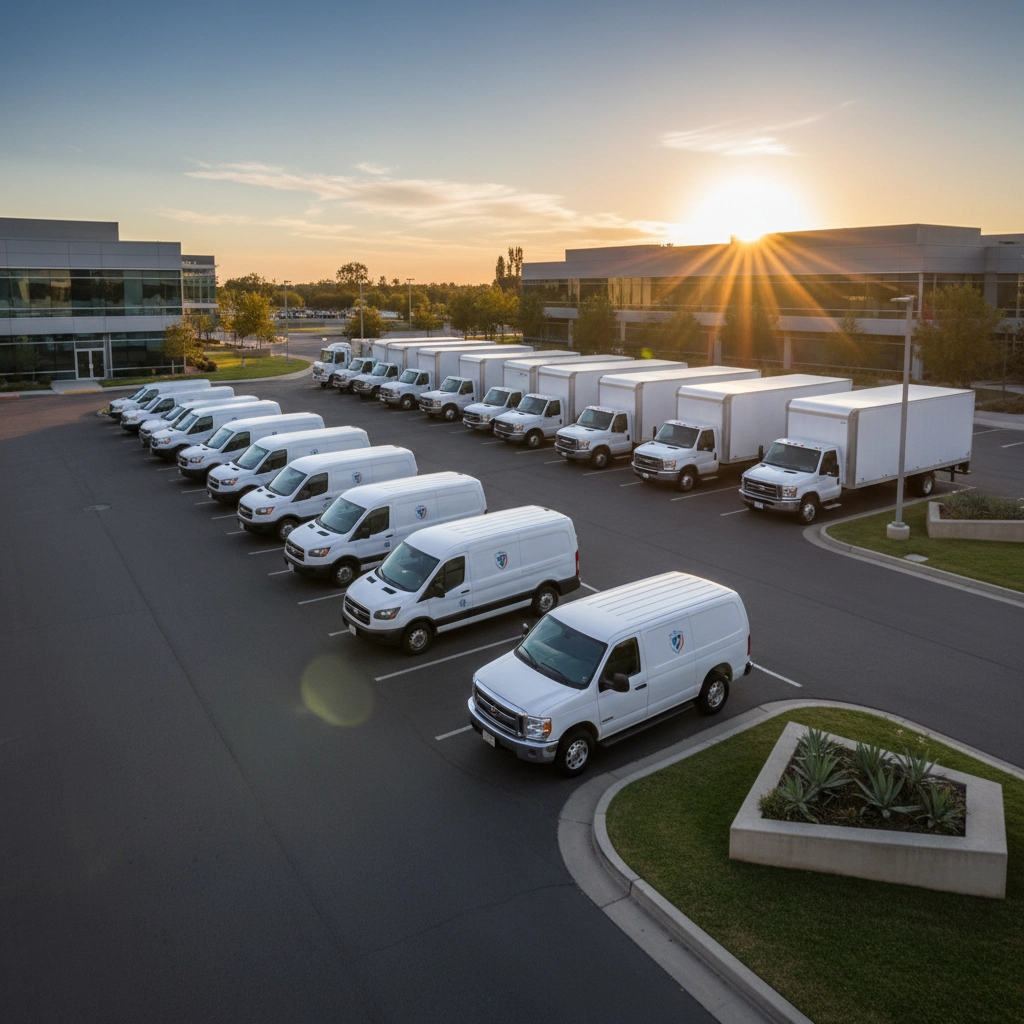
Commercial auto insurance covers vehicles used for business purposes, including company-owned, leased, and rented vehicles. This coverage extends beyond personal auto insurance by addressing the unique risks businesses face when operating commercial vehicles.
The policy provides 24-hour protection for covered vehicles, whether actively used for business operations or parked at company facilities. Coverage applies regardless of who drives the vehicle, provided they have proper authorization from the business owner.
Primary Coverage Components
Liability Protection
Liability coverage forms the foundation of commercial auto insurance. This coverage pays for bodily injury and property damage claims when your business vehicle causes an accident. The protection extends to medical expenses, vehicle repairs, and property replacement costs for affected third parties.
Liability limits typically start at state minimum requirements but businesses often select higher limits to protect company assets. Coverage applies per accident basis with separate limits for bodily injury per person, bodily injury per accident, and property damage per accident.
Physical Damage Coverage
Physical damage protection covers repairs or replacement of business vehicles after covered incidents. This coverage divides into two distinct components that work together to provide comprehensive vehicle protection.
Collision coverage handles damage from vehicle accidents, including impacts with other vehicles, objects, or rollover incidents. The coverage applies regardless of fault determination and includes damage from single-vehicle accidents involving fixed objects like buildings or guardrails.
Comprehensive coverage addresses non-collision damage including theft, vandalism, fire, flood, hail, and animal strikes. This protection ensures business continuity when vehicles sustain damage from weather events or criminal activity common in various regional climates.
Medical and Injury Protection
Medical Payments Coverage
Medical payments coverage provides immediate medical expense protection for vehicle occupants injured in covered accidents. This coverage applies regardless of fault and covers hospital bills, ambulance services, and emergency medical treatment.
The protection extends to business owners, employees, and authorized passengers injured while occupying covered vehicles. Coverage limits apply per person per accident, providing predictable expense management for businesses.
Personal Injury Protection
Personal Injury Protection (PIP) offers broader medical coverage than basic medical payments. This coverage includes medical expenses, lost wages, and essential services expenses for injured parties.
PIP benefits vary by state requirements and policy selections. Some states mandate PIP coverage while others offer optional protection levels businesses can customize based on operational needs.
Uninsured and Underinsured Motorist Protection
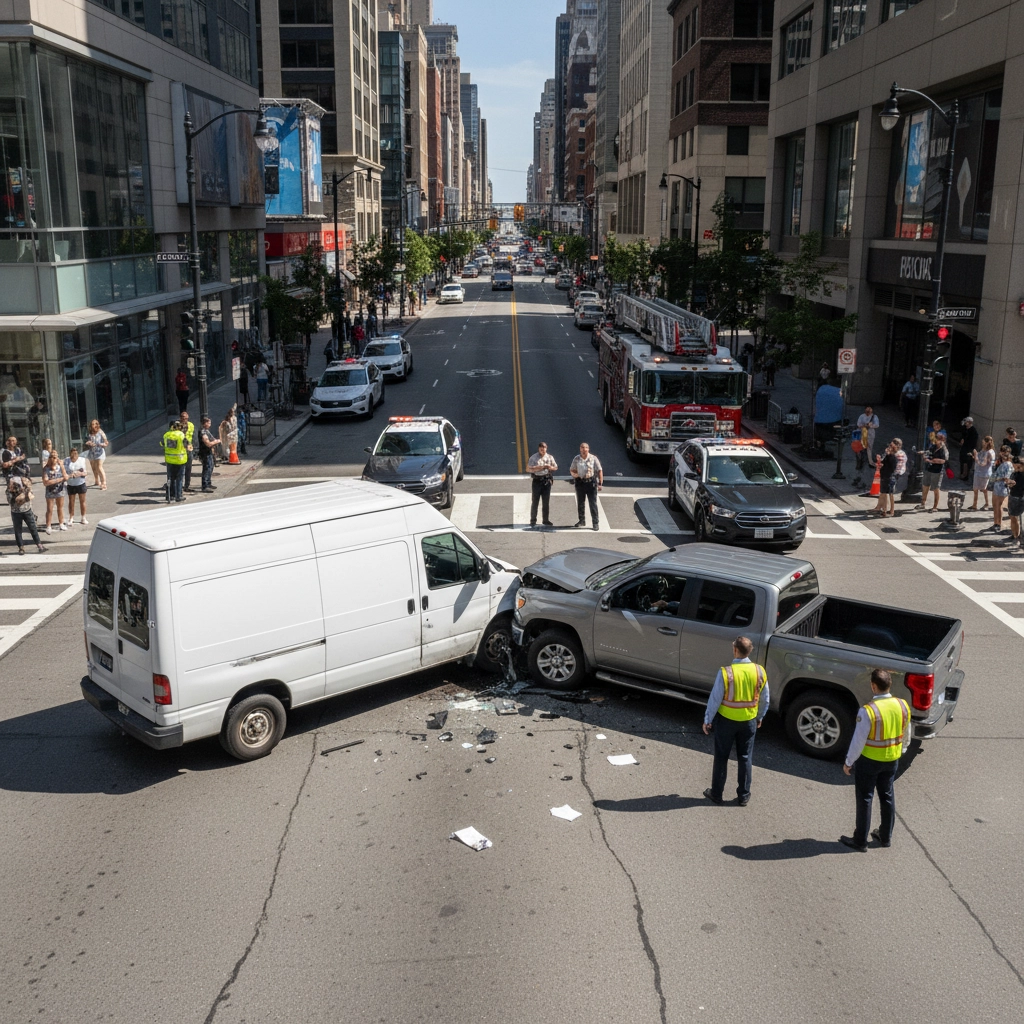
Uninsured motorist coverage protects businesses when accidents involve drivers without adequate insurance. This coverage pays for bodily injury and property damage when uninsured drivers cause accidents involving business vehicles.
Underinsured motorist coverage activates when at-fault drivers carry insufficient insurance limits to cover accident damages. This protection bridges the gap between the other driver's policy limits and actual damage costs.
These coverages prove particularly valuable in areas with higher rates of uninsured drivers, ensuring business protection regardless of other drivers' insurance status.
Vehicle Types and Classifications
Commercial auto insurance accommodates diverse vehicle types used across different industries. Light commercial vehicles include pickup trucks, vans, and SUVs used for service calls, deliveries, and transportation needs.
Medium-duty vehicles encompass box trucks, utility trucks, and specialized service vehicles equipped with business equipment. These vehicles typically require higher coverage limits due to increased damage potential and business equipment values.
Heavy commercial vehicles include tractor-trailers, dump trucks, and large delivery vehicles requiring specialized coverage considerations. These vehicles face unique liability exposures and operational risks requiring tailored protection strategies.
Industry-Specific Applications
Contractors and Trade Professionals
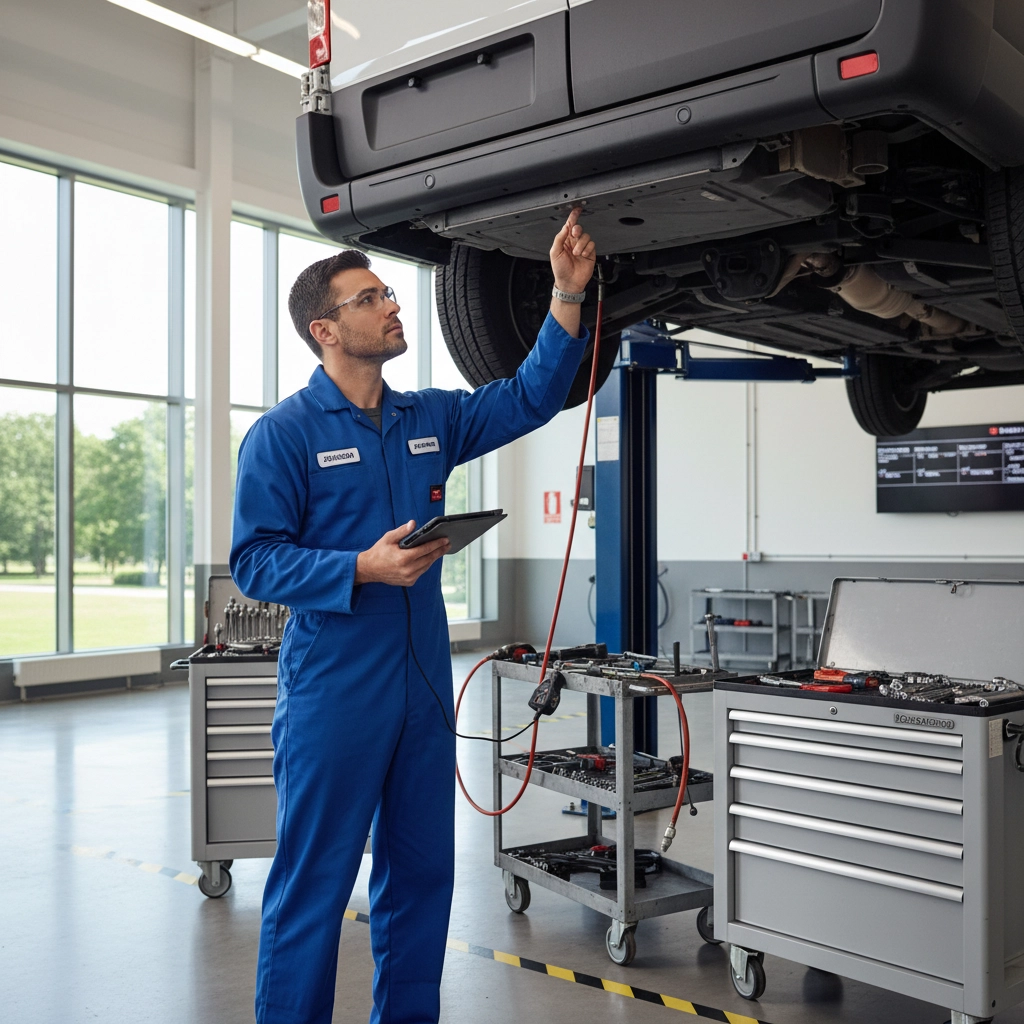
Contractors across Florida, Texas, Arizona, Idaho, and Washington rely on commercial vehicles for equipment transportation and job site access. Coverage protects valuable tools and equipment while providing liability protection during business operations.
Specialized coverage options address contractor needs including equipment protection, tool coverage, and liability for work-related vehicle use.
Delivery and Transportation Services
Delivery businesses require comprehensive commercial auto coverage addressing cargo protection, customer property liability, and vehicle downtime considerations. Coverage options include hired and non-owned auto protection for businesses using employee or contractor vehicles.
Professional Services
Professional service providers using vehicles for client visits and business meetings benefit from commercial auto protection addressing professional liability considerations and business reputation protection.
Enhanced Coverage Options
Hired and Non-Owned Auto Coverage
Hired auto coverage protects businesses when renting or leasing vehicles for business use. This coverage extends liability and physical damage protection to rental vehicles used during business operations.
Non-owned auto coverage addresses liability exposures when employees use personal vehicles for business purposes. This protection fills gaps between personal auto policies and business liability needs.
Gap Coverage
Auto lease gap coverage protects businesses from financial losses when leased vehicles sustain total losses. This coverage pays the difference between insurance settlements and outstanding lease obligations.
Rental Reimbursement
Rental reimbursement coverage provides temporary vehicle replacement when covered vehicles require repairs after covered losses. This coverage ensures business continuity during vehicle downtime periods.
Policy Features and Benefits
Fleet Management Support
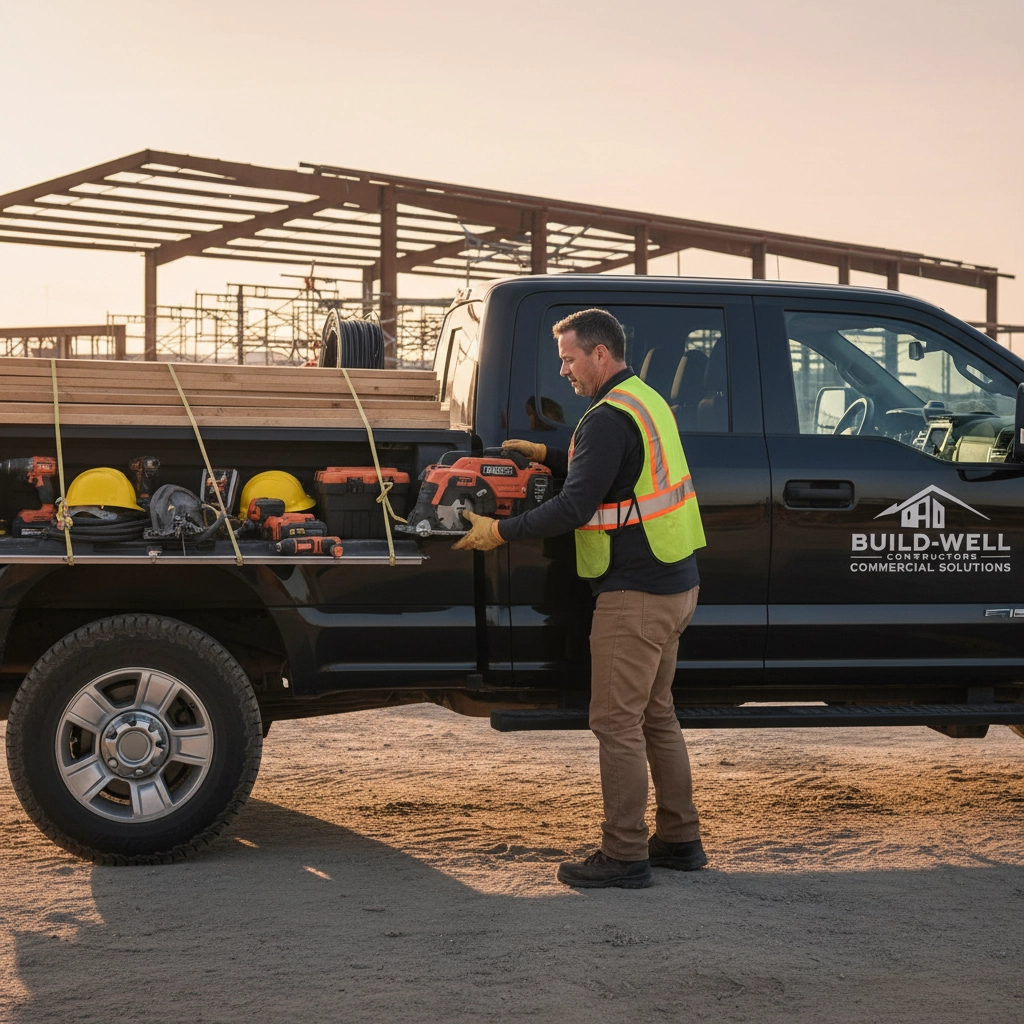
Commercial auto policies offer fleet management tools helping businesses track vehicle usage, monitor driver performance, and maintain safety records. These features support risk management efforts and provide valuable operational insights.
Driver Training Resources
Many policies include driver training programs and safety resources designed to reduce accident frequency and severity. These programs address defensive driving techniques, vehicle maintenance awareness, and regulatory compliance requirements.
Claims Support Services
Commercial auto insurance provides dedicated claims support designed for business needs. Services include 24-hour claim reporting, preferred repair networks, and expedited claim processing to minimize business disruption.
Regulatory Compliance
Commercial auto insurance ensures compliance with state financial responsibility requirements across all operating territories. Policies provide required liability coverage levels and maintain proper documentation for regulatory compliance.
Coverage extends to interstate operations, providing consistent protection when business vehicles cross state boundaries during normal business operations.
Risk Management Integration
Commercial auto insurance integrates with comprehensive business risk management strategies. Coverage coordinates with general liability, workers' compensation, and commercial property insurance to provide complete business protection.
Policy features support loss control efforts through driver qualification requirements, vehicle maintenance standards, and safety program incentives that help businesses maintain strong risk profiles.
Commercial auto insurance represents essential protection for businesses operating vehicles across diverse geographic regions and industry sectors. Proper coverage selection ensures regulatory compliance, protects business assets, and provides operational continuity during unexpected incidents.
Insurance Alliance LLC provides comprehensive commercial auto insurance solutions designed for businesses operating across Florida, Texas, Arizona, Idaho, and Washington. Contact our experienced team to discuss coverage options tailored to your specific business vehicle needs and operational requirements.


Comments