
Coastal Property Valuation Pitfalls: Why ACV vs. Replacement Cost is the Real Risk in Florida
Operating a commercial enterprise in Florida necessitates a technical understanding of property insurance valuation methods. The high-hazard environment, characterized by extreme wind speeds and corrosive salt air, places unique stress on physical structures. Within this context, the distinction between Actual Cash Value (ACV) and Replacement Cost Value (RCV) represents a fundamental pivot point in risk management. Selecting an inappropriate valuation method leads to significant indemnity gaps that often remain hidden until a loss occurs.
Defining the Valuation Mechanisms
In property insurance, the method of valuation determines the maximum amount an insurer pays for covered property. In Florida, where building codes are stringent and reconstruction expenses fluctuate, the choice between ACV and RCV is a primary factor in organizational resilience.
Actual Cash Value (ACV)
ACV is defined as the replacement cost of the property at the time of loss, minus depreciation. Depreciation accounts for physical wear and tear, age, and functional obsolescence. For a coastal structure, depreciation schedules are often accelerated due to environmental factors.
The ACV Formula: Replacement Cost Value - Depreciation = Actual Cash Value
Replacement Cost Value (RCV)
RCV provides for the repair or replacement of damaged property with materials of like kind and quality, without a deduction for depreciation. This valuation aims to return the property to its pre-loss condition using current market inputs.
For entities utilizing florida restaurant insurance, RCV is standard for maintaining operations, as the gap created by depreciation on specialized kitchen equipment and coastal exterior finishes can be substantial.

The Technical Reality of Depreciation in High-Hazard Zones
Depreciation in Florida is not merely a chronological calculation; it is an environmental one. Coastal properties face unique degradation factors that influence property insurance valuations.
Accelerated Physical Deterioration
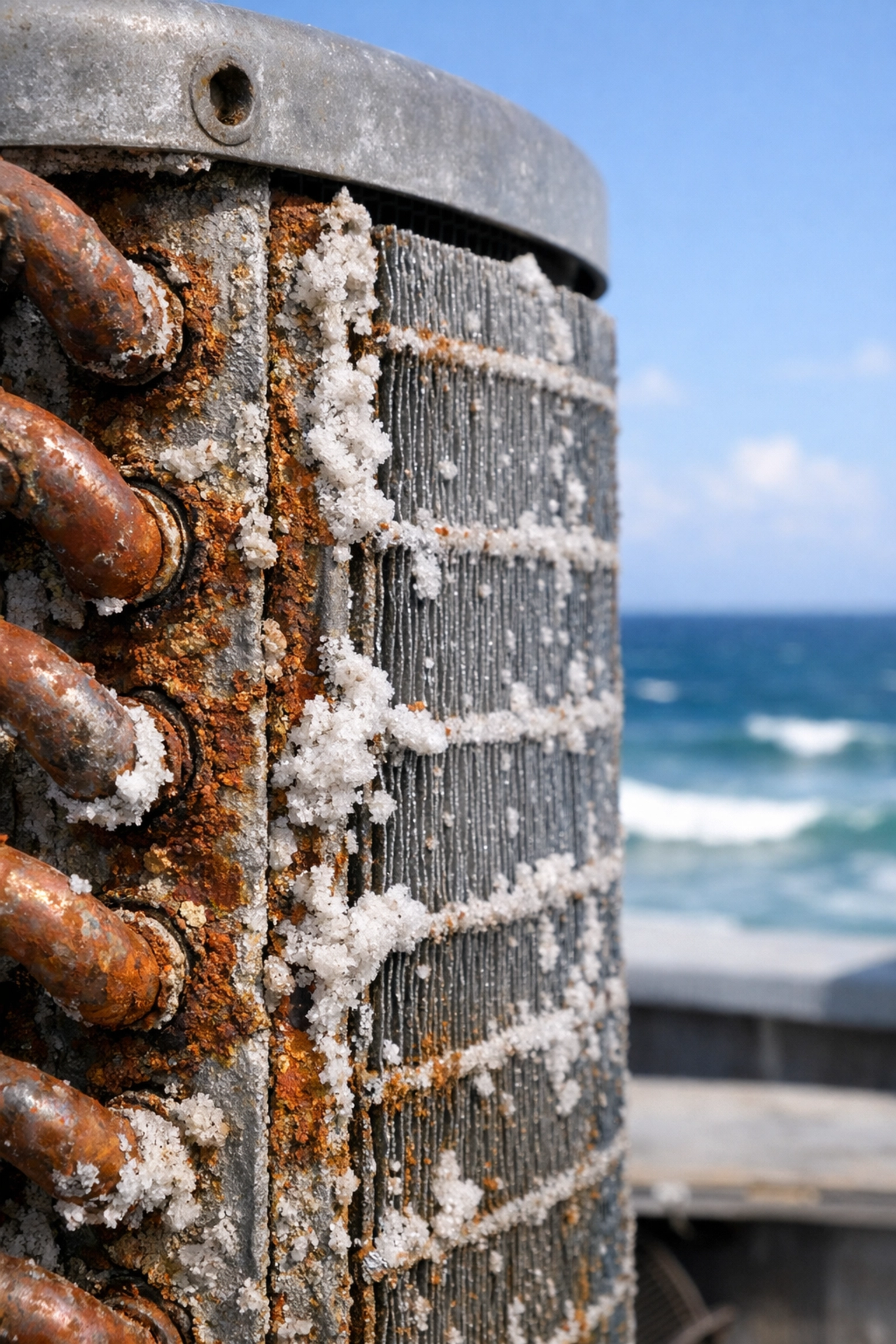
Structures within five miles of the coastline experience salt spray and high humidity. These factors accelerate the oxidation of metal components, including HVAC systems, roofing fasteners, and structural reinforcements. When a policy utilizes ACV, the "useful life" of these components is technically shorter than identical components located inland. Consequently, the depreciation deduction applied during valuation is higher, reducing the indemnity payout.
Functional Obsolescence
Florida building codes, particularly the High-Velocity Hurricane Zone (HVHZ) requirements, evolve rapidly. A structure built ten years ago may no longer meet current structural standards. Under an ACV policy, the valuation is based on the depreciated value of the outdated materials, not the current standard required for reconstruction. This creates a "valuation trap" where the insurance proceeds are insufficient to meet modern legal requirements for rebuilding.
The Co-Insurance Clause: A Technical Pitfall
One of the most complex elements of property insurance valuation in Florida is the co-insurance clause. This contractual provision requires the policyholder to carry a limit of insurance equal to a specified percentage (typically 80%, 90%, or 100%) of the property's actual value.
The Calculation of the Penalty
If the limit of insurance at the time of loss is less than the required co-insurance percentage, a penalty is applied to the recovery. This is independent of whether the loss is partial or total.
The Co-Insurance Formula: (Amount of Insurance Carried / Amount of Insurance Required) x Amount of Loss = Recovery
In the Florida market, property values fluctuate due to the scarcity of coastal land and the rising expense of specialized labor. If a family dining restaurant insurance policy reflects a valuation from three years ago, the business may inadvertently fall below the co-insurance requirement. Even a minor loss could result in a significant out-of-pocket deficit due to this technical penalty.
Market Value vs. Replacement Cost
A common error in Florida property insurance is equating market value with replacement cost.
Market Value: Includes the value of the land, the location's desirability, and the current real estate market trends.
Replacement Cost: Focuses exclusively on the labor and materials required to reconstruct the building on the existing site.
In high-hazard coastal areas, land value often accounts for a massive portion of the market value. Conversely, in a depressed market, the replacement cost might exceed the market value. Relying on real estate appraisals for insurance limits leads to either over-insurance (paying for land that cannot be destroyed) or under-insurance (failing to account for the specialized labor required for coastal construction).
Valuation Pitfalls for Florida Restaurants
For the hospitality sector, valuation extends beyond the building shell. Kitchen infrastructure and specialized finishes require specific attention.
Equipment and Betterments
Restaurants often invest heavily in "Tenant Improvements and Betterments" (TIBs). These are permanent additions to a leased space. If the lease agreement defines the tenant as responsible for these items, they must be valued correctly. An ACV policy on a five-year-old walk-in cooler will account for heavy usage and environmental wear, likely resulting in a valuation that covers only a fraction of a new unit's price.
Specialized Coastal Finishes
Coastal restaurants often use high-grade, salt-resistant materials for decks, railings, and windows. These materials have a higher replacement cost than standard commercial grade. If the valuation does not account for these specific materials of "like kind and quality," the policyholder faces a shortfall. Business insurance policies must be audited to ensure the Statement of Values (SOV) reflects these technical details.

Ordinance or Law: The Hidden Valuation Gap
Standard property insurance policies, whether ACV or RCV, typically exclude the added expense required to comply with new building ordinances or laws. In Florida, where wind-load requirements and base-flood elevations are frequently updated, this is a critical risk.
Coverage Parts:
Coverage A: Loss to the undamaged portion of the building (if a percentage of the building is damaged, the law may require the entire structure to be demolished and rebuilt).
Coverage B: Demolition and debris removal for the undamaged portion.
Coverage C: Increased cost of construction (the difference between the original materials and the new, code-compliant materials).
Without specific Ordinance or Law endorsements, the "Replacement Cost" valuation only covers the cost to replace what was there: not the cost to make it legal to rebuild.
Functional Replacement Cost: An Alternative
For older structures where RCV is unavailable or impractical, Functional Replacement Cost (FRC) provides a middle ground. FRC allows for replacement with functionally equivalent materials that are more common and less expensive than the original. For example, replacing a decorative plaster ceiling with modern drywall. This avoids the heavy depreciation of ACV while managing the valuation requirements of RCV.
Bridging the Gap with Disaster Recovery Solutions
Even with RCV, the immediate liquidity needed after a major coastal event is a hurdle. Valuation processes take time, and initial disbursements may be delayed. Mechanisms like recoop disaster insurance offer a lump-sum cash benefit that acts independently of the property valuation. This provides immediate working capital to address the "soft" gaps in recovery that standard property insurance valuation does not capture, such as emergency site stabilization or temporary relocation.
Valuation Accuracy Protocols
To avoid these pitfalls, Florida business owners should implement the following technical protocols:
Inflation Guard Endorsements: Automatically adjust the property limits to account for rising material expenses.
Annual Statement of Values (SOV) Reviews: Verify that the listed values reflect current reconstruction data rather than historical purchase data.
Professional Appraisals: Utilize insurance-specific replacement cost appraisals rather than real estate market appraisals.
Review of Co-insurance Percentages: Ensure the chosen limit provides a safety margin against the co-insurance penalty.
Property insurance in high-hazard zones is a matter of contractual precision. Understanding the technical mechanics of ACV, RCV, and co-insurance is the only way to ensure that a coastal entity can survive the physical and financial volatility of the Florida environment.
For further information on securing business assets or navigating commercial property requirements, Insurance Alliance LLC provides technical guidance for specialized sectors.
Insurance Alliance LLC Property and Business Risk Management https://www.theinsalliance.com/insuranceallianceblog

Comments