
Central Florida Restaurants: How Tourist Traffic Puts Your Business at Higher Cyber Risk
Central Florida attracts millions of tourists annually, creating unprecedented opportunities for restaurants and hospitality businesses. Theme parks, beaches, and entertainment districts drive consistent foot traffic year-round. This tourism boom generates significant revenue but introduces unique cybersecurity vulnerabilities that many restaurant owners overlook.
Tourist-heavy areas present distinct cyber risks that differ from typical restaurant operations. High customer volume, diverse payment methods, and seasonal staffing create security gaps that cybercriminals actively exploit. Understanding these vulnerabilities helps restaurant owners protect their businesses through proper cyber liability coverage.
Why Tourist Areas Create Unique Cyber Vulnerabilities
Tourism creates cybersecurity challenges that extend beyond standard restaurant operations. Visitors rely heavily on public Wi-Fi networks, process payments from multiple countries, and generate massive data volumes during peak seasons. These factors combine to create an attractive target for cybercriminals seeking to exploit busy establishments.
Tourist destinations operate under constant pressure to accommodate large crowds quickly. This urgency often leads to shortcuts in security protocols, rushed employee training, and overwhelmed systems. Cybercriminals understand these operational pressures and time their attacks accordingly.
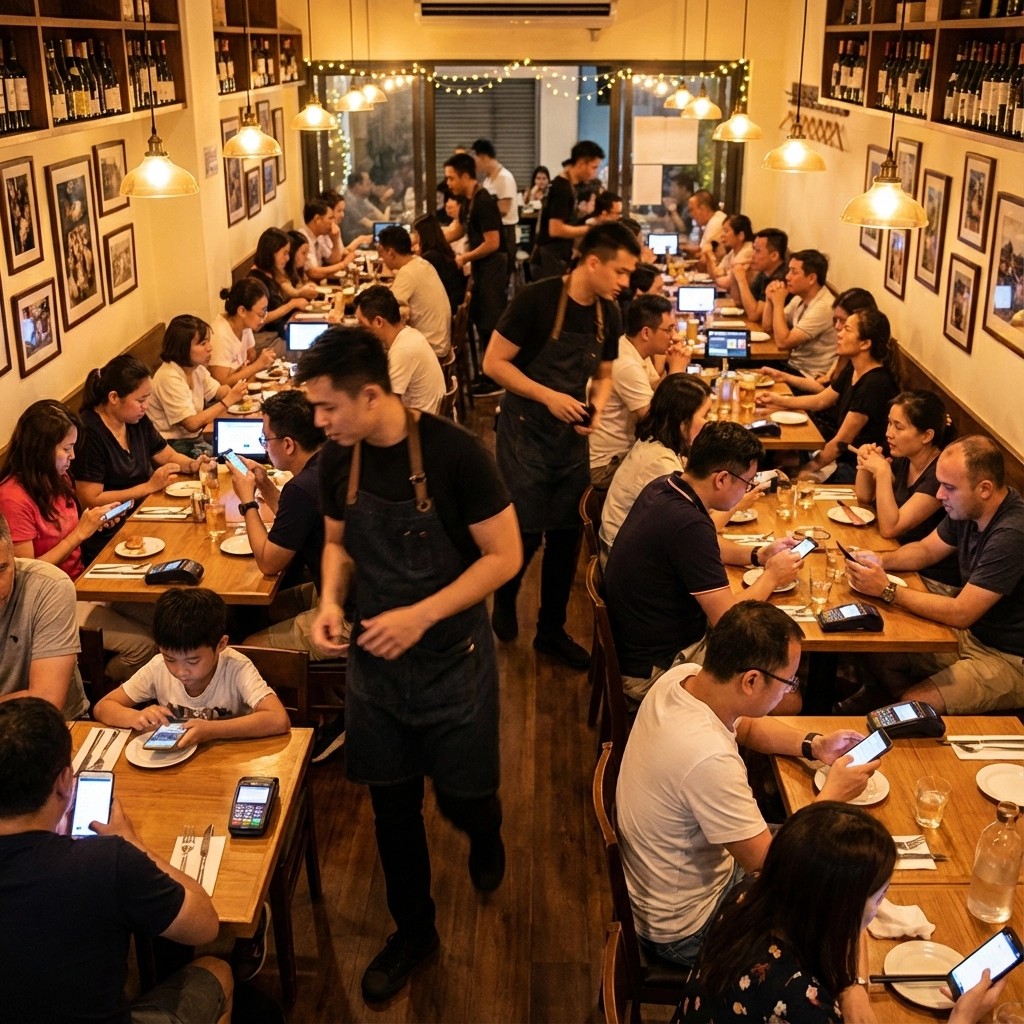
Seasonal fluctuations in Central Florida tourism create predictable patterns that criminals monitor. Peak seasons like summer vacations, holidays, and spring break generate maximum vulnerability when restaurants operate at capacity with temporary staff and strained infrastructure.
Guest Wi-Fi: The Hidden Gateway for Cybercriminals
Public Wi-Fi networks in tourist-heavy restaurants serve as primary entry points for cyberattacks. Visitors expect free internet access, but these networks often lack proper security configurations. Unsecured guest networks provide direct pathways into restaurant point-of-sale systems, employee devices, and customer databases.
Many restaurants fail to properly segment their guest Wi-Fi from business networks. This oversight allows cybercriminals to move laterally from guest networks into critical business systems. Once inside, attackers can access payment processors, employee scheduling systems, and customer loyalty program data.
Guest network vulnerabilities multiply when restaurants use consumer-grade routers or inadequate security protocols. Tourists connecting personal devices may unknowingly carry malware that spreads throughout the network. International visitors using different security software create additional compatibility issues and potential vulnerabilities.
Payment Processing Vulnerabilities in High-Volume Environments
Tourist destinations process diverse payment methods at unprecedented volumes. Credit cards from multiple countries, mobile payment apps, and digital wallets create complex transaction environments. Each payment method introduces unique security requirements and potential failure points.
Peak dining periods strain payment processing systems beyond normal capacity. Overwhelmed servers may skip security protocols, disable authentication measures, or process transactions on unsecured devices. These shortcuts create opportunities for payment card skimming, data interception, and fraudulent transactions.
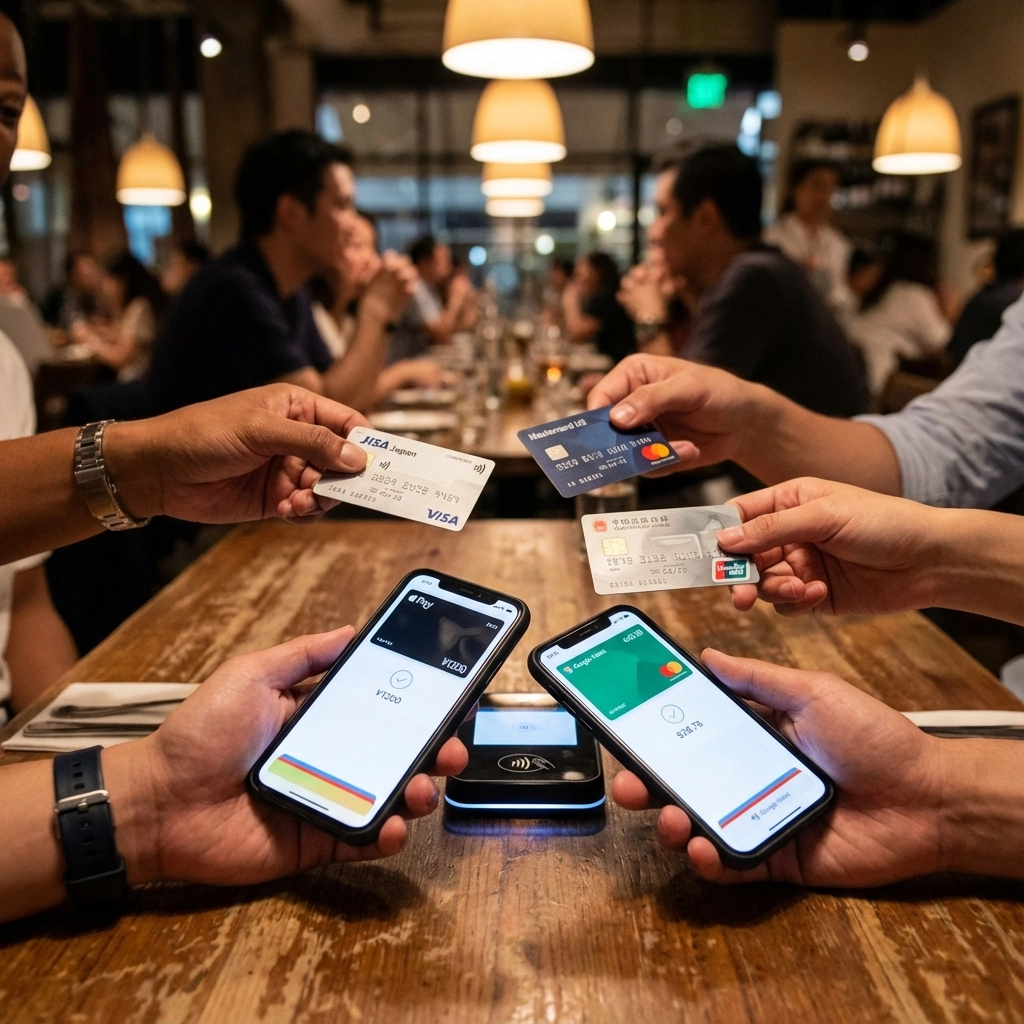
International payment processing adds complexity through currency conversions, foreign bank verification, and varying security standards. Restaurants must accommodate different payment technologies while maintaining consistent security across all transaction types. This complexity increases the likelihood of configuration errors and security gaps.
High Turnover and Seasonal Staffing Risks
Tourist area restaurants experience significantly higher employee turnover than typical establishments. Seasonal workers, temporary staff, and frequent hiring create ongoing security challenges. New employees often receive abbreviated training that overlooks cybersecurity protocols and data protection requirements.
Rushed onboarding processes in busy tourist restaurants frequently skip essential security training. Employees gain access to sensitive systems without understanding proper data handling, password management, or threat recognition. This knowledge gap creates vulnerabilities that persist throughout employment.
Former employees in high-turnover environments may retain access to systems, passwords, and sensitive information. Inadequate offboarding procedures leave digital doors open for potential insider threats or credential misuse. Seasonal workers returning the following year may still have active system access from previous employment.
Data Exposure Risks in Tourist Environments
Restaurants in tourist areas collect and store vast amounts of sensitive customer data. Reservation systems, loyalty programs, and promotional campaigns gather personal information, payment details, and contact information from visitors worldwide. This data concentration creates valuable targets for cybercriminals.
Tourist customers often provide additional personal information during their visits. Hotel accommodations, travel itineraries, and group dining arrangements expand the data footprint beyond typical restaurant transactions. This supplementary information increases identity theft risks and regulatory compliance requirements.
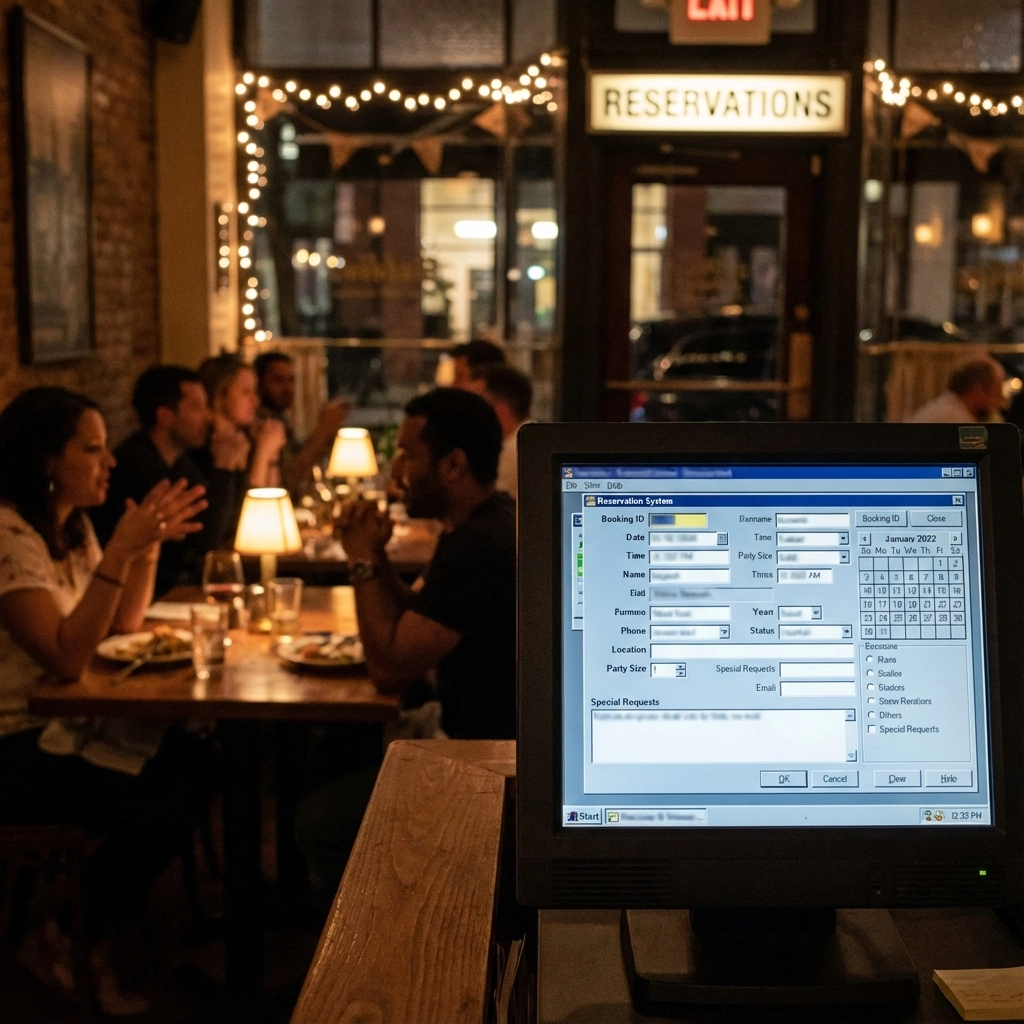
Customer data in tourist restaurants spans multiple jurisdictions with varying privacy laws. International visitors' information may be subject to foreign data protection regulations. Restaurants must navigate complex compliance requirements while protecting data from customers across different legal frameworks.
Social Engineering Attacks in Busy Environments
High-pressure tourist environments create ideal conditions for social engineering attacks. Busy staff members may not verify caller identities, question suspicious requests, or follow security protocols during peak periods. Cybercriminals exploit these conditions to gain unauthorized access or extract sensitive information.
Phone calls requesting password resets, system access, or employee information become more successful in chaotic restaurant environments. Staff members focused on customer service may provide information without proper verification. These attacks often target newer employees who lack experience recognizing suspicious requests.
Cyber Liability Insurance for Tourist Area Restaurants
Cyber liability insurance provides essential protection for restaurants operating in tourist-heavy areas. Standard general liability policies typically exclude cyber incidents, leaving businesses exposed to data breach costs, ransomware attacks, and business interruption losses. Specialized cyber coverage addresses these unique exposures.
Tourist area restaurants require higher cyber liability limits than typical establishments. Increased customer volume, diverse payment processing, and expanded data collection create proportionally higher potential losses. Coverage limits should reflect the enhanced risk environment and potential claim severity.

Cyber liability policies for tourist restaurants should include business interruption coverage. Cyberattacks during peak tourist seasons can cause devastating revenue losses that extend beyond immediate system restoration costs. Proper coverage helps restaurants maintain operations and recover lost income during incident response.
Essential Cyber Liability Coverage Components
Data breach response coverage helps manage customer notification requirements, credit monitoring services, and regulatory compliance costs. Tourist area restaurants may face notification requirements across multiple jurisdictions, significantly increasing response complexity and expenses.
Cyber extortion coverage protects against ransomware attacks and other digital threats. Tourist destinations often face targeted ransomware campaigns during peak seasons when businesses cannot afford downtime. This coverage provides negotiation resources and ransom payment capabilities when necessary.
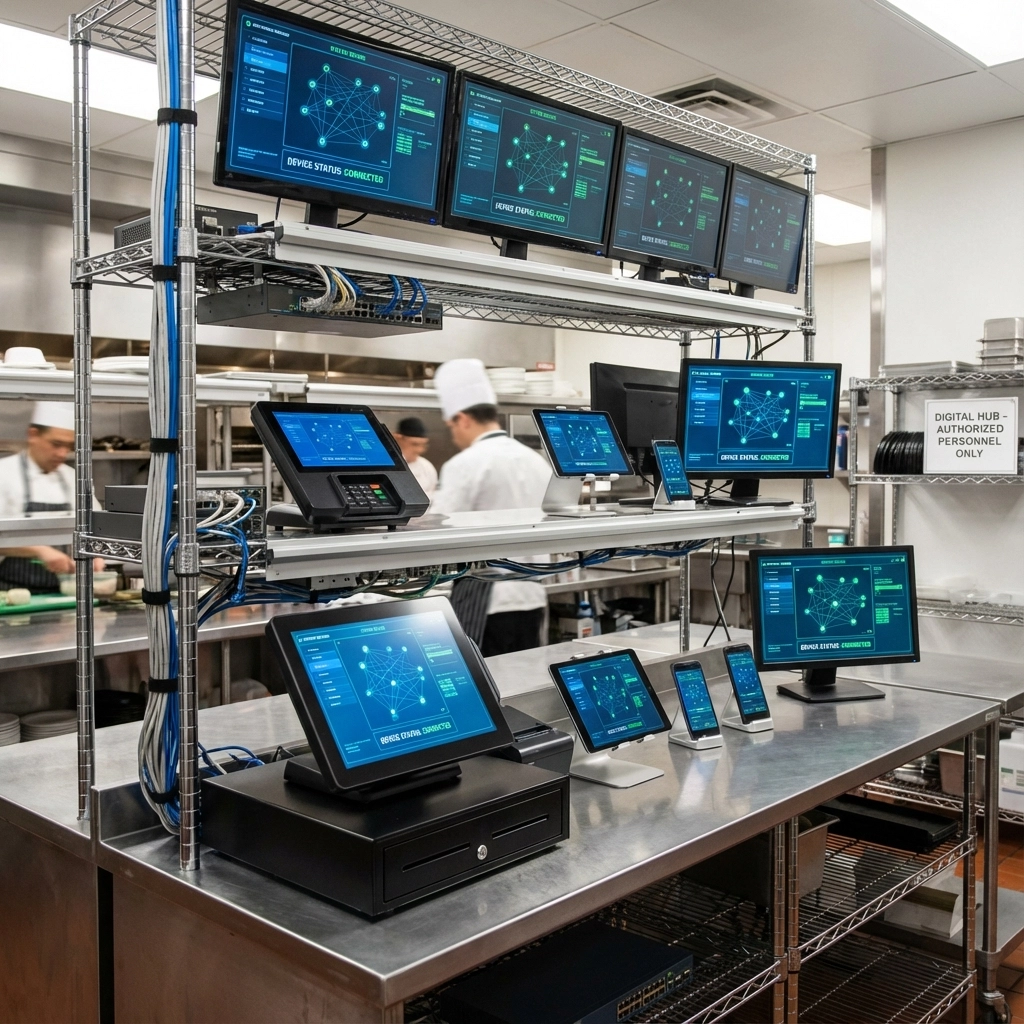
Network security failure coverage addresses system damage, data restoration, and business interruption losses. Tourist area restaurants depend heavily on digital systems for reservations, payments, and operations. Extended downtime during busy periods can cause severe financial impact.
Regulatory defense coverage helps navigate privacy law violations and data protection compliance issues. Restaurants serving international tourists may face multiple regulatory frameworks and enforcement actions. Legal defense costs for these complex matters can quickly exceed standard coverage limits.
Practical Cyber Protection Steps
Network segmentation separates guest Wi-Fi from business systems, preventing unauthorized access to critical infrastructure. Restaurants should implement dedicated guest networks with no access to payment systems, employee devices, or sensitive databases.
Employee security training addresses social engineering recognition, password management, and incident reporting procedures. Regular training updates help staff recognize evolving threats and maintain security awareness during busy periods.
Payment system security requires regular updates, proper configuration, and ongoing monitoring. Restaurants should implement point-to-point encryption, tokenization, and multi-factor authentication across all payment processing systems.
Data retention policies minimize exposure by limiting stored customer information to business necessities. Regular data purging reduces the potential impact of successful breaches while maintaining operational requirements.
Moving Forward with Cyber Protection
Tourist area restaurants in Central Florida face elevated cyber risks that require specialized insurance solutions. Understanding these unique vulnerabilities helps business owners make informed coverage decisions and implement appropriate security measures.
Insurance Alliance LLC provides comprehensive cyber liability coverage designed for restaurants operating in high-risk tourist environments. Our specialized policies address the unique challenges facing Central Florida hospitality businesses while providing essential protection against evolving cyber threats.
Contact Insurance Alliance LLC today to discuss cyber liability coverage options for your Central Florida restaurant. Our experienced team understands the specific risks facing tourist area businesses and can design coverage solutions that protect your operation, customers, and reputation.

Comments