
Business Owners Policy vs General Liability: Which Is Better For Your Restaurant in 2025?
- marketing676641
- Dec 3, 2025
- 5 min read
For restaurant owners, a Business Owners Policy provides superior protection compared to standalone General Liability insurance. While General Liability covers third-party claims, it creates significant coverage gaps that can threaten restaurant operations. A Business Owners Policy combines liability, property, and business income protection into one comprehensive package, addressing the unique risks restaurants face daily.
Restaurant operations involve complex exposures that require integrated coverage solutions. General Liability alone cannot protect against equipment failures, inventory loss, or business interruptions that commonly affect restaurant profitability and survival.
Understanding Business Owners Policy Coverage
A Business Owners Policy bundles three essential coverage components for restaurants. General Liability protection handles third-party claims, Commercial Property insurance protects physical assets, and Business Income coverage replaces lost revenue during covered interruptions.
The property component protects kitchen equipment, furniture, inventory, and tenant improvements against covered perils including fire, theft, vandalism, and weather damage. This coverage extends to specialized restaurant equipment like commercial ovens, refrigeration units, point-of-sale systems, and food preparation machinery.
Business Income coverage replaces lost revenue when property damage forces temporary closure or reduces operating capacity. The coverage pays ongoing expenses like payroll, rent, and loan payments during the restoration period. Extra expense coverage helps maintain operations through temporary kitchen rental, alternative food preparation facilities, and emergency equipment replacement.
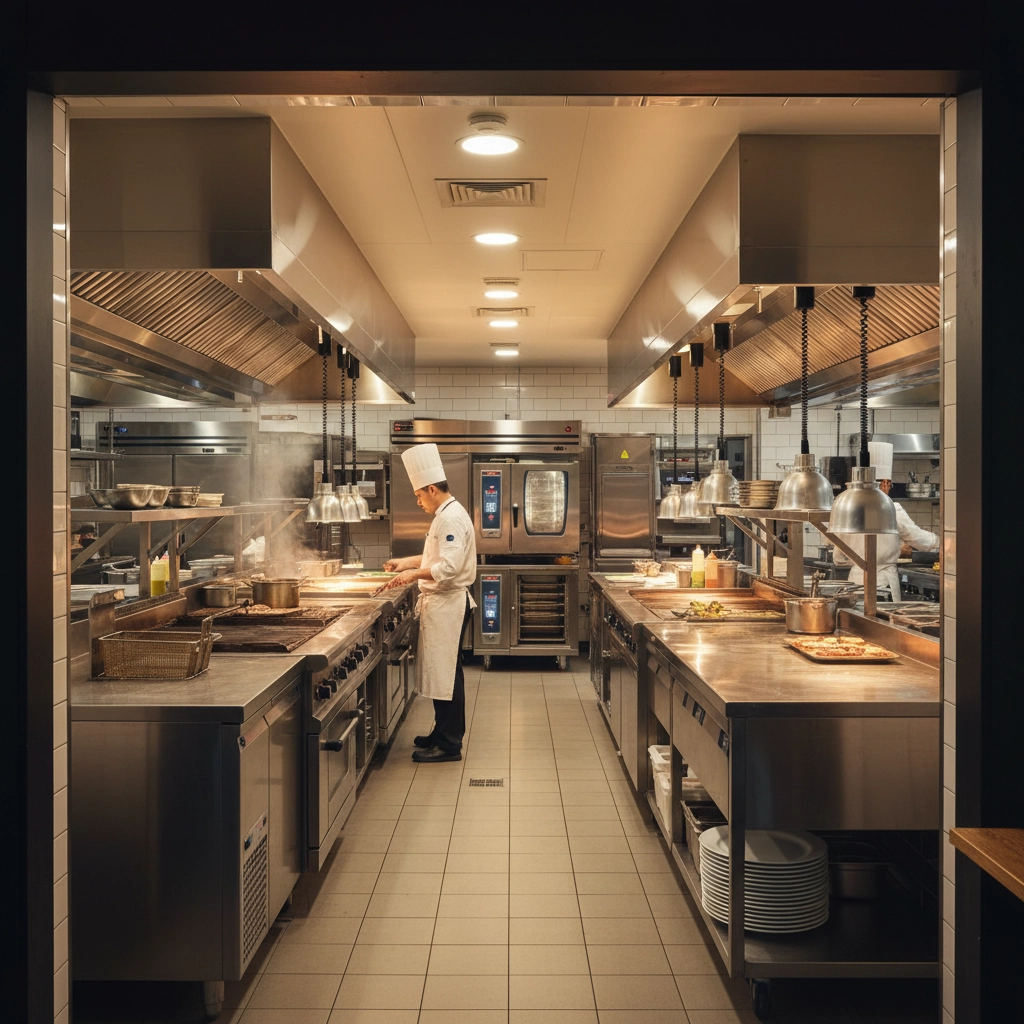
Many Business Owners Policies for restaurants include specialized coverages that address industry-specific risks. Food contamination coverage replaces spoiled inventory when refrigeration fails. Equipment breakdown coverage addresses mechanical failures that can shut down kitchen operations. Liquor liability protection covers claims related to alcohol service when restaurants hold liquor licenses.
Data breach protection addresses cyber risks from payment processing and customer information storage. Sign coverage protects exterior signage investments. Ordinance and law coverage handles building code upgrades required during property restoration.
Understanding General Liability Insurance
General Liability insurance focuses exclusively on third-party bodily injury and property damage claims. The coverage protects restaurants against customer injuries from hot surfaces, burns from coffee, cuts from broken dishes, and damage to customer property during catering events.
Personal and advertising injury protection covers claims involving libel, slander, copyright infringement, and invasion of privacy. Product liability coverage addresses food poisoning claims and injuries caused by defective food products served by the restaurant.
The coverage applies to both on-premises incidents and off-site operations during catering or delivery services. General Liability provides defense coverage for lawsuits and settlements within policy limits.
However, General Liability does not protect business property, equipment, inventory, or provide income replacement during business interruptions. These coverage gaps create substantial financial exposures for restaurant operations.
Key Coverage Differences
Business Owners Policies and General Liability insurance serve different protection functions for restaurants. Understanding these differences helps restaurant owners make informed coverage decisions.
General Liability covers third-party claims exclusively. Business Owners Policies include the same liability protection while adding property and income coverages that General Liability cannot provide.
Property protection under Business Owners Policies covers kitchen equipment, dining room furniture, inventory, and tenant improvements. General Liability offers no property protection, leaving restaurants vulnerable to equipment failures, fire damage, or theft losses.
Business Income coverage under Business Owners Policies replaces lost revenue during covered business interruptions. Restaurants forced to close due to equipment failures, fire damage, or other covered perils receive income replacement. General Liability provides no income protection during business interruptions.
Equipment breakdown coverage often included in Business Owners Policies addresses mechanical failures that commonly affect restaurant operations. Commercial kitchen equipment requires specialized protection that General Liability cannot deliver.
Food spoilage coverage protects inventory investments when refrigeration systems fail. Restaurants maintaining substantial food inventory need protection against spoilage losses that General Liability cannot address.
Restaurant-Specific Risk Considerations
Restaurants face unique operational risks where comprehensive coverage proves essential. Food safety incidents create dual exposures where refrigeration failures causing food poisoning simultaneously create liability claims while destroying valuable inventory.
Kitchen fires represent complex exposure scenarios where property damage closes restaurants while potential injuries to staff or customers create liability claims. Business Owners Policies address both exposure types while General Liability covers only the liability component.
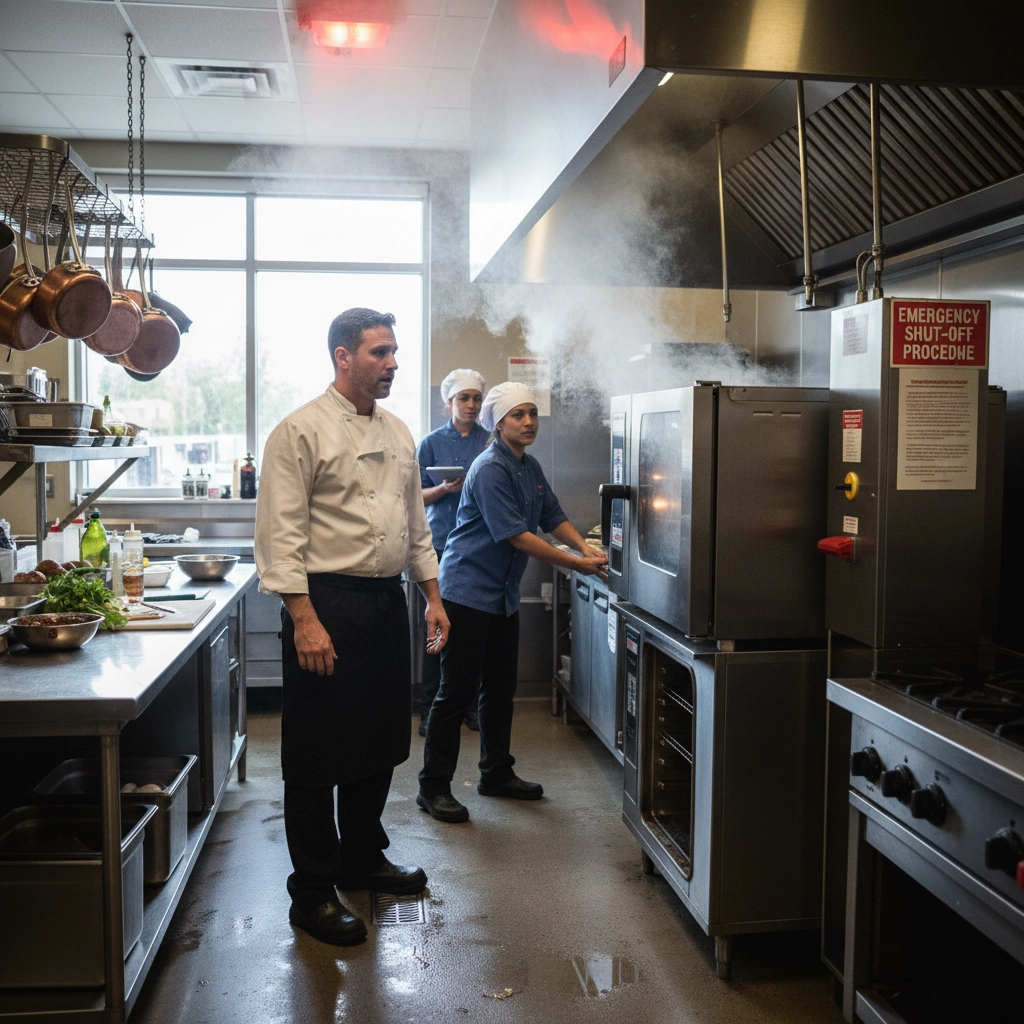
Equipment-dependent operations require protection against mechanical failures. Commercial refrigeration, cooking equipment, and ventilation systems represent substantial investments requiring specialized coverage. General Liability offers no equipment protection, while Business Owners Policies typically include equipment breakdown coverage.
Catering operations expand coverage territory beyond restaurant premises. Both General Liability and Business Owners Policies can extend protection to off-site locations, but Business Owners Policies provide additional equipment protection during transport and setup.
Liquor liability represents significant exposure for restaurants serving alcohol. Many Business Owners Policies include liquor liability protection automatically, while General Liability policies require separate liquor liability coverage purchase.
Tenant improvements receive protection under Business Owners Policy property coverage. Restaurant buildouts, custom kitchen installations, and dining room improvements gain coverage against property perils that General Liability cannot address.
When Business Owners Policy Makes Sense
Business Owners Policies work best for established restaurants with substantial property values, multiple revenue streams, and complex operations. Restaurants with significant kitchen equipment investments need comprehensive property protection that General Liability cannot provide.
New restaurants often underestimate property values and income replacement needs. Kitchen equipment, initial inventory, and buildout investments represent significant capital requiring protection from day one. Business Income coverage helps new restaurants survive temporary closures during critical establishment periods.
Restaurants serving alcohol benefit from automatic liquor liability coverage often included in Business Owners Policies. This integration simplifies coverage management while ensuring adequate protection against alcohol-related claims.
Full-service restaurants with extensive equipment, inventory, and customer interaction need comprehensive protection addressing multiple exposure categories. Business Owners Policies deliver integrated coverage solutions that General Liability alone cannot match.
When General Liability May Be Sufficient
General Liability may provide adequate protection for delivery-focused operations with minimal property exposure. However, even delivery operations typically maintain some equipment, inventory, and income exposure requiring broader protection.
Mobile food operations with limited fixed assets might consider General Liability as primary coverage. These operations still face equipment and income exposures that comprehensive coverage can address more effectively.
Very small operations with minimal property investments and simple business models might start with General Liability. However, most restaurants develop property and income exposures as operations expand.
Integration and Coverage Management
Business Owners Policies streamline coverage management by combining various protections with single providers. This integration minimizes administrative complexity while ensuring coordinated protection across different exposure categories.
Coordinated coverage limits and deductibles simplify claims handling and reduce potential coverage disputes. Single policy management reduces renewal complexity and ensures consistent coverage terms across different protection types.
Claims handling becomes more efficient when multiple coverages operate under unified policy structures. Property and liability claims involving the same incident receive coordinated handling under Business Owners Policies.

Making the Right Choice
Most restaurants should choose Business Owners Policies over standalone General Liability insurance. The comprehensive protection addresses diverse risks inherent in restaurant operations, from customer injuries and property damage to equipment failures and business interruptions.
The integrated approach provides liability protection while filling critical property and income coverage gaps that General Liability cannot address. For restaurants operating in physical locations with equipment, inventory, and regular operations, Business Owners Policies deliver essential protection that supports business continuity and financial stability.
General Liability alone leaves restaurants vulnerable to property losses, equipment failures, and business interruptions that can threaten operations and profitability. Business Owners Policies provide the comprehensive protection restaurant operations require.
Insurance Alliance LLC helps restaurant owners evaluate coverage options and select appropriate protection for their operations. Our experience with restaurant insurance across Florida, Texas, Arizona, Idaho, and Washington ensures restaurants receive coverage solutions that match their specific risk profiles and operational requirements.
Helpful comparison. One additional consideration for restaurant owners is temporary or specialty setups that create extra liability exposure beyond everyday operations. For example, restaurants that host outdoor events, cater large gatherings, or partner with vendors providing on-site amenities (like portable shower services such as https://shower-rental.com/arizona/ganado/) may face added risks tied to temporary equipment, customer use, and water-related slip hazards. In these cases, a Business Owners Policy (BOP) can offer more flexible protection by combining property, liability, and business interruption coverage—often making it a better fit than standalone general liability alone.